

















Considering how much time we spend fixated on the next release or the newest shiny object, there’s something magnetic about the past. Call it nostalgia, call it rose-tinted memories, call it a yearning for a simpler time – retro is cool.
The trend for retro cameras, images with grainy textures, even actual film, is rapidly growing, but does it make sense for you?
What Is a Digital Retro Camera?
Before we look at what a digital retro camera is, let’s begin with the retro-only version. Retro cameras are basically a throwback to what photographers used in the past, usually thirty years plus, before the age of digital images. These cameras used film, required some knowledge to set up shutter speed and aperture manually, and were often small enough to carry easily around your neck.
Now for digital retro cameras. These devices mimic their vintage cousins in every way, the same cool-looking casing, same style, but with digital images. They might carry the same shooting style as the past with physical dials and manual viewfinders, or the images themselves might come out retro, with imperfect color and that unmistakable tint from the past.
Think of them as bridge cameras between eras, if you will, which retain a style and shooting experience that feels slower and more intentional, but includes instant previews, digital storage, and modern processing power. In a sense, you get the best of both worlds.
How Do Digital Retro Cameras Work?
The important thing to remember about digital retro cameras is that the vintage style and shooting method comes with some modern, heavyweight technology under the hood. Digital retro cameras still rely on modern sensors, processors, and image processing systems – the difference lies in how they interpret and present the image.
When a photo appears that looks like it was taken in 1972, that image has had to move through cutting-edge technology to look like that. It’s a strange paradox, but that’s how retro digital cameras work.
A camera will take an image in exactly the same way any other digital camera would, with its digital sensor capturing light. But then the magic happens. Image processors then apply color profiles that emulate film stocks or older digital aesthetics, while firmware adds stylistic effects like grain, fade, or color shifts.
A big part of why digital retro cameras are becoming popular is how you take the image. Older cameras had a particular feel in your hand, and while they might be considered a little bulky by today’s standards, that also allowed for more intentionality. Instead of running around taking thousands of images, retro cameras were all about slowing down and finding the best shots.
Key Features of Digital Retro Cameras
Design
As soon as you pick up a digital retro camera, you’ll notice the difference. They’re often a little heavier, have a different kind of texture, and come with dials that make that satisfying click when you move them around.
Retro-style cameras often borrow heavily from classic film bodies. Think metal finishes, leather grips, and mechanical controls. But it’s not just aesthetic, it changes how you interact with the camera. Modern digital cameras are extraordinary. But there’s something enduring about old-fashioned design, it stays with us, even if we never used it.
Retro Images
This is where the nostalgia really kicks in. Digital retro cameras often simulate the color science of film-muted highlights, rich shadows, and subtle imperfections that give images an old-school character. Some emulate specific film stocks, while others create entirely new “retro-inspired” looks that can make your image appear from different eras.
Imperfection is important here. Digital retro images are not supposed to look like the sharp, perfect, high-definition images that you see with modern cameras. You might have more glare, sun spots, flare, streaks and even dust, and that’s the point. These images aren’t perfect, but they do look like they were taken at Woodstock in 1969.
Manual Controls
We’ve all grown to love touch screens and automatic settings that do all the work for us, but there’s something wonderfully reassuring about twisting an old-fashioned dial and slowly turning a lens to get the focus just right. Instead of relying on automatic modes, many feature dedicated dials for shutter speed, ISO, and exposure compensation. It’s a hands-on process - one that forces you to think before you shoot. Yes, it’s slower, but sometimes, it’s good to pump the brakes.
Slowing Down
Rightly or wrongly, most of us have become all about speed. It’s about how quickly we can get things done, how fast we can race through a task, and how many photos a digital camera can take in a short period of time. Time is money, as the saying goes.
But it wasn’t always like that. Go back a few decades, and you’ll find a much slower time without smartphones and widespread internet. If you were photographing in the early 1990s, you were doing so with a limited number of shots available to you. You didn’t have a memory card with 1TB of storage, you might have had 24 possible images that day, because that was all your film carried.
But before you start thinking what a dreadful time we all used to inhabit, it wasn’t such a bad thing. If anything, retro photography meant we had to slow down and make us more aware of our surroundings. We spend so much of our lives rushing around. Why can’t photography be the time when we breathe a little slower and really notice the world around us?
Compact Form
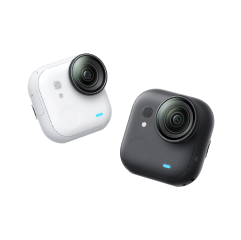
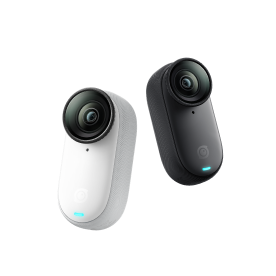
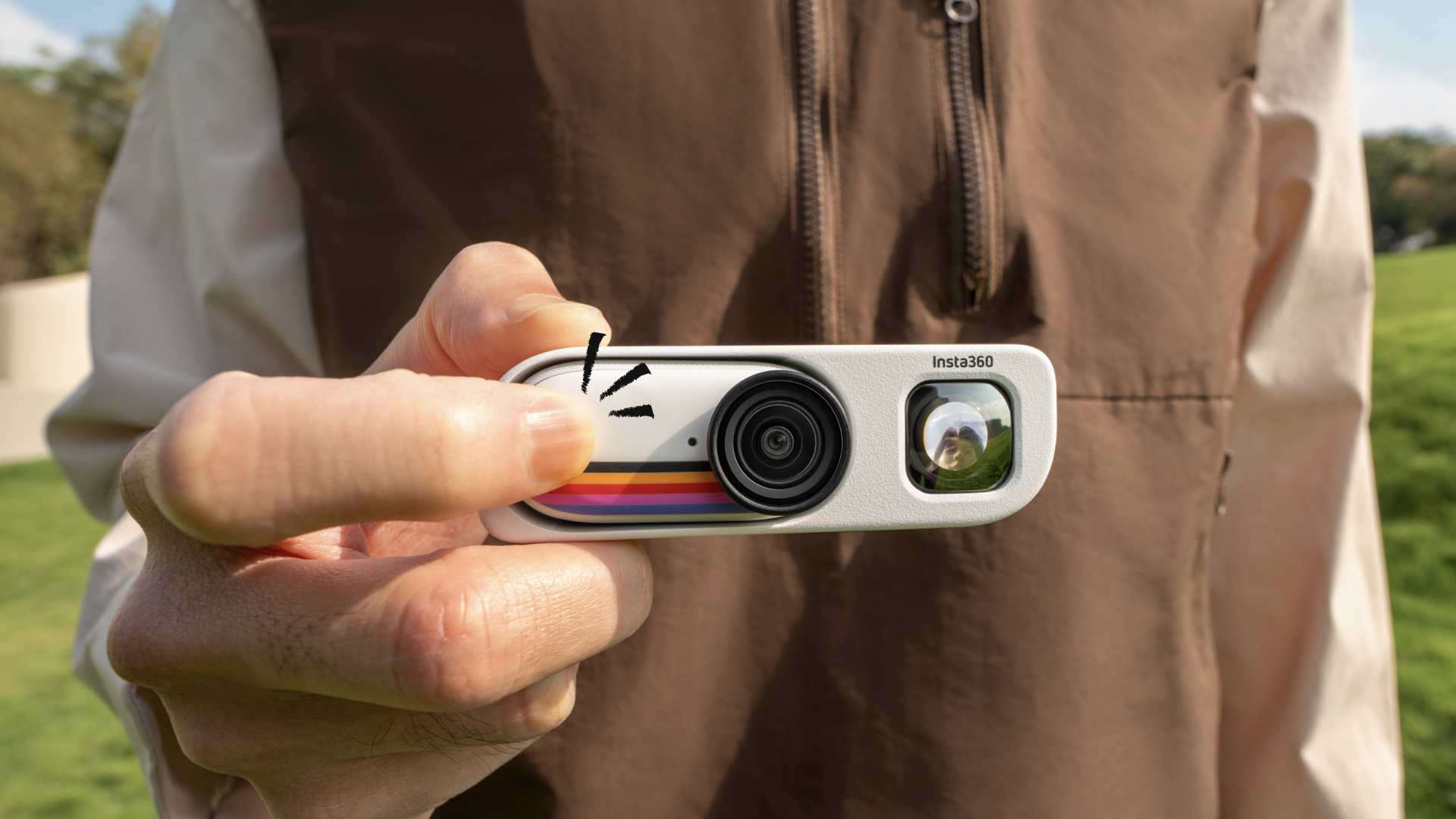
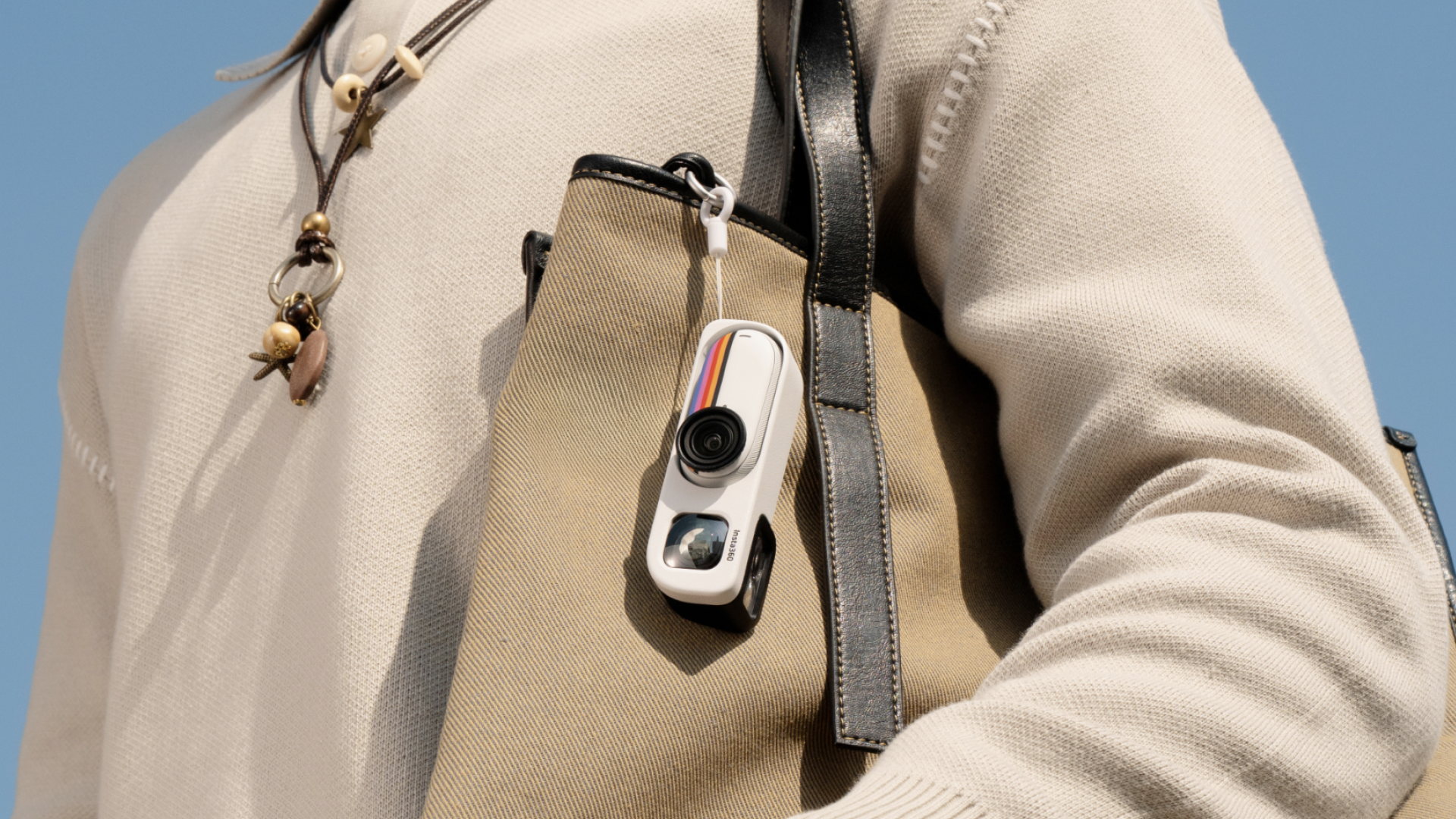
You might assume that all retro digital cameras are bulky contraptions that require a small suitcase to transport, and you’d be completely wrong. Some take a more modern approach - small, portable, but styled with retro fashion. These are built for everyday carry, blending nostalgia with convenience. Cameras like Insta360’s GO 3S Retro Bundle bring a vintage-inspired vibe into an ultra-compact form, something traditional retro cameras rarely prioritize.
Less is More
With modern cameras, it’s all about specs, features, and a long list of ‘did you know that this camera can also do this?’ This is all great, but do you ever get the feeling of being overwhelmed by the sheer number of wonderful things your camera can do?
With retro digital cameras, it’s all about stripping them back, purposely. It’s not about making the cameras worse, or choosing to limit their features, it’s about focusing on the basics and getting those right. Retro cameras might not have video capabilities to shout about, their dynamic range and resolution might be average, and the autofocus might be slow, but that’s kind of the point.
These are not modern cameras with all the bells and whistles, but having less frees you up to focus on what’s important, taking great images with a retro style.
Pros and Cons of Digital Retro Cameras
But, of course, digital retro cameras are not going to be for everybody. For all of their pros, there are some cons that you need to be aware of before making a purchase.
Pros
- Creative discipline - You’re more involved in every shot, which often leads to stronger results.
- Unique image character - The look stands out, especially in a world saturated with hyper-sharp, over-processed images.
- Tactile shooting experience - Physical controls make photography feel more intentional and rewarding.
- Aesthetic appeal - Let’s be honest, these cameras look incredible.
Cons
- Limited modern features - You might miss advanced autofocus, stabilization, or high-end video modes.
- Learning curve - Manual controls take time to master, especially if you’re used to smartphones.
- Price vs performance - Sometimes you’re paying for design and experience rather than raw specs.
- Not always pocket-friendly - Traditional retro bodies can be bulky compared to modern compact options.
Digital Retro Cameras vs Modern Cameras
So let’s look at these two side by side, because if you are considering a digital retro camera, a modern camera is probably your alternative.
Modern cameras are evolving at a staggering rate and are built for peak performance with fast autofocus, high resolution, advanced video, and seamless connectivity. It’s now about 8K vs 4K cameras, when really, they’re both light years ahead of what was around just ten years ago. If you’re looking for the best camera that delivers the best image on a technical basis, then modern cameras are the way forward.
Digital retro cameras, on the other hand, place experience above performance. They might not deliver the same kind of image quality, but many adore the process, which is all about slowing down and approaching photography with intention.
Who Should Use a Digital Retro Camera?
So, are you a digital retro camera kind of person? Let’s be honest, not everybody needs or even wants a retro camera, and that’s fine, but if any of these are important to you, it might be worth considering.
- You love the process, not just the result - If you enjoy the act of shooting, the adjustments, the anticipation, the craft - a retro-style camera enhances that experience.
- You want photos that look different - If you’re tired of overly sharp, overly polished images, retro aesthetics offer a refreshing alternative.
- You value design as much as performance - For some, the camera itself is part of the inspiration. A beautiful tool begs you to use it more often, and that alone can elevate your creativity.
- Stepping away from the phone - Retro cameras can be a great step up from smartphone photography, offering more control without overwhelming complexity. If you also feel like you’re always on your phone, this could be a great alternative.
Compact Cameras With Retro Style
Now, imagine if you could combine the best of all worlds, if you could have all the cake and eat it too. Retro cameras are becoming increasingly popular, but one frequent complaint comes down to size. People love the style, the slower pace, and the sense of purpose, but they don't always love the extra bulk that comes with a vintage-style camera.
Insta360’s GO 3S Retro Bundle is the perfect way to combine retro style with modern compactness. It captures the spirit of retro photography, creative freedom, and distinctive perspective, but packages it into a tiny, wearable camera that goes anywhere. Pair it with accessories from Insta360’s accessory lineup, and suddenly your “retro” camera becomes something far more versatile than anything from the past.
Ready to Explore Retro-Inspired Capture with Insta360’s GO 3S Retro Bundle?
The past had style, it’s difficult to argue with that. Whether it’s clothes, haircuts, cars, or even cameras, something keeps drawing us back to a bygone era. Yet with photography, it doesn’t simply come down to what looks good, but rather how we feel while we’re in the process. It’s not just about the end product, it’s about the journey we take to it, the things we notice along the way, the experience we live.
Insta360’s GO 3S Retro Bundle brings that retro spirit into a new era - compact, versatile, and ready for anything. It’s the freedom to shoot anywhere, with a style that stands apart. It looks backwards, but with a modern soul.
Frequently Asked Questions
What is the difference between retro and vintage digital cameras?
Retro digital cameras are modern devices designed to mimic older styles or aesthetics. Vintage digital cameras are actual older models-often from the early days of digital photography.
Do retro digital cameras take better photos?
Not exactly, but let’s explain. If you want the perfect image with high-resolution, crispness, and strong dynamic range, modern cameras take better photos. But if you place emphasis on mood, tone, and storytelling, you might prefer retro digital cameras.
Can you shoot video on digital retro cameras?
Some can, but this really isn’t what they’re designed to do. The beauty of digital retro cameras is that they strip back all the unnecessary features. However, cameras like Insta360’s GO 3S Retro Bundle deliver strong video performance while still embracing a creative, stylized approach to capture.




%20(1).svg)


%20(1).svg)

.svg)