


















You spend hours planning and recording the perfect sunset, editing it, uploading it, and the results? Disappointing. Sound familiar? In some cases, the reason comes down to SDR versus HDR.
While both formats are used to display and share footage, they handle brightness, contrast, and color very differently.
What SDR Actually Means
SDR stands for Standard Dynamic Range. It's the traditional format used for television broadcasts, online videos, and digital content for decades. Dynamic range refers to the difference between the darkest and brightest parts of an image, and SDR works within a relatively limited range—meaning there is less information available in highlights and shadows compared to newer formats.
That doesn't mean SDR produces poor-looking footage, and, in fact, most content viewed online today is still delivered in SDR because it's widely compatible across devices, platforms, and editing workflows.
One point to also highlight is the difference between SDR and resolution, as the two are often wrongly thrown into the same conversation. Resolution determines how much detail is captured, while dynamic range affects how light and color are represented.
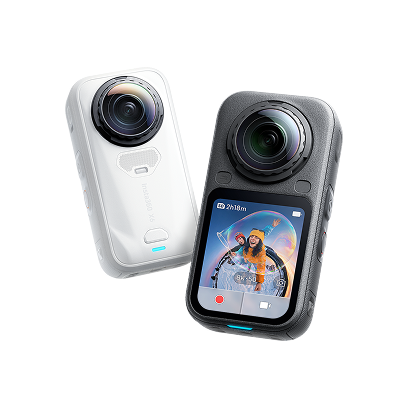
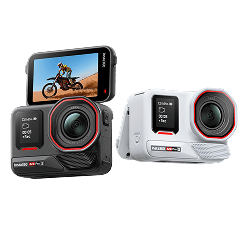
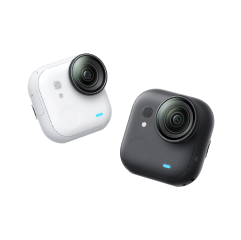
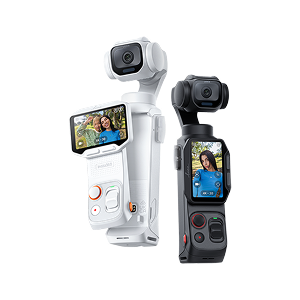
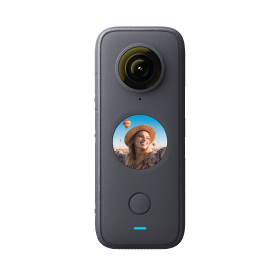
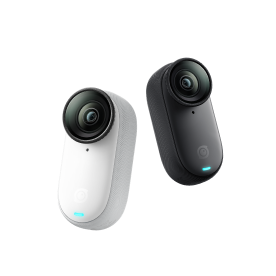
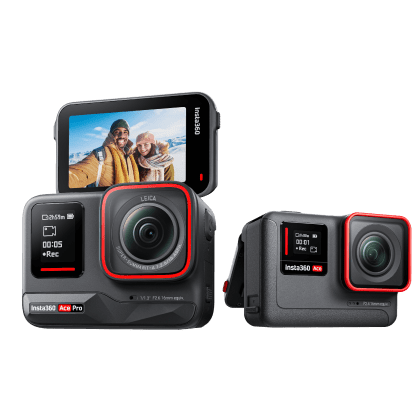
High definition resolution is just the upper echelon that is included on most action cameras today, from the cinematic-worthy Insta360 Ace Pro 2 to the minute Insta360 GO 3S.
What HDR Changes About the Image
The difference between highlights and shadow is one of the most common issues facing filmmakers and photographers. How do you capture both the mountains, with their golden hour glow, and the valley, with its deep shadows, in the same shot?
The answer is HDR. High Dynamic Range expands the amount of brightness and color information that can be captured, processed, and displayed. Instead of forcing creators to choose between preserving highlights or shadows, HDR allows more detail to remain visible throughout the scene. When combined with high-resolution video, the results are extraordinary.
Many modern smartphones, televisions, monitors, and cameras support HDR workflows because they create a viewing experience that feels closer to what the human eye naturally sees. When you’re sitting at home marveling at how realistic the colors and range balance of that latest nature show are, it’s almost certainly much to do with HDR.
SDR vs HDR: The Key Differences
| Feature | SDR | HDR |
| Brightness range | Limited | Much wider |
| Contrast | Standard | Enhanced |
| Shadow detail | Less visible | More preserved |
| Highlight detail | More likely to clip | Better retention |
| Color gamut | Smaller | Wider |
| Color depth | Typically 8-bit | Often 10-bit or higher |
| Compatibility | Nearly universal | Requires HDR support for best results |
| Workflow | Simpler | More demanding |
Brightness Range
The biggest difference between SDR and HDR is brightness. HDR-capable displays can achieve significantly higher brightness levels than traditional SDR displays and this expanded range allows bright elements such as reflections, clouds, snowfields, or sunlight to appear more lifelike without losing detail.
In SDR, bright areas may appear washed out or clipped when the scene includes extreme lighting.
Contrast and Detail
HDR allows more information to be displayed simultaneously in bright and dark regions. For example, when filming inside a building with sunlight streaming through a window, SDR may force a compromise. The view outside might become overexposed, or the interior could appear too dark. HDR helps preserve detail in both areas, creating a more balanced image.
Color Depth and Color Gamut
Another major advantage is color reproduction. Most SDR content uses 8-bit color, while many HDR workflows use 10-bit color or higher, which allows significantly more color variations to be displayed. The result is smoother gradients in skies, sunsets, oceans, and other scenes where subtle color transitions matter.
HDR also supports a wider color gamut, meaning it can reproduce a broader range of colors. This helps vibrant landscapes, city lights, and natural environments appear more immersive.
Compatibility and Workflow
Despite its benefits, HDR isn't always the easiest option. To see HDR properly, viewers need compatible displays and platforms that preserve HDR metadata. Some services automatically convert content, while certain devices may display HDR differently — making SDR the safer choice when maximum compatibility is required.
When to Shoot HDR vs SDR
So with these two options available, which do you go for? It’s easy to think that, because HDR provides superior quality, that’s the one you should always go for, but that’s oversimplifying things.
Shoot HDR When
HDR excels in situations with strong contrast and challenging lighting:
- Sunrises and sunsets
- Snow-covered landscapes
- Beaches and coastal scenes
- Mountain adventures
- Forest trails with mixed sunlight
- City streets at night
- Indoor spaces with bright windows
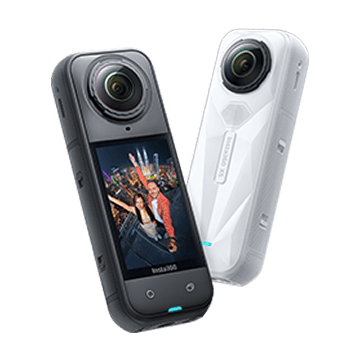
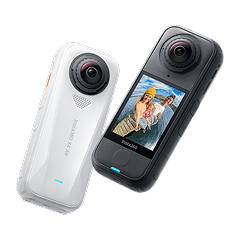
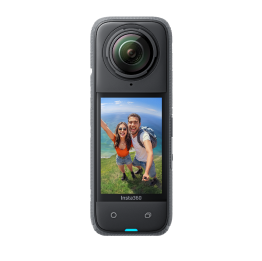
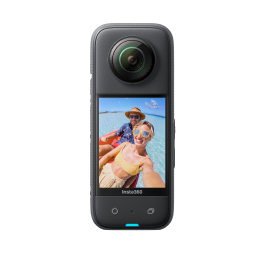
These environments often contain extreme brightness differences that HDR handles particularly well. Creators using HD cameras like Insta360 X5, Insta360 X4, or Insta360 Ace Pro 2 can benefit from HDR when filming outdoor adventures where preserving highlight and shadow detail makes a noticeable difference.
HDR also makes sense when your audience primarily watches content on modern smartphones, tablets, TVs, and HDR-compatible displays.
Stick With SDR When
SDR remains the practical choice in many situations, so don’t overlook it just because there’s something shiny and superior out there. The best-looking content isn't always the one with the most advanced format—it's the one that reaches viewers exactly as intended.
Consider SDR when:
- Fast turnaround matters
- You need maximum compatibility
- You're working with older editing systems
- Content is intended for corporate or educational use
- Platform support for HDR is uncertain
- Simplicity is the priority
Many professional creators still rely on SDR because it offers a consistent experience across nearly every screen. When time matters, and you need a wide reach, the tried and tested is often still the best option.
Getting Your Export Settings Right
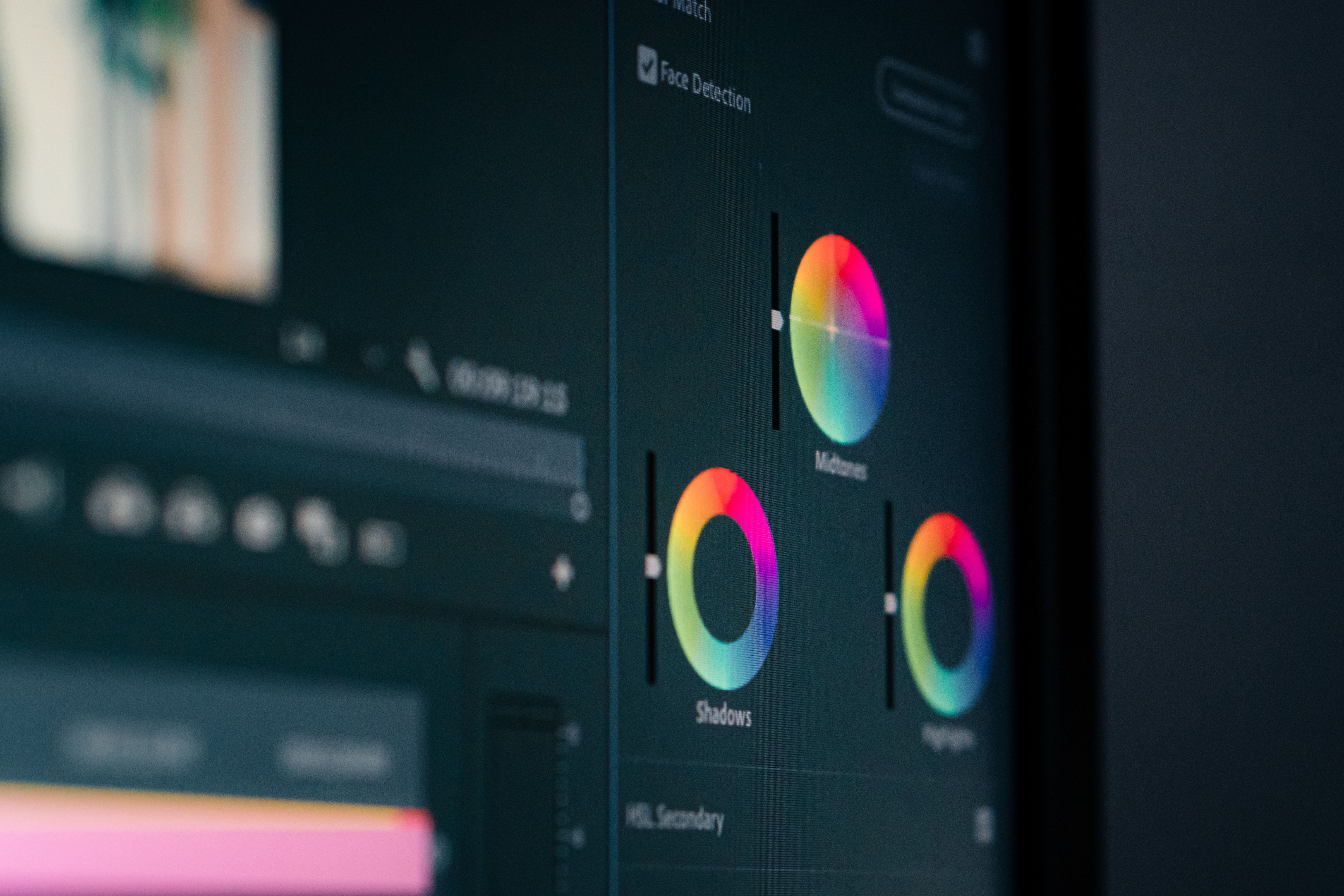
Recording HDR footage is only part of the process. You might think the hard work is out of the way, but really, it’s just beginning. When editing HDR content, start by ensuring your timeline supports HDR. Sounds obvious, but it’s one of the biggest hurdles that can torpedo great footage.
Placing HDR clips into an SDR timeline can strip away many of the advantages captured during recording. Bright highlights may appear muted, shadow detail can disappear, and colors may lose some of the richness that made the footage stand out in the first place.
Next, pay close attention to your export settings. HDR metadata needs to be preserved throughout the workflow so compatible devices know how to display the footage correctly. If that information is lost during export, your video may end up looking flat, overly dark, or washed out—even if it looked perfect inside your editing software.
It's also worth considering where your content will be viewed. Not every platform handles HDR the same way, and some services automatically convert footage depending on device compatibility.
Before publishing, preview your final export on multiple screens if possible. A clip that looks incredible on an HDR-capable smartphone could appear very different on an older laptop or monitor.
Frequently Asked Questions
Does HDR Actually Look Better Than SDR?
In most cases, yes. HDR can produce brighter highlights, deeper contrast, improved shadow detail, and richer colors. When viewed on compatible displays, the result often appears more realistic and immersive. However, good SDR footage can still outperform poorly recorded or poorly exported HDR footage.
Does HDR Video Look Better on All Screens?
Short answer—no. HDR delivers the greatest benefits on displays designed to support it. On SDR screens, content may be converted or tone-mapped, which can reduce the visible advantages. The viewing experience depends heavily on both the display and the platform being used.
Should I Shoot in HDR or SDR on My Action Camera?
For landscapes, travel content, outdoor adventures, and high-contrast environments, HDR is often worth using because it preserves more visual information. For simple workflows, universal compatibility, or projects requiring fast delivery, SDR remains an excellent option.
The Right Format Makes Every Shot Count
So it all comes down to SDR or HDR. One offers your regular dynamic range, with its visual limitations and drawbacks, but its wide-ranging compatibility, and the other offers the opposite; outstanding visuals, but limited compatibility and a more complex workflow.
Think of HDR like a 3D IMAX movie theater. If you’ve got all the right components, i.e, the glasses, it is a showstopping event. If you don’t, it all feels a little flat. Literally. SDR may not be the latest trend, and it might not have the same authentic value, but it’s workable and compatible with just about everything.
Whatever you choose to shoot in, Insta360 cameras give you both options. Stick with the fast, safe option that works everywhere, or walk on the wild side and go with HDR.
Keen to keep up to date on Insta360 stories? Keep an eye on our blog and sign up for our mailing list. You can also contact our Enterprise team directly to see how 360 cameras can benefit your business.




%20(1).svg)


%20(1).svg)

.svg)