































HD stands for High Definition, a high video resolution that offers more precise, crisper and detailed shots than standard definition. Since its introduction in the early 2000s, HD has revolutionized visual quality. It’s become the new standard resolution format for TV screens, cameras and even streaming platforms we know and love.
If you’re shopping for cameras or displays, you need to know what high definition means and how to navigate the terms and resolutions you see as options.
Here’s a simple guide to walk you through the basics so you can make the right buying choice.
Common HD Resolutions
When choosing an HD camera, you must first know the most common high-definition resolutions. They are:
- 720p HD: 1280x720 pixels (basic HD)
- 1080p Full HD: 1920x1080 pixels (the current mainstream standard)
The “p” in the names stands for progressive, which indicates smoother video motion without flicker. 1080i also exists, referring to “interlaced” resolutions that use the same pixel counts but include flickering.
All high-definition formats use a 16:9 widescreen shape, which is wider than the previous 4:3 ratio of older TVs. This ratio is built into the pixel counts to fit modern widescreen displays precisely.
What Is the Difference Between High Definition and High Resolution?
High definition refers to the very specific resolution standards of 720p and 1080p. However, high resolution is a broader term for any resolution above a standard pixel count. High-resolution cameras may have better resolution than standard pixel cameras, but they may not qualify as high definition.

HD typically describes video or display standards, but high resolution can also apply to prints, photos and other media types.
In short, one is a technical specification (HD) while the other is a general description of quality (high resolution).
HD in Broadcast and Streaming
HD is the new standard for broadcasts and streaming platforms. It has completely replaced SD on cable and satellite networks, and streaming services like Netflix, YouTube and Hulu have adopted it as well. It’s now the bare minimum—some streaming even goes higher than that.
It enhances the overall viewing experience and makes TV programs more immersive. Live sports on a high-definition screen make you feel like you’re really there. Evening news is crisper. Your favorite show feels like it’s happening right in front of you, not digitally arranged on a screen.
Images are sharper, frames transition more smoothly and our eyes don’t have to work as hard to process the information we see.
How HD Enhances Visuals
By nature, high definition has a much higher pixel density than standard definition. The more pixels, the more details you can notice and the cleaner the edges of frames look. Beyond that, it also improves the accuracy and depth of colors, reduces the “pixelated” look and eliminates blur that may have been present in SD.
As high definition became the new standard, it provides the perfect canvas for further visual enhancements. High Dynamic Range (HDR) is available on many modern TVs, brightening colors. OLED is also a newer feature, creating deeper blacks to complement the colorful moving images.
Modern high-definition displays also support refresh rates up to 120Hz, making fast-moving scenes appear less clunky during action sequences or sports broadcasts. The higher refresh rate technology pairs perfectly with a higher pixel density, delivering a sharper and more fluid viewing experience than traditional displays.
HD in Gaming and Content Capture
TV isn’t the only medium that’s been upgraded by HD. When video gaming developers started integrating this technology into their programs, gaming consoles responded by standardizing their equipment for high definition output. Now, first-person POV game scenarios feel more real than ever. Your favorite game’s final boss is no longer a vague figure—now, you can see all its features in crystal clear detail, upping the ante and increasing the excitement with every play.
When HD was introduced, content creation also got a leg up. One of the best parts is that you don’t need a professional camera to enjoy the benefits. Most smartphone cameras now shoot in HD by default, and some even have additional high-definition features like electronic image stabilization and HDR recording.
This became the bare minimum for creators who wanted to increase the quality of their content. Even livestreaming can happen in HD, enhancing streams with unparalleled clarity compared to the often pixely and buffering streams of the past.
Beyond HD: UHD/4K and the Push for Higher Pixel Counts
Now that HD has become a universal standard, media is starting to evolve even further. Once the industry saw the difference better resolution could make, it began pushing for even higher pixel counts.
Now, we see 4K UHD everywhere, which offers 3840x2160 pixels (a full four times higher than full HD resolution). This upgrade includes both brighter images and even finer detail. 4K cameras, at-home streaming platforms and video games are now available to the masses. The next milestone is 8K, which is still emerging but developing rapidly.

The higher our pixel counts, the more future-proof our content and equipment will be. TV screens are only getting larger, but quality can suffer without higher resolutions. As we expand into higher formats, we must prioritize storage and bandwidth considerations, as files that get too large may be challenging to use.
Frequently Asked Questions
What Does HD Mean in Cameras?
HD refers to a camera’s ability to record in 720p or 1080p video, the two standard HD formats. The camera’s sensor resolution is what affects HD quality output, so it’s different than the megapixel ratings used to describe displays.
Is HD Really Better Than SD?
HD is better than SD regarding image sharpness, color reproduction, brightness and detail preservation. You might not even realize the difference until you see SD on a modern display—it will look outdated. We’ve become accustomed to HD quality.
Is a 2K or HD Camera Better?
While both 2K and HD cameras are high-quality, 2K (2048x1080) pixels are still slightly better than Full HD. Still, the images created by both cameras will have a minimal visual difference for most users. If you’re considering one or the other, consider factors like low-light performance, features and stabilization to help make your decision.
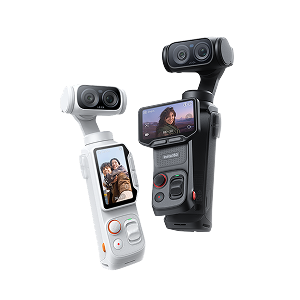
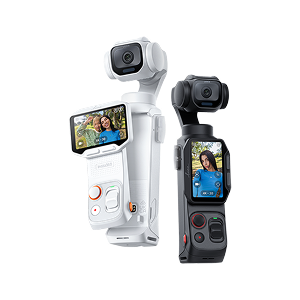
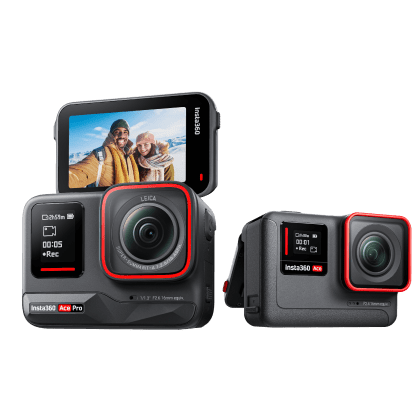
Ready to Explore with Insta360's Cameras?
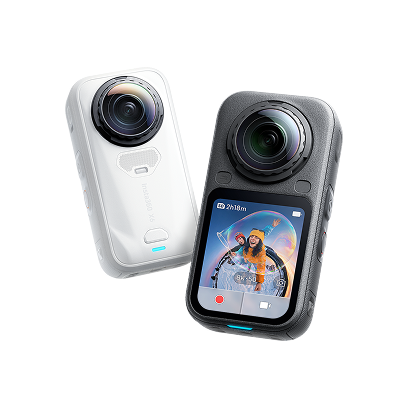
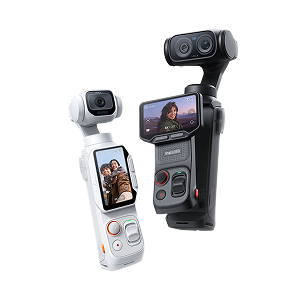
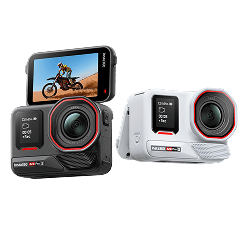
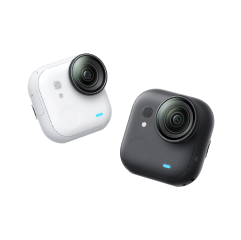
Understanding HD allows you to appreciate its benefits more. It’s an essential baseline for quality visuals today, but without knowing what it means, it can get lost in a sea of specifications. High definition redefined what having a sharp, bright and realistic video means. If you’re ready to capture stunning HD content, try out your skills with your pick from Insta360’s HD camera lineup.
Keen to keep up to date on Insta360 stories? Keep an eye on our blog and sign up for our mailing list. Got a story to share? Email yours to communitystories@insta360.com and win up to US$50.







%20(1).svg)


%20(1).svg)

.svg)