










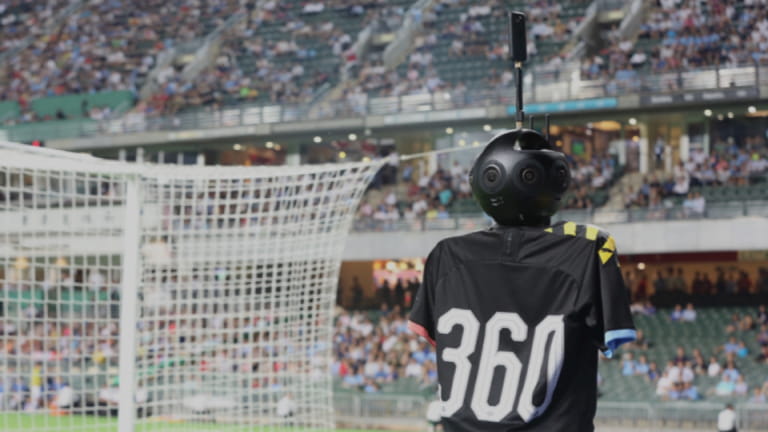










Bad audio ruins good footage. It doesn't matter how sharp your lens is or how stable your shot looks. If the sound is full of wind, hum or background noise, viewers won't stick around. Understanding how noise cancelling actually works helps you make smarter choices about gear, settings and technique.
Here's a clear breakdown of the technology behind clean audio in video recording.
Why Clear Audio Matters More Than Ever in Video Content
Viewers can forgive a shaky frame or imperfect lighting, but poor audio loses audiences fast. Studies show that sound quality has a measurable impact on how viewers rate video content overall, poor audio drags down perceived quality even when the image is fine.
As more creators flood every platform with content, clean audio has become a baseline expectation. Whether you're shooting travel vlogs, action sports, product reviews or tutorials, sound shapes how professional your content feels.
Shooting in uncontrolled environments means dealing with wind, crowd noise, engine rumble and mechanical vibration. That's where noise cancelling technology earns its place.
What Is Noise Cancelling in Audio Recording?
Noise cancelling refers to any technology or technique that reduces or eliminates unwanted background sound from a recording. The goal is to isolate the audio you want - a voice, an instrument, ambient atmosphere - and suppress everything else.
The Difference Between Noise Cancelling and Noise Reduction
These two terms often get used interchangeably, but they describe different processes. Noise reduction typically refers to post-processing, software removes or lowers unwanted sounds after the recording is made. Noise cancelling works in real time, actively preventing unwanted sound from entering the recording in the first place. Think of it as prevention versus cure.
Passive vs. Active Noise Cancellation
Passive noise cancellation relies on physical barriers, including foam windshields, directional microphone design, or careful camera placement, to block sound before it reaches the microphone element. No power or processing required.
Active noise cancellation (ANC) is more sophisticated. Electronics and algorithms analyze incoming audio and generate an opposing signal that cancels out the noise. ANC is especially effective against low-frequency, continuous sounds like engine rumble, air conditioning or steady wind.
How Microphones Isolate Important Sounds
Modern microphones use directional pickup patterns - cardioid, hypercardioid, supercardioid - to focus on sound from a specific direction while rejecting noise from others. Multi-microphone systems take this further by combining inputs from multiple capsules to build a cleaner, more focused audio picture.
How Active Noise Cancellation Technology Works
Active noise cancellation works on a principle called destructive interference. Every sound is a wave, a series of compressions and rarefactions moving through the air. When two identical waves meet perfectly out of phase, they cancel each other out.
ANC systems exploit this by capturing ambient noise with a feedforward microphone, analyzing its waveform in real time, generating an inverted anti-phase version and injecting it into the audio path. This all happens in milliseconds, the system dramatically reduces or eliminates steady background noise before it reaches your recording.
ANC performs best on predictable, low-frequency sounds. High-frequency or sudden noises are harder to cancel, which is why multi-microphone arrays and AI processing have become so important in modern camera audio systems.
How Multi-Microphone Systems Improve Audio Clarity
A single microphone captures everything in its pickup pattern, capturing both wanted and unwanted sound alike. Multi-microphone systems solve this by using several capsules at different angles to gather spatial audio data, then processing those inputs together.
The technique, known as beamforming, uses timing differences between microphones to calculate where sounds are coming from. The system amplifies sounds arriving from the target direction and suppresses sounds from others.
Research on multi-microphone noise cancellation has shown that multi-mic arrays can achieve performance far beyond what's possible with a single capsule.
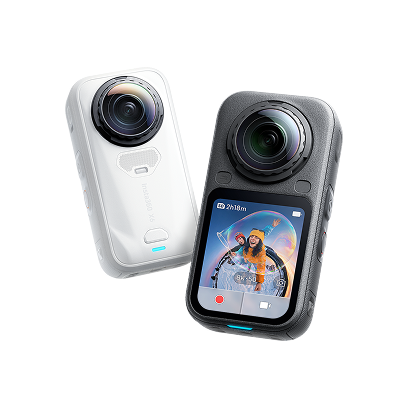
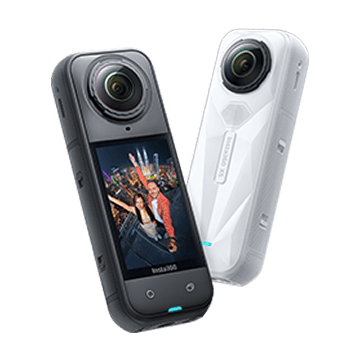
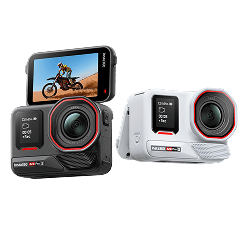
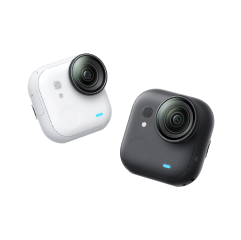
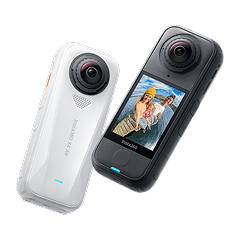
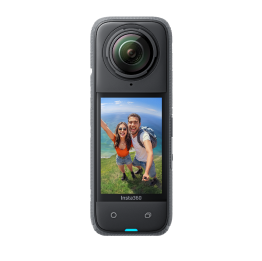
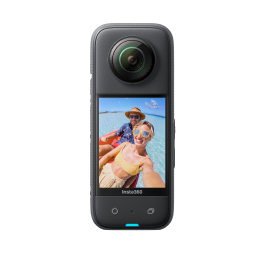
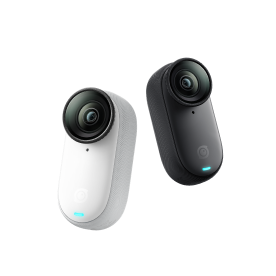
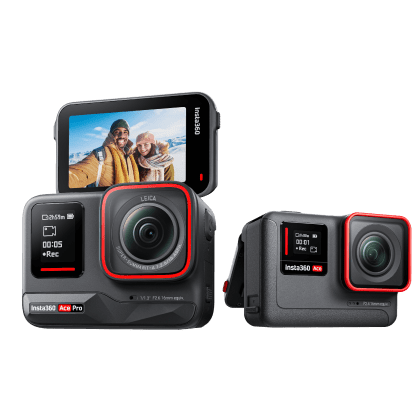
Insta360 X5 and Insta360 X4 both feature dual-microphone arrays designed to handle complex audio environments. Insta360 Ace Pro 2 and Insta360 GO 3s also incorporate directional audio capture, giving creators cleaner results even without external accessories.
The Biggest Audio Challenges for Video Creators
Even with good gear, audio can fall apart fast in real-world conditions. The most common problems include:
Wind noise: The number-one enemy of outdoor recording. Wind causes turbulence at the mic capsule, generating low-frequency rumble that drowns out everything else.
Background crowd noise: In busy public spaces, the ambient murmur of people and traffic competes directly with the sounds you want to capture.
Mechanical vibration: Cameras mounted to bikes, boards or vehicles pick up motor vibration and road noise through physical contact.
Distance from the subject: Every extra meter between mic and source means more room noise relative to the signal.
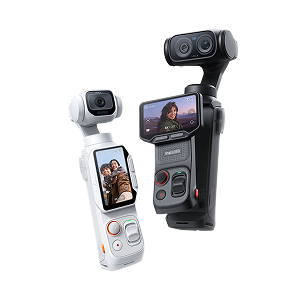
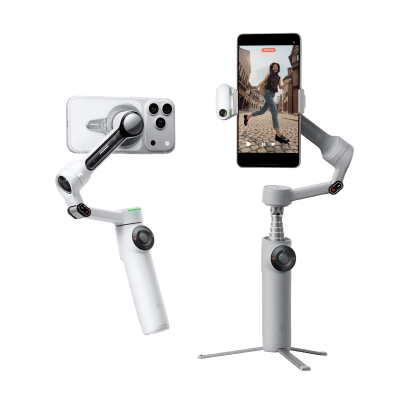
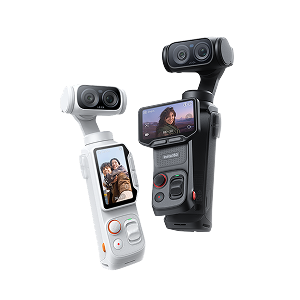
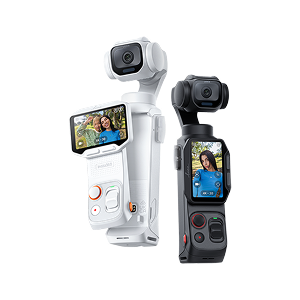
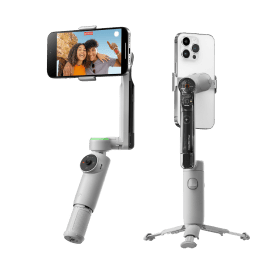
Insta360 Flow 2 Pro includes built-in stabilization that reduces mechanical vibration at the source, indirectly improving audio by keeping the camera steady.
Tips for Recording Cleaner Audio in Any Environment
You don't need a studio to capture professional-sounding audio. These practical changes make a significant difference:
Get the mic closer to your subject. Distance is the enemy: every extra meter means more room noise in the mix.
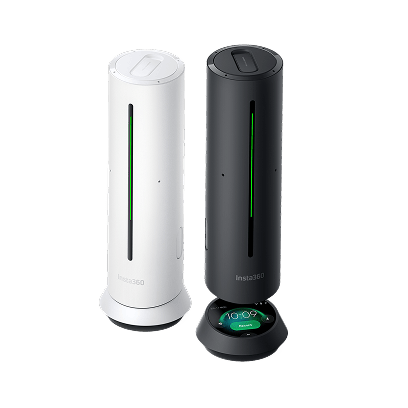
Use a windshield outdoors. Even a foam cover dramatically reduces wind turbulence. Insta360 GO Ultra and Insta360 Wave are built for environments where wind is a constant factor.
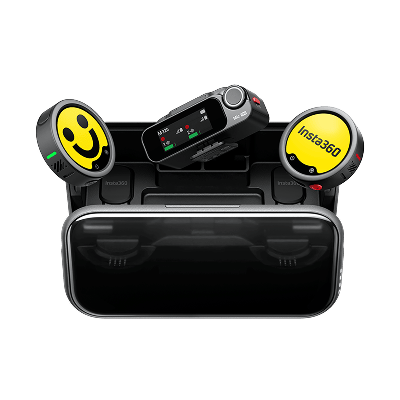
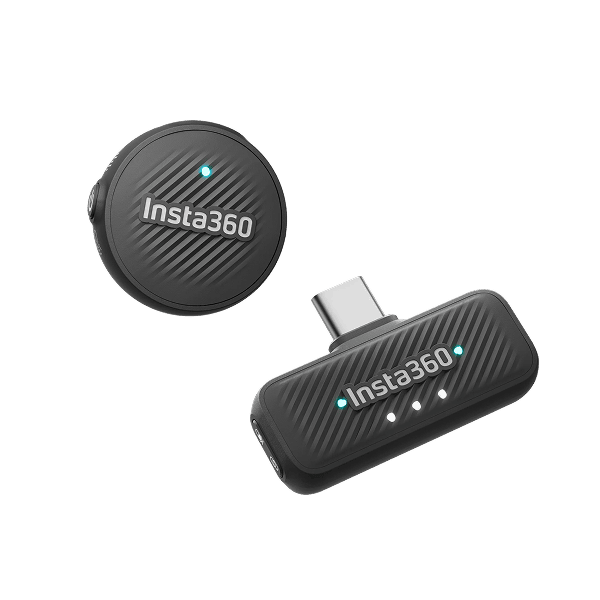
Add a dedicated microphone. Insta360 Mic Pro delivers professional-level sound capture designed to work specifically with Insta360 cameras.
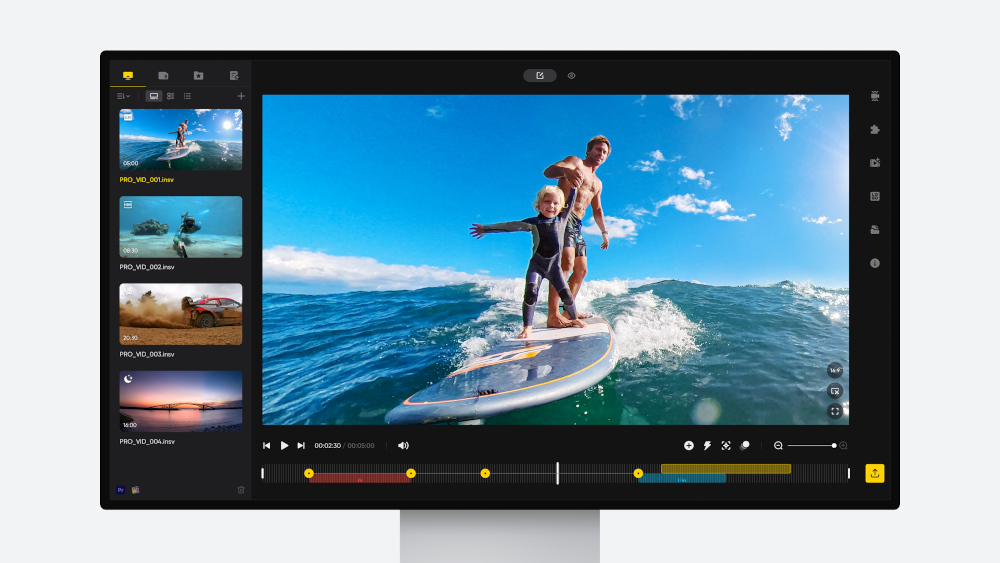
Sync audio in post. If you record audio separately on a dedicated recorder, syncing it in Insta360 Studio is straightforward, giving you the flexibility to capture better audio without compromising your camera setup.
Shoot in quieter windows. Early morning hours or off-peak times can reduce ambient noise without any gear changes.
How AI Is Changing the Future of Noise Cancellation
Traditional ANC systems rely on predictable noise profiles and struggle with variable or complex acoustic environments. AI-driven noise cancellation changes that by learning to distinguish speech or target audio from background noise at a deeper level.
Machine learning models trained on vast audio datasets can now identify and suppress specific noise types - crowd chatter, traffic, wind - while preserving the natural qualities of a voice. Unlike rule-based filters, AI models adapt to new acoustic situations rather than relying on predefined frequency curves.
As AI processing gets integrated directly into cameras and microphones, the gap between field recording and studio quality continues to narrow.
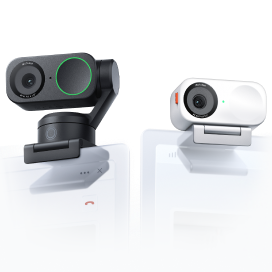
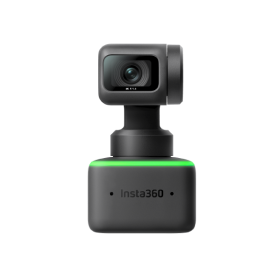
Insta360 Link 2, designed for desktop and remote video, already incorporates AI-powered processing to optimize image and audio quality in real time, reflecting the direction the whole category is heading.
Capture Cleaner Audio With Smarter Noise Cancelling Technology
Understanding how noise cancelling works puts you in a better position to make smart decisions about gear, location and technique. Whether you rely on built-in mic arrays, AI processing or dedicated accessories, the goal is always the same: less noise, more signal, cleaner results.
Insta360 cameras are built with audio performance in mind, from the dual-mic arrays in Insta360 X5 and Insta360 X4, to the action-ready design of Insta360 GO 3s, to the AI-powered capabilities of Insta360 Link 2. Pair any of them with Insta360 Mic Pro and you have a field recording setup capable of handling almost any environment.
Explore the full range of Insta360 cameras and find the right setup for the audio quality your content deserves.
Frequently Asked Questions
How Does Active Noise Cancellation Differ From Passive?
Passive noise cancellation uses physical materials and microphone design to block sound before it reaches the capsule. Active noise cancellation uses electronics to analyze ambient noise and generate an anti-phase signal that cancels it out in real time. Most professional-grade mics and cameras combine both approaches for the best results.
What Are the Limitations of Noise Cancellation Technology?
Noise cancellation works best on consistent, low-frequency sounds like engine hum or air conditioning. It struggles with sudden, high-frequency or highly variable sounds, like a shouted conversation or a slamming door. Distance from the target source also limits effectiveness.
How Does Active Noise Cancellation Remove Background Sound?
ANC captures ambient noise with a separate microphone, analyzes its waveform and generates an inverted signal at the same frequency. When the two signals combine, they cancel each other out through destructive interference, reducing or eliminating the background noise before it reaches the final recording.
Can AI Improve Audio Quality in Video Recording?
Yes. AI audio processing identifies and suppresses specific noise types, including crowd noise, wind, and mechanical hum, while preserving the target audio. As models become more sophisticated, they handle complex, variable environments that traditional ANC systems can't adapt to.
Keen to keep up to date on Insta360 stories? Keep an eye on our blog and sign up for our mailing list. Got a story to share? Email yours to communitystories@insta360.com and win up to US$50.
Your shot. Your world. The Insta360 Global Awards 2026 supported by Leica are officially open. Join creators worldwide and compete across six categories (Street, Travel, Life, Portrait, Sports, and Night) for your share of a US$150,000+ prize pool, including cash prizes and Insta360 gear. Submit your best video or photo at insta360.com/awards.





%20(1).svg)


%20(1).svg)

.svg)