


















Clear audio is non-negotiable. It's easy to fixate on getting the images just right, but there's no faster way to lose viewers than audio that sounds like it was recorded in a laundromat. Lavalier microphones combine ease of use with outstanding quality. Here's what they are, how they work and how to choose the right setup.
Key Takeaways
- A lavalier microphone is a small clip-on microphone designed to capture clear, natural speech.
- Wireless lavalier microphones give creators greater freedom to move while maintaining high-quality audio.
- Choosing the right microphone depends on your recording style, equipment and future production needs.
What Is a Lavalier Microphone?
A lavalier microphone, also called a lapel mic or clip-on mic, is a compact microphone that attaches to your clothing to record clear speech while staying discreetly out of frame.
Because it's positioned close to your mouth, it captures your voice more consistently than a built-in camera microphone, even as you move around.
Lavalier microphones have long been used in broadcasting, filmmaking and theater, and they're just as valuable for modern content creators—ensuring high audio quality whether you're filming a travel vlog, a tutorial, an interview or a livestream.
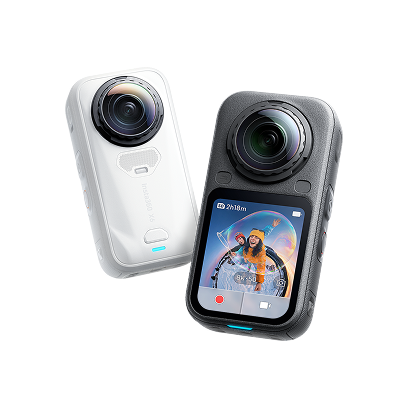
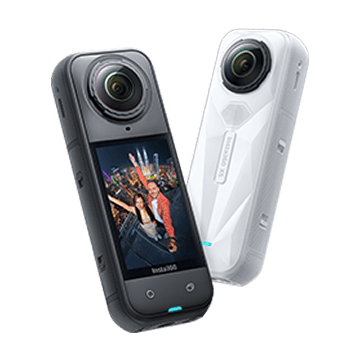
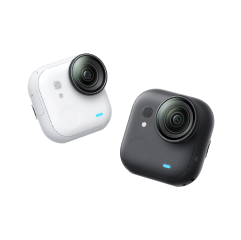
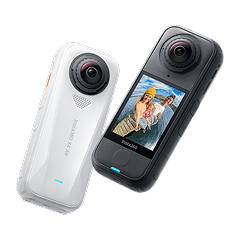
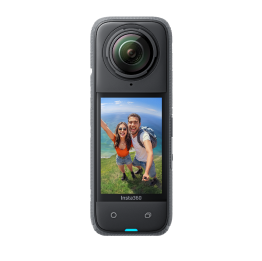
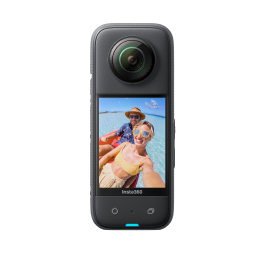
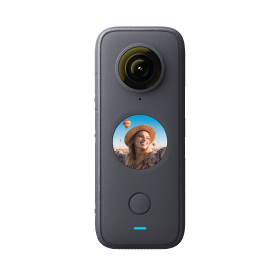
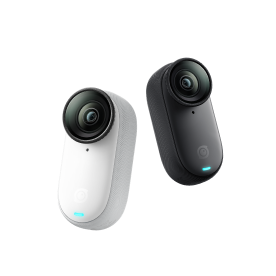
Wireless models have become especially popular because they cut the cable without costing you audio quality. Pair one with a camera like Insta360 X5 or Insta360 GO Ultra, and you can walk, talk and create naturally while keeping your voice front and center.
How Does a Lavalier Microphone Work?
Despite their tiny size, lavalier microphones work like any other microphone: a small diaphragm inside the capsule vibrates in response to sound waves and converts that movement into an electrical signal
With a wired lavalier microphone, the signal travels through a cable into your camera, recorder or smartphone. Digital wireless microphone systems replace that cable with a small transmitter clipped to your clothing, sending the audio to a receiver connected to your camera or mobile device.
Pairing takes a few seconds once you've done it once, and our setup guide walks through it step by step.
For creators, the biggest benefit is consistency. With the microphone staying the same distance from your mouth, your voice remains balanced even if you turn your head, walk toward the camera or gesture naturally.
Wired vs Wireless Lavalier Microphones
Both wired and wireless lavalier microphones can produce excellent results, but the right choice depends on how and where you record.
| | Wired | Wireless |
| Setup | Plug directly into a device | Pair a transmitter and receiver |
| Freedom of Movement | Limited by cable length | Excellent for moving around |
| Audio Quality | Excellent, with no risk of interference or dropouts. | Excellent on modern digital systems, with range and battery to manage. |
| Best For | Desk setups, interviews, voiceovers | Vlogging, filmmaking, presentations, travel |
Omnidirectional vs Directional
The other spec you'll see quoted is the pickup pattern, and for lavalier mics it usually comes down to two options.
Most lavalier microphones are omnidirectional, meaning they capture sound from every direction. They don’t need to point directly at your mouth, so they’re easier to position on clothing and deliver consistent audio as you move.
A directional lavalier microphone focuses on sound coming from a specific direction while reducing background noise. It can produce cleaner recordings in noisy environments, but it needs more careful placement to perform at its best.
For most beginners, an omnidirectional lavalier microphone offers the simplest and most forgiving recording experience.
Where to Clip a Lavalier Microphone
Even the best microphone can't compensate for poor placement. Correct placement reduces clothing noise and keeps your voice clear.
For the best results, clip your microphone:
- About 6-8 inches (15-20cm) below your mouth
- On a shirt placket, jacket lapel or collar
- Where clothing won't rub against the microphone
- Away from necklaces, scarves or long hair that could create unwanted noise
If you're filming outdoors, consider using a small windscreen to reduce wind interference. A few extra seconds spent on placement will do more for your audio than anything you can fix in the edit.
When to Use a Lavalier Microphone
Some microphones are designed for controlled studio environments. A lavalier microphone is built for creators who need to move.
Because it's clipped to your clothing, a lavalier microphone keeps your hands free while capturing consistent audio, whether you're walking through a market, demonstrating a recipe or interviewing someone on location.
They're a popular choice for a wide range of content, including:
- Travel vlogs
- Interviews
- YouTube videos
- Tutorials
- Livestreams
- Corporate presentations
- Documentary filmmaking
- Fitness and outdoor content
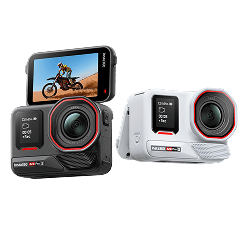
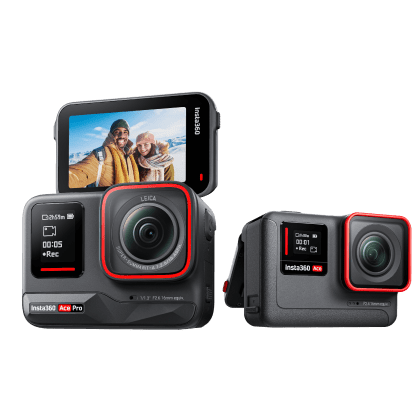
If you're filming with Insta360 Ace Pro 2 or capturing hands-free perspectives using Insta360 GO Ultra, a wireless lavalier microphone helps your voice remain clear while your camera focuses on the action.
Lavalier Microphone vs Other Mic Types
Different microphones are designed for different situations, and there’s more than one option on the market.
While a lavalier microphone excels at capturing speech from a single person, other microphone types may be better suited to recording distant subjects, ambient sound or larger environments.
| Mic Type | Best For | Tradeoff |
| Lavalier | Talking directly to camera, interviews, presentations | Can pick up clothing noise if positioned incorrectly |
| Shotgun | Filmmaking, interviews from a distance, directional recording | Must remain pointed toward the speaker |
| On-camera mic | General-purpose video recording | Captures more surrounding noise and sits farther from the speaker |
What to Look for When Buying a Lavalier Microphone
Choosing your wireless lavalier microphone doesn't have to be complicated. Think about how and where you create content: if you film while walking, traveling or presenting, wireless offers far more freedom than wired.
Also consider battery life, wireless range and device compatibility across cameras, smartphones, tablets and computers.
Compatibility is just as important as sound quality. Some microphones pair directly with supported cameras, while others use a receiver for greater flexibility across multiple devices. If you expect your content to evolve from solo videos to interviews or podcasts, choosing an expandable system can save you from upgrading your entire setup later.
Insta360 Mic Air: A Lavalier Mic Built for Creators
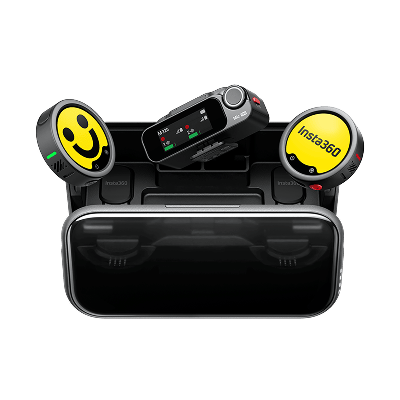
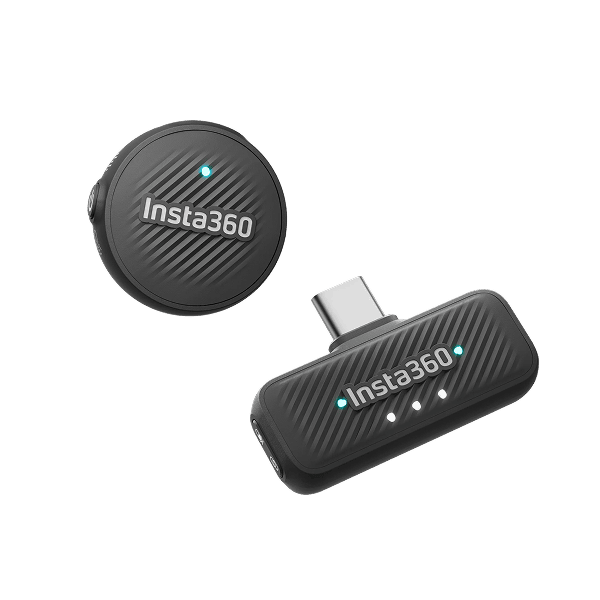
Once you understand what makes a great lavalier microphone, the next step is choosing one that fits the way you create. Insta360 Mic Air is designed with exactly that in mind, combining a lightweight design with the freedom of wireless recording for creators on the move.
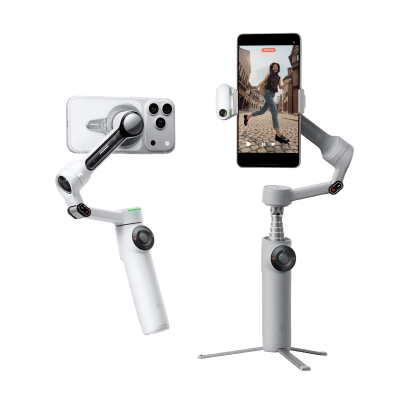
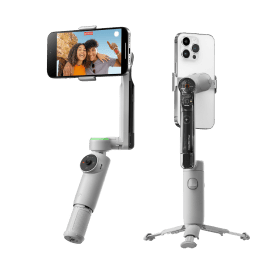
Insta360 Mic Air pairs directly with Luna Ultra, X5, X4, X4 Air, Ace Pro 2 and GO Ultra, so there's no receiver to carry and nothing to set up beyond clipping it on. If you record across multiple devices, receiver bundles expand compatibility to USB-C smartphones, tablets and computers, plus Insta360 Flow series gimbals and other cameras, making it easy to adapt your workflow as your projects grow.
Insta360 Mic Air also fits naturally into the wider Insta360 ecosystem. Whether you're filming with Insta360 X5, Insta360 X4, Insta360 Ace Pro 2 or Insta360 GO Ultra, it provides a simple way to capture clear dialogue without adding unnecessary bulk to your kit.
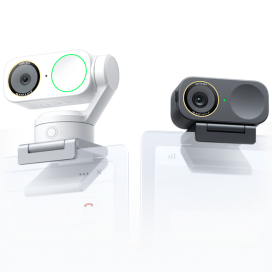
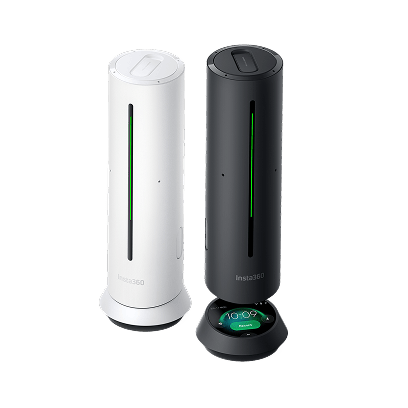
Creators who also use Insta360 Link 2 for meetings or livestreams, or Insta360 Wave for capturing meetings, can build a complete audio and video workflow using the same creator-focused ecosystem.
Frequently Asked Questions
What Is the Difference Between a Lavalier Mic and a Clip-On Mic?
In most cases, there's no difference. A clip-on mic is simply another name for a lavalier microphone. Both refer to a small microphone that clips onto your clothing to capture clear speech. While "lavalier" is the technical term, "clip-on mic" is commonly used by creators and consumers alike.
Can You Use a Lavalier Mic With a Smartphone?
Yes. Many modern lavalier microphones are compatible with smartphones, either through direct wireless pairing or by using a receiver connected via USB-C. If you regularly create content on your phone, be sure to choose a microphone that's compatible with your device and recording app.
Where Is the Best Place to Clip a Lavalier Microphone?
For the clearest sound, clip your lavalier microphone about 6–8 inches below your mouth, typically on a shirt placket, collar or jacket lapel. Keep it away from necklaces, scarves or loose clothing that could rub against the microphone and introduce unwanted noise into your recording.
Good Audio Starts With the Right Mic, and a Lavalier Makes It Easy
Whatever you're creating, whether that's travel content, in-depth interviews or street interviews, a great microphone should be one of your first considerations. A lavalier microphone is one of the easiest ways to improve your audio: compact, clear and hands-free.
Check out Insta360's collection of wireless lavalier microphones and say goodbye to scratchy, muffled audio. Say hello to audio that sounds the way it always should have.





%20(1).svg)


%20(1).svg)

.svg)