



















Most recording doesn’t happen in perfect, controlled environments.
You’re moving, dealing with background noise, working around unpredictable situations. That’s where wireless lavalier microphones come in. They keep your audio usable without tying you to a fixed setup.
But not all systems handle real-world recording the same way.
Why Choosing the Right Wireless Lavalier Microphone Matters
Good audio is typically easy to overlook until it fails.
You can get away with imperfect visuals. You can’t get away with audio that cuts out, distorts, or disappears into background noise. Once it’s gone, there’s not much you can do to fix it.
Wireless lavalier microphones make recording more flexible. You’re not stuck behind a desk or holding a mic. You can move naturally and still capture clean speech.
The difference between systems shows up in those less predictable moments. Crowded environments, movement, sudden changes in volume. That’s where weaker setups start to fall apart.
Choosing the right one is less about specs and more about consistency. Instead, it’s more about removing friction, reducing risk, and making sure every take is something you can actually use.
Audio Quality: The Most Important Factor
This matters above all else. A microphone should live and die by its audio quality. Listeners will tolerate a frame that shakes or a shot that isn’t perfectly lit—but unclear, inconsistent sound is where they drop off.
A great lavalier microphone captures your voice well, regardless of what’s happening around you. Whether you turn your head, look down, get up or sit down, the audio should stay steady through all of it—no sudden dips, no harsh spikes, no creeping background noise.
Omnidirectional pickup helps maintain balance as you move, while advanced noise reduction works to separate your voice from everything around you. In real-world recording—wind, traffic, crowded spaces—it’s like having your very own sound engineer with you, altering levels and maintaining quality.
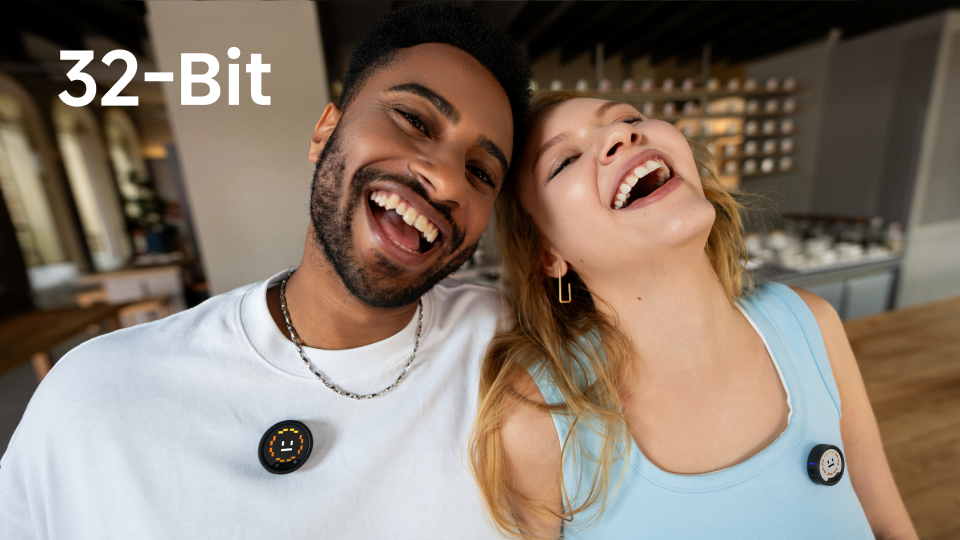
Then there’s audio headroom—which is a stylish way to describe the safety margin between an audio signal's nominal operating level and the maximum level a system can handle before distortion occurs. Sudden laughter, raised voices, or unexpected peaks can easily push through that headroom, but 32-bit float recording protects against that, capturing a wider dynamic range, so your audio stays intact even when levels jump unexpectedly.
Wireless Range & Signal Stability
Another hugely important factor. Wireless range often looks impressive on paper, but some models struggle when they are taken out of perfect conditions, i.e, a clear day with absolutely no obstructions. The moment you introduce walls, crowds, or competing signals, things change fast.
Maximum distance looks great, but what you’re really looking for is solid consistency. If anything, a model with a slightly lower maximum range with strong stability is preferable over one with an impressive range that rarely holds up. Strong transmission systems reduce interference, maintain clarity across changing environments, and recover quickly if conditions shift.
Battery Life & Charging
Battery life is something you never give much thought to until the battery symbol starts flashing, and you get that sinking feeling that you left the charger at home. A wireless lavalier microphone should comfortably handle extended recording without forcing you to constantly check levels or swap gear mid-shoot.
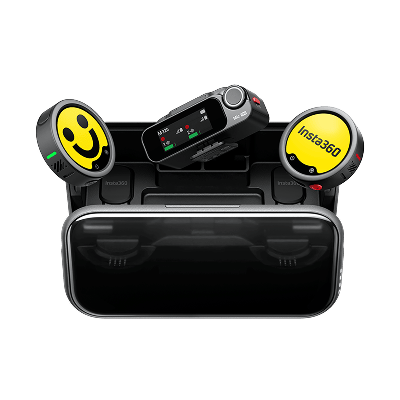
Charging is hugely important, too. Systems with dedicated charging cases make a difference—keeping everything powered between sessions and extending total runtime across a full day or more. Fast charging adds another layer of flexibility, giving you usable power in minutes when time is tight.
Device Compatibility
Compatibility shapes how easy the system is to use.
Most modern microphones support both iPhone and Android, but connection types still vary. USB-C is now standard on many devices, while some setups still rely on Lightning or adapters.
If you’re only using one device for everything you do, that means a single method, which is simple enough. However, if you’re creating across various formats, recording a talking-head segment one day, filming on-location the next, or building content while traveling, you want something that easily adapts to different devices quickly.
Ease of Use & Setup
If setup slows you down, you’ll use it less.
A wireless lav mic should be quick to get running. Power it on, clip it in place, and start recording.
Complicated pairing or menu-heavy setups defeat the purpose.
On-device controls also help. Being able to mute or adjust levels directly from the transmitter keeps you focused on recording instead of troubleshooting.
Single vs Dual Microphone Systems
If you’re recording solo, a single transmitter is often all you need. It keeps your setup light, fast, and focused, perfect for direct-to-camera content, voiceovers, or on-the-go recording where simplicity matters most.
However, as soon as you introduce more voices, things get more complicated. A dual microphone system lets you capture each speaker clearly, without overlap, without fighting for audio space, and without compromising clarity.
The beauty of this really becomes apparent during post-production. Separate audio tracks give you the freedom to balance levels, remove interruptions, and shape the conversation exactly how you want it to sound. Without that separation, you’re locked into whatever the recording captures.
If you want to take things one step further, with say, panels, podcasts, or multi-person shoots, systems that support multiple transmitters are an absolute must. Without it, things can easily get jumbled, and when it comes to audio, nobody wants jumbled.
Advanced Features
Not essential, but useful depending on how you record.
Onboard storage is one of the most practical features. If the wireless signal drops, your audio is still captured locally as a backup.
More advanced systems also handle noise better, isolating your voice in busy environments and keeping levels more consistent as you move.
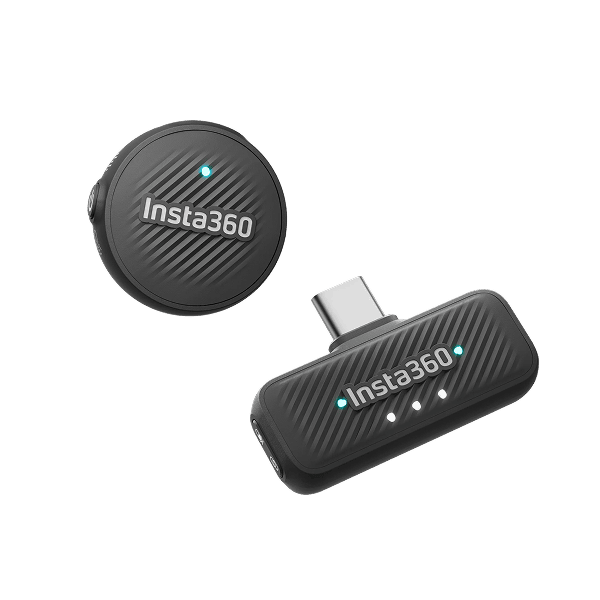
With Insta360 Mic Pro, these features aren’t separate add-ons—they work together in the background. AI-driven noise reduction keeps distractions out, auto-gain smooths out sudden volume changes, and 32-bit float recording removes the risk of clipping entirely. You’re not adjusting settings mid-recording or second-guessing your levels—you’re simply capturing clean, reliable audio every time you hit record.

Great Audio Comes from the Right Features and Setup
Audio is one of those things you don’t notice until it’s bad. When everything clicks, when the sound is smooth and continuous without any kind of distortion, it just feels like that’s how it should be. However, when the sound drops, when voices cut out, and when everything develops that metallic sound, it’s annoyingly glaring.
Great audio comes down to the right equipment and setup, but that might vary from situation to situation. Wireless lavalier microphones are redefining what’s possible with small, portable pieces of equipment capable of delivering quality once reserved for studios. Insta360 Mic Pro stands at the very edge of that shift.
So if you’re new to the world of content creation, or maybe starting a vlog, don’t skimp on great audio, it can make a huge difference to your final video.
Frequently Asked Questions
Do Lavalier Mics Work With Phones?
Yes—most modern wireless lavalier microphones are designed to work seamlessly with smartphones. Many systems connect directly via USB-C or Lightning, while others use a small receiver that plugs into your device.
Why Won’t My Lavalier Microphone Work on My iPhone?
The most likely cause is compatibility or permission. Some microphones require specific adapters, especially with Lightning-based devices, and without the correct connection, your phone won’t recognize the mic. If your recording app doesn’t have access to external audio input, the microphone may not function as expected.
Keen to keep up to date on Insta360 stories? Keep an eye on our blog and sign up for our mailing list. You can also contact our Enterprise team directly to see how 360 cameras can benefit your business.







%20(1).svg)


%20(1).svg)

.svg)