














When you vlog, you are sharing your way of seeing the world.
Whether you're backpacking through Asia, sharing recipes, or reviewing consumer tech, your vlog lets others see through your lens. Because it’s such a personal expression, though, it can be hard to get started. You probably wonder if you are interesting enough, or if people will like to watch your content.
Here's the thing, even the most popular vloggers have all had the same questions at one time or another. For many these questions don't go away. It is important to remember that the reason vlogging has become such a popular format is because it is personal, and authentic, and unique to the personalities who share themselves online.
Your content won't be for everyone, and that's ok. Audiences are diverse and, more than anything, what resonates is realness.
So, What Is Vlogging Today?
Vlogging is about sharing stories. These stories might be based on your daily life, niche hobbies, behind-the-scenes in your job, or just about your strongly held opinions!
There's no rules about the type of content you can make, and these days it's no longer limited to long-form YouTube either. Today, creators thrive across YouTube, TikTok, Instagram Reels, and Shorts. Some go wide and cinematic, others vertical and scrappy. Both work.
Vlogging today is about clarity and character (yours to be precise!).

How to Start a Vlog
Step 1 – Pick Your Platform(s) and Format
Different platforms support different kinds of storytelling. Some creators post in one place, but many share content across platforms, customizing the same footage for each. Even if one channel becomes your core, cross-posting can build reach and help you grow your audience on your core platform. Most viewers don't only use just one platform.
These are the top platforms and how they stack up:
YouTube
- Best for: Long-form content, detailed storytelling, monetization through ads
- Pros: Searchable content, strong discovery, high video quality support, revenue options
- Cons: Super competitive, so slower to build an audience. More time-intensive to produce and edit
TikTok
- Best for: Short, viral clips, behind-the-scenes, fast reactions
- Pros: Quick growth potential, endless discovery feed, mobile-first tools
- Cons: Also highly competitive, algorithm shifts often, short shelf life for each post
Instagram Reels
- Best for: Personal lifestyle content, polished short-form
- Pros: Great for visual branding, integrates with stories and feed, creator tools improving
- Cons: Lower organic reach than TikTok though this is changing as Insta content is now more accessible to Google
YouTube Shorts
- Best for: Repurposing vertical content to grow a new audience
- Pros: Uses existing YouTube channel, supports discovery for long-form videos
- Cons: Monetization is limited, algorithm favors retention rather than depth
Facebook Video
- Best for: Regional audiences, older demographics, family content
- Pros: Easy cross-posting from Instagram, strong in some regions
- Cons: Less relevant to younger creators, comments can be spam-heavy
You don’t have to pick just one. Many creators record one story and cut it in different ways for different formats. Start with the one that fits your style, then expand as you find your rhythm.
Step 2 – Choose Your Vlog Niche and Personal Style
This is where many first-time vloggers overthink. Just ask yourself, what do you already talk about when no one's asking?
Your niche isn't just the topic, it's also the approach. Two creators can make travel content, but one might focus on budget city guides while the other explores slow solo journeys. Your personal style is what gives the niche flavor. Infact, the more personality you inject into your content the better.
These are the most popular vlog content types:
- Lifestyle: Wide variety of topics, personality-driven, and relatable content. Viewers often follow the creator more than the topic.
- Travel: Visually engaging, good for gear reviews and storytelling. Requires planning and time.
- Tech/Product Reviews: Great for affiliate revenue. Requires detail, clarity, consistency and domain expertise.
- Parenting/Family: High trust and loyalty potential. Must balance privacy and storytelling.
- Creative Persuits: Art, design, music, or even coding! These types of niches are great for behind-the-scenes content.
- Food/Cooking: Visually satisfying, and wildly popular on all the social platforms. Needs clean visuals and clear steps.
Consistency in tone builds recognition. Whether you're sarcastic, introspective, quick-talking, or gentle, keep it authentic and consistent. It helps viewers know what to expect, and keeps you grounded in your own delivery.
Step 3 – Decide How You’ll Shoot: Camera vs. Smartphone
Smartphone Vlogging
Your phone is enough. Most newer models shoot in 4K and handle low light reasonably well. Here's how to level up if you are filming with your phone:
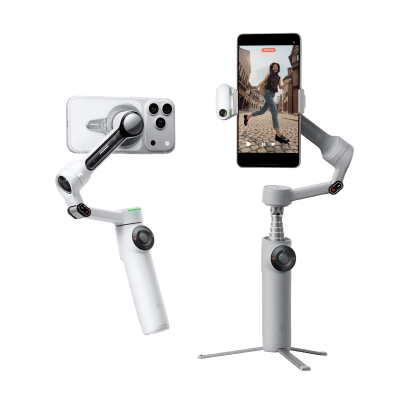
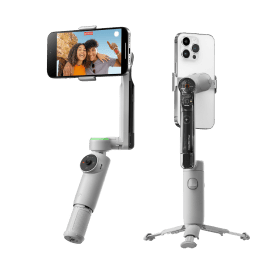
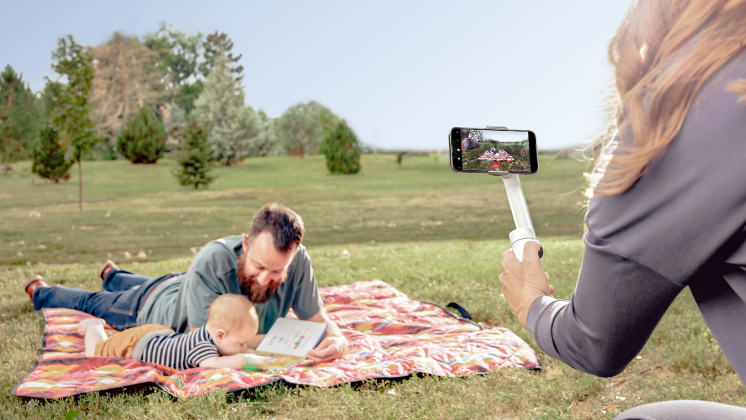
- Use a gimbal to stabilize your phone and track you automatically. Insta360 Flow 2 Pro has built in DockKit support which means it does AI powered subject tracking in the native iPhone camera app as well as >200 other iOS apps. That's right, it will automatically follow you around.
- Frame with intention: look at backgrounds, lighting, and composition. Being particular about your shot choices can really elevate the finished result.
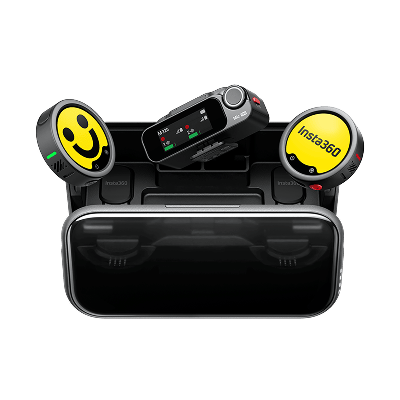
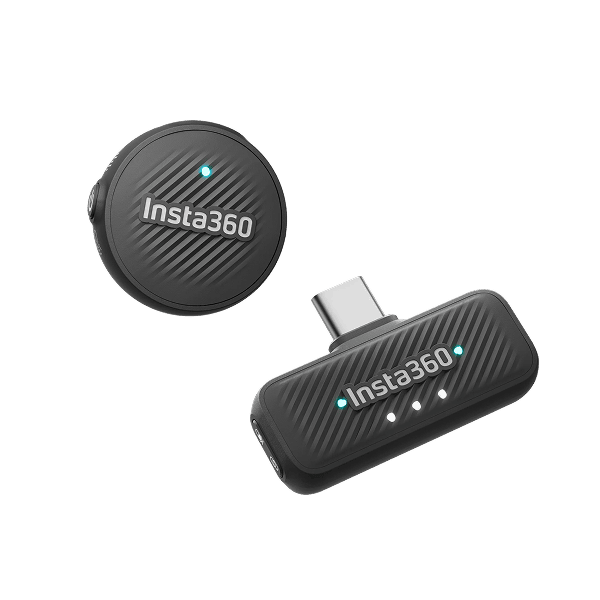
- Use a wireless external mic, like Mic Air, to capture better audio.
Action & 360 Cameras
If you're shooting fast moving action outdoors, or looking for creative perspectives, a robust action camera will be much more versatile than your relatively fragile smartphone.
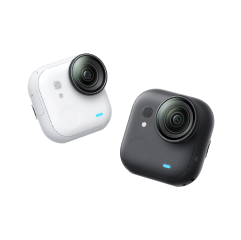
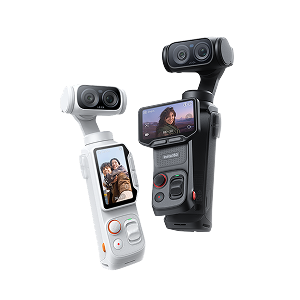
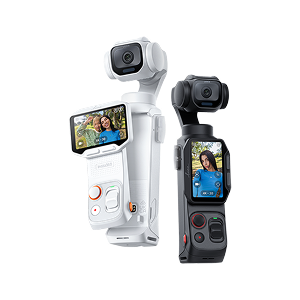
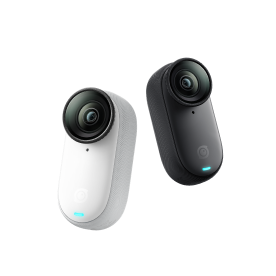
- Insta360 GO 3S: Ultra-light, mountable, and a great way to capture point-of-view shots or clips where your hands are busy.
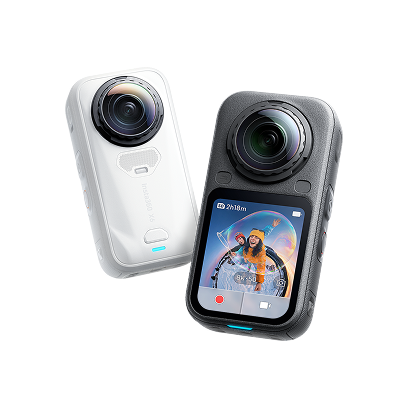
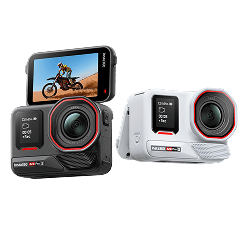
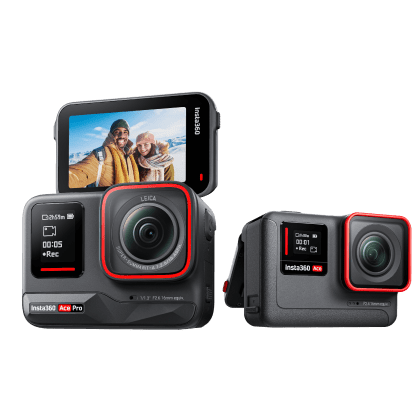
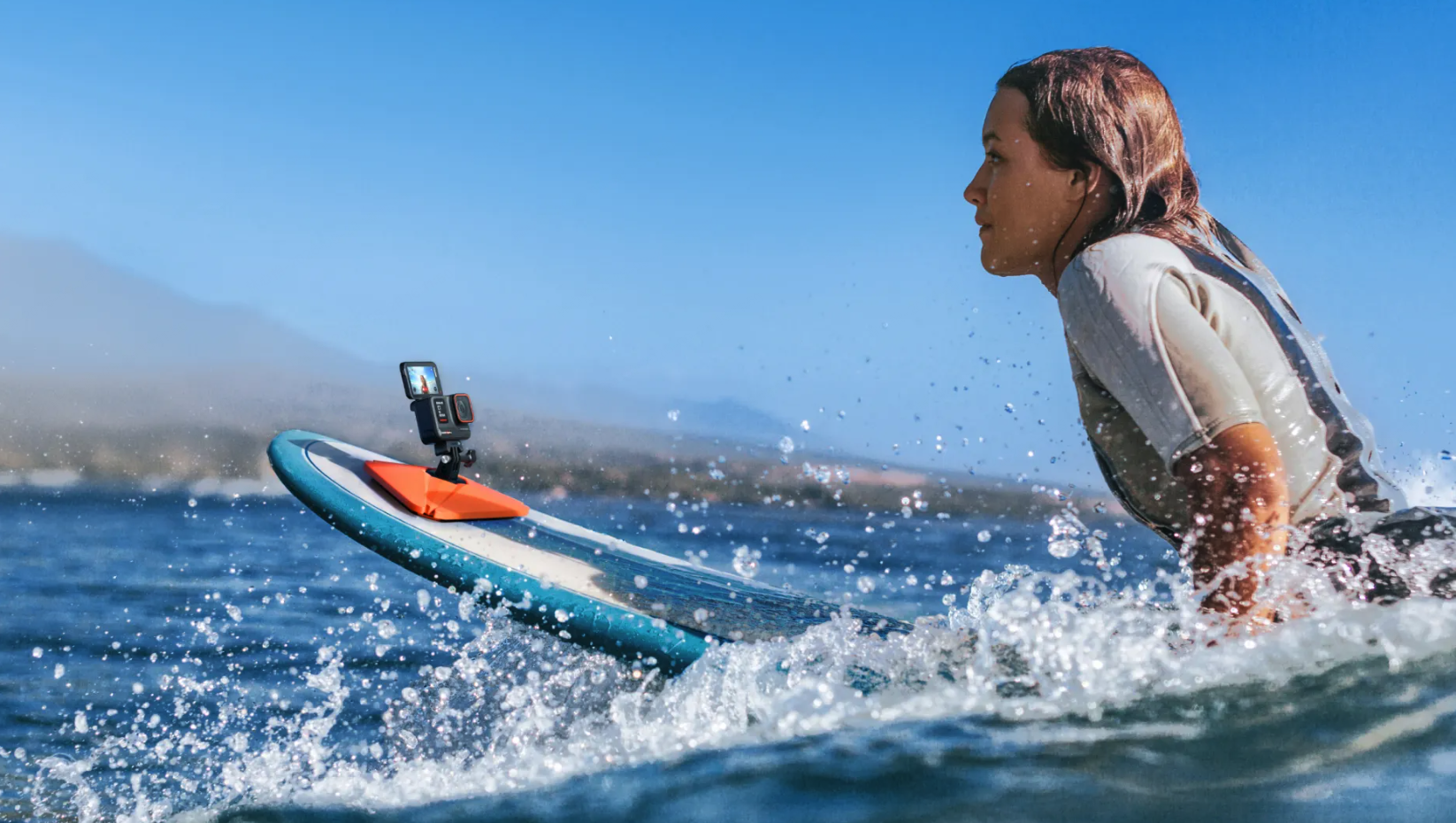
- Insta360 Ace Pro 2: 8K detail, fantastic internal stabilization, Wind Guard, and a flip screen for self framing while recording. Perfect for creators focused on quality in rugged environments like mountain bike trails or surf breaks.
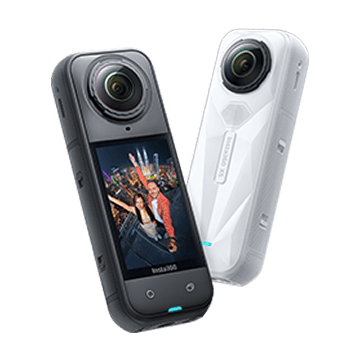
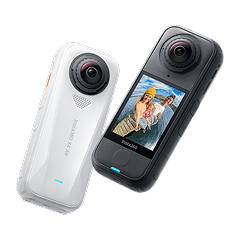
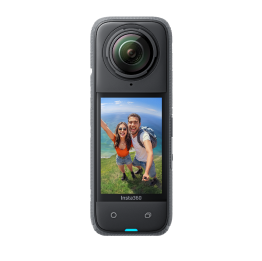
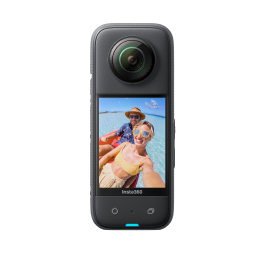
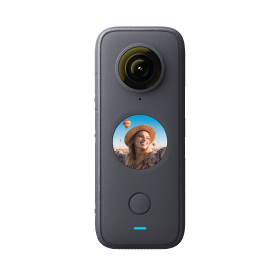
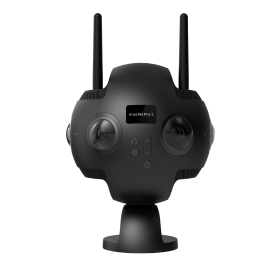
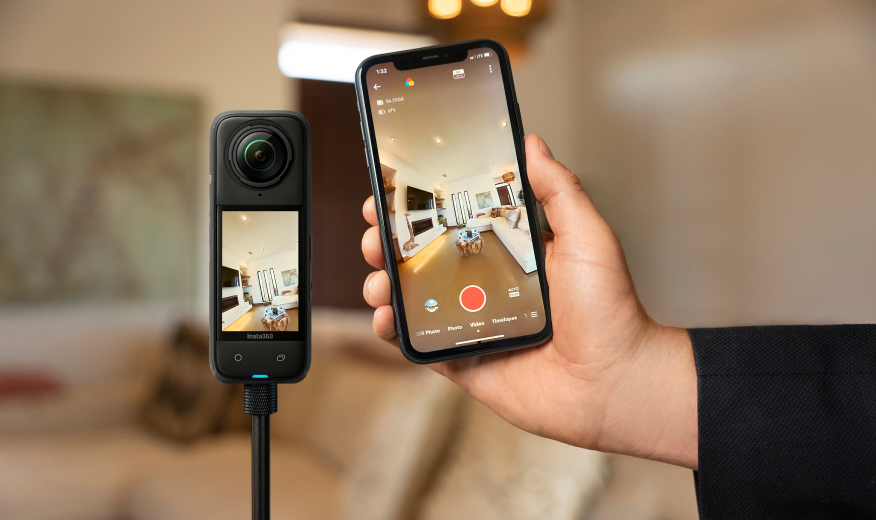
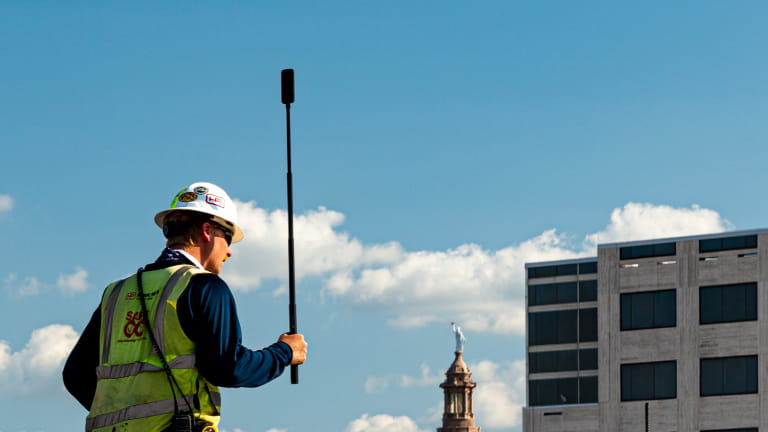
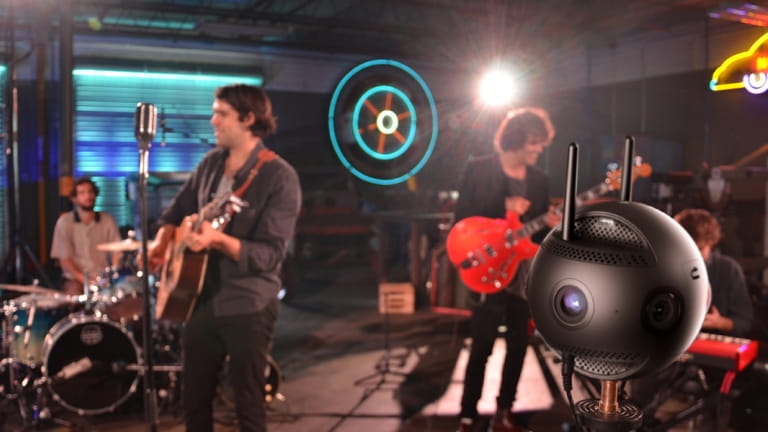
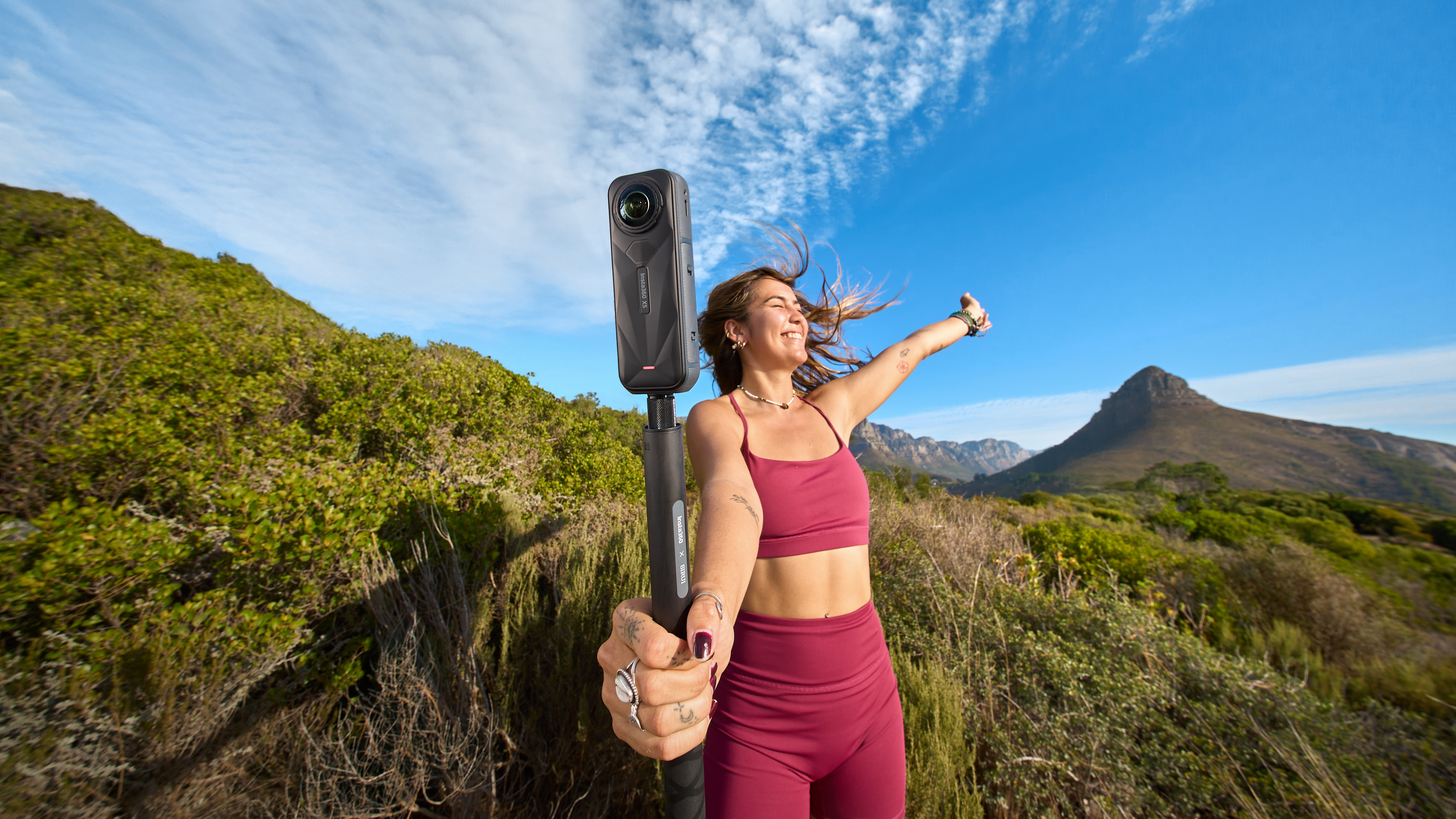
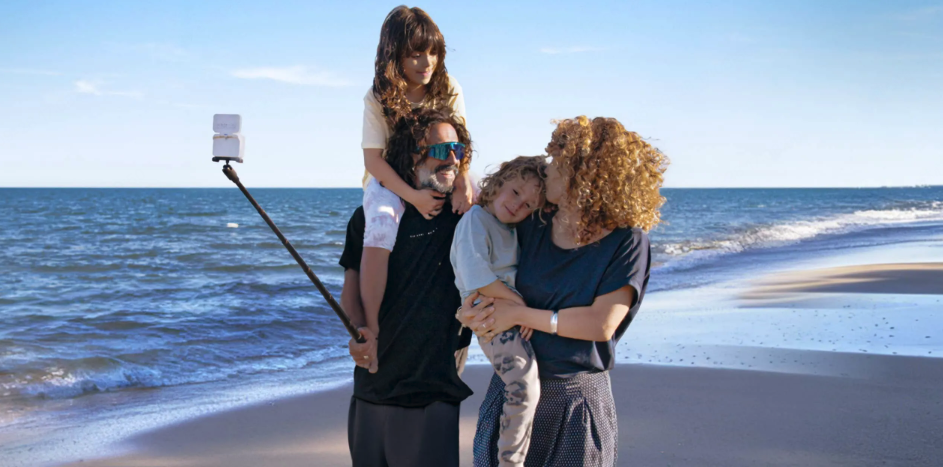
- Insta360 X5: 360 camera with 8K video and InstaFrame mode to auto-export vlog-ready .mp4s. 360 cameras redefine the way we capture video. Because they capture everything all at once you can choose what to frame later which means they are perfect for B-roll and wide scenic shots. Not to mention those cool drone-like follow cam shots captured with the Invisible Selfie Stick.
Still unsure about your camera choice? We’ve written a detailed guide to the best cameras for vlogging.
Step 4 – Get Your Vlogging Kit Together
Your gear doesn’t make or break your content, but the right tools can make life easier and improve consistency.
If you're just starting, prioritize stability, decent audio, and lighting. If you're expanding, look at tools that give you more angles, better quality, and longer shoot time.
If you're just starting:
If you're just getting started with vlogging, a simple smartphone setup can go a long way. This beginner's guide breaks down exactly what you need to start creating high-quality content with your phone.
- Smartphone – Today’s phone cameras are surprisingly powerful
- Flow 2 Pro gimbal – Keeps your footage buttery smooth, and also works as a tripod and power bank
- Wireless microphone – Great audio instantly boosts your video quality and viewer retention
- Basic ring light or natural daylight – Good lighting makes a big difference
This setup gives you a reliable foundation to create watchable, professional-looking vlogs right from your phone.
If you're just starting, prioritize stability, decent audio, and lighting. If you're expanding, look at tools that give you more angles, better quality, and longer shoot time.
If you're ready to upgrade:
- Insta360 Ace Pro 2 with a variety of mounting for selfie stick and tripod
- Wireless Mic Air
- 128GB+ microSD card
- Spare battery (if applicable)
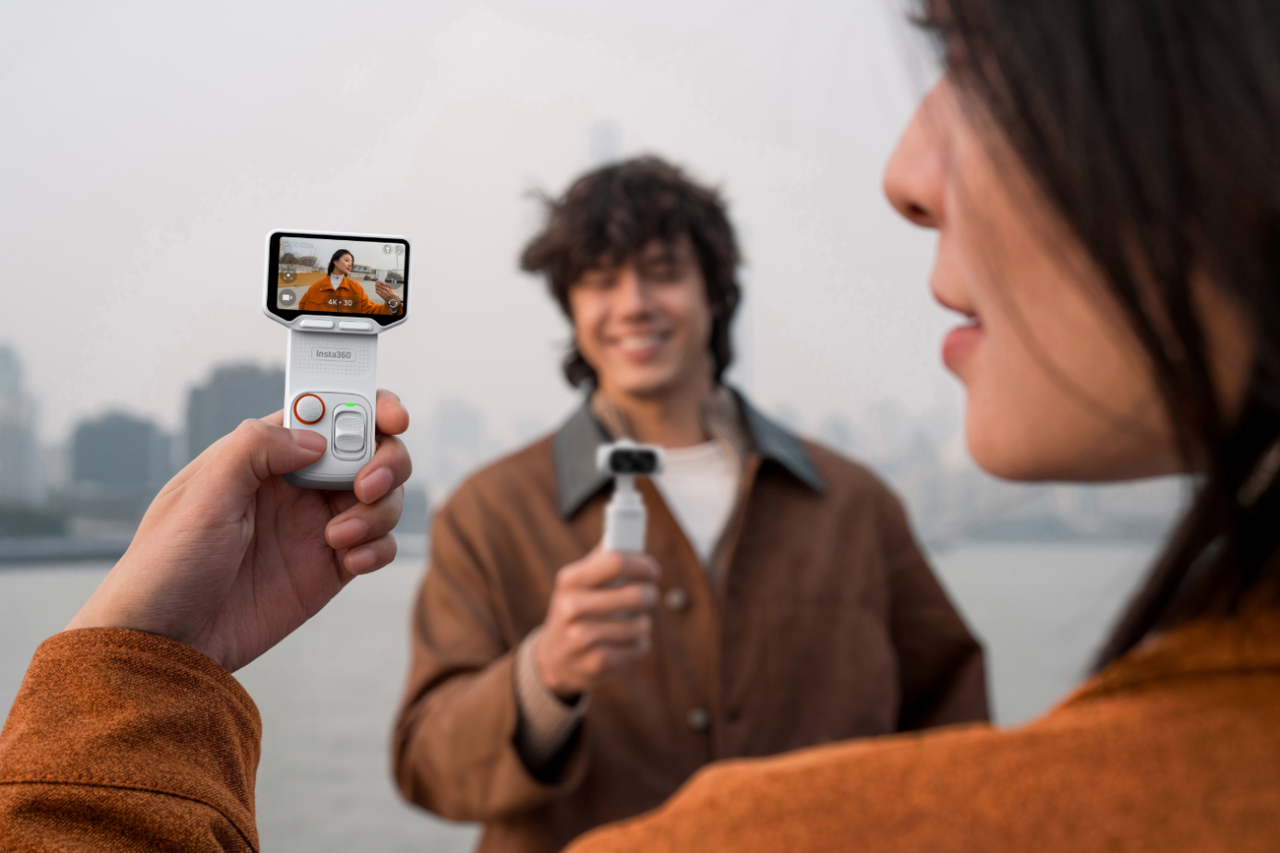
Insta360 Ace Pro 2 has become a popular choice for vloggers because it has a flip up screen so you can see yourself while filming. Not to mention the fact that it records in 8K30fps.
Step 5 – Plan, Shoot, and Edit Your First Vlog
Don’t over-script. Instead, outline.
- Start strong: First 5 seconds should hook the viewer
- Show your face: People connect with people.
- Film in segments: Think intro, action, moment, wrap-up.
- Repeat shots if needed—don’t settle for unusable footage.
- Edit fast: Use the Insta360 app or Studio for mobile or desktop. AI powered auto edits are pretty amazing and help you edit much more quickly. If you’re mixing footage from a phone, action camera, or 360 camera, color grading software can help balance exposure and color so the whole vlog feels more consistent.
Step 6 – Publish and Promote Your Vlog
Filming and editing your blogs is really only half the battle. Now it’s time to share and promote.
Publishing is the final step, but it’s much more than just clicking upload. It’s about packaging your content so the right people notice it and feel compelled to watch.
Start with a strong thumbnail. Even if you're not a designer, choose a frame with contrast, a human face, and visual tension. It doesn’t have to be overly dramatic, but it does need to make viewers stop scrolling!
Next, craft a title that signals value or intrigue. Use words your audience might search for but avoid making it sound too clickbait-y. For example, "What I Learned Filming My First Vlog With Only My Phone" would likely performs much better than "OMG! I Vlogged For The First Time!!!"
Post consistently. This doesn't mean you must post daily, rather it means you need to find a sustainable rhythm. Once a week? Great. Twice a month? That works. Viewers appreciate cadence, and consistency. Even though YouTube is an asynchronous medium, popular vloggers do attract appointment viewers. If fans know you post every Wednesday night they'll be on the look out for your next video to drop. You often see this reflected in the comments of popular vloggers if they miss a regular upload time.
Finally, promote without overthinking it. Share the link in your Instagram bio. Post a teaser clip to TikTok. Ask a question on Reddit with your video as context. Use Instagram stories or even a pinned comment in your last video. Small ripples lead to big reach over time.
What Makes a Good Vlog?
A good vlog doesn’t try to impress, it connects with watchers. It’s less about perfect visuals and more about creating a reason to watch to the end. Viewers come for the topic, but they stay for the tone, rhythm, and presence. And they can smell inauthenticity a mile off. So more than anything, be you.
- Pacing: Trim the fluff. Let silence breathe, but don’t stall. Your vlog should move, but not rush. The best ones know when to linger and when to cut.
- Visual stability: Shaky footage kills trust and is hard to watch. Use a stabilizer like Flow 2 Pro if you are filming on your phone, or use a camera with good in-camera stabilization.
- Sound clarity: Sound grounds the viewer. Bad audio disconnects. Use a lavalier mic or wireless setup, especially if you're filming outdoors or in motion.
- Authentic focus: Stay present. Don't pretend to be someone you're not. Vlogs that resonate usually feel like you're being invited into a moment, not pitched to.
- Intentional framing: Whether it’s your face, food, or scenery, what you show matters. You don’t need film school level composition, but be aware of the shots you choose. Clean backgrounds, soft light, a bit of balance. It adds up.
- Consistency: Not just in posting, but in how you speak, what you show, and how you edit. Your audience builds comfort when they know what type of experience you deliver.
- A story arc: A disconnected montage of shots just isn't that interesting. Even loose vlogs have a beginning, middle, and end. Show progression, decisions, reactions to keep viewers interested and engaged.
FAQ
How to start vlogging for beginners?
You can start vlogging right away using your phone. Pick a story you want to share, find some good natural light and record. If you can, use a tripod or gimbal to stabilize and record short clips with a clear purpose. Then edit using a mobile app.
How much does it cost to start a vlog?
If you own a smartphone, zero dollars. A basic vlogging kit with a gimbal (like Flow 2 Pro), mic, and lighting starts around $250. Adding a camera like GO 3S costs around $430.
Which type of vlog is best?
The best type is the one you'll keep doing. Lifestyle and travel are popular, but tech, food, or daily life vlogs can connect well too. What matters is your point of view, not just the topic.
Final Thoughts: Start Now, Improve as You Go
Vlogging rewards doing. You learn by uploading. Gear helps, but ultimately it's about the stories you share. Use the tools you have, film your version of the day, and post it. Your first uploads probably won't be that good, but you’ll get better with every upload. You just have to put in the reps.
And if you're wondering when to begin, this is your sign… the best time is now!
Keen to keep up to date on Insta360 stories? Keep an eye on our blog and sign up for our mailing list. Got a story to share? Email yours to communitystories@insta360.com and win up to US$50.




%20(1).svg)


%20(1).svg)

.svg)