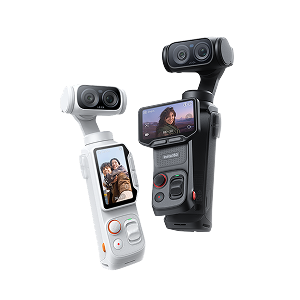
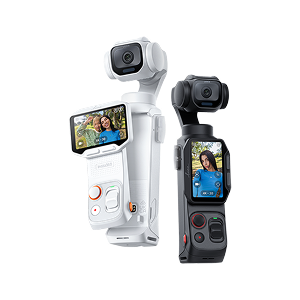

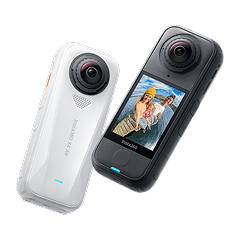
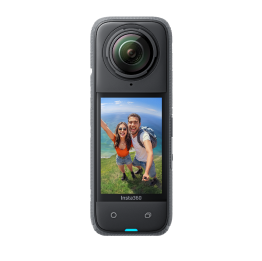
















Cameras have come a long way since Joseph Nicéphore Niépce created the heliograph in 1816. Today's digital cameras are astonishingly small, yet still capable of providing images that were impossible just a few decades ago. But how much do you really know about what happens after you press that shutter button?
What Is a Digital Camera?
Let's start with the basics. When you press the shutter, light enters through the lens, passes through an aperture and hits an image sensor. A digital camera converts light into data and data into images, with the sensor—usually a CCD or CMOS chip—translating light into electrical signals that the processor saves as JPEGs, RAW files, or videos.
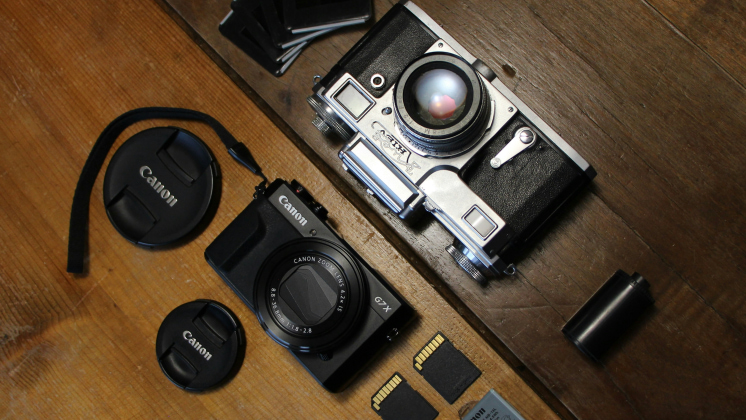
The idea itself isn’t new. Traditional film cameras, even going back to the heliograph process, worked on the same principle: light hitting a surface that records an image. The difference is that digital cameras skip the chemical process and store images instantly as electronic data, making them easier to share, edit and store.
Digital cameras have been around since 1975, when Eastman Kodak engineer Steven Sasson developed a toaster-sized device. At 4kg (8.8lbs), it wasn't exactly something you could slip into your back pocket, but the next 50 years have seen a rapid evolution that has led us to the present day, the latter of which comes with a scarcely believable weight of just 53g (1.8oz). But weight is just the start.
Optimizing Image Quality: Resolution, Zoom, and Memory
Image quality comes down to more than just pressing record. Resolution shapes detail, storage shapes capacity, and zoom shapes perspective—three factors that define what you actually see.
Resolution
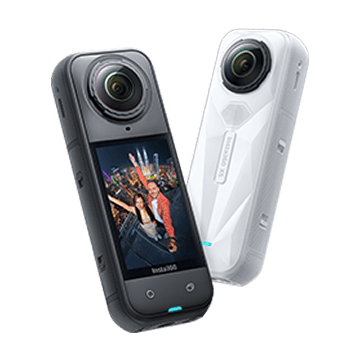
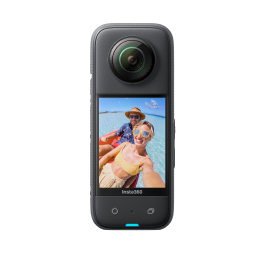
Resolution measures how many pixels make up your image. Higher resolution means more detail, so you can crop, reframe or print large without losing sharpness. For example, Insta360 X5 shoots in crisp 8K, giving creators incredible flexibility in post-production. However, it is worth remembering that higher resolution means larger file sizes, which equate to a need for more storage.
Zoom
Zooming might seem like a natural benefit, but it can harm your image. Essentially, there are two types of zoom: optical and digital. Optical zoom uses moving lens elements to bring subjects closer without losing clarity; however, digital zoom simply crops into the image, reducing detail and sharpness. If you've ever zoomed all the way in on a subject only to find it looking like a terrible, pixelated Salvador Dali painting, this is why. Use digital zoom sparingly.
Memory
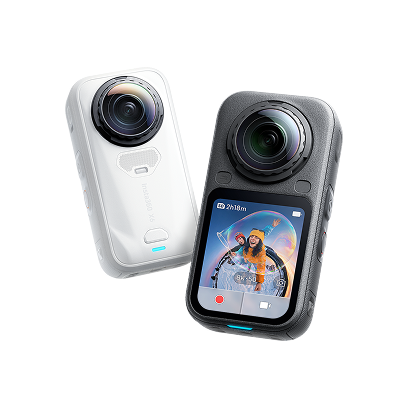
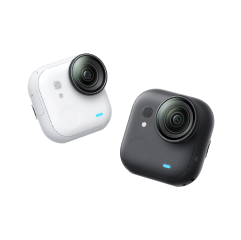
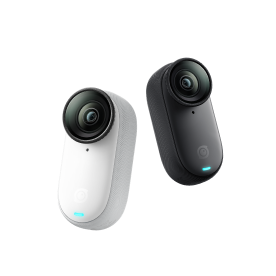
From SD cards to built-in flash memory, the amount and speed of storage directly affect how much you can capture. Portable models like Insta360 GO Ultra keep things simple with reliable storage and flexible mounting options—perfect when you want to shoot on the go without juggling gear.
Types of Digital Cameras
There are various types of digital cameras, each designed with specific users and scenarios. Here’s a quick breakdown of the main categories and how they work.
Action Cameras
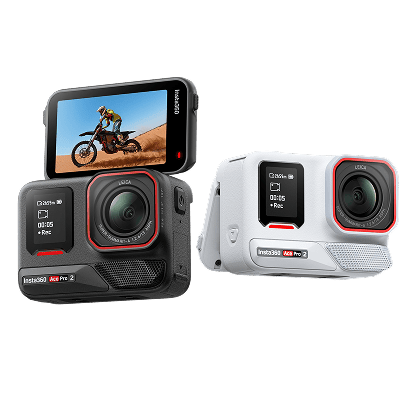
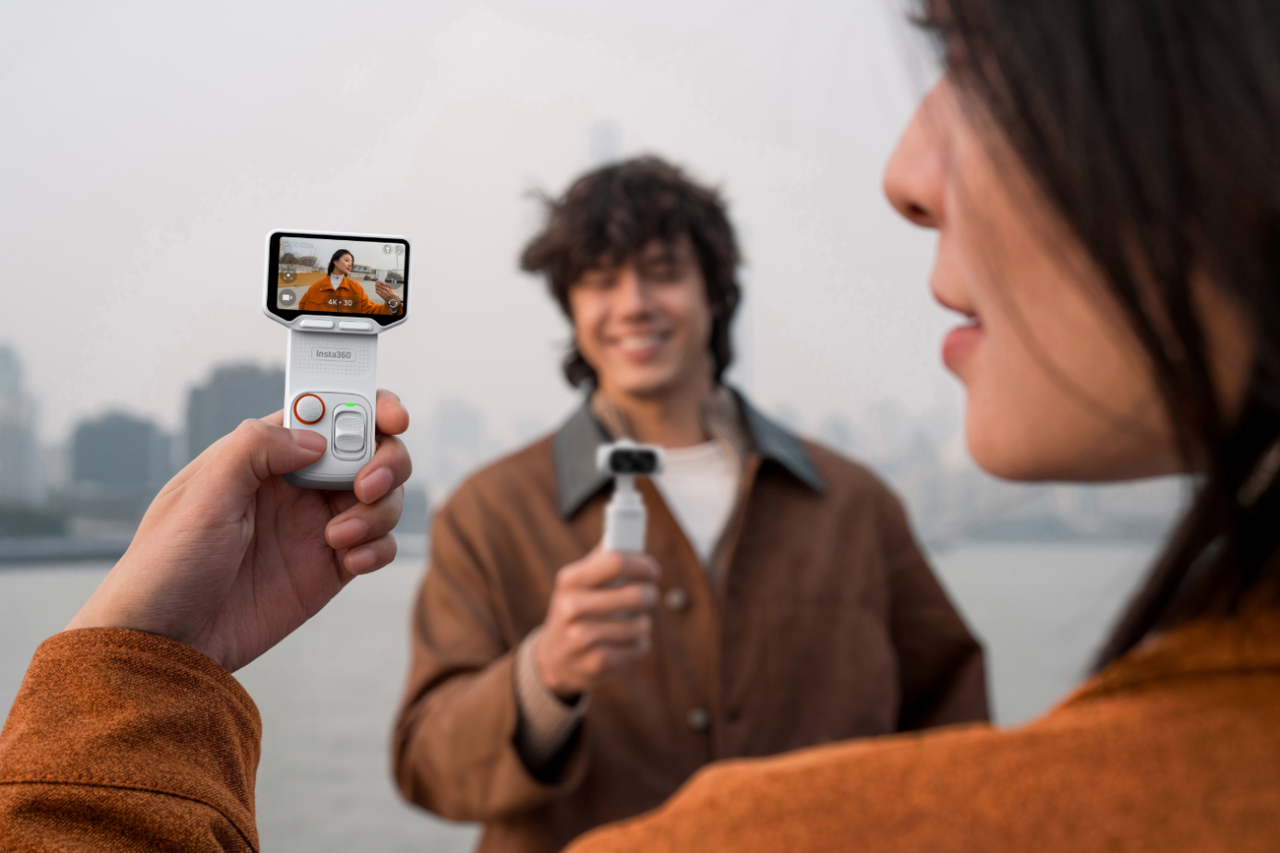
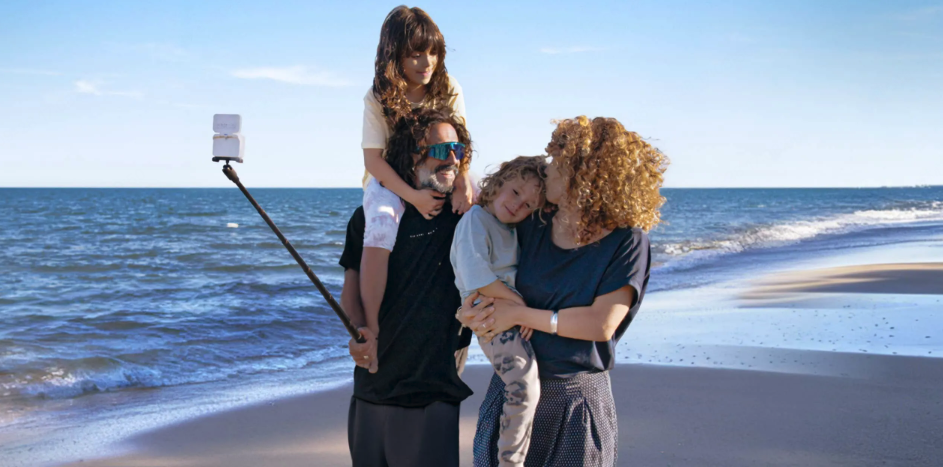
Small, rugged and built for movement, action cameras are designed to keep up with your adventures. They use wide-angle lenses to capture immersive footage and often include stabilization systems to smooth out shaky motion. Insta360 X5, for example, shoots in 8K with FlowState stabilization, letting you relive moments as if you’re right there. The ultra-compact Insta360 GO Ultra can be attached almost anywhere thanks to the magnetic mounting point, making it perfect for POV shots that feel personal and dynamic.
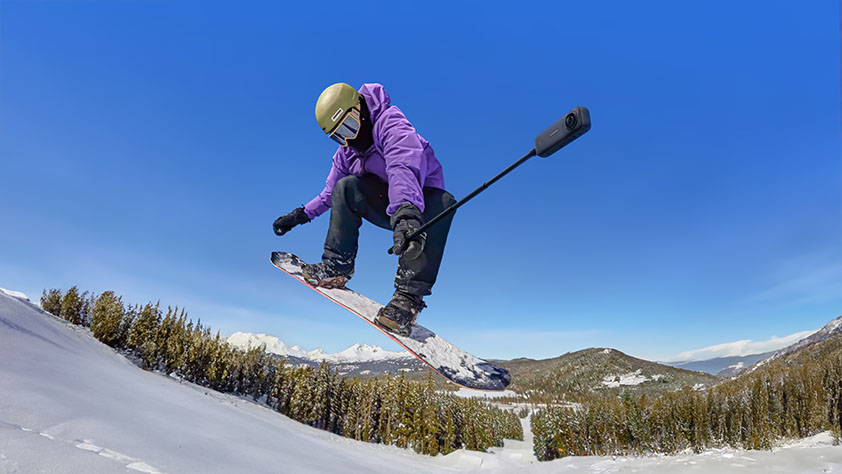
Best for: Creators, adventurers, and athletes who want immersive, shareable content.
Compact Cameras (Point-and-Shoots)
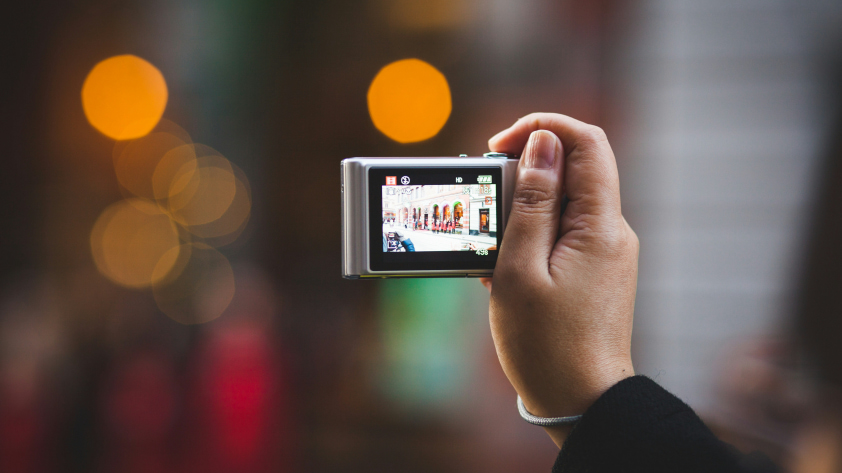
If you want to keep things simple, this is where to start. Compact cameras prioritize simplicity and often have built-in lenses, easy controls, and automatic settings, so anyone can pick one up and start shooting. In truth, they won't exactly set the world alight in terms of features and advanced controls, but they’re lightweight and portable—great for quick snapshots or travel photos without fuss.
Best for: Casual photographers and families who want quality images without the learning curve.
DSLRs and Mirrorless Cameras
These are the heavy hitters for photography enthusiasts and professionals. DSLRs use a mirror system and optical viewfinder, while mirrorless models replace that mirror with an electronic viewfinder or screen, making them lighter and often more compact. The mirrorless vs. DSLR camera debate can be a bone of contention for photographers well-entrenched on either side. However, they share many characteristics; both allow for interchangeable lenses, have manual controls and high-quality sensors.
Best for: Photographers and videographers who want full creative control and pro-level results.
Frequently Asked Questions
Even if you understand the basics of how a digital camera works, a few practical questions always come up.
How Do You Get Photos From a Digital Camera?
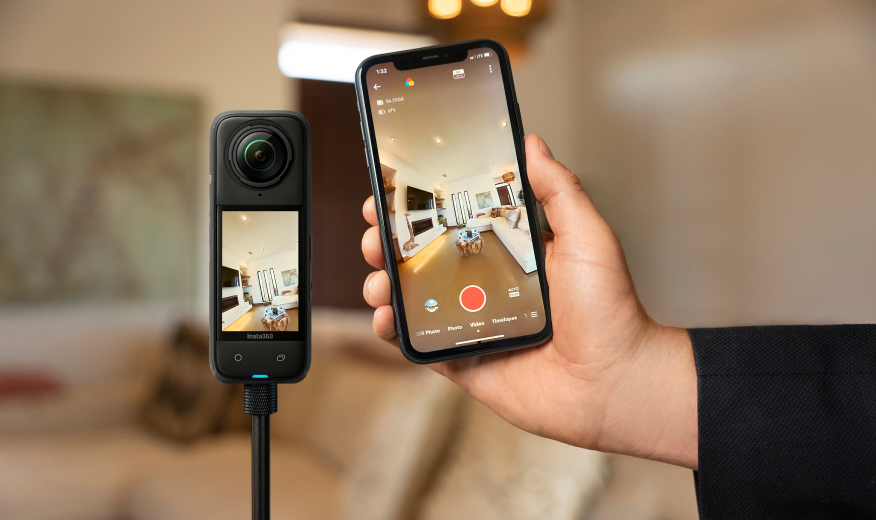
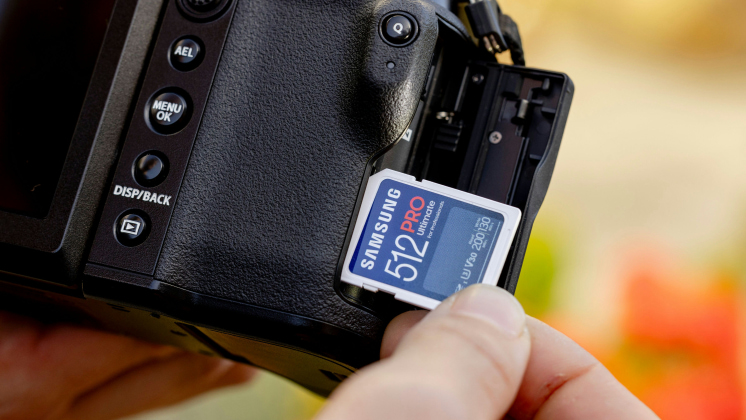
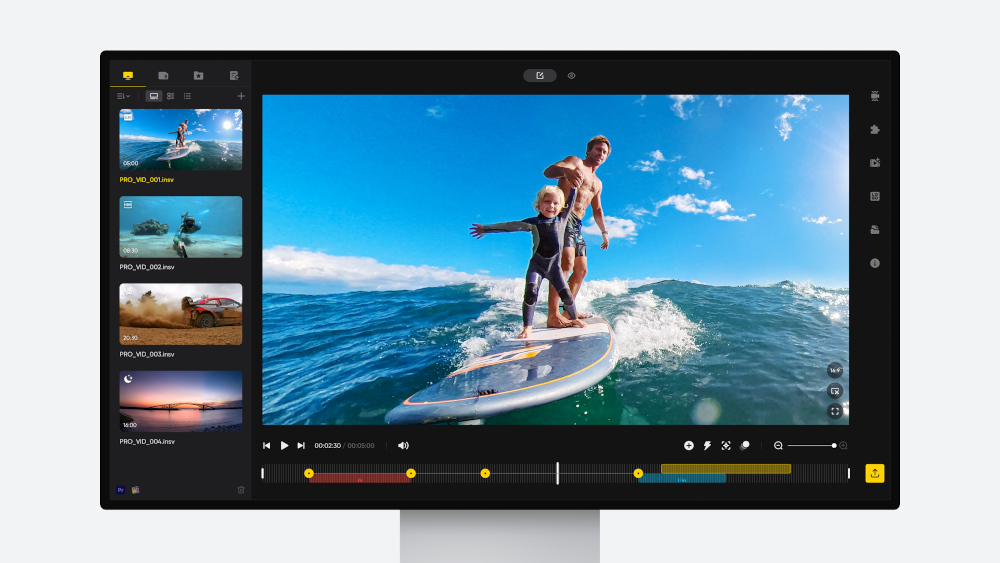
There are several ways to transfer photos and videos from your camera. The most common method is removing the SD or microSD card and using a card reader. Many modern cameras also support USB transfers, Wi-Fi connections, or even direct pairing with a mobile app.
Does a Digital Camera Need Internet?
No, your camera will capture photos and videos just fine without an internet connection. However, a Wi-Fi or mobile data connection is necessary if you want to back up files to the cloud, livestream, or share instantly on social media.
Do Digital Cameras Need SD Cards?
Most digital cameras still store photos and videos on SD or microSD cards. Some models include internal memory, but cards remain the standard because they’re expandable and easy to swap.
Insta360 Action Cameras Allow Creators to Capture, Connect, and Share
Imagine trying to strap something the size of a toaster that weighs three times that of a human brain to your bike. Thankfully, it's not 1975—today's digital cameras seamlessly combine quality, portability and connectivity. We are very much in a golden era of camera technology.
Insta360 X5 delivers next-level clarity with 8K resolution and advanced stabilization, letting you capture every detail—even when life gets bumpy—while Insta360 GO Ultra is tiny enough to mount in countless ways, so you can film unique perspectives without carrying bulky gear. Two extraordinary models. Two different ways of recording life's astonishing adventures.
Keen to keep up to date on Insta360 stories? Keep an eye on our blog and sign up for our mailing list. Got a story to share? Email yours to communitystories@insta360.com and win up to US$50.



.svg)


%20(1).svg)

%20(1).svg)