














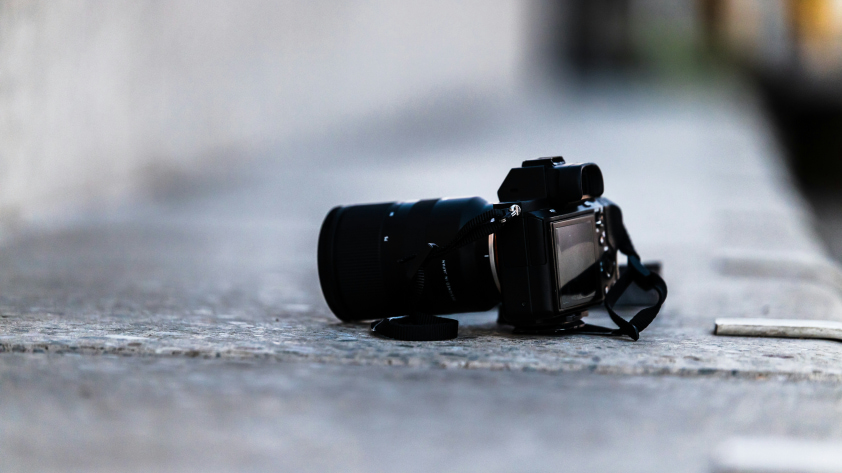


Mirrorless vs DSLR: A Quick Breakdown
Every creator hits this fork in the road eventually: do they go with a mirrorless camera or a DSLR? Both offer serious power, but they work in distinct ways and come with trade-offs. Whether you’re gearing up for high-end shoots or just refining your kit, understanding what sets these systems apart matters.
DSLRs use the reflex mirror setup that’s been a professional standard for decades. You look through the viewfinder and see exactly what the lens sees. That optical clarity can feel more direct. Many photographers favor DSLRs for their robust build, battery stamina, and mature lens ecosystems.
Mirrorless cameras, by contrast, remove the traditional mirror mechanism entirely. That change reshapes everything—from size and weight to how you shoot. Instead of an optical viewfinder, you use a digital screen or EVF to compose shots, often with real-time previews that reflect your settings as you adjust them. Autofocus tends to be faster and smarter, too, making these bodies great for hybrid shooters who juggle photo and video.
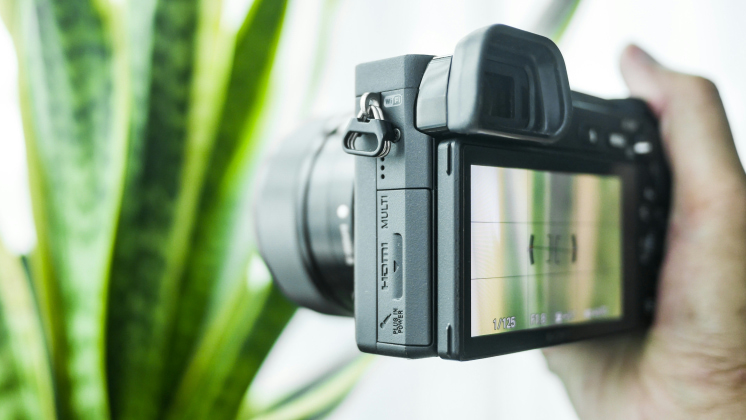
Still unsure which fits your needs better? Let’s get into the specifics.
Why Some Swear by DSLRs
There’s a reason DSLRs still show up in professional kits:
- Longer battery life. With no power-hungry EVF, a DSLR keeps going for hundreds more shots.
- Optical viewfinder. It’s immediate. What your eye sees is what your camera captures. Zero lag. Pure clarity.
- Tough build. Many DSLR bodies are built like tanks—metal frames, weather sealing, and durability for extreme conditions.
- Vast lens options. Established systems like Canon EF or Nikon F offer decades' worth of compatible lenses, from budget to pro-grade.
- Instant response. The shutter mechanism and tactile feedback can feel more connected and intuitive to some shooters.
- Dependability in varied environments. From deserts to glaciers, DSLRs have proven their reliability in demanding scenarios.
What keeps DSLRs relevant isn’t flash—it’s function. Their reliability, muscle, and ecosystem keep them anchored in pro workflows. But, they’re heavier. Bulky. Slower to shoot video. Live-view AF? Still catching up.
Why Mirrorless Has Momentum
Mirrorless cameras are increasingly the go-to for hybrid shooters. Why?
- Compact. Less weight. Less drag. Great for travel, street, or handheld video.
- Real-time exposure preview. What you see is truly what you get—adjust shutter, ISO, or aperture and the view updates live.
- Blazing fast autofocus. Face and eye tracking are no longer premium features—they're baseline. These systems keep up with unpredictable movement.
- Quiet shooting. No mirror slap. Less noise means more stealth, which matters in wildlife, weddings, or candid street shots.
- Improved video capabilities. With high-resolution sensors, in-body stabilization, and 4K+ options, mirrorless cameras offer serious video punch.
- Adaptable lens use. Modern adapters allow access to legacy DSLR glass, minimizing upgrade pain.
They’re designed for the now: flexible, digital-first, and ready for creators who bounce between stills and motion. But they do come with trade-offs—like shorter battery life and viewfinder experiences that might not match optical immediacy.
| Feature | DSLR | Mirrorless |
| Size & Weight | Bulkier, heavier | Smaller, lighter |
| Autofocus | Slower in live view | Fast, precise |
| Battery Life | Longer | Shorter |
| Viewfinder | Optical, real-time | Electronic, real-time |
| Lens Compatibility | Extensive, esp. legacy | Expanding fast |
| Video Capabilities | Often basic | Advanced options |
What Neither System Handles Well
Big cameras have blind spots. Tight spaces. Fast-moving scenes. Weather that turns on a dime. Vlogging on a hike or filming in the surf? Not ideal.
Neither mirrorless nor DSLRs are designed for:
- On-the-go first-person shots
- Mount-and-go flexibility
- Shooting in rain, snow, or underwater without bulk
- Hands-free storytelling
- Minimal setups where speed and discretion matter
- Situations where fixed tripods or stabilizers are impractical
- Rapid social content capture with quick edit-turnaround needs
You wouldn’t bring a telephoto to a street shoot, and you wouldn’t expect a full-frame DSLR to handle underwater shots straight out of the bag. These systems are optimized for control, not spontaneity.
This is where you may want to add another tool to your camera bag...
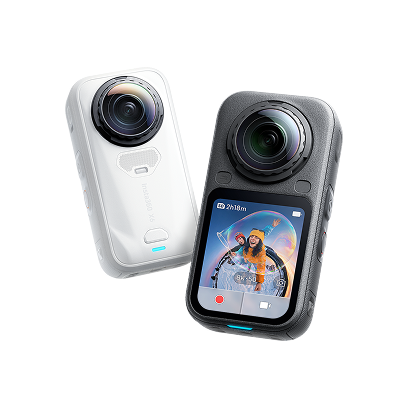
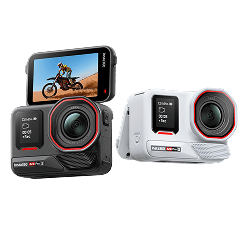
Introducing Insta360 Ace Pro 2
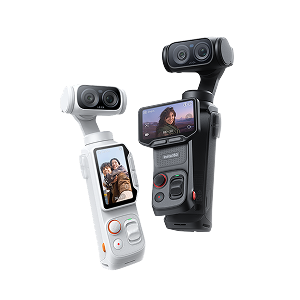
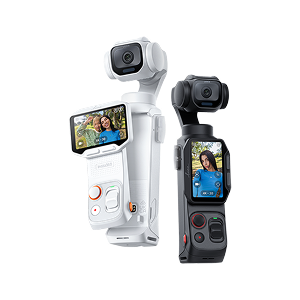
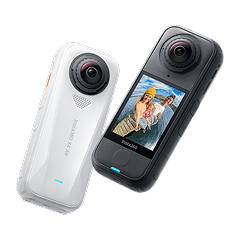
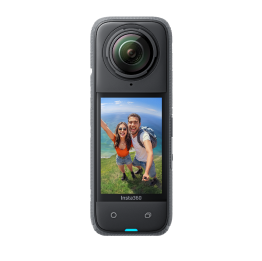
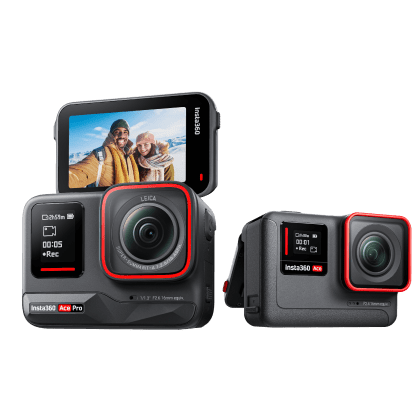
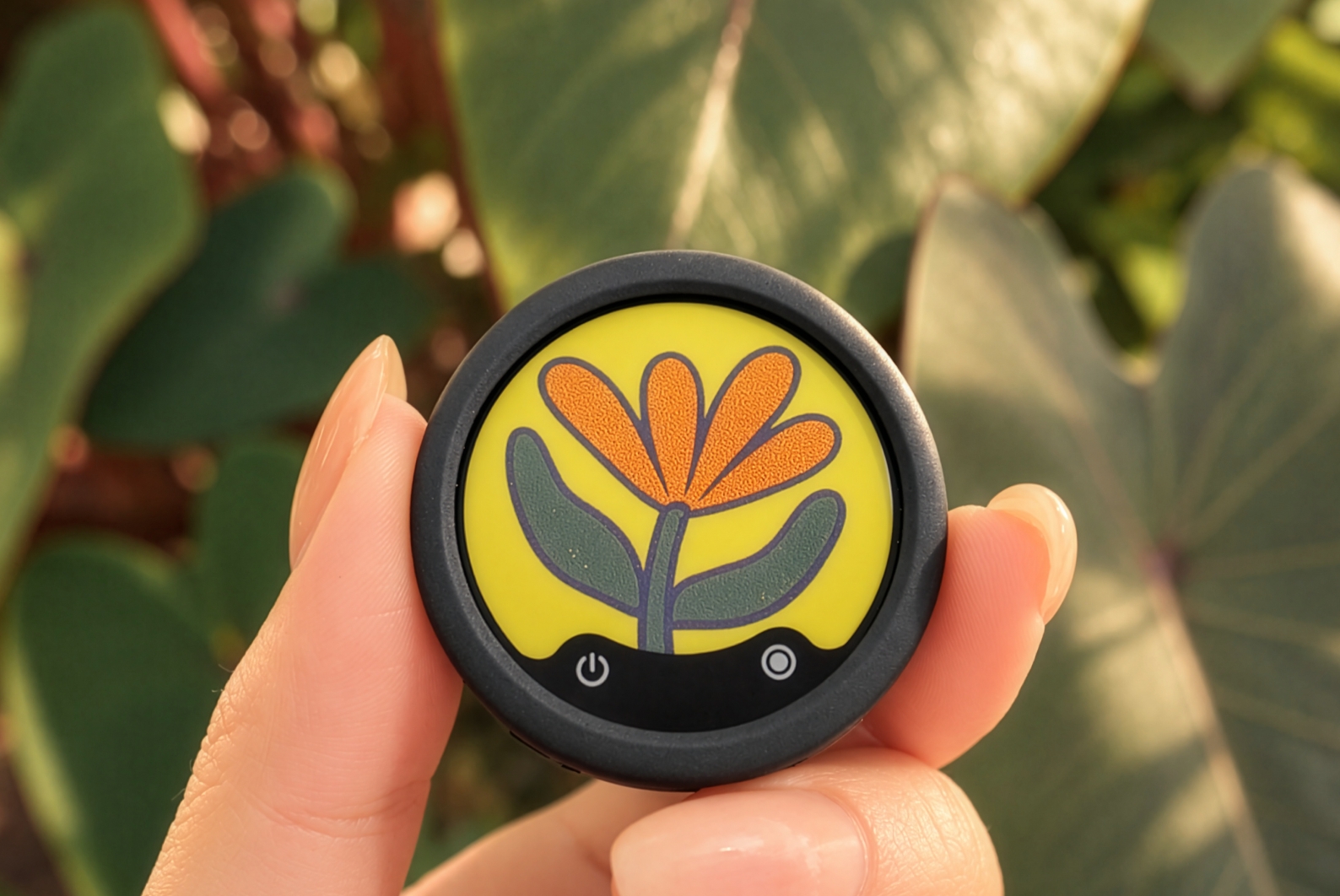
Think of Insta360 Ace Pro 2 as your go-anywhere camera. It’s compact, but it doesn’t compromise. While your mirrorless or DSLR nails depth and precision, Insta360 Ace Pro 2 steps in where those systems hesitate—when things get wet, chaotic, or fast.
This camera is built for the unexpected. It’s:
- 8K-ready at 30fps, delivering cinematic clarity in a form that fits in your palm.
- Powered by a 1/1.3” 8K sensor and SUMMARIT lens co-engineered with Leica—balancing size and quality smartly.
- Geared for tricky lighting with Active HDR and PureVideo modes that pull detail from shadows and highlights.
- Water-resistant to 39ft without a case, making it ready for surf sessions, rainy hikes, and everything in between.
- Fast to deploy with snap-on mounting and gesture controls that free your hands.
- Built for creators with voice control, vertical shooting, and seamless app integration for fast edits.
Where DSLRs and mirrorless cameras demand attention and setup, Insta360 Ace Pro 2 invites action. You can throw it in a pocket, mount it in seconds, and start capturing right away. It’s the camera you reach for when speed matters more than settings.
Need quick B-roll? Done. POV of your shoot? Easy. Want to mount it to your rig for an alternate angle? Go for it. It’s not the main camera—but it’s often the one that gets the most interesting shot.
Why Keep Insta360 Ace Pro 2 in Your Bag
You already carry lenses, filters, maybe a second body. Adding Insta360 Ace Pro 2 gives you:
- Mobility: Tiny footprint, big output.
- Speed: Instant setup, gesture or voice-activated control, and wireless transfer for fast sharing.
- Coverage: Gets angles and perspectives your larger cameras can’t. Ideal for BTS, rig views, and alternative vantages.
- Peace of mind: Water-resistant, rugged, and ready to roll when your main kit needs protecting.
- Complement, not compete: It supports your primary gear without overlapping it—a specialized utility that fills in the creative blanks.
- Always on-hand: Slips into a side pocket, ready whenever a unique shot reveals itself.
Insta360 Ace Pro 2 isn’t just another gadget. It’s your flexible backup, your quick-draw option, and your out-of-the-box solution when conditions shift without warning.
Final Thoughts
If you’re choosing between a mirrorless camera vs DSLR, the answer depends on your workflow, preferences, and projects. But either way, having a smart, compact camera like Insta360 Ace Pro 2 in your toolkit opens up more creative paths.
In the end, it’s not just about which camera you use—it’s about having the right tool ready when the moment arrives.
Keen to keep up to date on Insta360 stories? Keep an eye on our blog and sign up for our mailing list. Got a story to share? Email yours to communitystories@insta360.com and win up to US$50.





%20(1).svg)


%20(1).svg)

.svg)