



















If you're shopping for a camera and keep running into the term "mirrorless," you're not alone. Mirrorless cameras have quickly become a popular choice for both new photographers and seasoned pros. But what does mirrorless camera mean, and how does it compare to more traditional options like DSLRs or alternatives like action cameras?
Let’s break it down in a way that makes sense, even if you're just starting out.
What Does Mirrorless Camera Mean?
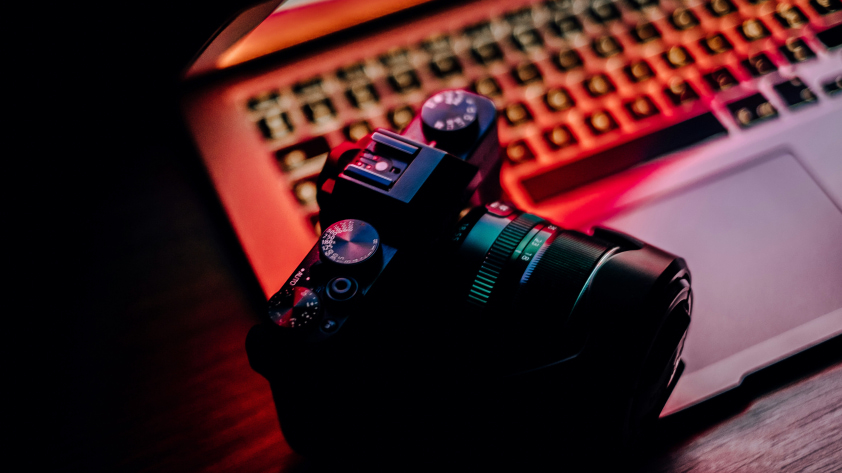
A mirrorless camera is a type of digital camera that skips the mirror mechanism used in DSLR (Digital Single-Lens Reflex) cameras. In DSLRs, a mirror reflects light from the lens up into an optical viewfinder. Mirrorless models remove this step entirely. Light passes directly through the lens to the image sensor.
This simple shift opens up a new approach to design and performance.
Key Components and How They Work
Electronic Viewfinder (EVF)
Instead of looking through a glass prism, you view a small screen showing exactly what the sensor sees—including how exposure settings will affect the shot.
Image Sensor
Always active, which allows features like live view, real-time previews, and faster autofocus.
Interchangeable Lenses
Most mirrorless systems support a wide range of lenses, offering flexibility for different styles and needs.
Why People Choose Mirrorless
The absence of a mirror might sound minor, but it changes quite a bit. Here are the main reasons people make the switch:
1. Smaller and Lighter
No mirror box means a thinner body, which makes it easier to carry.
2. Faster Shooting
With fewer moving parts, these cameras can shoot more frames per second—great for sports or wildlife.
3. Real-Time Exposure Preview
See the impact of settings like ISO or aperture before you press the shutter.
4. Advanced Autofocus
Face and eye detection is often built in, which helps with portrait and action shots.
5. In-Body Image Stabilization (IBIS)
Reduces blur from shaky hands, even with lenses that don’t have stabilization.
6. Strong Video Features
Many offer 4K or even 8K video, along with helpful tools for filmmakers.

What are the trade-offs with mirrorless cameras?
Every tool has its trade-offs. Here are some areas where mirrorless cameras might fall short:
| Issue | Explanation |
| Battery Life | EVFs and screens draw more power than optical viewfinders. |
| Sensor Exposure | When changing lenses, the sensor is more exposed to dust. |
| EVF Lag | Some entry-level models have slight delays or lower display quality. |
Who Should Consider a Mirrorless Camera?
If you want a compact camera that still offers professional features, mirrorless might be the right fit. Here are a few typical users:
- Travelers: Mirrorless cameras are easier to pack and carry all day. You get DSLR-level image quality without the extra bulk. For frequent flyers or hikers, this can be the difference between taking the camera or leaving it behind.
- Beginners: The live exposure preview removes much of the guesswork. Instead of learning through trial and error, you can see exactly how changes affect your image before you shoot.
- Enthusiasts: If you’re used to smartphone photography but crave more control and better quality, mirrorless gives you both. You can grow into it, starting with automatic settings and exploring manual modes as you learn.
- Videographers: With 4K and even 8K options, clean HDMI output, and tools like focus peaking, mirrorless cameras offer more flexibility than many camcorders or phones. They also support external microphones and interchangeable lenses, giving more creative options.
What about Action Cameras? Are they Mirrorless?
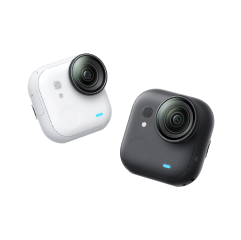
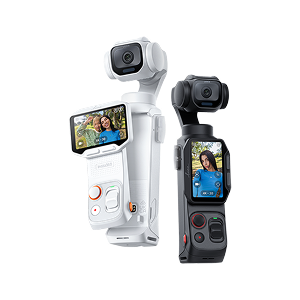
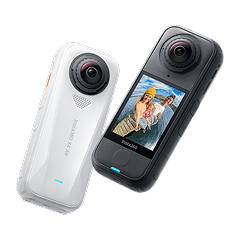
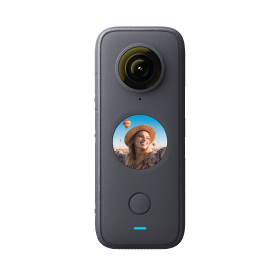
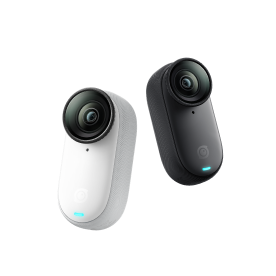
Technically, yes. Action cameras don’t use mirrors to direct light. They send light straight to the sensor, much like mirrorless models. But they function very differently. They have fixed lenses and are designed for rugged, hands-free use in motion-heavy environments.
So while they qualify as mirrorless in design, they serve a completely separate purpose from mirrorless cameras used for photography or filmmaking.
When Would an Action Camera Make More Sense Than a Mirrorless Camera?
Action cameras excel when the priority is portability, durability, or capturing footage in extreme conditions. Use cases include:
- Adventure Sports: Skiing, mountain biking, and surfing require gear that can handle water, impact, and quick changes in angle.
- Body or Gear Mounting: Action cams can be clipped to helmets, bikes, or chests. Mirrorless cameras can’t match that flexibility.
- Hands-Free Recording: For capturing real-time POV video while moving, action cameras are a more logical fit.
- Cost: They’re generally less expensive, which helps for rough-and-tumble use where damage is a possibility.
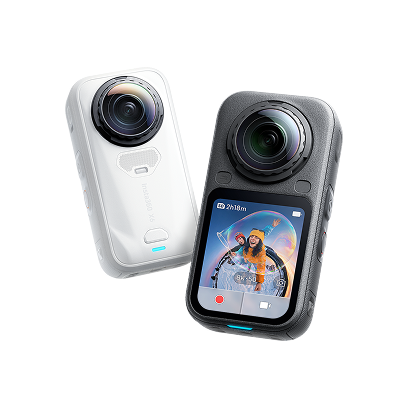
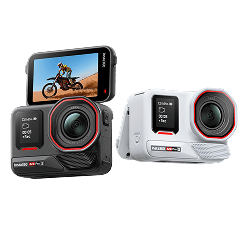
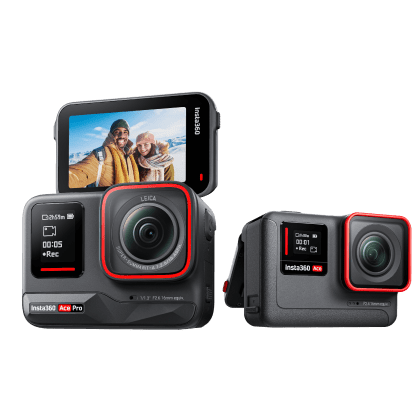
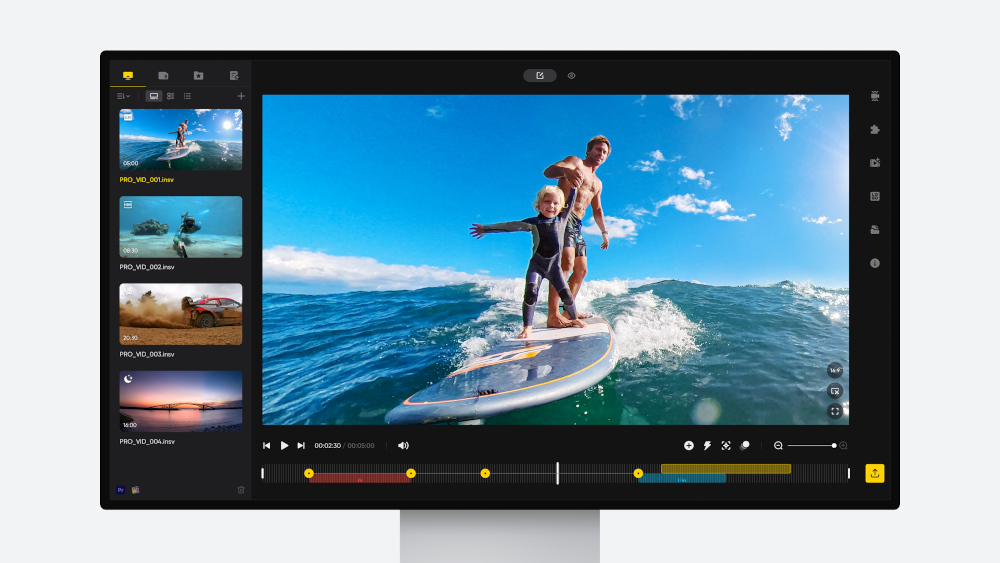
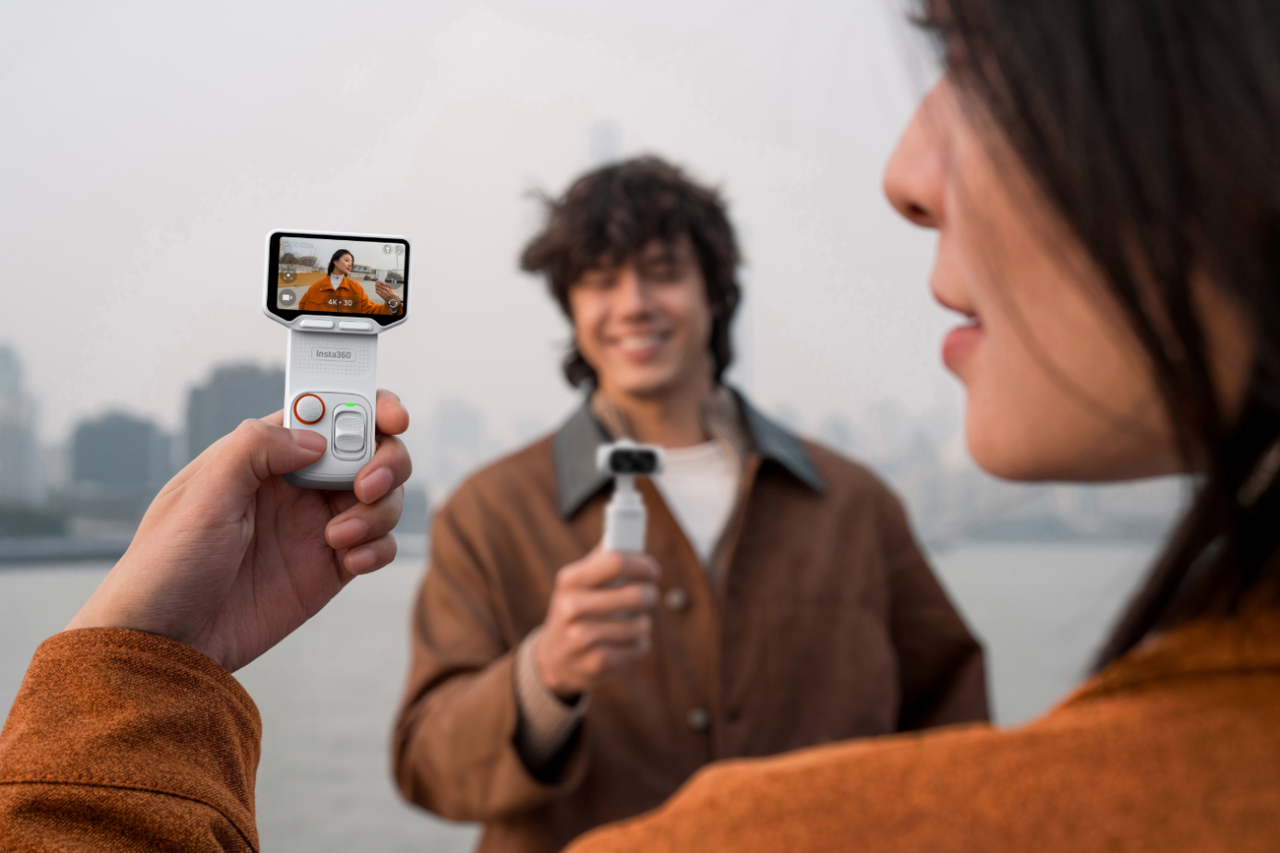
Mirrorless cameras are generally favored when more control is required for advanced photography, but when it comes to versatility, resilience and mobility, action cams win every time. Particularly these days when the quality you can get out of an action cam is so high. Check out Insta360 Ace Pro 2 for example.
Bottom Line
Mirrorless cameras strike a solid balance between quality, speed, and size. They cater to users who want pro-level features without hauling a full-sized DSLR. For many, they're the practical choice for everyday photography, travel, and content creation.
Still, they aren’t the only option worth considering. Action cameras fill an entirely different role—one where endurance and simplicity matter more than interchangeable lenses or manual controls. If you're into extreme sports, daily vlogging, or just need a camera you can toss into a bag without a second thought, an action cam could be the better fit.
In fact, the two don’t have to compete. Many experienced photographers use both. A mirrorless camera for creative control and an action cam for dynamic shots that would otherwise be impossible. Each tool brings something different to the table.





%20(1).svg)


%20(1).svg)

.svg)