


















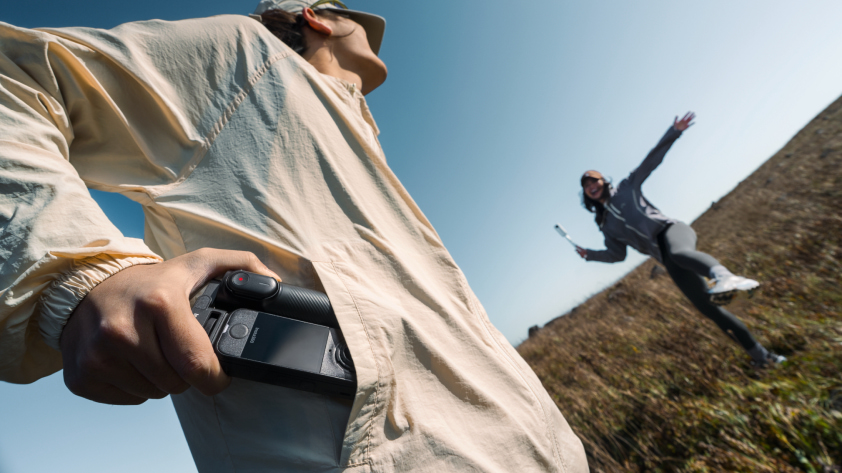


Photography is a rewarding craft, but with seemingly endless cameras on the market, it can be hard to decide which one to get. The type of camera you use must align with your creative goals, but whether you’re a wildlife photographer or content creator, there’s a camera out there perfect for you.
No one camera can do it all. Depending on the type of content you wish to produce, you will have to invest in the appropriate device. Here we explain the types of cameras and how to pick the right one for you.
The Evolution of Everyday Cameras
The rise of cameras as everyday devices began with the introduction of 35mm film in 1934. This film provided compatibility across several types of cameras and allowed users to take multiple pictures before development. The invention of the instant camera in 1948 enabled users to view their photos instantly. Polaroid, the original instant camera, remains popular today for the nostalgia it brings.
Digital cameras were introduced in the 1970s and were popularized in the 1990s. Users no longer had to worry about running out of film and could see how their photos turned out instantly. Plus, if they took a bad picture, they could delete it without feeling like it was a waste of film.
Today, the camera phone is the primary photo-taking device for most people. Popularized by smartphones, camera phones provided a level of convenience unmatched by previous models. Instead of having to carry a dedicated camera everywhere, people could capture moments with the same device they use for calling and texting. Plus, advancements in technology enabled the capture of high-quality images.
While camera phones are the most popular method of everyday shooting today, that doesn’t mean previous iterations are obsolete. Many photographers, both casual and professional, still prefer digital cameras for capturing a certain aesthetic. Some even use analog ones for a more intentional approach to photography.
Compact Digital Cameras (Point-and-Shoot)
Compact cameras are small, portable devices with a fixed lens and mostly automated functions. At their most basic level, they are commonly referred to as point-and-shoot cameras. These devices are designed to be user-friendly and convenient. More advanced models have a zoom lens for added focal length.
Compact cameras don’t perform nearly as well as DSLRs or mirrorless cameras, but they are more affordable, lightweight and easy to use, making them ideal for beginner and casual photographers. Because of their limitations, some professionals opt for compact cameras as a creative challenge.
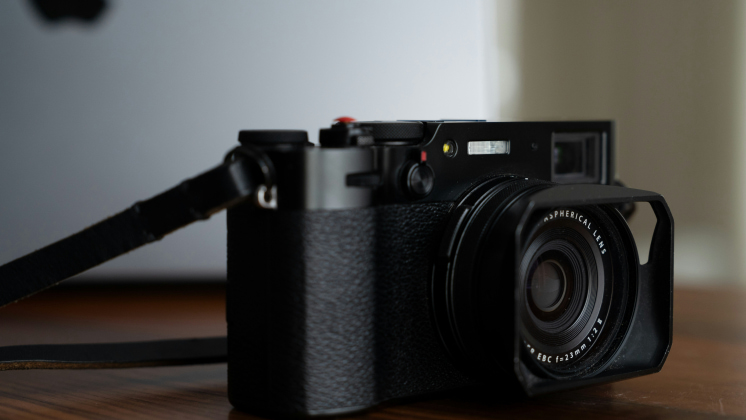
DSLR Cameras
Digital Single-Lens Reflex (DSLR) cameras use a mirror system to reflect light through the lens into an optical viewfinder (OVF), allowing the photographer to see what the lens sees in real-time. When you press the shutter, the mirror mechanism moves out of the way, allowing light to hit the digital sensor to capture the image.
Despite being one of the first types of digital cameras, DSLRs maintain a high level of accuracy and image quality. They can be heavy and bulky due to their complicated design. They feature interchangeable lenses and other compatible accessories for creative control.
The price varies between entry-level DSLRs and high-end models, but it typically reflects the difference in quality and features. Low-end DSLRs likely have all the features you need but underperform in low-light conditions. However, since they do not power an electric viewfinder, they have impressive battery life.
Mirrorless Cameras
Mirrorless cameras do not use an optical viewfinder and mirror mechanism to reflect light. Instead, light travels directly to the digital sensor from the lens, creating the image and displaying it on an electronic viewfinder. The change made mirrorless cameras more lightweight and compact than DSLRs, but introduced less authentic images. With technological advancements, modern-day mirrorless cameras no longer run into this issue.
Mirrorless cameras have interchangeable lenses, compatible accessories and a range of manual and automatic features. They are often preferred by those who are frequently on the move, but their reliance on an electronic viewfinder results in shorter battery life compared to DSLRs.
Action Cameras
Action cameras are small, durable cameras designed for fast-paced environments. Due to the demand required from them, they are typically built to be waterproof, dustproof and shockproof. Most models have a wide-angle lens, as the wider perspective helps capture as much of the action as possible.
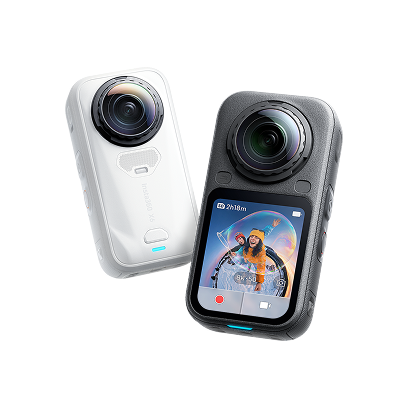
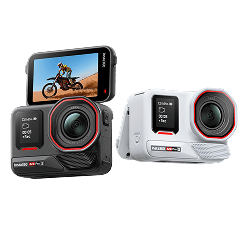
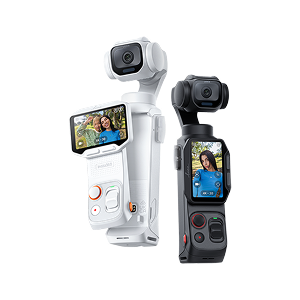
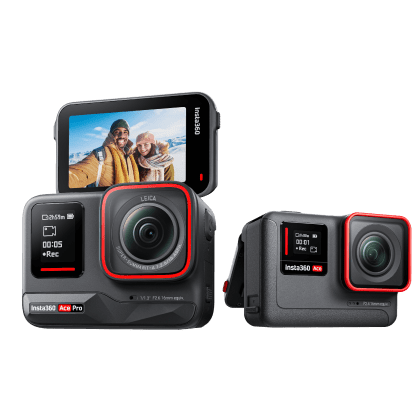
Most modern action cameras, such as Insta360 Ace Pro 2, also feature stabilization technology that compensates for camera movement and delivers smooth footage, making them ideal for POV footage. Even the bumpiest of rides can produce sharp and clear footage. They have mounting versatility, allowing users to use them in creative ways.

360 Cameras
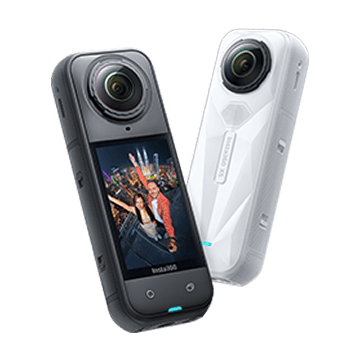
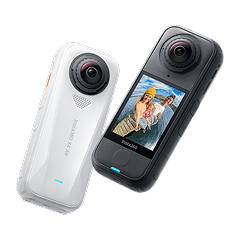
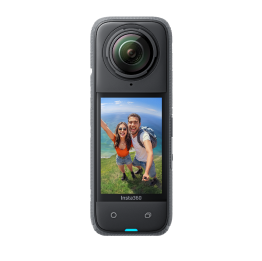
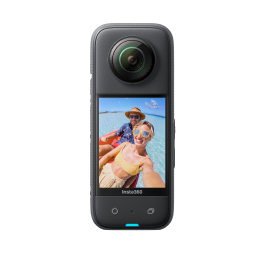
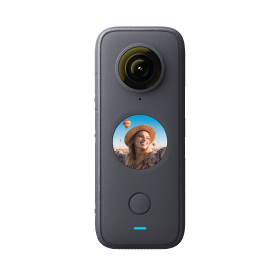
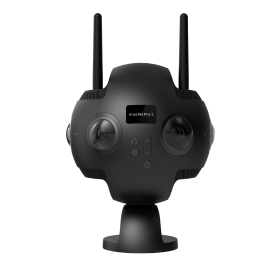
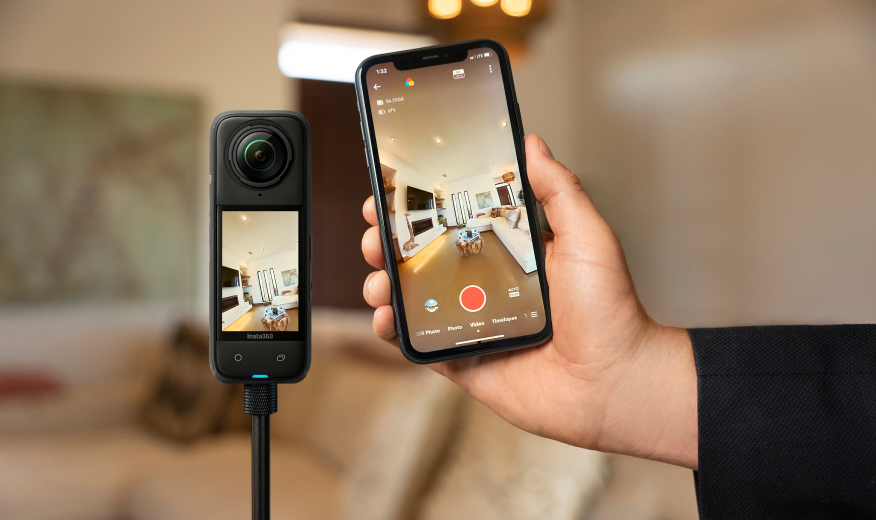
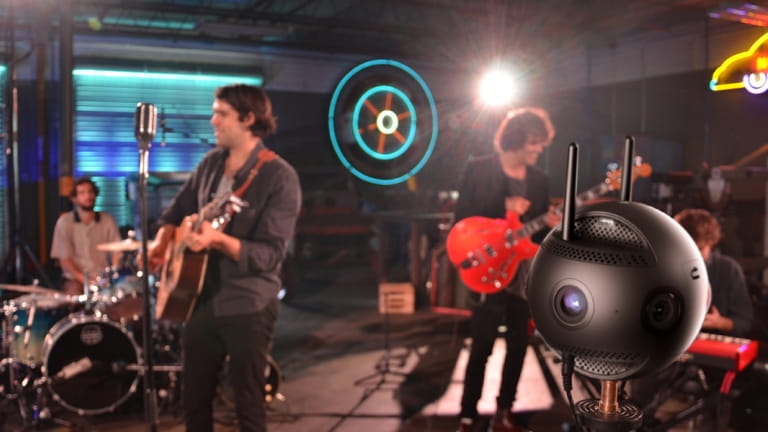
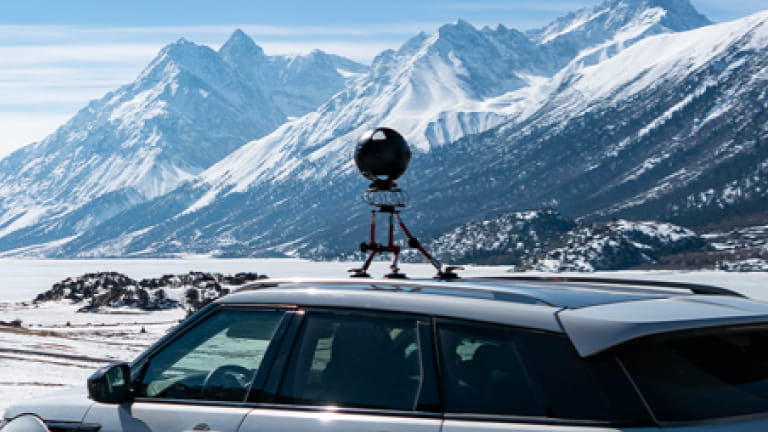
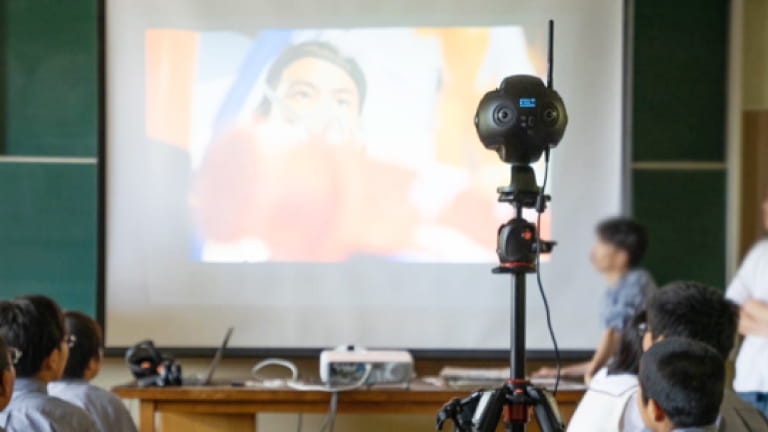
360 cameras, such as Insta360 X5, are designed to capture a complete, all-around view of their surroundings, allowing the viewer to look in any direction later on. These devices typically achieve this feat by using two ultra-wide-angle lenses and stitching the footage together.
Like action cameras, 360 cameras are typically weather-resistant and can be mounted on a wide variety of surfaces. They allow for plenty of creative freedom, resulting in dynamic and captivating footage.
Which Camera Type Should You Choose?
The type of camera you choose depends on your photography goals. Compact cameras are ideal for casual photographers seeking a straightforward way to capture moments without breaking the bank. They are easy to use, though they have many limitations compared to other camera types.
Entry-level DSLRs are traditionally more durable and affordable than their mirrorless counterparts. Despite advancements in camera technology, DSLRs still hold their own. They also offer exceptional battery life, making them ideal for beginners who wish to develop their craft.
If you’re looking for a smaller, lighter camera for on-the-go shooting, consider a mirrorless camera. They typically provide faster shooting, and the electronic viewfinder (EVF) offers a live preview of the final image.
If you’re leaning toward filmography or capturing creative shots, consider an action or 360 camera. These compact devices offer the stability, versatility and quality you need to capture engaging footage, whether it’s an everyday vlog or a POV video of rock climbing.
Frequently Asked Questions
Is Digital or DSLR Better?
DSLR cameras are a type of digital camera. They offer benefits over other digital cameras, depending on your needs. DSLRs have interchangeable lenses and are more durable than compact cameras, and they typically have a greater battery life than mirrorless models.
How to Tell If a Camera Is Mirrorless?
Mirrorless cameras use an electronic viewfinder as opposed to a DSLR’s optical viewfinder. An EVF gives a digital preview of the image, while an OVF gives a real-time view through the lens. If the viewfinder goes blank for a split second once the shutter is pressed, that’s a sign that a mirror mechanism is at play, indicating a DSLR camera.
Can You Use an Action Camera as a Normal Camera?
Yes, an action camera can be used as a normal camera, but it has some limitations. Action cameras have a fixed wide-angle lens, which is not ideal for portrait photography. They offer fewer settings, and the smaller sensors can result in low-quality images in low-light conditions.
Choose Based on How You Want to Tell Your Story
While there may be an overwhelming number of cameras to choose from, understanding how you want to capture the world can narrow down the type. Whether you want to turn a hobby into a career or simply capture life’s most precious moments, finding the right camera is essential to turning your goals into reality.
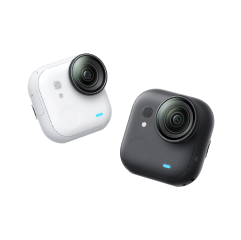
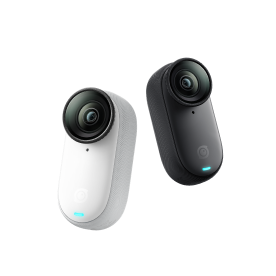
Capture the beauty of the world around you with Insta360 GO Ultra. The tiny 4K camera delivers sharp images, regardless of whether you’re shooting everyday moments or filming exhilarating POV footage.
The Insta360 Vision Awards supported by Leica are now open. Join creators worldwide for a chance to win from an US$80,000+ prize pool, including Leica cameras and Insta360 gear.
Got a story to share? Email yours to communitystories@insta360.com and win up to US$50.






%20(1).svg)


%20(1).svg)

.svg)