



















The moment you dive beneath the surface, everything changes. You’re traveling through an entirely new world—but capturing it comes with unique challenges. Visibility lessens, colors fade, and movement becomes harder to control.
It’s not just about bringing an underwater camera, but about choosing gear with the right features to handle these conditions.
In this guide, you’ll learn what to look for in underwater photography gear, from camera capabilities and dive housing to lighting and stabilization tools that help you get clear, vibrant shots.
Why Underwater Photography Requires Specialized Gear
A lot happens underwater.
Visibility can quickly drop.
Red wavelengths all but disappear at depths of 3ft to 7ft, leaving the world awash with blues and greens.
Tiny particles, almost invisible to the human eye, can create backscatter in your shots, turning a decent image into a mess of white dots.
With that in mind, you really need a modern camera designed for underwater photography. And not just a camera that can take images underwater. You need one that reacts to color loss and distortion, low-light conditions, pressure at depth, and limited mobility and control.
Waterproof or Dive Housing: Your First Essential
The first thing to consider is whether to go for basic waterproofing or a specialized dive housing.
Before you dive underwater, you need to be sure your camera can cope with what you’re about to throw at it.
Many modern cameras have standard splash resistance, and even submersion to shallow depths. But that’s the limit. Going deeper than the recommended guidelines places huge pressure on the camera, and you might find it stops working when you resurface.
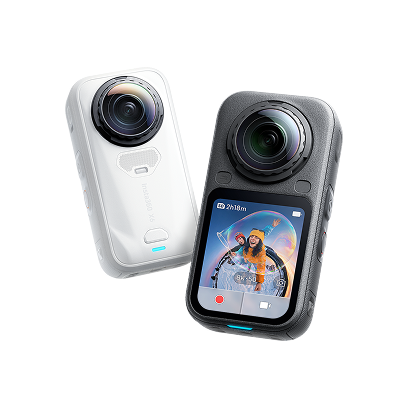
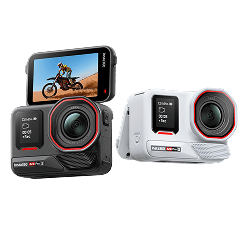
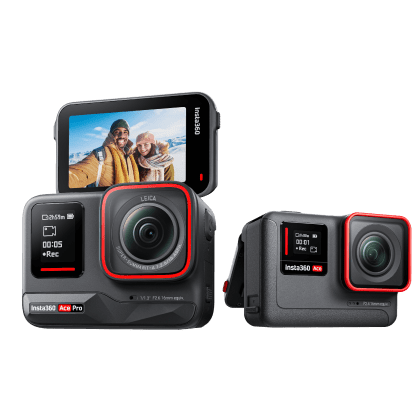
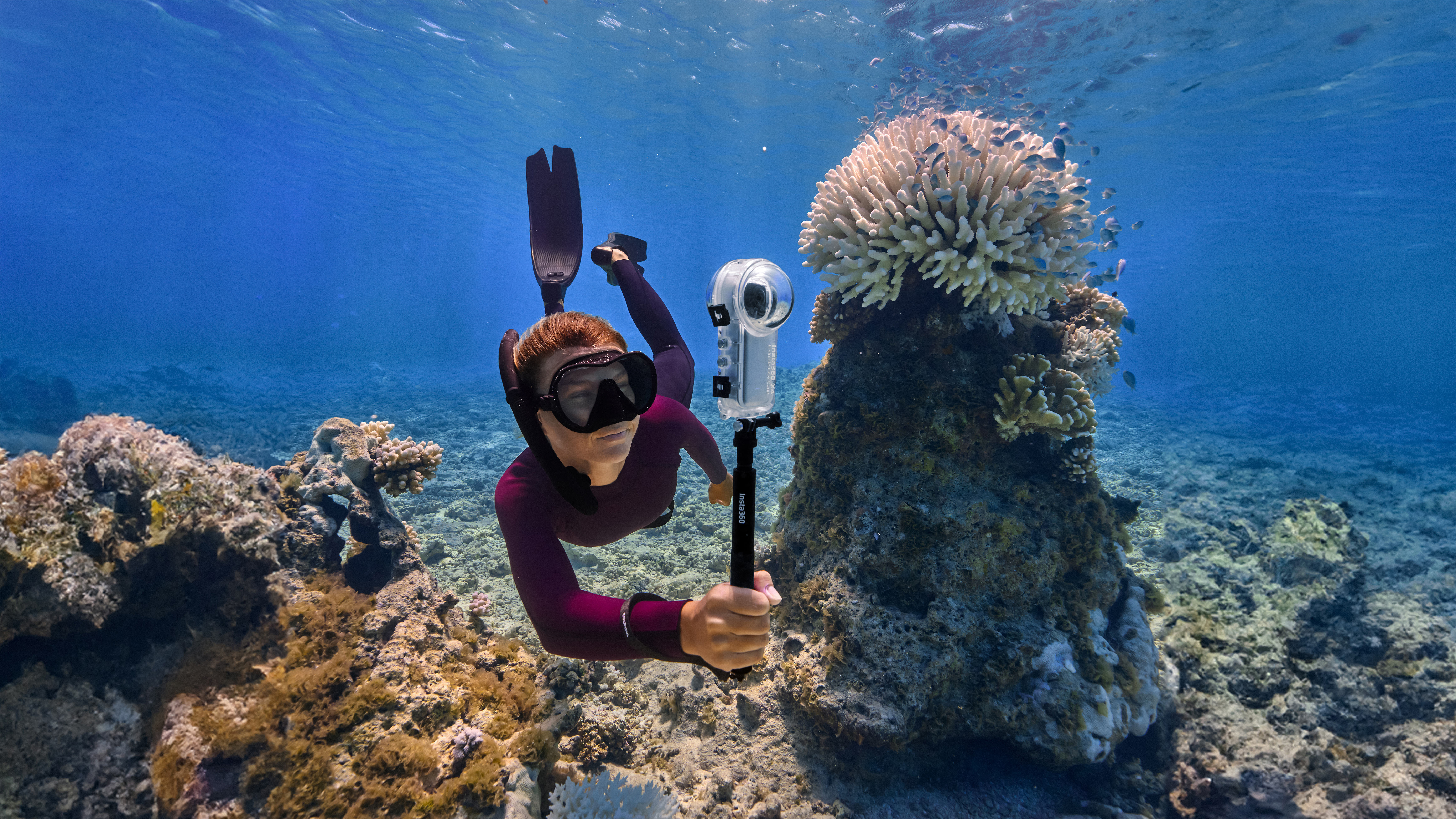
If you want to go deep, you’ll want to think about quality dive housing. As an example, adding the Dive Case to Insta360 Ace Pro 2 allows you to go down to 197ft (60m), compared to 39ft (12m) without.
Dive cases, or underwater photography housing, also give you a reliable sealing system to prevent leaks and great optical clarity through flat or dome ports. Don’t think of it as something your camera has to sit in and take photos through; think of it more as an extension of your camera.
Image Quality Features That Matter Underwater
Land-based photography has its quirks, but you can usually get around challenges if you’re creative. When underwater, however, options are limited, so you need a set of image-quality features that can work every time.
Look for features like:
- Large sensors for improved low-light performance
- High dynamic range (HDR) to balance bright surfaces and darker depths
- Advanced color processing to restore lost tones
- Wide-angle lenses to capture more while minimizing distortion
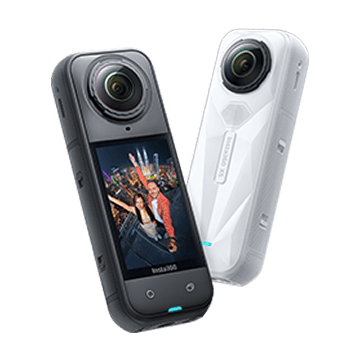
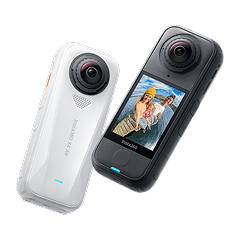
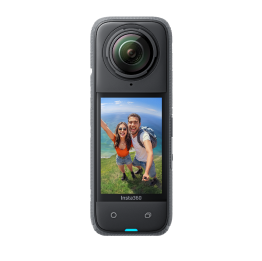
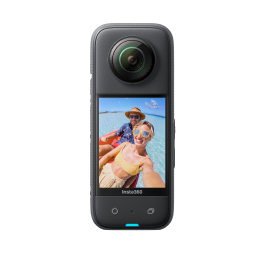
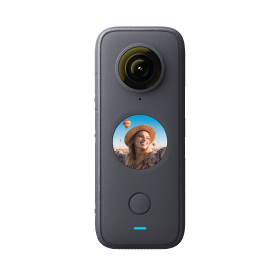
Cameras like Insta360 Ace Pro 2 are designed to deliver strong image quality in these conditions, while 360 action cameras like Insta360 X5 and Insta360 X4 give you the flexibility to capture every angle at once and choose your best shot later.
Lighting Equipment for Underwater Photography
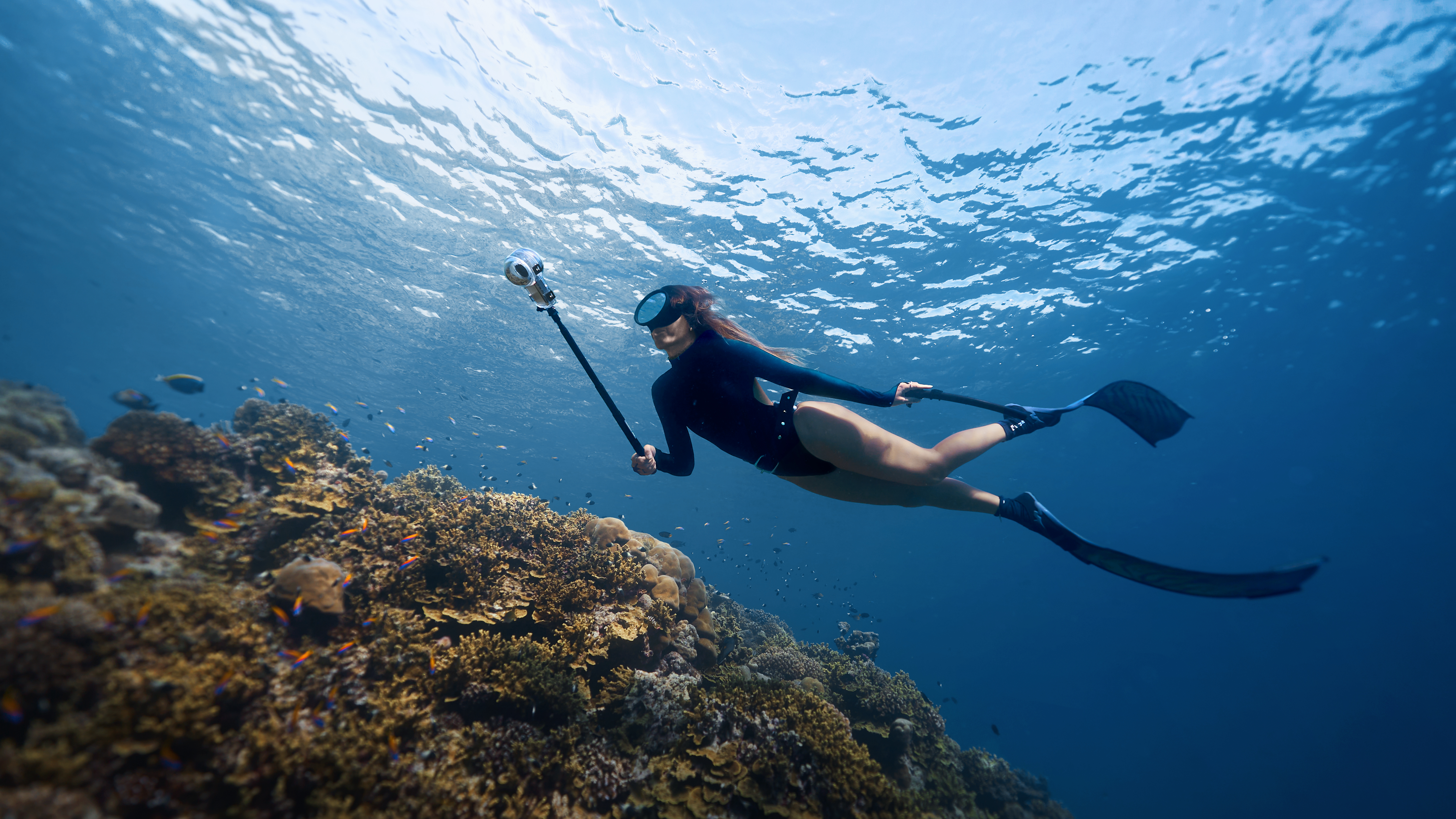
The sunlight zone in the ocean technically extends down to 656ft (200m). But in reality, once you kick down just 6.56ft-9.84ft (2m-3m), light begins to fade fast.
At this point, artificial lighting becomes a necessity if you actually want people to know what you’re taking a picture of. It helps restore color and enhance clarity, bringing the subject back to life out of that murky darkness.
There are a few options here.
Camera lights are your best bet for stable, continuous illumination, while specialized strobes will sharpen detail.
The key is to illuminate your subject, not necessarily the water immediately around your camera, which might pick up particles and create backscatter.
Stabilization and Mounting Options
Every movement in the water is amplified. Even the slightest kick or stroke can be picked up on camera, and simply breathing creates motion that can ruin a good image. Stabilization and mounting play a key role in getting usable footage.
| Option | What It Does | When to Use It |
| Built-in stabilization | Smooths out shakes and small movements automatically | General underwater shooting, swimming, or drifting shots |
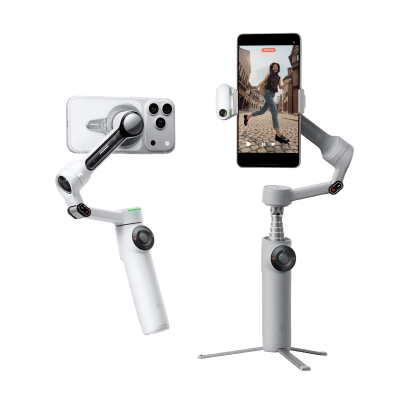
| Handheld grips | Provides a more stable hold and better control | Controlled shots, close-up subjects, slower movement |
| Body mounts | Secures the camera to your body | Hands-free POV shots while diving or swimming |
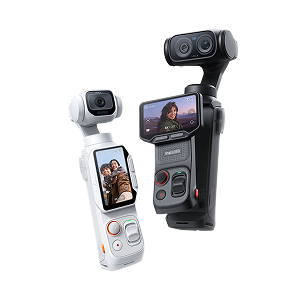
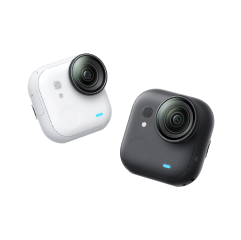
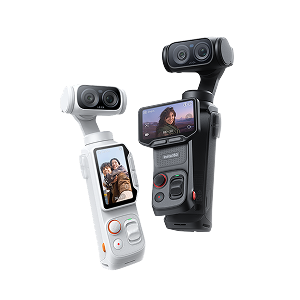
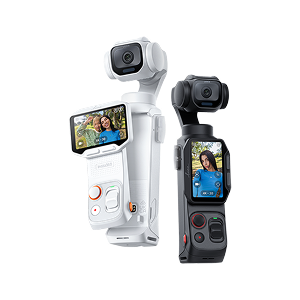
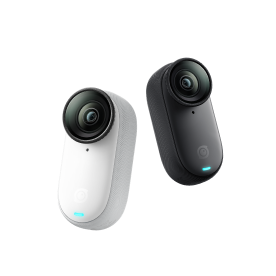
| Compact wearable camera | Lightweight cameras, like Insta360 GO 3S and Insta360 GO Ultra, that can be mounted almost anywhere | Creative angles without added bulk |
Durability and Safety Features Divers Should Look For
Underwater environments put different kinds of stress on your gear. Salt water can cause corrosion, sand can scratch surfaces, and constant pressure changes can wear down seals and internal components over time—which is why having durable, well-sealed equipment is so important.
Essential durability features include things like:
- Corrosion-resistant materials
- Reinforced seals and locking mechanisms
- Anti-fog inserts and coatings
- A high level of shock resistance
Durability and safety go hand in hand. If your camera can take care of itself, you can focus on the water, staying safe, and getting the best images.
Battery Life and Storage Considerations
Underwater photography isn’t the best place to swap out a dying battery. Cold water tends to drain batteries particularly fast, and that’s intensified if you’re shooting in a high-resolution format. So, you want an underwater camera that can keep going throughout your dive without interruption.
Look for something with an extended battery life that also comes with efficient power-saving modes so you can keep shooting even when batteries are low.
A high-capacity storage card is a must for long shoots underwater, again, especially if you’re shooting at high resolution for long periods.
Shooting in bursts rather than continuous recording can help preserve both battery and storage, particularly on extended dives.
Frequently Asked Questions
Do You Need Special Underwater Photography Lighting?
Yes. Natural light fades quickly underwater, so you’ll need some additional lighting. Most modern cameras come with a good-quality auxiliary light, with other options carrying a separate, high-strength light. This provides more illumination but adds inconvenience.
Is Underwater Photography Hard?
Underwater photography can be challenging at first, especially as you get used to buoyancy and lighting challenges. But once you’ve got the basics under your belt, it’s incredibly fun and easy to progress quickly.
Are Action Cameras Good for Underwater Photography?
Absolutely. Action cameras are usually tough all-rounders that can do a variety of jobs, like underwater photography, as well as sports. They typically have great stabilization and image quality, which makes them perfect for underwater use.
Final Thoughts
Underwater photography is accessible, yet many presume it comes with so many obstacles—specialized cameras, training, etc.—that most never try it.
Modern action cameras are designed to do a variety of tasks and excel in numerous situations, including underwater. The key is having the right kind of housing to suit your needs, stabilization, optimal lighting, and high durability.
Whether you’re diving through the coral, venturing far down to a distant shipwreck, or simply splashing through the waves with the family, Insta360 water sports cameras are up to the task and much more.
Keen to keep up to date on Insta360 stories? Keep an eye on our blog and sign up for our mailing list. Got a story to share? Email yours to communitystories@insta360.com and win up to US$50.







%20(1).svg)


%20(1).svg)

.svg)