













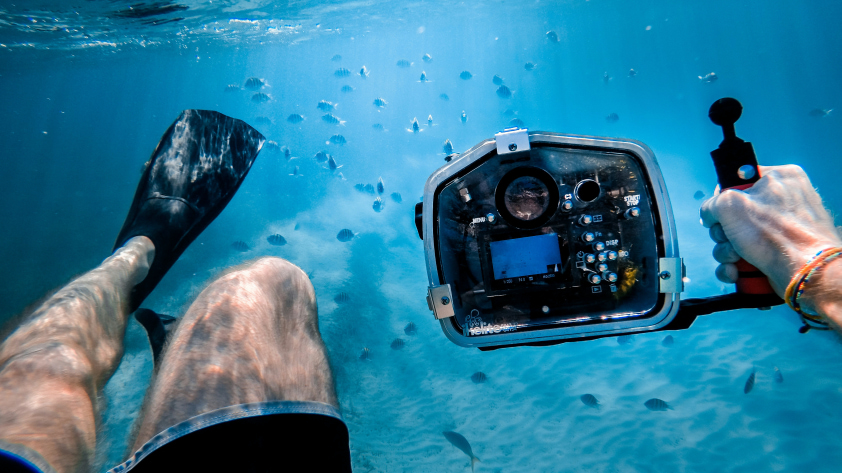


Underwater photography captures visual stories in a space few explore and fewer still master. It's more than shooting below the surface, it's learning to see things differently. The way light penetrates the water. The way subjects move with the current. The ability to shoot underwater opens up a whole new world of creative storytelling possibilities.
Underwater Photography is Having a Moment
Ocean content is all over social feeds, and it's not just pros posting incredible content. Travelers, creators, divers, and even casual snorkelers are capturing and sharing images and footage of a quality that was unimaginable even just a few years ago.
What has changed?
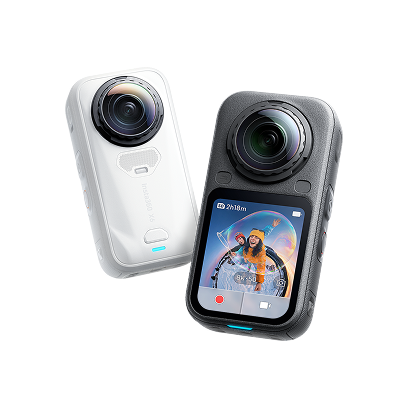
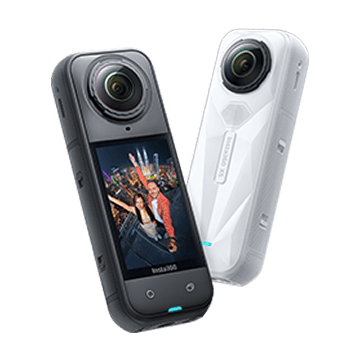
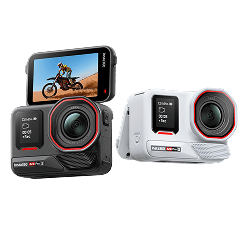
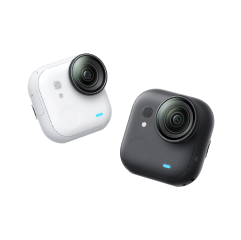
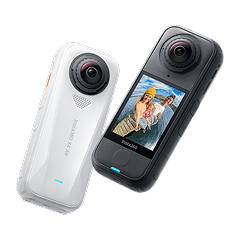
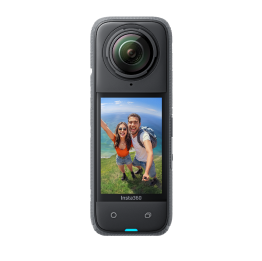
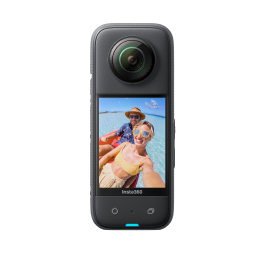
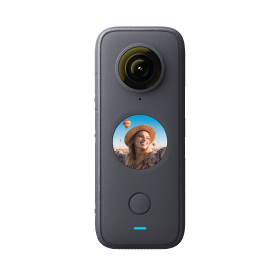
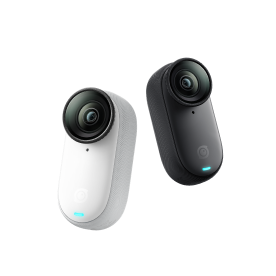
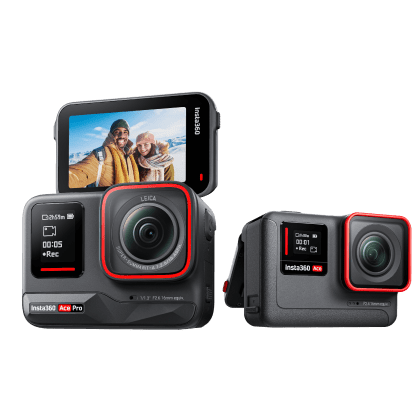
Underwater footage used to mean bulky housings, short life batteries, and grainy images. Today creators can clip an Insta360 GO 3S to their swim cap, descend with an Insta360 X6 mounted to an Invisible Selfie Stick, or mount an Insta360 Ace Pro 2 on their scuba goggles and capture exceptionally high quality images and footage up to 8K.
- This new breed of action camera brings cinema-grade quality to pocket-sized hardware.
- Well engineered and affordable accessories now support deeper, longer, smarter shooting.
- AI tools make it quick and easy to edit for great results.
Super compelling content is going viral:
And to be clear it's not really about cool new tech. It's more about what creators are doing with it...
- 360 reef journeys with immersive audio
- POV freedives through sea caves
- Surfboard-mounted content for viral edits
- Casual snorkeling clips with vivid clarity
With the ability to capture incredible, high quality images creators are getting more views, more engagement, and more people jumping in, literally.
So, What Is Underwater Photography Exactly?
Underwater photography is all about taking photos or videos submerged, or at least semi-submerged underwater. That includes oceans, lakes, pools, surf breaks and rivers.
When shooting underwater you will need to learn to deal with things that are not an issue on land:
- Light bends and fades quickly
- Colors shift, especially reds and yellows
- Movement is slower, and subjects drift
Despite the challenges, underwater filming opens up a new way to tell stories. Whether it’s capturing marine life, a friend snorkeling, or the textures of a coral reef, it’s about sharing what most people never get to see.
What can you capture underwater?
Ultimately you are only limited by your imagination, but here's some inspiration to get you thinking about your next underwater mission...
- Wildlife: Fish, sea turtles, coral, and more
- Scenic: Reefscapes, caves, or just waves from below
- Human: Divers, swimmers, or kids in the pool
- Purpose-driven: Conservation footage or scientific research
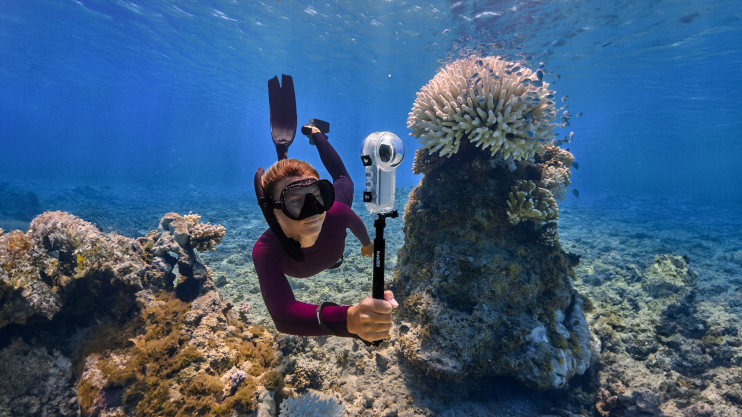
Essential Factors for Underwater Photography
1. Equipment That Can Keep Up
Your underwater photography camera needs to survive, adapt, and perform—no matter the depth or the current.
| Model | Waterproof Depth | Notable Features |
| Insta360 X6 | 65ft (20m) | Replaceable Lenses 2.0, PureVideo, InstaFrame 2.0 |
| Insta360 Ace Pro 2 | 39ft (12m) | Leica lens, 8K30fps, Dual AI Chips |
| Insta360 GO 3S | 33ft (10m) | Ultra-light, 4K, wearable design |
| Insta360 X4 | 33ft (10m) | 8K 360, long battery, Invisible Dive Case |
Want to dive deeper? Add a dive case. Insta360’s latest model dive cases extend waterproofing to 197ft (60m) which gives you plenty of scope to explore.
2. Features That Matter Underwater
- Low Light: Insta360 PureVideo mode excels in twilight zones
- Stabilization: FlowState keeps footage shake-free, even mid-surge
- High Frame Rates: Lets you capture motion without blur
- Color Tech: AquaVision 2.0 corrects blue tint post-capture
3. Quality of Light
- Sunlight fades fast at depth; filming around midday light will maximise the light at depth for better color rendering and reduced shadows
- Deeper than 33ft (10m)? Consider strobes or LED rigs
- If you are filming in relatively shallow water you can try when the sun is lower in the sky for moodier or dramatic lighting
4. Buoyancy Is Control
- Practice neutral buoyancy if diving
- Move slowly; water exaggerates every twitch
- Avoid fins-on-the-floor. Silt clouds ruin good footage
5. Composing the Frame
- Include scale: a diver, a ray, a coral fan
- Think depth: foreground, midground, background
- Shoot wide, reframe later (especially with 360 footage)
Underwater Photography Accessories You Really Need
| Accessory | Use Case | Models Supported |
| Invisible Dive Case | Seamless 360 underwater views | Insta360 X5 & X4 |
| Standard Dive Case | Reliable protection for flat shooting | Insta360 GO 3S |
| Floating Hand Grip | Buoyancy and visibility | All |
| Anti-Fog Inserts | Stops internal fogging | All with dive cases |
| Lens Guards (Premium) | Protects glass without distortion | Insta360 Ace Pro 2 & X5 |
| Quick Release Mount | Faster setup and teardown | Insta360 Ace Pro 2 & X5 |
These aren’t optional. They’re essentials for clean footage and reliable performance.
Best Cameras for Underwater Photos
| Camera | Ideal For | Depth | Max Resolution | Key Underwater Features |
| Insta360 X6 | Immersive 360 dives | 65ft (20m) | 8K50fps 360 | PureVideo, InstaFrame 2.0, Replaceable Lenses 2.0 |
| Insta360 Ace Pro 2 | Pro-grade low-light capture | 39ft (12m) | 8K30fps | Dual AI Chips, Leica optics, Gesture Control |
| Insta360 GO 3S | Everyday POV, pets, kids | 33ft (10m) | 4K30fps | MegaView FOV, magnetic mounts, compact |
| Insta360 X4 | Entry-level 360 exploration | 33ft (10m) | 8K30fps 360 | Invisible Dive Case, long runtime |
| Insta360 Ace Pro | Budget flat capture | 33ft (10m) | 8K24fps | Clarity Zoom, Color Modes, Flip Screen |
We’ve also done a deep dive on choosing the best waterproof camera if you’d like to learn more.
Going Deeper With Insta360 X6
If we had to pick a favorite camera to lead the way underwater, Insta360 X6 is the camera. It is waterproof to 65ft (20m) with no case at all, so pools, surf, and snorkel sessions need nothing but the camera and a strap.
What sets it apart is what happens to the image once you are under. Dual custom Sony 1/1.1" sensors pull in far more light than previous generations, which matters in a place where light disappears fast. Beyond that:
- 10-bit color and I-Log: hold onto the color information you need to grade the reds back into a reef instead of fighting a flat blue file.
- AdaptiveTone 2.0: meters each lens independently, so one lens facing bright surface light and the other facing a shaded wall both come back usable.
- PureVideo: cleans up the low-light footage you get at depth, in murky water, or under an overcast sky.
- 360 capture: point the camera roughly the right way, then reframe once you are dry. Underwater is exactly where "shoot everything, frame later" earns its keep.
Tips for Beautiful Underwater Photography
- Get Close, But Not Too Close: Water absorbs light and reduces contrast quickly, so the closer you are to your subject, the sharper and more colorful the shot. But if you get too close, you risk scaring wildlife or casting shadows.
- Swim Smooth: Sudden movement can stir up sediment, blur footage, or disrupt marine life. Use slow, steady motions and control your breathing to keep shots stable—especially when using a selfie stick or mounting system.
- Frame With Intent: Underwater scenes can feel vast and empty. Anchor your frame with a subject, like another diver, a passing fish, a unique coral formation, to add scale and story to your footage.
- Chase the Light: Early afternoon light penetrates water best. Film when the sun is overhead for the most vibrant colors and fewer shadows on your subject. Midday sun is also best for deeper dives, but you may need to use artificial lights to restore contrast and color at real depth.
Edit Like a Pro
Editing underwater footage can be a challenge, but with Insta360’s tools, it's fast, and beginner-friendly. And the good news? If you are in the Insta360 ecosystem you already have everything you need.
Step 1: Start With the App
If you’re on the go or want a quick social-ready export, the Insta360 app delivers powerful tools right from your phone.
- AquaVision 2.0: Removes the blue/green haze with a tap, restoring true-to-life color.
- AI Highlights Assistant: Finds the best moments automatically, so you spend less time scrubbing through clips.
- InstaFrame Mode (Insta360 X5): Captures a flat-framed video and a 360 clip simultaneously—edit either or both.
From there, you can trim, reframe, or export directly to your social feed.
Step 2: Upgrade Your Edit on Desktop
For longer or more polished edits, Insta360 Studio gives you full control.
- Reframe with Keyframes: Navigate through your 360 footage and set keyframe transitions to direct focus.
- AquaVision for Desktop: Apply color correction to entire clips with adjustable intensity.
- Export in ProRes 422 LT: Maintain high detail and dynamic range in your final export.
Editing doesn’t have to feel like a chore. With AI-powered tools and intuitive controls, your post-dive workflow becomes part of the creative process.
Which Underwater Camera Is Right for You?
| Use Case | Pick This Camera | Why? |
| Tropical Explorer | Insta360 GO 3S, Insta360 Ace Pro 2 | Lightweight, versatile, quick setup |
| Deep Diver | Insta360 X6 | Dive Case support, PureVideo, deep color fidelity |
| Travel Vlogger | Insta360 Ace Pro 2 | Flip screen, voice control, color profiles |
| Budget Adventurer | Insta360 Ace Pro, Insta360 X4 | Strong baseline performance |
| Poolside Moments | Insta360 GO 3S | Clip-on and go, great for family fun |
Real-World Inspiration
Underwater footage isn’t just about technique. It’s about connection, to the ocean, to people, and to unforgettable moments. Here are a few real-world examples that show what’s possible when you bring the right camera below the surface:
- Wreck dives with Insta360 X6: With 8K 360 capture and PureVideo enabled, creators explore sunken ships and forgotten machinery with eerie clarity. Lighting flickers through broken hulls while AquaVision 2.0 brings out rich greens and browns that are normally lost in shadows.
- Children’s first swim shot on Insta360 GO 3S: Worn on a magnetic pendant or clipped to a cap, GO 3S captures candid, wide-angle footage from a child’s perspective. Splashing in the pool becomes a cinematic, POV highlight reel—easy to shoot and even easier to share.
- Cliff jump POVs with Insta360 Ace Pro 2: With gesture control enabled, creators record hands-free jumps and mid-air flips with crisp clarity. AquaVision handles glare from the surface, and the footage stays level thanks to built-in Horizon Lock.
- 360 coral scans on Insta360 X5: The Invisible Dive Case enables seamless stitching even deep below. A gentle pan through coral beds becomes a guided virtual tour. Viewers can look around as if they were there themselves.
These aren’t just examples, they’re blueprints. No matter your skill level or location, there's a camera setup that lets you turn a swim, dive, or snorkel into a story worth sharing.
FAQs
Is Insta360 X6 waterproof?
Yes! Up to 20m without a case, or 197ft (60m) with the Invisible Dive Case Pro.
Which camera is best for scuba diving?
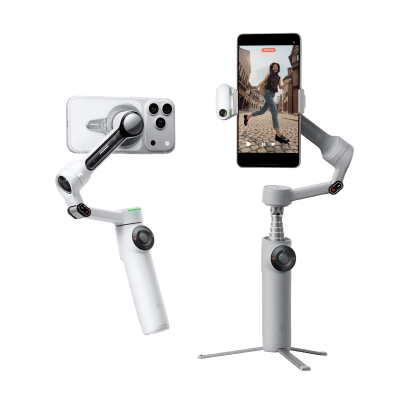
Insta360 X6 or Insta360 Ace Pro 2 are both great choices for most shooters. X5 has an accessory dive case that extends waterproofing to 197ft (60m). Insta360 X6 paired with the Invisible Selfie Stick is a great way to capture a 360 view all at once, so you don't miss a thing.
Do I need extra light?
As a general rule of thumb you probably only need external lighting deeper than (10m) or in murky water. You can use PureVideo mode to help in low light situations.
Can I film in 360 underwater?
Yes. Insta360 X6 and Insta360 X5 support 360 underwater filming, both stills and video.
Dive In. Shoot Sharp.
Whether you’re capturing your kids splashing around in the shallows, or freediving with turtles, underwater photography lets you capture and preserve scenes that most never get to see.
With Insta360, you’re not just shooting content. You’re bringing a hidden world into focus.
Explore the full Insta360 lineup. Gear up. Hit the water. And film the extraordinary.
Keen to keep up to date on Insta360 stories? Keep an eye on our blog and sign up for our mailing list. Got a story to share? Email yours to communitystories@insta360.com and win up to US$50.







%20(1).svg)


%20(1).svg)

.svg)