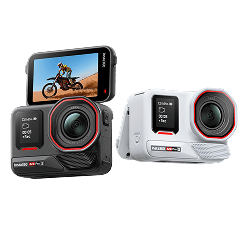
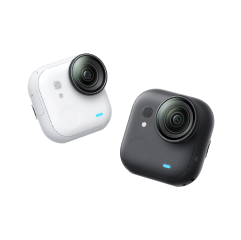
















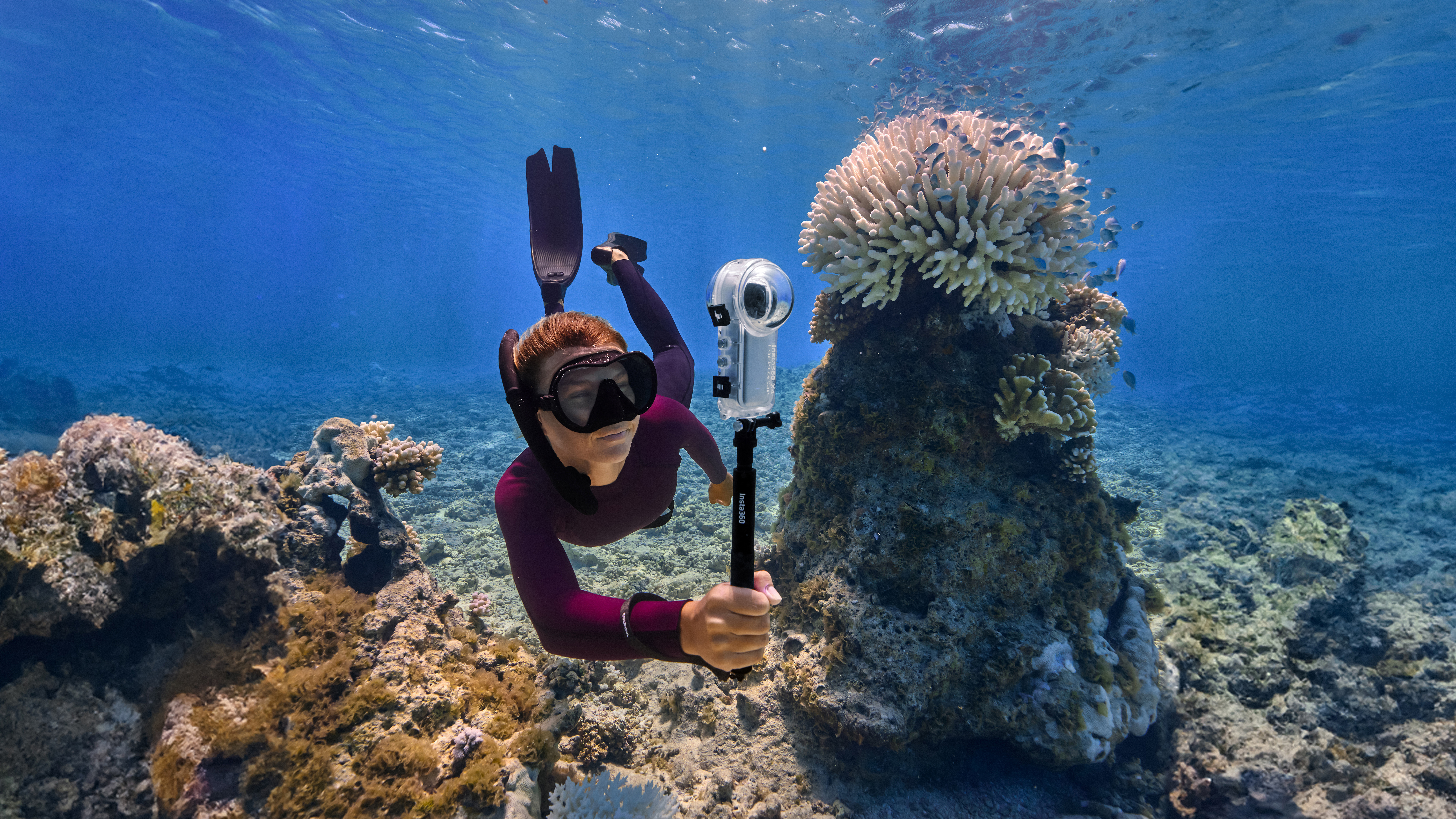


Whether you're free-diving off the coast or snorkeling near shore, your camera needs to do more than survive underwater—it needs to capture the scene clearly, securely, and in full. That’s where an underwater photography housing comes in. Built for deep water, sharp footage, and peace of mind, Insta360’s dive cases offer serious upgrades over native waterproofing.
Why Use a Camera Case for Underwater Photography?
Underwater camera gear isn’t just about keeping your device dry. Beyond 10 or 15 meters, pressure increases rapidly and water clarity shifts. Light fades, distortion increases, and anything less than a purpose-built housing can compromise your footage or your equipment.
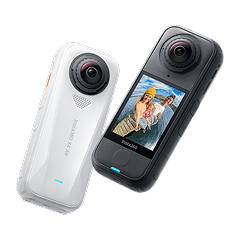
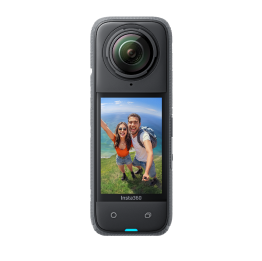
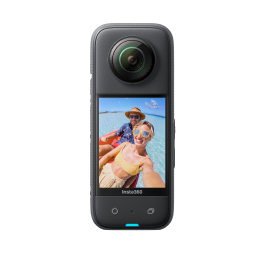
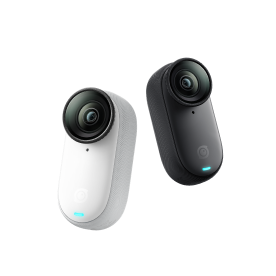
Insta360 X6 and Insta360 GO 3S all offer native waterproofing. But for divers, explorers, and creators who push past the shallows, a dedicated underwater photography housing is a must-have.
Meet the Lineup – Insta360’s Dive Cases
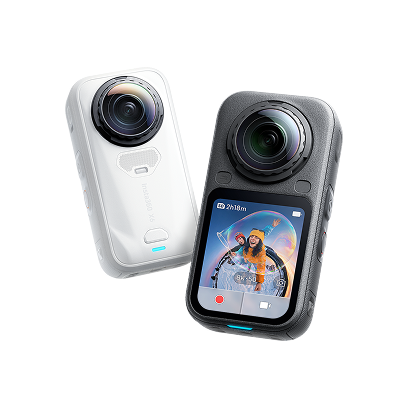
Insta360 X6 Invisible Dive Case Pro
Insta360 X6 is IP68-rated and waterproof to 65ft (20m) on its own, which covers snorkeling, surf, and most of what happens near the surface. Water still bends light before it reaches the lenses, though, and that refraction warps the dual fisheye view and breaks the stitch. For clean 360 below the surface, you want the case.
Insta360 X6 Invisible Dive Case Pro takes X6 down to 197ft (60m) and ships with dedicated underwater lenses that correct for refraction, so footage comes back sharp and properly stitched instead of soft and distorted. Drop X6 into the case and the camera recognizes it and switches to Dive Case Mode on its own, with no menu diving before you get in the water.
- Lenses: Purpose-built underwater lenses, included in the kit and required for use. They are corrected for how light refracts in water, which keeps the stitch line clean at depth.
- Controls: In Dive Case Mode, the Quick Button and Power Button run the camera. One press starts a photo or video, a double press switches between wide-angle and 360 lens modes, so gloves are no obstacle.
- Mounting: Anti-tilt 1/4" to 3-Prong Adapter and thumb screw in the box, ready for the Invisible Selfie Stick or a dive rig.
- Build: Compact and streamlined for easier carrying, with a built-in counterweight that keeps buoyancy balanced underwater.
- Extras: 12 anti-fog inserts, lens case, lens grip and removal tools, air blower, brush, cleaning wipes, lens cloths, gloves, protective cover, and a quick-dry storage case.
Two things to know before your first dive. Remove any lens guards first, since they are not compatible with the case. And assemble the kit somewhere clean, low in dust, and below 70% humidity, because anything you seal inside stays inside. Note that X4 and X5 dive cases will not fit X6.
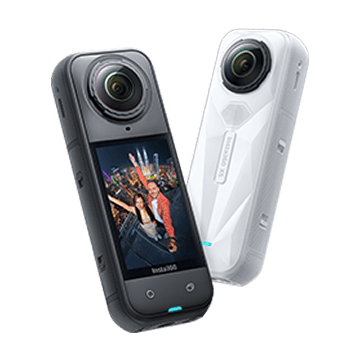
Insta360 X5 Invisible Dive Case
Insta360 X5 Invisible Dive Case is waterproof to 60 meters (197 feet). Its dome lenses enable full 360 capture with no visible stitching lines, even beneath the surface.
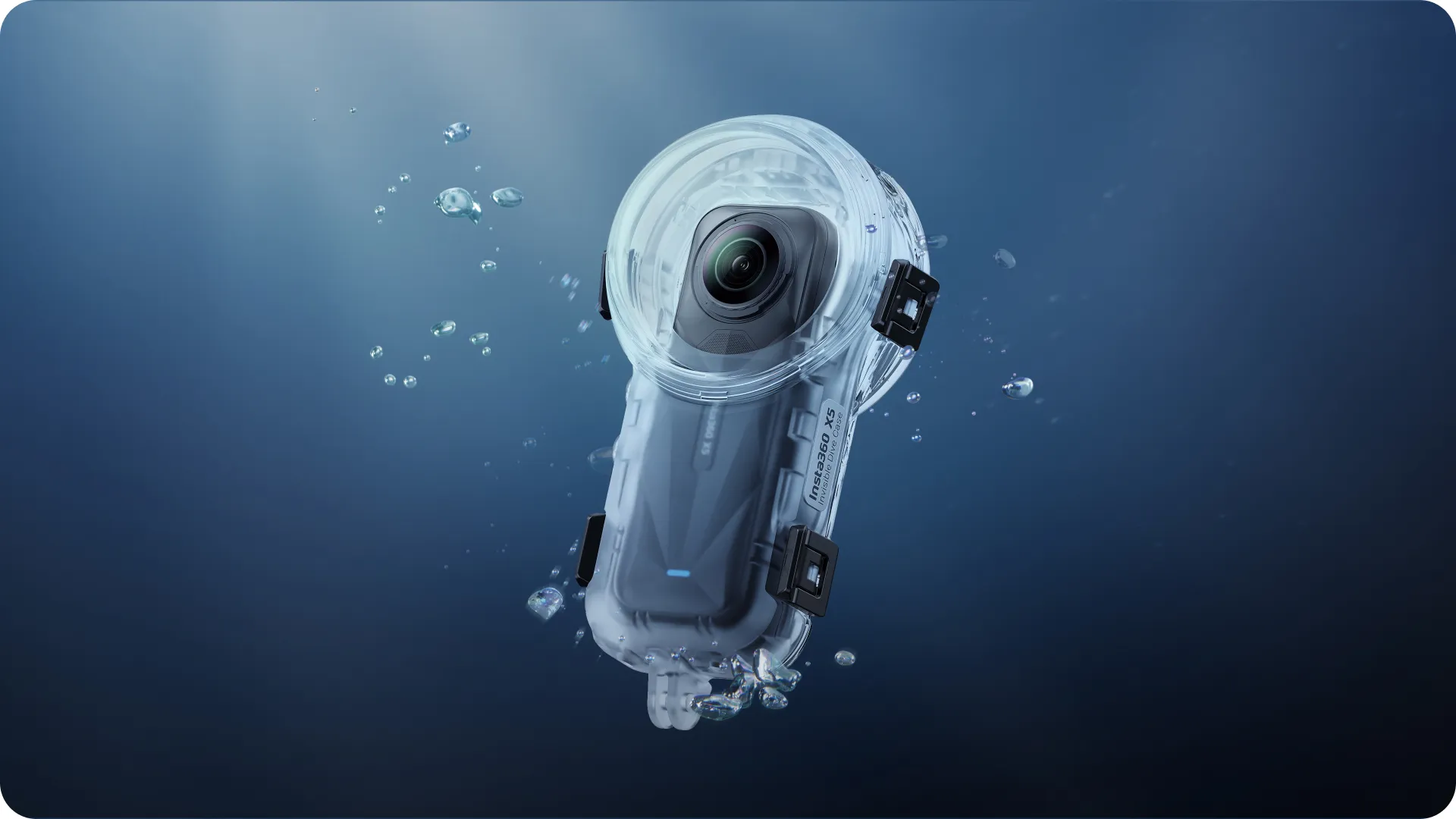
- Lenses: Transparent dome for distortion-free 360 stitching
- Mounting: Connects via a standard dual prong, and comes with a 1/4" to 3-Prong Adapter in the box (needed for the Invisible Selfie Stick)
- Build: Plastic, stainless steel, and silicone at around 200g
- Extras: Quick-dry Storage Bag and Anti-Fog Inserts included
Insta360 GO 3S Dive Case
Insta360 GO 3S Dive Case expands the limits of the smallest 4K action camera. From its reinforced lock to anti-fog inserts, it’s packed for serious submersion.
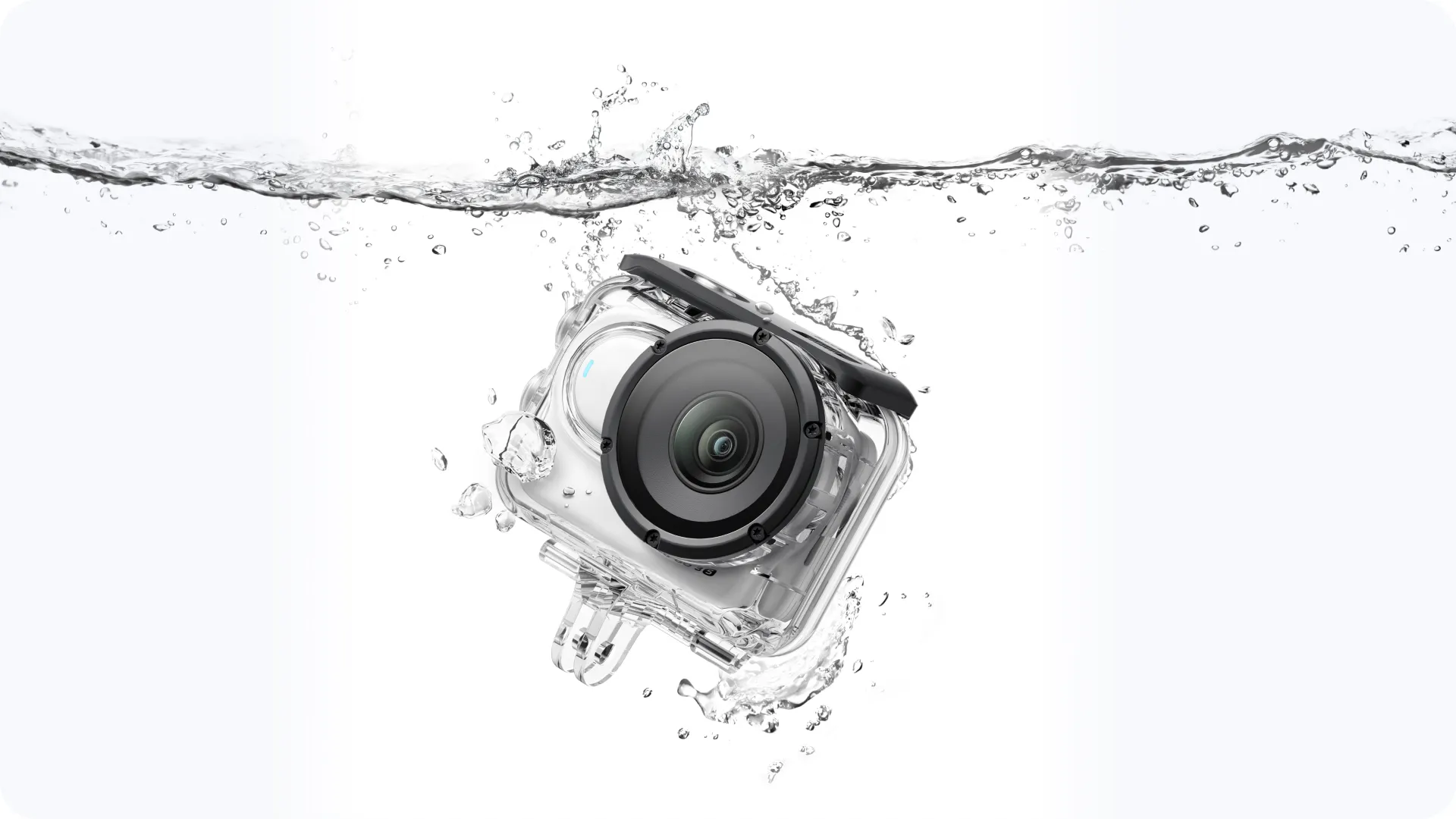
- Lens: Hydrophobic optical glass for sharp visuals
- Mounting: 2-prong with 1/4" Adapter in the box
- Build: Compact and light at around 100g, measuring 85×87×48mm
- Extras: Protective Pouch, Wrist Strap, and Anti-Slip Rings included
Underwater Camera Gear Essentials
What Makes a Quality Underwater Housing?
Not all camera cases for underwater photography are created equal. The best housings are designed specifically to maintain image quality and structural integrity at depth.
- Depth rating: Your case should match or exceed your planned dive range. All Insta360 housings in this lineup are tested to 60 meters.
- Lens clarity: Insta360 uses high-grade, engineered plastic that avoids common warping or chromatic distortion. It performs reliably even when light bends or water moves fast.
- Seal design: A firm latch mechanism with audible or tactile feedback helps confirm a proper seal before every dive.
- Mount options: Look for dual support—2-prong mounts for common accessories, plus 1/4" adaptors for versatility.
- Size & weight: A good underwater case balances durability with portability. It should protect without adding drag or bulk.
Accessories That Pair Well
No dive setup is complete without the right add-ons:
- Floating handles or grips: These help keep your camera from sinking if dropped. They also provide stability when shooting, especially in choppy water.
- Dive lights: Light fades quickly at depth. Dive lights restore color and definition, especially in darker or deeper conditions.
- Protective cases for travel: Keep your dive housing scratch-free and secure in transit. A fitted travel case ensures gear stays ready to use.
- Quick-release or wrist mounts: Whether you need a fast detachment during an activity or hands-free stability, these mounts keep your shots smooth and your setup flexible.
Dive Conditions and Camera Settings
Ideal Shooting Modes at Depth
The ideal camera settings will depend a lot on the shooting circumstances, e.g. how deep are you diving? How clear is the water? Is the sun high in the sky or is it overcast? But in general, the following modes are a good choice and will deliver great results.
| Camera | Underwater Accessories | Special Setting or Feature Used Underwater |
| Insta360 X6 | Invisible Dive Case Pro + Action Invisible Selfie Stick OR Floating Hand Grip | 360 PureVideo Mode |
| Insta360 GO 3S | Dive Case + Action Invisible Selfie Stick OR Floating Hand Grip | Video Mode + MegaView FOV |
* Note, GO 3S cannot achieve the Invisible Selfie Stick effect.
For Insta360 X6, use PureVideo mode, which is ideal for the lower light conditions you will experience underwater, especially at depth. You can also set the bitrate to high on all these cameras, which maximizes video clarity by preserving more image detail.
Check out the video below to see what you can capture with an Insta360 underwater camera:
Avoiding Fog and Water Interference
Even with high-quality sealing, condensation can sneak in and cloud your footage. Water vapor builds when warm air inside the case meets cold external temperatures. Fogging is especially common when transitioning from the surface into colder depths.
- Use anti-fog inserts: Place them in the housing near the lens before sealing. These inserts absorb residual moisture and reduce condensation risk.
- Wipe surfaces thoroughly: Dry both the camera and the inside of the housing, especially around the seals. A microfiber cloth works best.
- Seal in a dry environment: If possible, prepare your setup indoors or in a shaded, low-humidity area. This minimizes trapped moisture.
- Air it out post-dive: After use, open the case fully to dry out all components, including foam pads or lens guards. Letting the housing sit closed traps humidity and can shorten its lifespan.
Real-World Use Scenarios
- Scuba diving: Trust a housing rated to 60m for deep reef shots, coral channels, and aquatic life interaction. X6 excels here, maintaining clarity even in low-light and high-pressure conditions.
- Snorkeling: Shallow-water adventuring calls for compact setups. GO 3S is lightweight, mountable, and unobtrusive—perfect for capturing colorful reef fish without disturbing the scene.
- Cliff jumps & surf: Sudden impacts and splashes can unseat or damage unprotected gear. Dive cases offer the shock absorption and water sealing needed to keep your camera rolling through every drop and break.
- Resort content: Travelers can use dive-ready housings to create immersive POVs at water parks, coastal tours, or beach excursions—gear that’s ready to go from pool deck to reef bed.
Which Insta360 Camera Is Best for Underwater Filming?
| Camera | Max Video Resolution | Native / Case Waterproofing | Best Features Underwater | Ideal Use Cases |
| Insta360 X6 | 8K 360 | 49ft (15m) / 197ft (60m) | 360 capture, PureVideo, Active HDR | Scuba diving, immersive 360 shots |
| Insta360 GO 3S | 4K Wide | 33ft (10m) / 197ft (60m) | Extremely compact, unique mounting, FreeFrame | Snorkeling, mobile POV, lightweight setup |
You can also check out our in-depth articles on how to choose the best waterproof camera and what we think are the best diving cameras.
FAQs
What is the best camera case for underwater photography with Insta360 X6?
Insta360 X6 Invisible Dive Case Pro allows seamless 360 capture down to 60 meters, with a dome lens that maintains full clarity and stitching integrity.
Does Insta360 GO 3S need a dive case for snorkeling?
Insta360 GO 3S is waterproof to 33ft (standalone cam only, Action Pod is IPX4 water-resistant), but for deeper or longer sessions, the dive case offers better sealing, more mount options, and fog prevention.
Can I use Insta360 mounts with the dive cases?
Yes. All dive cases are compatible with standard 2-prong and 1/4" mounts, including wrist straps and selfie sticks.
What should I do after diving with underwater camera equipment?
Rinse everything in fresh water, air dry completely, and store away from heat. Clean lenses with a microfiber cloth before next use.
Got more questions about scuba diving?
Keen to keep up to date on Insta360 stories? Keep an eye on our blog and sign up for our mailing list. Got a story to share? Email yours to communitystories@insta360.com and win up to US$50.




%20(1).svg)


%20(1).svg)

.svg)