

























Retro-style photography has one golden rule: forget perfection. Forget perfect colors, contrast, and exposure—everything that you thought you needed, you don’t. At least not all the time.
It’s about doing away with the crystal clear images that people have grown accustomed to and diving back to an age when colors were muted, and photos were slightly grainy with accidental light streaks.
What Is Retro-Style Photography?
Retro-style photography is all about recreating the look and emotional feel of older photographic eras.
Instead of aiming for ultra-clean perfection, this style embraces softer textures, faded colors, visible grain, motion blur, and the subtle imperfections that made film photography feel alive and unpredictable.
Different retro aesthetics often pull inspiration from different decades.
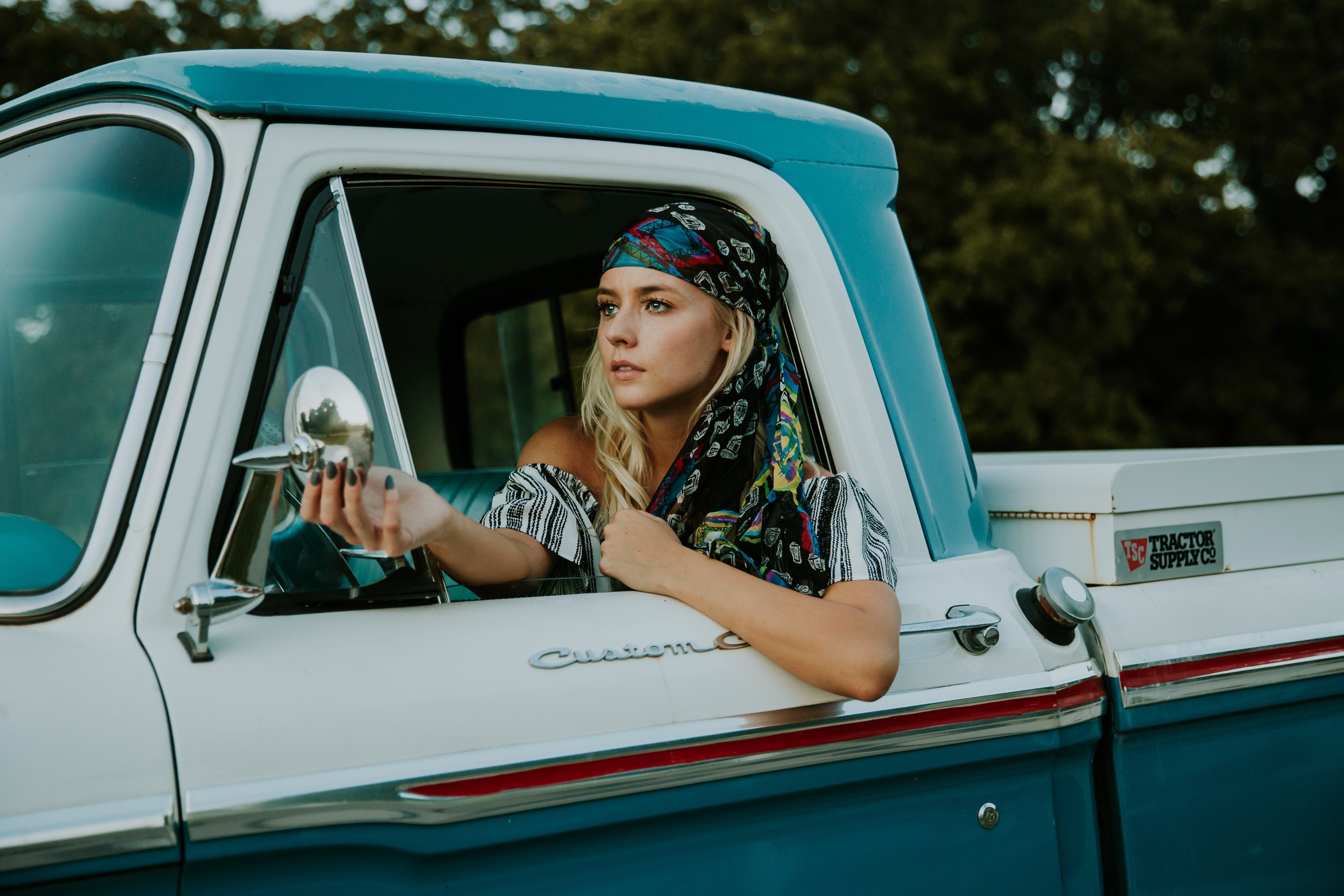
Warm tones and washed-out highlights might evoke 1970s road-trip imagery, while neon lighting and high-contrast night scenes can channel the unmistakable feel of the 1980s. Even disposable cameras, Polaroids, and early digital photography from the 1990s now influence modern retro editing styles.
Why Retro Photography Still Feels Timeless
It’s one of those quirks of photography that, as photos become closer to visual perfection, people become more and more drawn towards older styles that go against the grain. In a world full of highly optimized visuals, retro photography stands out because it feels imperfect, spontaneous, and real.
But a big part of it simply comes down to a word that means “a sentimental longing for the past.”
Nostalgia, which, funnily enough, began life in the 17th century as a word to describe homesickness, has become much broader today. It gives you that warm fuzzy feeling inside when you think about happy childhood memories, but it’s also commonly associated with the longing for particular eras.
And, according to the American Psychological Association, nostalgia can deliver a boost for your mental health because it causes the release of dopamine and other feel-good chemicals. So why not add it to your photography?
Essential Gear for Retro-Style Photography
Don’t worry, you don’t need to head to a flea market hoping to find a vintage camera from the 1970s to deliver this style of photography. With the right settings and a flexible modern camera, there’s no stopping you from shooting retro right now.
Lighting matters far more than having the newest gear. Soft natural light, neon reflections, cloudy skies, and golden-hour warmth often create stronger nostalgic moods than overly polished studio setups.
Old diners, rainy streets, faded signs, and vintage clothing can also shape the atmosphere of a photo just as much as the camera itself.
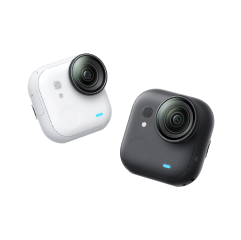
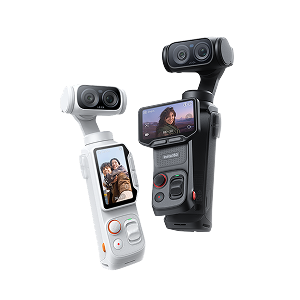
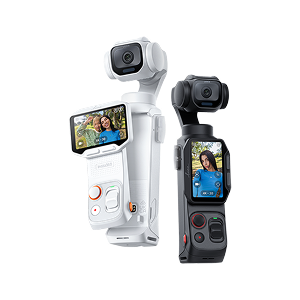
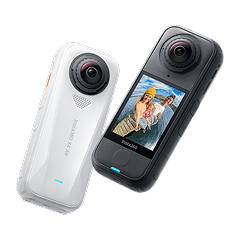
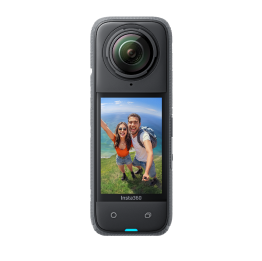
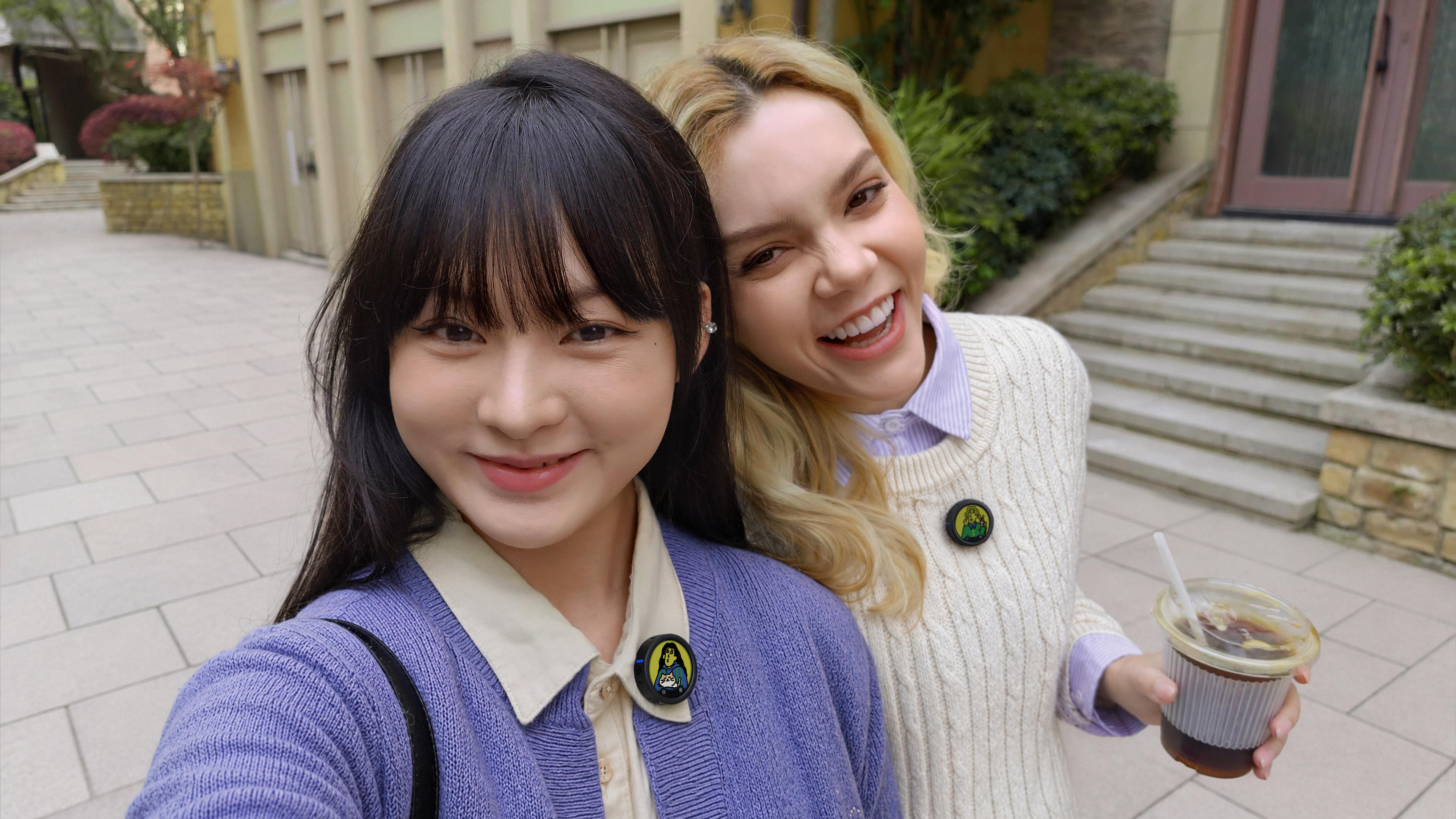
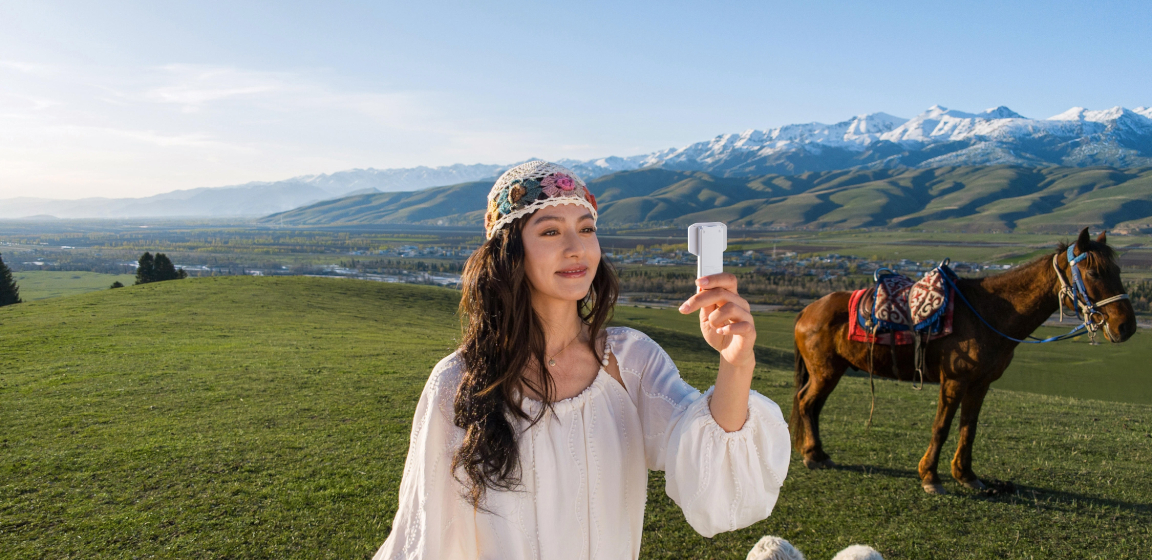
Compact cameras, such as Insta360 GO 3S, work especially well for this style because they feel spontaneous and unobtrusive. When you think about street photography from the 1970s and 1980s, photographers shot much of it on small cameras that allowed for candid moments without interrupting the scene.
Camera Settings to Achieve a Vintage Look
These days, you can simply slap on a retro filter to change any photo, but what’s the fun in that? For the real photography enthusiasts, it’s about finding the right kind of settings to create a convincing vintage aesthetic.
Contrast
Start by lowering contrast slightly. Modern digital images tend to look extremely crisp and punchy, while retro imagery usually feels softer and less aggressive.
White Balance
Warmer white balance settings can also help create the faded golden tones commonly associated with old film photography.
Sharpness
Sharpness is another setting worth reducing if your camera allows it. Older film images rarely look clinically sharp, and a little softness can instantly make photos feel more organic and timeless.
Exposure
Slight underexposure can also work beautifully because it preserves highlights and creates moodier shadows with more cinematic depth.
Motion Blur
Motion blur is another underrated tool, and not every frame needs to freeze movement perfectly. Blurred headlights, passing trains, moving crowds or ocean waves often add atmosphere and energy that perfectly sharp images sometimes lack.
How to Shoot Retro-Style Photos
Retro photography is as much about settings and filters as it is location and atmosphere. The images that really stand out are the ones that transport you to a different time, whether you actually experienced that time or not.
Let’s start with location.
Think neon-lit diners, old gas stations, rainy sidewalks, laundromats, beach boardwalks, vintage cars, and faded storefronts, all of which naturally create old-school visuals. Even ordinary locations can feel retro when photographed in the right light, but think about stripping away overtly modern imagery, say modern digital billboards, mobile phones, etc.
Golden hour is especially powerful for retro-inspired imagery because the softer light creates natural warmth and gentle shadows that resemble old film stock.
Rainy evenings work beautifully too, and reflections across wet pavement, glowing street signs, and fogged-up windows instantly create a nostalgic atmosphere.
Street photography techniques also pair naturally with retro aesthetics because they focus heavily on atmosphere, timing, and human moments. It’s no surprise that some of the biggest names in this niche, such as Joe Greer, heavily lean towards a retro vibe.
Editing Techniques for a Retro Aesthetic
Unless you’ve got everything absolutely perfect the first time around, there’ll probably be a few tweaks needed in post-production.
But, as always, go easy. A few minor adjustments are usually all that’s needed.
Grain is usually the first step. Adding a small amount of texture helps remove the ultra-clean look modern cameras naturally produce and immediately introduces a more analog feel.
Fading the blacks slightly can also soften contrast and recreate the gentler tonal roll-off commonly associated with film photography.
Color grading is next, and warm highlights, muted saturation, softer blues, and slightly faded greens often create the most convincing retro palettes. Light leaks, dust overlays, and halation effects can also add that vintage-inspired feel.
Creative Retro Photography Ideas to Try
Retro Locations
Start with some of the obvious signs of retro style, such as diners, old cars, faded billboards, arcades, and roadside motels.
Vintage Props
But also think about what props you could use that can help to transport the image back to a different time—cassettes, VHS tapes, roller skates, old magazines, vintage jackets, and headphones (remember the ones with a wire?) all instantly add nostalgic storytelling elements to a scene.
Road Trips
Road trips are another perfect match for vintage-inspired imagery. Sun-faded highways, dusty dashboards, passing landscapes, and roadside coffee stops all feel nostalgic through a retro lens.
Themed Shoots
Take a look at retro postcards online and try to recreate some of the scenes. Go to a vintage store, raid it, and set up a boho-chic photo shoot. Or do the same but go full 1920s.
Landscapes
Even simple landscape photography can have a radically different feel with the right kind of settings. The possibilities are endless, so be creative and have fun.
Start Shooting Retro Photos With Confidence Today
Forget perfect. Dial down that contrast, soften those colors, lower the sharpness, and head back in time. Retro photography is about capturing atmosphere, emotion, and moments that feel timeless. You can find an old camera, sure, but why not use what you already have?
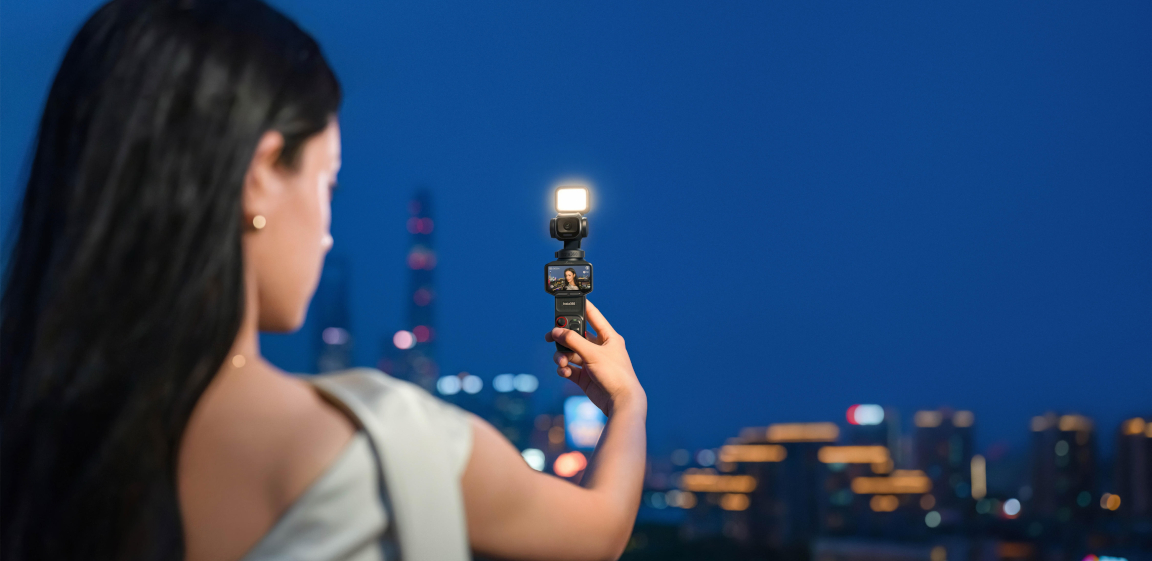
With Insta360 GO 3S, you can adjust settings to mimic the 1980s, then reverse it all, and you’re back in the present. Experience the best of both worlds. Modern power, retro style.
Frequently Asked Questions
What Are the Four Styles of Photography?
There aren’t really four determined styles of photography, per se, but four of the most popular include lifestyle, documentary, traditional (posed), and fine art photography. Each focuses on different forms of storytelling and composition.
What Is the Difference Between Retro and Vintage Photography?
Retro photography recreates older visual styles using modern equipment or editing techniques, while vintage photography usually refers to genuinely old photographs or images captured using historical cameras and film processes.
What Settings Create a Retro Photo Effect?
Lower contrast, warmer white balance, softer sharpness, subtle grain, and slight underexposure can all help create a more nostalgic film-inspired aesthetic without making images feel overly edited.
Can Smartphones Achieve a Retro Photography Style?
Absolutely. Lighting, composition, editing, and atmosphere usually matter more than the device itself. With the right approach, smartphones and compact cameras can both produce convincing retro-inspired images.
Keen to keep up to date on Insta360 stories? Keep an eye on our blog and sign up for our mailing list. You can also contact our Enterprise team directly to see how 360 cameras can benefit your business.




%20(1).svg)


%20(1).svg)

.svg)