








































When the moment takes you, when you're standing in front of a sweeping valley or a jagged coastline, it’s tempting to just lift your camera and start snapping away. It often becomes about quantity, not quality. The more, the merrier. Surely one will look great, right? The problem with this “point-and-shoot” approach is that landscapes often end up looking flat—like postcards you’ve seen a thousand times.
No variation. No uniqueness. Bland. OK, but nothing special. However, when you learn that the real magic lies not just in what you see, but in how you frame it, when you catch it, and the story you’re trying to tell, your landscape photography begins to look very different.
Master Horizon Placement and Composition
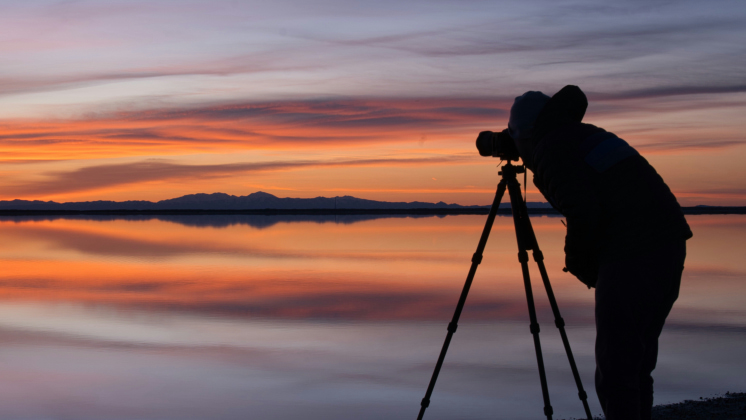
Let's start with the all-important horizon, where land meets sky and is often the focal point for landscape photography. Here, we are not just talking about making sure you have a straight line (humans tend not to like tilting images) but also what is included above and below that line.
If you place the horizon high, the ground takes over, filling the frame with texture and detail—grasses, rocks, and rippling fields. If you drop it low, suddenly, the sky becomes the subject, stretching wide and moody, a canvas for clouds and color. Welcome to the rule of thirds, where traditional photography tells you to break the frame into three parts and then decide which two matter most.
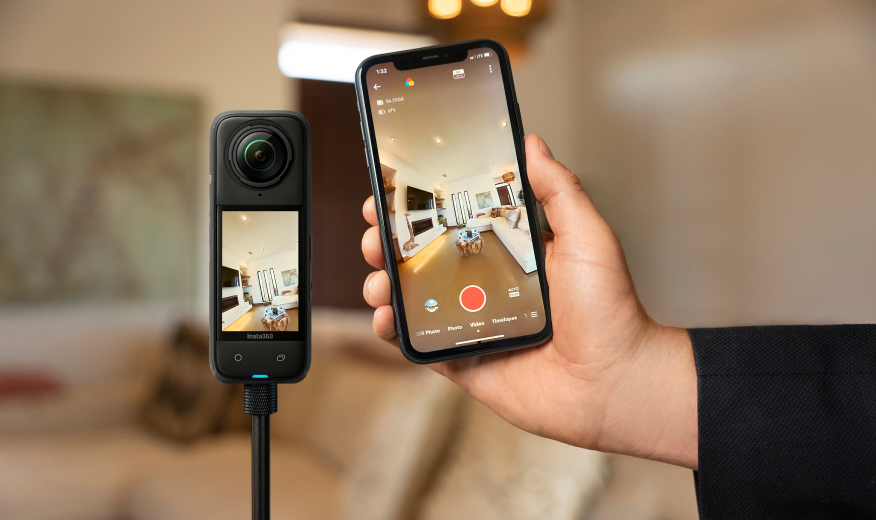
But to quote five-star U.S General Douglas MacArthur, “Rules are mostly made to be broken and are too often for the lazy to hide behind.” Just because the photography manual preaches in thirds doesn't mean you should stick to it. Experiment and be bold. If you have an awe-inspiring sunset, why not capture more sky—if the land is the focal interest, vice versa. And while tripods keep things steady, cameras like Insta360 X5 give you a safety net with real-time horizon leveling. It’s one of those features you don’t think you need—until you’re cursing at a batch of tilted shots later.
Explore Perspective: Z-shapes, S-shapes, and Depth
Once you’ve got your horizon under control, the next challenge is leading the viewer somewhere. A flat photo doesn't lead you anywhere. Instead, you glance at it, shrug and move on. There's nothing that draws you in. No lines for the yes to follow, no shapes for the mind to linger on, and few breadcrumbs for the viewer to explore.
S-curves are the classics. Think winding rivers, country roads or coastlines that snake and keep the viewer moving, never quite knowing what’s around the bend. Z-shapes work differently: they zig, zag, and then push you back into the distance, giving a sense of structure and pace. Together, these shapes trick your brain into feeling depth in what is essentially a flat image.
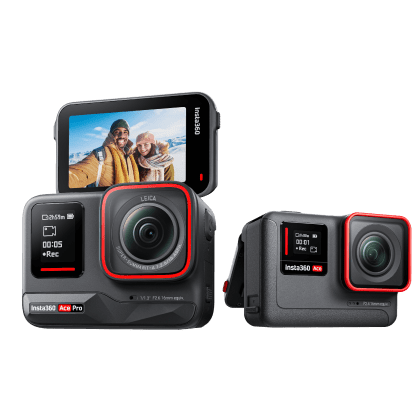
Layering is another common photography trick. Obviously, an image is two-dimensional, but the human mind can see it as three-dimensional with layering. Thinking about a boulder in the foreground, a forest in the middle and mountains at the back, and suddenly the scene has scale—you feel like you could step inside. Drop your perspective low to exaggerate leading lines, or climb higher for a sweeping view that flattens shapes into patterns. The possibilities are endless, and a shot can change completely with just a slight alteration in angle. With a camera like Insta360 Ace Pro 2, wide-angle precision makes those depth cues sharper, making the “walk into this picture” effect even stronger.
Refine Depth, Focus, and Motion
Depth isn’t just about shapes and layers—it’s also about where you decide to focus and how much of the scene is sharp. A narrow aperture (think f16-f25) keeps everything crisp, from the grass right in front of you to the distant peaks on the horizon. Alternatively, a small aperture (f5 or below) will give you that beautifully fuzzy out-of-focus look while keeping things up close nice and sharp. Both have their uses and style benefits, so play around and see what works. The best part is you don't need a “pro-level” camera to do this, as the settings available in phone photography have evolved dramatically over the last few years.
Motion is another great tool that might require some practice, but looks fantastic when perfected. Long exposures in photography (more than a second) turn waterfalls into silk, waves into mist, and traffic into glowing trails that feel alive even when the photo itself is still. Use it sparingly, though, or every landscape risks looking like a screensaver. On the flip side, freezing motion—rain or leaves falling—can be good for this. It adds a snapshot-in-time feel, which can be even more powerful.
Tell a Story Through Light and Weather
Any true photographer will tell you that it's all about light, and the most hardcore among them will tell you that if it's not during the golden or blue hours, forget about it.
Golden hour is the magical first hour after sunrise and the last hour before sunset. It's when the world sparkles, shadows are long and enticing, and your chances of a perfect shot are probably highest. Blue hour shifts the mood entirely—cool, quiet, and slightly eerie, like the landscape is holding its breath and waiting for something magical to happen. This often works best if there are lights somewhere in the image, such as a town or even the moon to contrast; otherwise, you can get swamped in blue and black.
Harsh midday light is traditionally a no-no, but used in the right way, you can always find some good shots. Strong shadows can carve out drama, but you always run the risk of overexposure, which can flatten everything into a washed-out postcard.
Weather can be your best friend and your deadliest enemy—sometimes even in the same shoot. Storm clouds rolling in over a mountain range can add that dramatic edge that turns a bland landscape into an exceptional shot, while heavy fog in a forest provides that wonderfully moody vibe that's popular on Instagram these days. Just be careful about getting caught out when that “beautiful” storm cloud suddenly unloads. Cameras are usually pretty robust when it comes to getting a little wet, but don't push your luck.
Develop Intimate Landscapes: Personal Style
It's easy to gravitate towards the bigger picture, but sometimes, the most memorable shots happen when you step closer, cut out the sweeping horizon and zero in on details that are usually ignored. Instead of a mountain range, maybe it’s frost clinging to autumn leaves, or the swirl of rock layers in a canyon wall. Sometimes you can even include the mountain range in the background, maybe slightly blurred, which does a great job of placing small, intimate details within the larger grandeur.
Experimenting helps you find your voice. Try unusual crops, play with angles that feel almost too close, and mix in both wide and tight shots. An Insta360 setup makes switching perspectives painless, whether you’re stretching a wide frame or zooming in on fine detail. And if you’re torn between stills and motion, there’s always the option to explore how the same subject shifts between photography and videography—two different languages telling the same story in their own ways.
Plan Your Scouting and Workflow
The best landscape photos rarely happen by chance. It's not because the photographer was just casually walking home and just happened to see that staggering sunset over the lake; it's more likely that they passed it at some point and made a mental note to return there when a staggering sunset looked likely.
Scouting matters because knowing where the sun sets, how the weather shifts, or which trail actually leads to that perfect ridge saves you from wasting hours chasing “what ifs.” Apps and maps make this easier, but nothing beats walking the ground yourself, then coming back when the light behaves the way you want. This is particularly important if you're doing travel photography because you might only get one or two attempts to get the shot you're looking for.
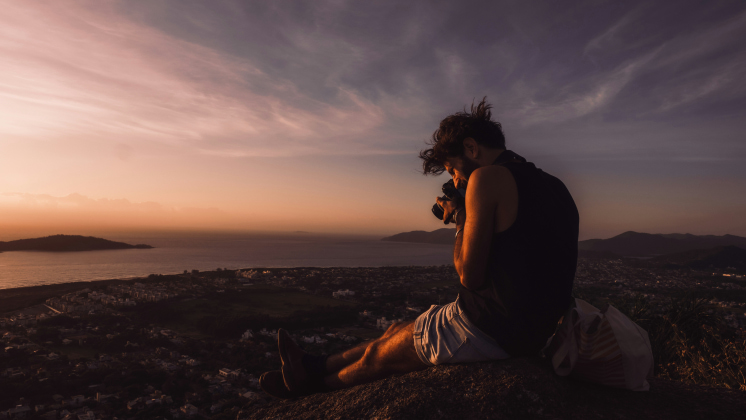
Workflow ties it all together. Hands up if you're one of those people rushing around in the morning looking for those spare batteries as time ticks ever closer to sunrise? Most photographers have been there, but for the best results, pack your gear the night before, charge everything, and plan backup storage so you’re not frantically deleting shots on location. Think about your sequence—what to shoot wide, what details to grab, and whether you’ll want motion clips to pair with stills later. A storyboard might sound overkill, but it keeps your final set coherent rather than random.
Frequently Asked Questions
What Is the Golden Rule of Landscape Photography?
Most people will tell you it’s the rule of thirds—placing your horizon or subject off-center so the frame feels balanced without being stiff. But the real “golden rule” is knowing when to break it. It's knowing when to make that slight change that transforms the image.
Is Landscape Photography Difficult?
Yes and no. Landscapes don’t move like sports or wildlife, so you’ve got time to think. But they demand patience, planning and a willingness to get uncomfortable—waking up at 4 a.m., hiking further than you planned, or waiting in the rain for the light to finally cooperate.
Ready To Capture Stunning Landscape Photography With Insta360?
Landscape photography is much more than just pointing your camera at pretty scenery. It's about planning ahead, scouting for the best locations, deciding when a specific place will look its best, and executing precisely at the right time to capture the perfect shot. It's not always easy, and there are a million things that can go wrong, but the rewards when it lands can be huge.
Then there's getting the right tools, but you don't need to invest vast amounts in top-of-the-range cameras used by pros to get great results. Cameras like Insta360 X5 and Ace Pro 2 pack the flexibility to handle everything from wide horizons to intimate details while keeping your gear bag light enough to actually enjoy the hike. Ready to move beyond the point-and-shoot landscape philosophy and take the photos you always see with your eyes but fail to translate into photography? Let's see how Insta360 can help.
Keen to keep up to date on Insta360 stories? Keep an eye on our blog and sign up for our mailing list. Got a story to share? Email yours to communitystories@insta360.com and win up to US$50.





%20(1).svg)


%20(1).svg)

.svg)