













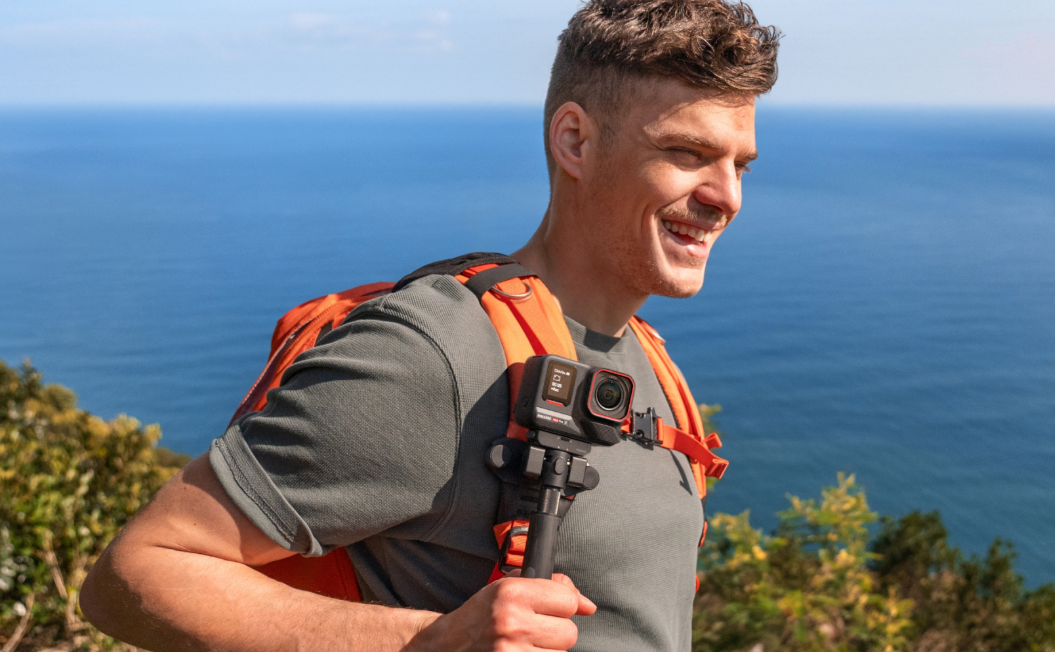


Travel has astonishing power, no matter how you do it. Away from the obvious pleasure that comes with seeing and experiencing places for the first time, travel has a habit of improving us as people. It teaches us patience when we’re sitting on a rickety bus for hours on end. It teaches us compassion to see how millions of people live around the world.
You grow as a person. You become more resilient and aware. But perhaps most importantly, you learn more about yourself. And this is never truer than when you venture out into the world on your own.
Why Solo Travel Photography Matters More Than Ever
The popularity of solo travel has boomed in recent years, especially among the younger generations, with 76% of Millennials and Gen Z travelers taking a solo trip in 2025.
But it’s also the type of travel that’s changing. More travelers are prioritizing meaningful and self-directed experiences over traditional vacations—and naturally, they want to document those moments too.
With travel becoming more personal, solo travel photography is taking on greater meaning than ever before. It’s not just about taking those slightly awkward selfies in front of a famous building, but how do you capture the essence of your journey in a photo?
The strongest self-portraits capture emotion, atmosphere and perspective in a way standard tourist snapshots rarely do. That could simply be a backpack on a beach with you staring out across the ocean or a quiet train ride through the hills and an empty carriage to yourself.
You may be thinking more about yourself than ever before—and not in a bad way. You might be searching for purpose and depth in your life, and travel can often help you find that. So when that opportunity arises to take that perfect solo photo that captures both a place, but also your place in time, you’ve got to grab it with both hands.
Essential Gear for Solo Travel Photos
When you’re traveling alone, lightweight gear matters more than people expect. The best setups are usually the ones you barely notice carrying through airports, train stations, crowded markets and long walking days. Bulky equipment often gets left behind in backpacks, while smaller creator-focused setups naturally encourage you to keep shooting.
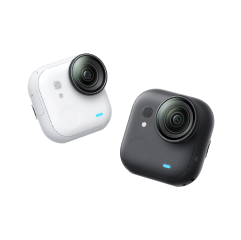
A compact travel camera with strong stabilization is one of the biggest advantages for solo travelers.
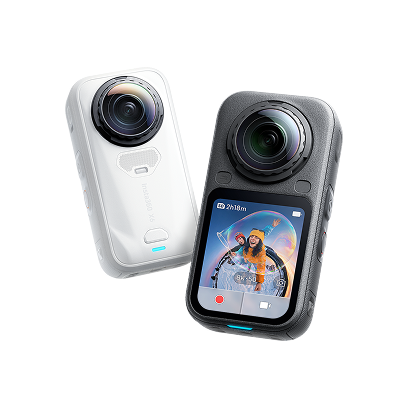
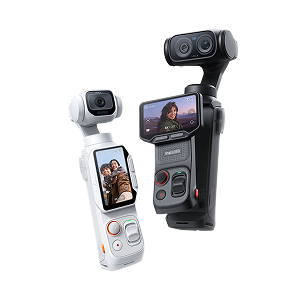
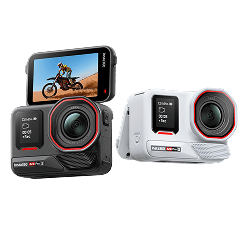
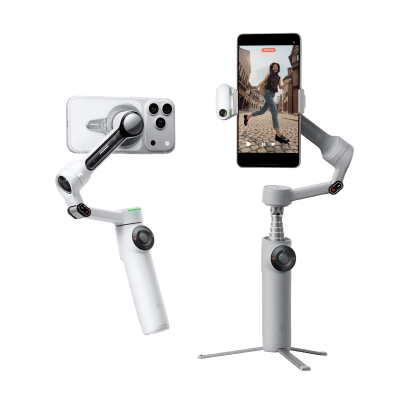
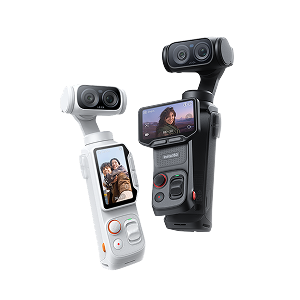
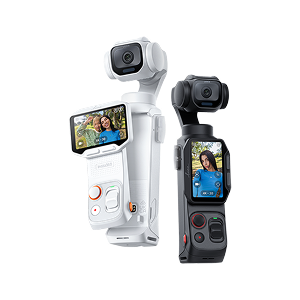
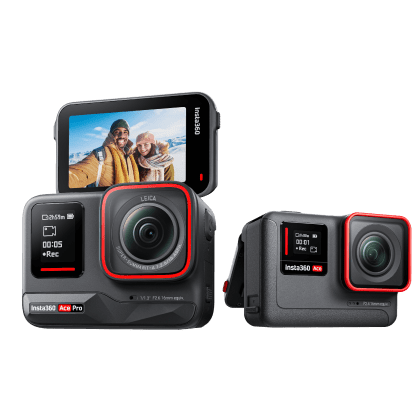
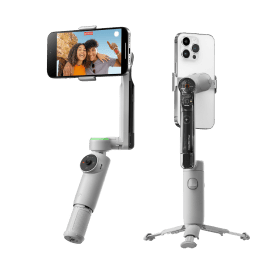
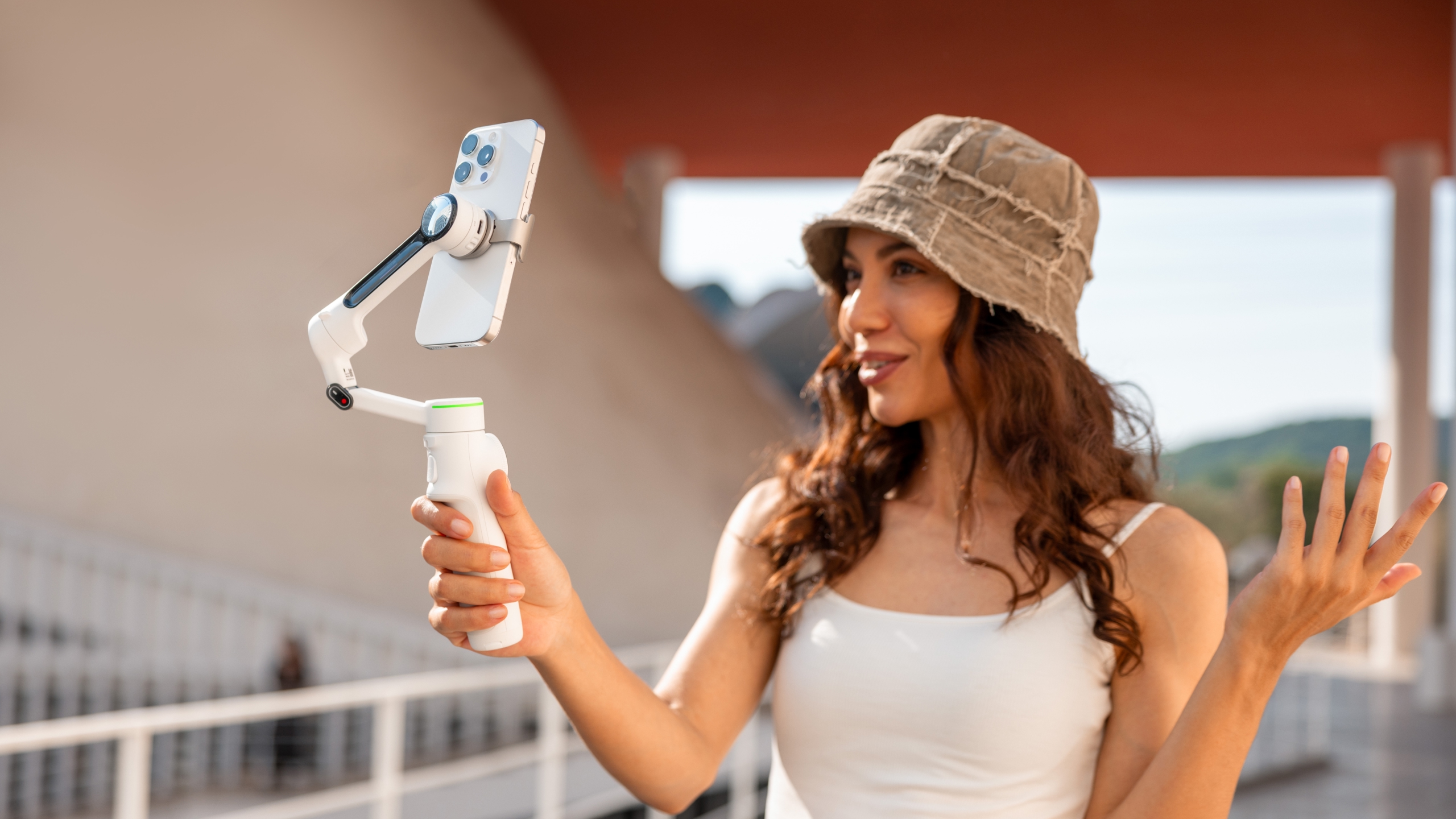
Portable options like Insta360 Ace Pro 2 make it easier to capture high-quality footage and self-portraits without needing a second person behind the camera. For travelers who shoot more on their phone, Insta360 Flow 2 Pro also creates a much smoother mobile shooting setup, especially for walking shots, tracking footage and handheld content creation.
Add to that a lightweight tripod, a few extra batteries, perhaps a portable charging bank, and you’re ready to hit the road.
How to Set Up the Perfect Shot When You're Alone
The beauty of solo photography is that you can take your time. You’re not rushing, you don’t need somebody walking past to take your pictures. You can slow down and get it just right.
The first step is finding a composition that tells a story beyond simply “person standing in front of a landmark”. Foreground elements like café tables, train windows, hanging lights or nearby architecture can add depth and atmosphere while helping images feel more immersive and cinematic.
Framing is also incredibly important, so leave space around yourself, which often creates more visually interesting compositions than standing centered in every shot.
When you’re on your own, that tripod becomes your best friend, but you can also make do with ledges, benches, walls—whatever works. Just as long as it’s safe and stable.
Take plenty of images. The first one is rarely the best, and sometimes you need to get into double digits before you’re happy.
Mastering Lighting for Solo Travel Photography
There’s a lot out of your control with lighting when you’re traveling. It’s not like you can lug a giant light up a mountain to get that perfect glow, so you usually have to work with what you have.
Golden hour remains one of the easiest ways to make solo travel photos feel cinematic instantly. The softer light creates warmer skin tones, longer shadows and a natural glow that flat midday sunlight usually can’t replicate.
Early mornings have the added bonus of usually being quieter and less crowded.
But don’t discount cloudy days as overcast skies naturally soften harsh shadows and create more balanced lighting across faces and landscapes.
Rain also adds atmosphere through reflections, fogged windows, wet pavement and diffused city lights that make scenes feel far more cinematic.
Backlighting is another technique worth experimenting with. Positioning yourself between the camera and the light source can create silhouettes, glowing edges and light flares.
Easy Posing Techniques for Natural-Looking Photos
It’s easy to slip into those awkward poses. You know the ones, where the smile doesn’t seem natural and your eyes have a sense of tired frustration. Walking shots are often the easiest place to start. Slowly moving through a scene creates more relaxed body language and helps images feel candid rather than staged.
Looking slightly away from the camera can also make photos feel more natural and less self-conscious, especially in busy public spaces.
Even if you’re not walking, think about movement—adjusting a backpack strap, sipping coffee outside a café, flipping through a map or watching traffic pass from a train platform all create natural moments with you interacting with the world around you rather than staring at the camera and hoping the 67th image will be a good one.
Keep your posture relaxed. Let those shoulders fall, keep your hands occupied in a natural way and think about your travel experience and what it means to you rather than whether this will be a good shot or not. You’ll be surprised by what happens to your facial expression.
Using Technology to Shoot Like a Pro
Modern creator tools have completely changed what solo travelers can achieve without needing a second photographer. Compact gear and smart shooting features designed specifically for movement and self-filming can now handle what once required complicated setups, bulky equipment or constant guesswork.
AI tracking is one of the biggest game changers. Instead of constantly repositioning the camera or worrying about drifting out of frame, smartphone gimbals like Insta360 Flow 2 Pro can automatically follow movement while walking through streets, climbing trails or filming travel sequences on the move.
And because you can pass on much of the filming worry to AI, it means you can experience the scene in a much more personal way than if you were frantically trying to find that ‘perfect’ shot.
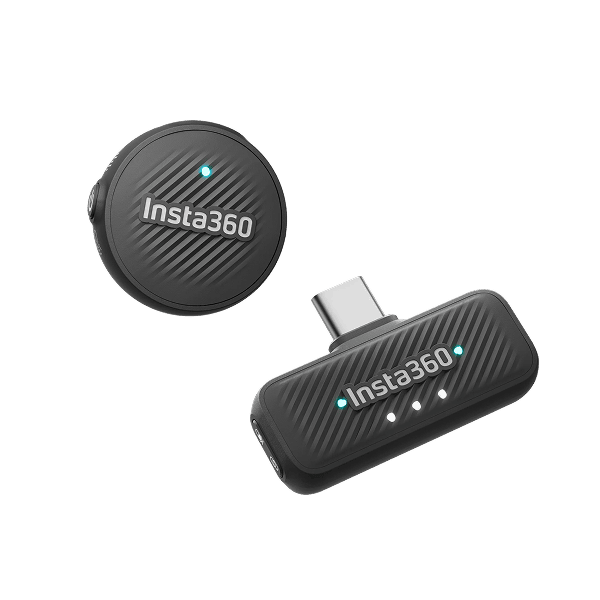
Remote shooting also removes much of the awkwardness that used to come with self-portraits. Smartphone previews, voice controls and app connectivity allow you to adjust framing without repeatedly running back and forth to the camera between shots.
Creative Solo Travel Photo Ideas to Try
The best creative solo travel photo ideas are usually the ones that you’d never think of or would discount for being imperfect. Think about that reflection self-portrait on a train with the rain streaming down the window or a blurred image taken in the back of a hurtling tuk-tuk. You can have the best vacation camera, but to think outside the box, you need to get out of the box.
Train stations are full of potential, especially early in the morning when platforms feel calm and almost suspended in time. Or alternatively, arrive at rush hour and dive headlong into the chaos.
Airport terminals, rooftop viewpoints, winding alleyways, beach walks and crowded night markets also create layered environments that naturally feel dynamic on camera.
Silhouettes sometimes look beautiful, particularly during sunsets or foggy conditions where strong outlines create mood without requiring perfect posing.
Motion blur can add energy and realism as well—passing traffic, moving crowds or trains rushing through a frame often make scenes feel more alive and immersive.
Remember that reflections are particularly useful for solo travelers, so think about mirrors, puddles, shop windows and train glass.
But sometimes, it’s worth focusing on the small details. Instead of the full body or portrait photo, think about your hands curled around a backpack strap or your feet half submerged in sand. Your face doesn’t necessarily even have to be in the picture.
Editing Tips to Elevate Your Solo Travel Photos
Keep It Simple
When it’s time to edit, keep things simple. The world you are traveling through should give you more than enough magic. Usually, you just need a few tweaks.
Prioritize Consistency Over Heavy Effects
Consistency matters more than heavy effects. Similar tones, lighting styles and color palettes help a collection of travel images feel connected instead of visually chaotic. Warm highlights, softer shadows and slightly muted colors often create a more timeless aesthetic without making photos feel overly processed. Try to decide a “theme” and stick with it as much as possible.
Crop With Intention
Cropping also makes a surprisingly big difference. What’s really important in an image? Small framing adjustments can improve balance, remove distractions and create stronger visual focus without changing the authenticity of the image itself.
A little grain or softness can also add atmosphere when used subtly.
Don't Chase Perfection
But don’t stress about perfection. One, because it doesn’t exist, and two, because travel images are not supposed to look like studio portraits.
Capture Stunning Solo Travel Photos with the Right Tools and Techniques
Travel is one of those magical elements of life that many of us could do with more of. While the beaches, mountains and rocky paths might be what you remember the most, it’s the lessons you learn along the way—independence, resilience, compassion and adaptability—that stay with you the longest.
Travel has a profound effect and in a time of greater search for meaning and purpose, it can lead to extraordinary personal growth.
Frequently Asked Questions
What Is the Best Camera for Solo Travel Photography?
The best solo travel camera is usually one that balances portability, image quality, stabilization and ease of use. Compact creator-focused cameras like Insta360 Ace Pro 2 work especially well because they’re lightweight enough for daily travel while still delivering cinematic image quality and strong low-light performance.
How Do You Pose Naturally in Photos Alone?
Movement helps tremendously. Walking, interacting with your surroundings, looking away from the camera or focusing on small actions often creates more natural-looking self-portraits than standing completely still and trying to pose perfectly.
Can You Take Professional Photos Without a Photographer?
Absolutely. Modern creator tools, remote shooting features, AI tracking and compact stabilization systems make it easier than ever to capture professional-looking self-portraits while traveling alone. Good lighting, thoughtful composition and patience often matter more than having another person behind the camera.
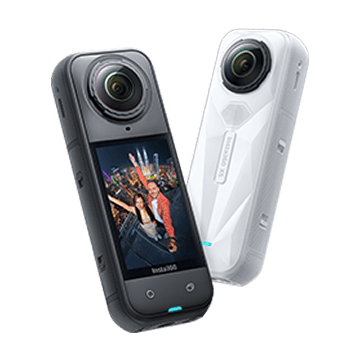
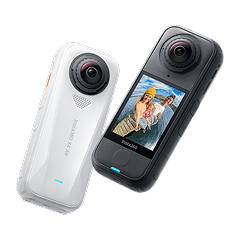
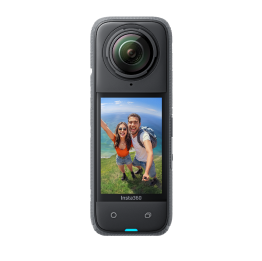
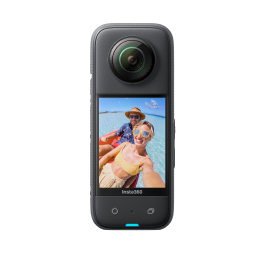
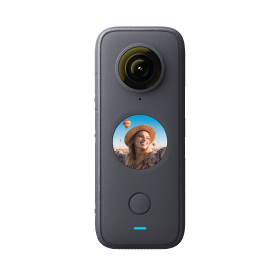
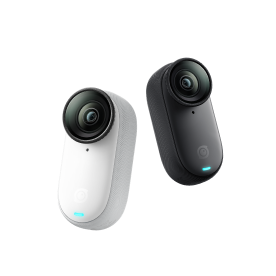
So what better time to venture out into the world and start capturing it all with the Insta360 travel camera range?
Keen to keep up to date on Insta360 stories? Keep an eye on our blog and sign up for our mailing list. You can also contact our Enterprise team directly to see how 360 cameras can benefit your business.




%20(1).svg)


%20(1).svg)

.svg)