













































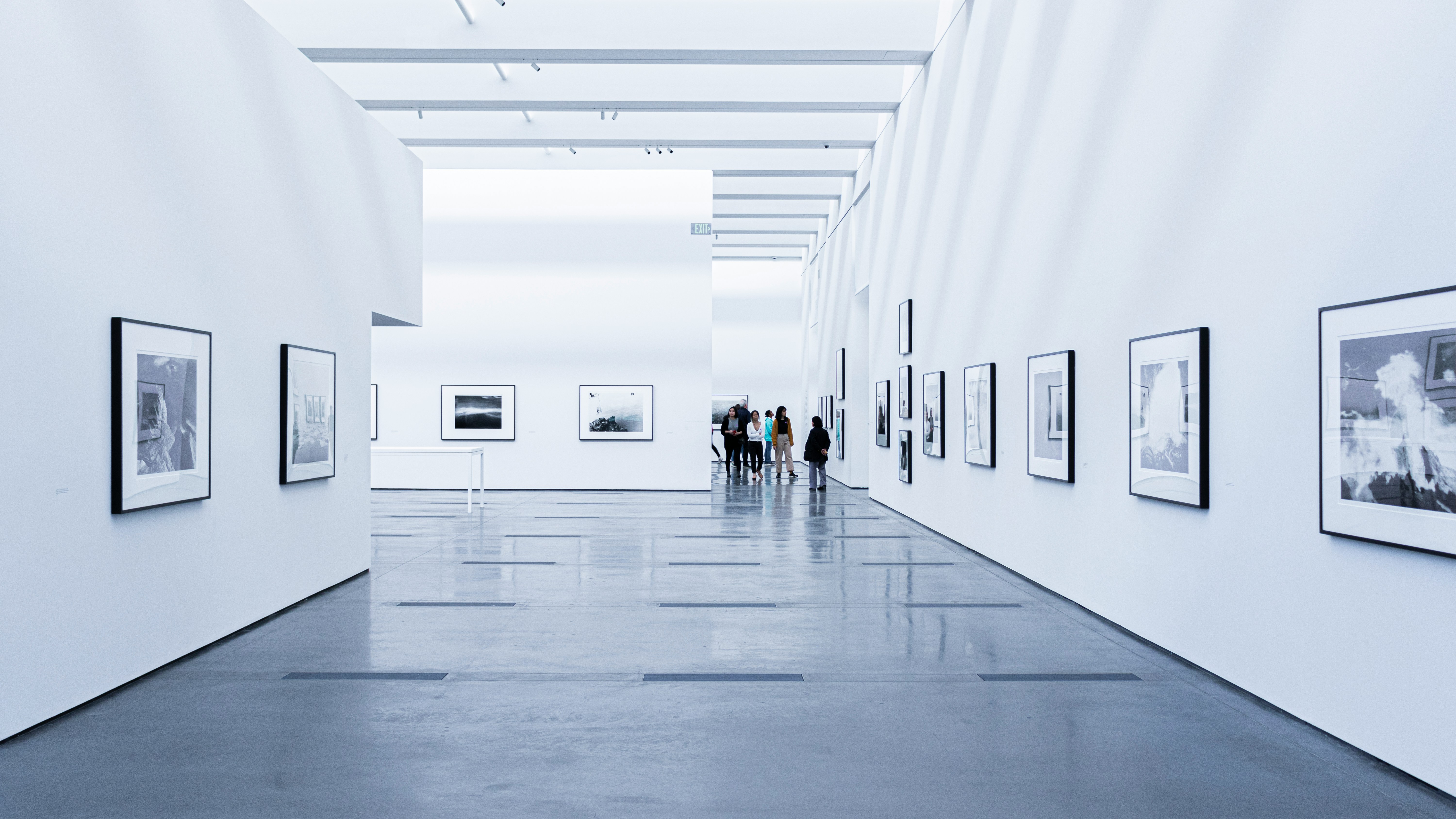


We often know that we like the look of a photograph, but it may not be immediately apparent why. Sometimes images just look pleasing to the eye, and the weird and wonderful world of the human mind behind it, but often it's not just chance. Yes, a photographer knows what looks good, but it's often where it's been placed that really catches the eye. And that brings us to a single word: composition.
A strong composition shapes the mood before you even press the shutter. Each element carries weight, and your placement choices steer the viewer toward the moment that matters most. Get it all wrong and it feels unnatural, even off-putting. Light hits a surface in a certain way, lines pull your eye through the scene in one direction or another, and spacing sets the tone. You start noticing patterns, and those patterns guide sharper decisions.
What Composition Means in Photography
At its most basic, photography composition simply means how you create the scene in front of your camera, by arranging subjects, lines, color, and space so the viewer locks onto the detail you want them to see. Each placement choice shifts mood, guides attention, and sets a rhythm that feels intentional. Good composition isn’t about following strict rules, but instead giving your image a sense of balance and purpose.
Symmetry can create calm, while negative space lets a subject breathe. Maybe you tilt into diagonals to add movement or anchor a shot with a strong foreground to pull people in. These choices tell the viewer where to look and how to feel.
When you begin to understand composition, the world of photography changes. You start to see leading lines everywhere. You notice colour and how it contrasts with the subjects around it.
You understand that the placement of a moving object in the photo has a significant impact on the sense of motion. And with an Insta360 camera showing the scene in full 360° or an ultra-wide FOV, you have even more freedom to shape that story—choosing what to include, what to leave out, and how to make every frame feel deliberate.
Balance Your Frame with the Rule of Thirds
The best place to start with composition is the rule of the thirds. Imagine a photo has been divided into nine equal rectangles in a 3x3 grid. Now, forget the rectangles themselves and focus on the lines and where they intersect. Welcome to the rule of thirds, where the idea is to place important elements in your photo either on the lines or at one of the four points where the lines cross.
Place a subject near an intersection, and the frame gains direction that pulls the viewer toward the action. You can lift a horizon to open the sky or lower it to anchor the ground, each adjustment altering the weight of the image. Test quick variations as you move.
A slight step or tilt reveals how placement shapes tension, calm, or impact. You start reading the frame with fresh clarity because each guide offers a steady reference you can trust in fast-moving situations.
Leading Lines and Symmetry
Leading lines are all around us, but we rarely take much notice, except in photography. These lines can be anything: roads, railings, shorelines, street markings, or even shadows, but the idea is that they lead the viewer to the most important part of the image using steady momentum.
You place your camera so those lines direct attention instead of scattering it, and the whole image feels tighter. Diagonal paths add energy while straight routes create a calm structure.
Symmetry shifts the mood again—and who doesn't love a nice symmetrical image? Balanced shapes can steady the frame when both sides echo each other, while reflections, arches, and centered subjects produce a sense of order that feels deliberate. Break that balance when you want tension—one strong element off to the side can tilt the scene just enough to spark curiosity.

Depth: Foreground, Middleground, Background
To sound a little mysterious, photos are, of course, flat, but they're also not. The human mind understands that you are looking at something two-dimensional, but it comprehends the world that lies behind. Layering gives a scene a sense of place you can feel. A rock, branch, or doorway in the foreground adds scale, while the middleground is often perfect for your main subject.
The background completes the scene, and might add drama if it's a sweeping mountain range, or a sense of calm if it's a tiled wall. Insta360 X5 helps you capture depth from every angle because its full-view capture allows you to shift perspective later. You can pull a viewer deeper into the environment, tighten the subject’s presence, or highlight a distant detail without losing the sense of space.
Color, Contrast, and Visual Weight
Few things are as enticing to the human mind as color. A bright object against muted surroundings immediately draws the eye, while softer tones blend into a calmer rhythm. Colors that work together make the little person upstairs smile and nod approvingly, but colors that don't can jar, which creates tension, and sometimes that's precisely what you want.
Contrast works the same way. Sharp brightness shifts or dark pockets add separation that helps important details stand out. Larger shapes, sharper edges, or vivid accents add visual weight that naturally claims focus. You decide which element deserves that pull, then arrange the rest so the viewer lands exactly where you want.
Practice: How to Train Your Eye
Firstly, great photographs rarely come about by pure chance. Yes, there's always that one-in-a-million shot, but often it's a case of a professional who has spent years honing their craft, creating something beautiful. It can feel like a long road ahead, especially when you see the very best, but a little practice every time you go out can transform your images.
- Start with scenes you pass every day and test how small shifts in angle or height change the balance of the frame. A single step forward can strengthen a subject, while a slight lean left or right can rework the way lines connect.
- Phone shots offer quick feedback. You can scan a space, frame a subject, and compare versions within seconds. Insta360’s phone-focused guidance in their iPhone photography tips helps you build that rhythm through simple habits you can repeat anywhere.
- Outdoor practice adds even more variation. Light moves, shadows stretch, and foreground elements appear or vanish as you reposition yourself. Landscape photography is all about adapting to the changes in light and the world around you.
- Low light presents another challenge that sharpens your timing. Night shooting forces you to read contrast, shape, and spacing with extra intention. Insta360’s nighttime guidance offers patterns you can test until your eye learns how to build structure even when the environment dims.
Recommended Tools for Composing On the Go
People often think great photography requires an out-of-this-world camera, but really, it's all about the person behind the lens. It's about mastering these techniques to such an extent that they become second nature. Focus on learning, but also know that a great-quality camera can help iron out the kinks and support you on your journey.
Insta360 X5 gives you full environmental coverage, so you can adjust perspective later without losing detail. This means you don't need to overly worry about layering, leading lines, or anchor points, but you can always adjust things afterward. Insta360 Ace Pro 2 brings cinematic quality to photography, which means complete adaptability to any environment or circumstance.
You can move from bright streets to shaded corners while keeping your composition intact. Its responsive capture helps you stay focused on spacing, balance, and direction instead of fighting exposure swings.
Then we have the other end of the spectrum. Insta360 GO Ultra and Insta360 GO 3S are both compact, simple to use, and extraordinarily powerful for their size. Tight spaces, overhead spots, or low angles? Easy.
Frequently Asked Questions
What Is the Golden Rule of Composition?
The golden rule guides your viewer’s eye along a natural, almost cinematic flow, helping your subject land in a spot that feels intentional and visually satisfying. You’re not just placing a subject; you’re building a path through the frame that moves with purpose and energy.
Is it OK to Break Composition Rules?
Absolutely. And we encourage rebellion! Rules are a strong place to start, not a cage to shoot from. Once you understand how balance, lines, and framing work, breaking them becomes a creative choice—not an accident: some of the boldest shots come from bending the rules.
What Is the 2-Second Rule In Photography?
The 2-second rule is a simple way to steady your shot when you’re working on a tripod or setting up a static frame. Trigger the shutter, wait those two beats, and let any vibration fade before the capture fires. It’s a slight delay that keeps your image crisp.
Start Composing With Intention
Great photographs are all about composition, and great composition is a skill that takes time and patience. The next time you pick up your camera, take a moment before you start clicking away.
Look around you. What do you see? Are there any leading lines, vibrant colors, or interesting elements of contrast? And don't forget to step into your frame. Think about layering and the rule of thirds. Take a good look, then carefully compose.
Once you've mastered the basics and are ready to move up to the next level, Insta360 offers a range of cameras suited for every style and situation that can help you turn that stunning composition into the photograph it deserves.
The Insta360 Vision Awards supported by Leica are now open. Join creators worldwide for a chance to win from an US$80,000+ prize pool, including Leica cameras and Insta360 gear.
Got a story to share? Email yours to communitystories@insta360.com and win up to US$50.







%20(1).svg)


%20(1).svg)

.svg)