
















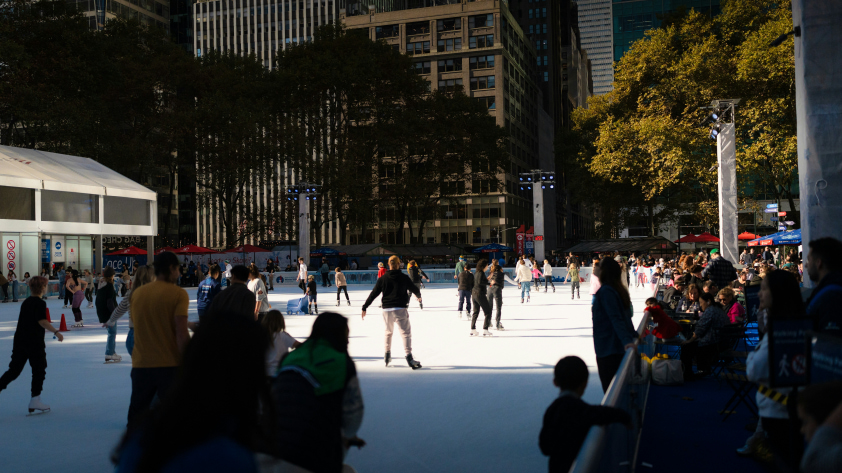


Ice skating is one of those activities that's best to introduce to children. Don't ask us why, or to produce any science to back up that claim, but surely most will agree. Children, with their carefree approach to danger, can glide and fall, and get back up again with a broad smile still stretched across their face, but something changes as we age. While our overall coordination might be better, something deeper becomes more hesitant, more averse to activities that carry a high risk of falling over and looking a little foolish.
But none of this should stop beginners. Ice skating is wonderfully fun, no matter what age you start. Once you find your balance and start gliding, that shaky first stride turns into something amazing. In this guide, you’ll learn everything you need to know to get started—from what to wear and how to move to staying safe when you fall. And we'll also explain how to capture every unforgettable moment on an Insta360.
What Gear Do You Need To Go Ice Skating?
Ice skating is a weird one in that you'll almost certainly experience being very hot and very cold. As you wobble out onto the ice like Bambi taking her first steps, the chilly air hits you, and you shiver. When you fall and come into contact with a very large sheet of ice, no surprise, you get cold, but when you're flying, twisting, turning, your body temperature climbs quickly.
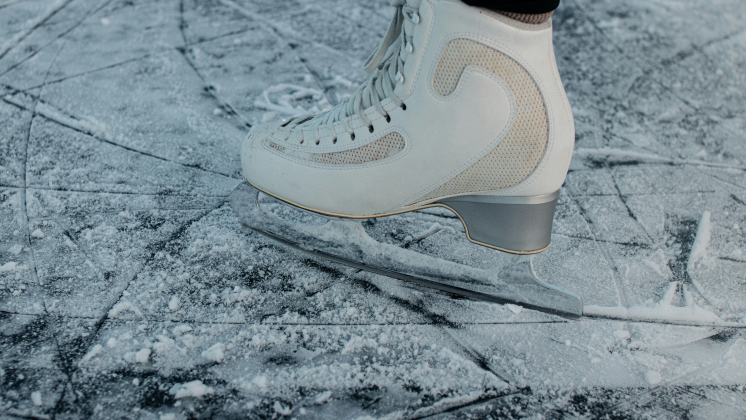
Because of this, ice skating can feel like a merry-go-round of clothing changes, so layers are key—think thermal base, a breathable mid-layer, and a wind-resistant jacket. Choose skates that fit snugly but aren't painfully tight. Your heel should stay secure with minimal movement, and your toes should lightly brush the front when standing. If you’re renting, take a minute to lace them properly; a good fit makes all the difference between confidence and clumsiness.
Gloves are a must for warmth and protection, and a helmet is an extra option for added safety. For kids, pads on knees and elbows will provide some relief from those constant falls. Other than that, it's best not to go overboard. The whole idea of skating is to be fast and nimble, so don't start strapping on football pads or anything like that.
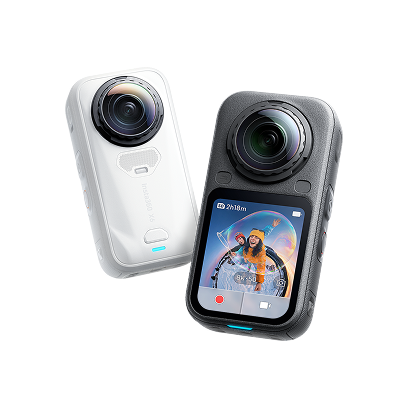
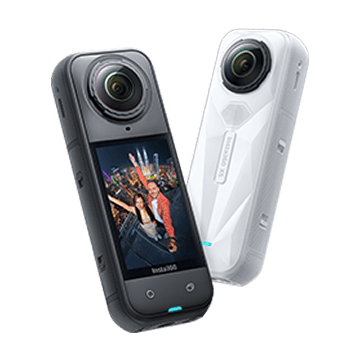
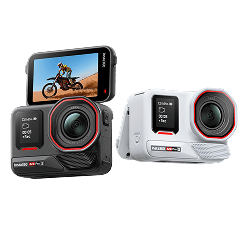
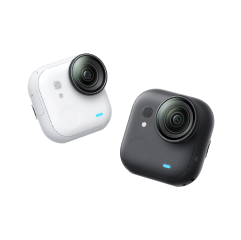
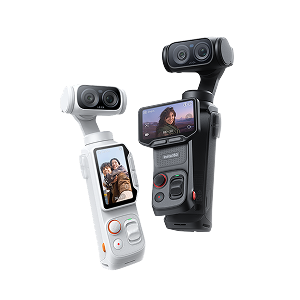
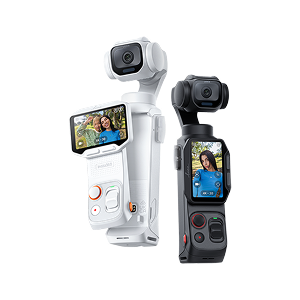
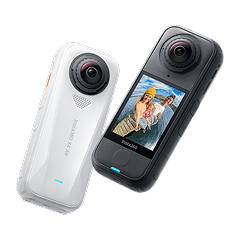
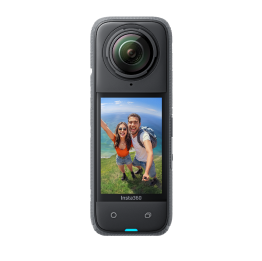
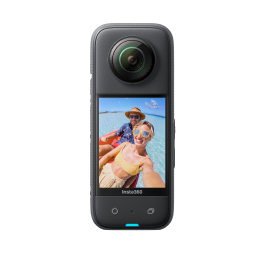
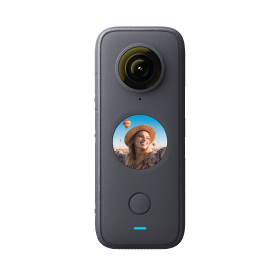
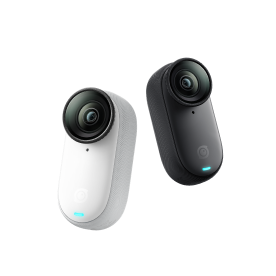
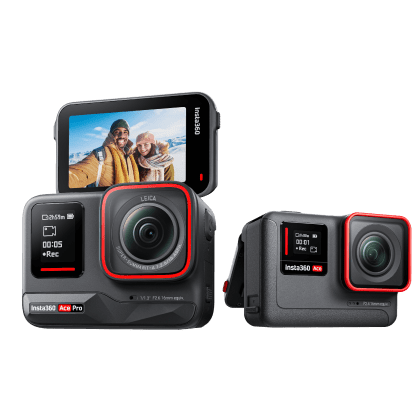
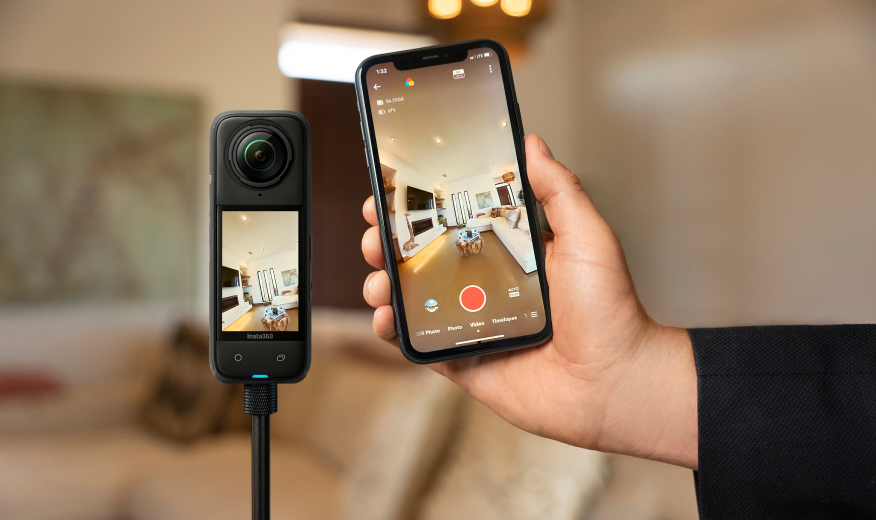
And don’t forget your action camera. Ice skating isn’t just about learning; it’s about reliving those moments when you finally stay upright for more than five seconds—or nail your first turn. Insta360 X4 is built for winter, with smooth stabilization and slow-motion shots that make every glide cinematic. Want something even more powerful? Insta360 X5 captures 8K 360 detail that looks unreal on social media, while Insta360 Ace Pro 2 is compact, tough, and perfect for clipping to a helmet or chest mount.
Whatever you're using, make sure it's weatherproof up to the required level. Ice skating outside means you're open to the elements, and you'll want to ensure your camera is up to scratch.
Ice Skating: The Basics
We've all seen ice skating at the Olympics, right? Looks easy. Far from it. Graceful gliding with an elegant twizzle in the middle looks simple on TV. Then you emerge, wobble out, and fall flat on your face before you even have time to say "It's a bit chilly in…."
Ice skating is all about rhythm, balance, and confidence, so take it one step at a time. Focus on the fundamentals—your posture, your movement, and how to fall safely—before you try anything fancy.
Master Balance and Posture on the Ice
Your stance is everything. Keep your knees slightly bent, feet shoulder-width apart, and weight centered over the balls of your feet—not your heels. Keep your shoulders relaxed, head up, and eyes forward. Looking down is the quickest way to lose balance. Before moving, get comfortable standing still. Try gently rocking side to side to feel how your weight shifts. Those small adjustments are what keep you steady once you start gliding.
Glide with Confidence: Core Movements for Beginners
Now that you can stand without falling to a T, it's time to move. But do so slowly. Don't try to run before you can walk. Start with the “march and glide” method—short marching steps that slowly turn into longer, smoother pushes. Push off one foot, glide on the other and then switch. Keep your knees soft and your movements controlled.
As you grow more confident, use gentle, rhythmic strides to maintain momentum. Don’t rush—speed comes naturally once your balance improves. If you’re filming your first glides, position your camera at waist height for the perfect POV shot that tracks your progress without missing a wobble. But, and this is a BIG but, try to reach a good baseline before you start worrying about filming. Yes, that footage of you falling over repeatedly will no doubt be hilarious, but if you're focusing more on the camera and the filming than on your ice skating, your progress is going to be slow. Channel your inner Michelle Kwan before your Steven Spielberg.
Turning and Stopping: Control Your Speed
There comes a time in every ice skating newbie's journey when moving is no longer the issue; it's turning and stopping. For most, early stopping attempts involve either purposefully falling over or the most common technique known as the "slam into the side" method. Both work well in emergency moments, but as you progress, start with the snowplow technique—point your toes slightly inward, apply pressure to the inside edges, and let friction slow you down. Keep your knees bent and your arms out for balance.
To turn, shift your weight slightly to one side and press gently into the corresponding edge of your skate. Think of it like steering with your feet. Small, smooth movements are safer (and look better) than sharp jerks. And have a much higher chance of success. Generally, any sharp, jerky movements in the early stages aren't going to end well. Keep your breathing steady—slow and deep is best—and try to shut out what others are doing around you. Focus on your own movement.
Falling Safely and Getting Up
Falling happens—it’s part of learning. But when you do take a tumble, knowing how to tumble can make a huge difference. There is that ancient ice skating rule passed down from generation to generation about keeping your fist clenched when you hit the ice, unless you want your fingers to get cut off by a pair of ice skates. This is largely fear-mongering. A skate might give you a good cut, but it's unlikely that you'd lose fingers. Rather than worrying about lost digits, think about broken ones. If you start to go down, bend your knees, keep your chin tucked, and try to land on your side or rear rather than on outstretched hands. You’ll save your wrists and minimize impact.
To get back up, roll onto your knees, place one skate flat on the ice and push up with both hands on your thigh. Take a breath, reset your posture and go again. If you feel like you're going from standing to ice at an alarmingly repetitive rate, take a quick breather. The pros make ice skating look effortless, but for beginners, it can be exhausting. Once you're panting heavily, your heart rate skyrockets, and it becomes much harder to keep your balance and focus on the fundamentals. Take five minutes by the side, catch your breath and begin anew.
Frequently Asked Questions
Is Ice Skating Hard for Beginners?
Not really—it just feels strange at first. The ice is slippery, your legs feel unsteady, and your brain keeps reminding you that humans weren’t built for blades. But give it a couple of sessions, and your body starts to adapt.
What Are Common Ice Skating Mistakes?
Everyone makes the same rookie errors when learning: leaning too far back (and landing on your tailbone), locking your knees instead of staying relaxed, looking down instead of forward, skipping warm-ups and wearing skates that are too loose or too tight.
What Age Is Too Late To Start Ice Skating?
It's never too late to start skating. Whether you’re five or 55, ice skating is something you can learn at any stage. It might seem harder to start as an adult, but a large part of that is that we become more fearful of strange activities the older we get.
Ready to Capture Your Ice Skating Journey with Insta360?
Learning to ice skate can be tricky. Bruised knees, check. Bruised backside, check. Bruised ego, check. It's not a sport that many instantly pick up and start gliding like they're training for the Olympics. It's about the process. The slow, often bruising process. But every wobbly start leads to a cautious glide. Every fall, when you know what you did wrong, is another stepping stone leading to that first smooth lap around the rink. With the right mindset, gear, and a few helpful tips, you’ll go from clinging to the wall to carving your own confident path across the ice.
And when you get to the point of actually thinking about filming your exploits rather than just gritting your teeth and praying you don't fall, make sure you’re filming with a camera that keeps up. Insta360 X5 captures crisp 8K 360 footage that makes every glide look cinematic. Insta360 X4 delivers silky-smooth stabilization and cold-weather endurance, while the Insta360 Ace Pro 2 packs pro-level performance into a compact, easy-to-mount design.
Keen to keep up to date on Insta360 stories? Keep an eye on our blog and sign up for our mailing list. Got a story to share? Email yours to communitystories@insta360.com and win up to US$50.







%20(1).svg)


%20(1).svg)

.svg)