

















Modern cameras are great, as is digital footage, but there’s just something different about film. The colors that feel warm and nostalgic and definitely not of today. The grain, the subtle contrast, the light streaks. In a world dominated by ultra-sharp digital cameras, creators still chase the atmosphere and emotion that film naturally produces.
Hooking Into the Film Look: What Is It?
The film look is a combination of atmosphere, location and camera settings. Film has a texture to it that digital often struggles to replicate straight out of the camera, and despite modern cameras being capable of extraordinary things, ironically, more people are looking to wind back the clock.
Unlike modern digital footage that presents near-perfection, film embraces its flaws and still manages to come across as charming and nostalgic. Even imperfections modern creators usually avoid—grain, lens flares, slight softness and light leaks—can make footage feel more alive.
Then there's the atmosphere—far harder to replicate, but you instinctively know it when you see it. It's that unmistakable 1970s light, or the way motion in film feels slightly slower. Atmosphere isn't always something you can dial in, and often requires a lot more thought.
Why the “Film Look” Is Still So Popular
Good question. We’ve spent so long chasing the “perfect image”—why are we now looking back at imperfection? The problem with modern footage is that it often feels too clinical, too unnatural and sometimes even inhuman.
That emotional connection is a big reason film aesthetics continue to thrive across photography, filmmaking, travel content and even advertising. Audiences are growing tired of hyper-manufactured imagery, and platforms like TikTok and Instagram reflect that shift—creators and viewers increasingly respond to footage that feels authentic.
And, of course, a big part of the appeal is nostalgia—that longing for a bygone era when things felt simpler. Film-inspired visuals slow things down and encourage creators to pay attention to lighting, composition and atmosphere instead of relying purely on sharpness and resolution.

What Defines the Film Look in Photography and Video
Color
Film stock tends to produce softer transitions between tones, richer skin textures and highlights that feel smoother and less clinical than heavily processed digital imagery. Colors often appear slightly muted or more natural, especially in shadows and midtones, which helps scenes feel more immersive rather than overly saturated.
Dynamic Range
Dynamic range is another key part of the film look. Traditional negative film stocks often captured significantly more dynamic range, with highlights that rolled off softly instead of clipping harshly. That’s what created glowing streetlights, softer skies and more natural contrast.
Grain
Then there’s grain. Unlike digital noise, which often appears harsh and distracting, film grain adds texture and movement to an image. It gives character to the shadows and prevents footage from feeling overly clean or sterile.
Motion
Traditional film cameras captured movement with a natural softness that modern digital footage sometimes loses when frame rates or shutter settings become too sharp. Slight motion blur during handheld movement, passing traffic, or people walking through the frame often contributes to that immersive, lived-in quality associated with film.
Key Camera Features That Create a Film-Like Look
Cameras with stronger dynamic range retain more detail in both bright highlights and darker shadows, helping scenes feel smoother and less harsh in difficult lighting.
Every camera processes color slightly differently, affecting skin tones, contrast, saturation and overall mood. Cameras with flatter or more natural color profiles often provide a better foundation for editing because they preserve more subtle tonal detail instead of aggressively sharpening or oversaturating the image straight out of the camera.
Lens quality and lens character (those unique qualities a lens can have on an image of footage) matter just as much as the sensor itself. Ultra-clinical sharpness can sometimes work against a film aesthetic, especially when every detail feels overly crisp. Softer rendering, smoother focus falloff and more natural flaring often create imagery that feels more organic and cinematic.
Low-light performance is another major factor.
Film often leans heavily on atmosphere—streetlights reflecting on wet pavement, dim cafés, neon signs glowing through haze or golden hour shadows stretching across a scene. Cameras that handle low light well preserve more texture and color in those environments without introducing harsh digital noise.
The Role of Lighting in Achieving Film Aesthetics
Lighting is arguably the single biggest factor behind the film look. More than resolution, camera price or even lenses, light is what shapes the atmosphere.
Natural light is usually the easiest place to begin. Golden hour remains one of the most effective ways to create a film vibe because the lower sun produces softer contrast, warmer tones and longer shadows. Everything feels calmer and more dimensional during those moments just after sunrise or before sunset.
Rain, fog, haze and overcast skies often create an atmosphere that perfectly suits film aesthetics. Reflections in puddles, diffused streetlights, mist drifting through trees or soft cloud cover naturally reduce harsh contrast and add texture to a scene. Some of the most cinematic images happen in imperfect weather.
Practical lighting also plays a huge role. Lamps, neon signs, headlights, candles, train windows and storefront lighting all create layered sources of illumination that make footage feel more immersive and lived in.
How Post-Processing Brings the Film Look to Life
Editing is often the final layer needed to give that great film look. Grain overlays and vintage presets alone won’t suddenly make footage seem perfect if the lighting, movement and composition aren’t already working together.
When you think about classic 1970s cinema, it doesn’t have the perfect colors. Instead, colors are muted and even a little faded. The contrast is lower than we have today, as is the saturation and there are smoother transitions between highlights and shadows. All of this makes color grading the first port of call during post-processing—miss it, and your footage will never look like film.
And don’t forget about adding grain. The modern obsession is with zero grain and sharp, perfect images, but that’s not what film was about. Another one to play around with is halation, which creates the soft glowing edges around highlights often associated with older film stock.
Choosing the Right Type of Camera for Film-Like Results
There’s no single camera or type of camera that produces the ultimate film results. With a solid setup behind you, and the right kind of settings, lighting and post-production, you can probably find what you’re looking for with several different types of cameras.
Mirrorless Cameras
Mirrorless cameras remain popular for producing film-like photography and filmmaking because they offer strong dynamic range, interchangeable lenses and extensive manual control over color and exposure.
Compact Cameras
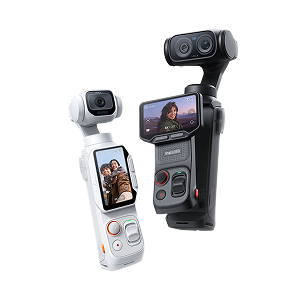
Compact cameras, however, are becoming increasingly important, as their portability makes it easier to capture spontaneous moments, experiment with movement and shoot in environments where larger cameras would feel intrusive or impractical.
Action Cameras
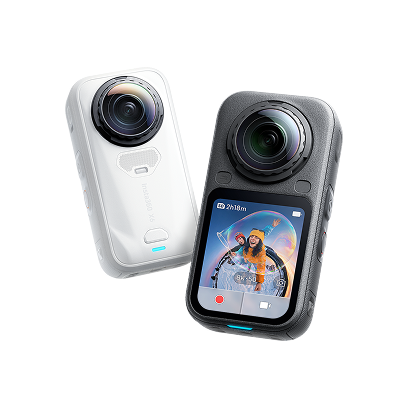
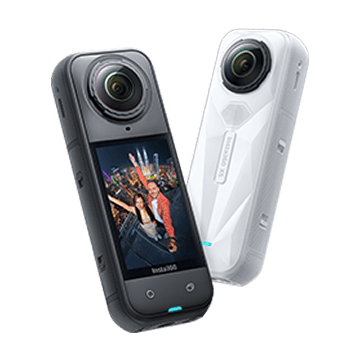
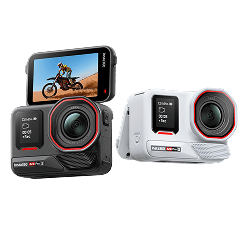
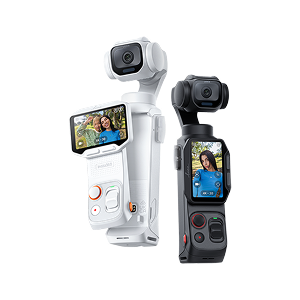
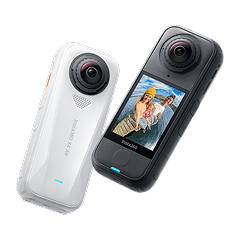
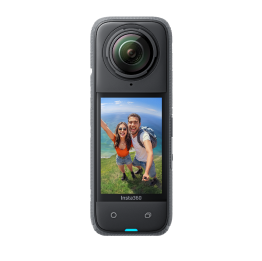
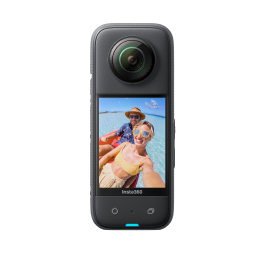
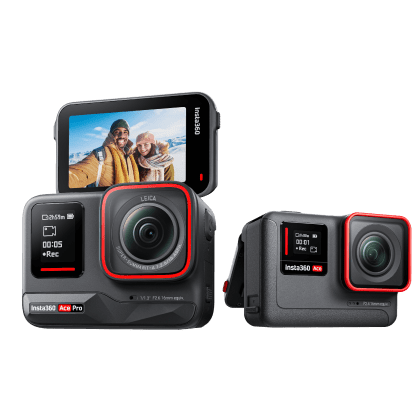
Then you’ve got the category that few people think of: action cameras. With wide perspectives, outstanding stabilization and excellent dynamic range, action cameras are capable of filming a downhill ski run one minute and then film old-school sequences the next, simply by altering some settings. It’s the best of both worlds.
Understanding how digital cameras work makes it easier to see why action cameras punch above their weight for a film look.
Compact Cameras That Can Still Deliver a Film Look
You don’t need a vintage camera to produce that authentic film look.
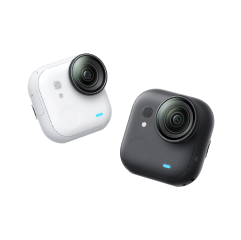
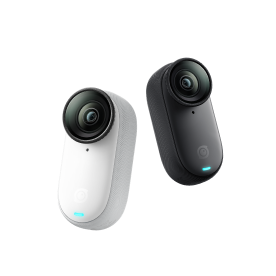
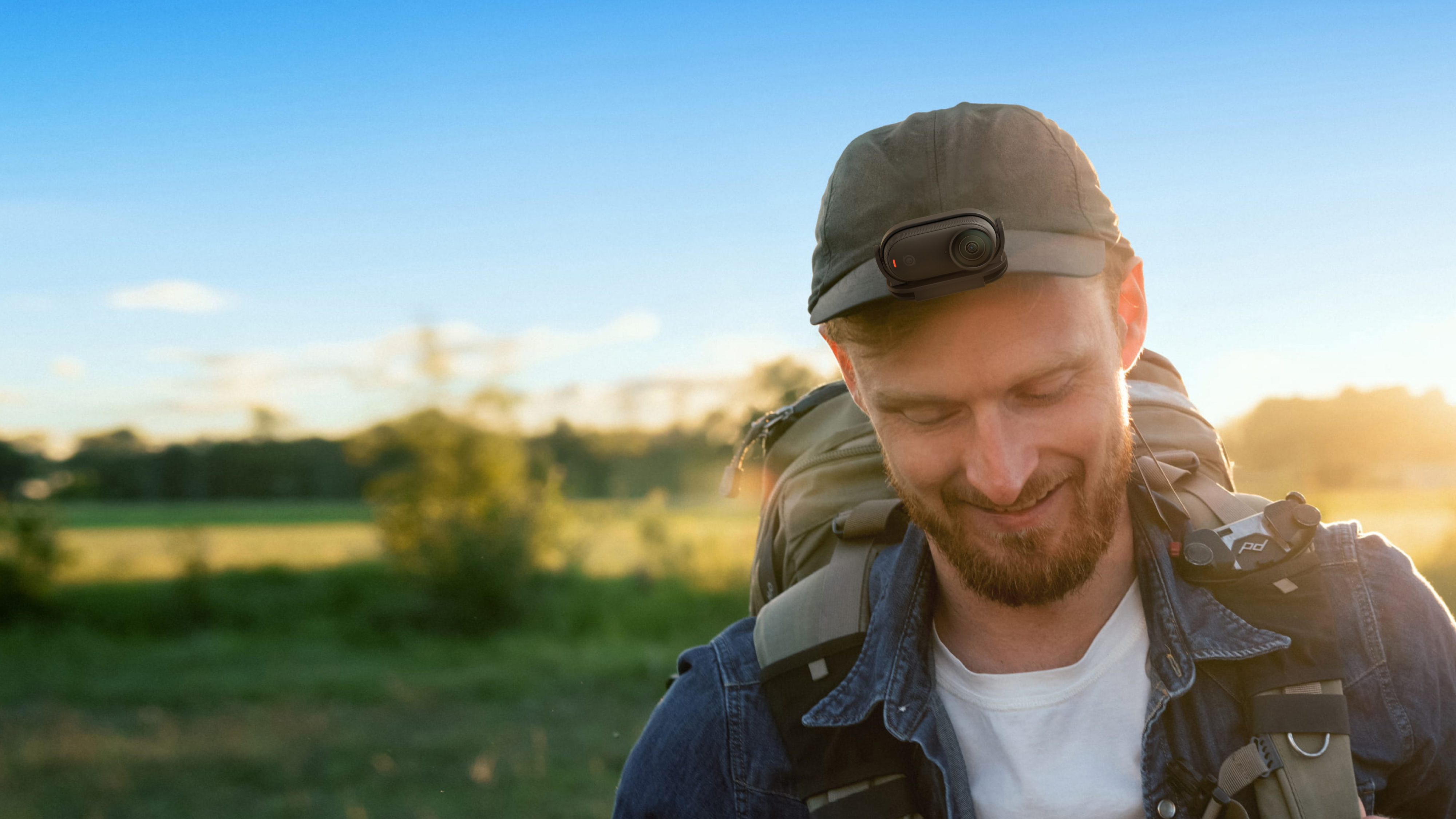
Insta360 GO 3S is a great example. It's small enough to disappear into any scene and shoot from angles a larger camera never could. FlowState Stabilization keeps movement natural without locking things off on a tripod, and the low-light performance means moody, atmospheric environments actually look moody and atmospheric rather than noisy and underexposed.
Pair it with the right color grade and some grain in post, and it's a camera built for today that shoots like it wasn't.
How to Get a Film Look With the Right Tools and Techniques
Getting the right kind of film look isn’t just about putting on a preset filter. With the right tools, such as the compact but hugely powerful Insta360 GO 3S, and the appropriate techniques and settings, you can easily create modern footage with that distinct film aesthetic.
So pick up your camera, embrace the nostalgia and jump back to a time without cell phones and laptops and high-speed internet. A time of muted colors, blended highlights and that unmistakable flickering film look.
Frequently Asked Questions
Can Digital Cameras Truly Replicate Film?
Yes, modern digital cameras can recreate many of the visual qualities associated with film, including softer contrast, natural motion blur, film-inspired color grading and textured grain.
Do I Need Expensive Gear for a Film Look?
Not at all. Lighting, composition, movement and color grading usually matter far more than having the most expensive camera. Add to that specific filming techniques and careful editing, and you can get that real film look easily.
Is Film Look Better for Video or Photography?
It works just as well for both. In photography, it often creates softer tones, richer texture and more emotional imagery, and in video, it adds cinematic motion, natural lighting and a more immersive visual style.




%20(1).svg)


%20(1).svg)

.svg)