





















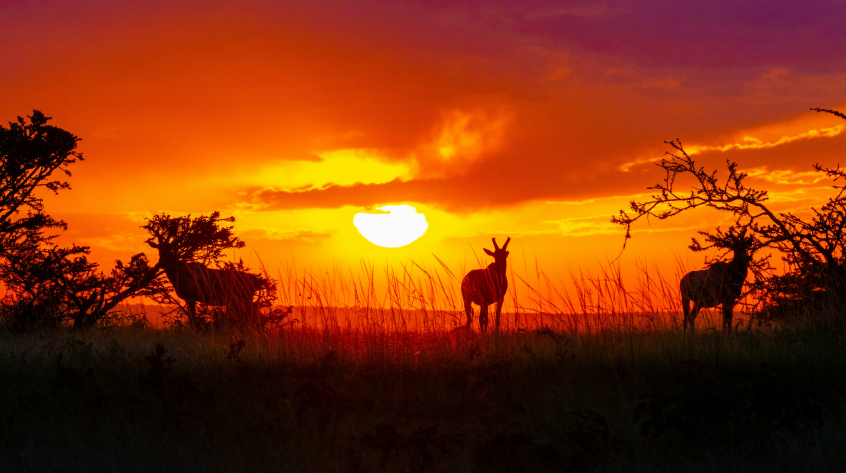


Wildlife photography is a thrilling craft, but it can require a great deal of discipline. Some days can yield once-in-a-lifetime results, while others might have been better spent sightseeing. These compelling moments can be captured more often, however, with the right tools and skillset. Learn how to capture decisive moments in the wilderness.
Nature as an Amazing Canvas for Wildlife
Animals are captivating creatures, and they often make great photo subjects. However, as compelling as the subject is, a photo can be limited by its backdrop. A bear surrounded by trash can be a statement piece, but it provides less beauty than one fishing in pristine waters. Similarly, even a well-framed image of a tiger in a zoo enclosure can feel staged and lack the awe of the sweeping grasslands.
Nature provides the ideal canvas for wildlife photography. Whether that be the wilderness or a nature preserve, animal photographs are elevated by a natural landscape. The natural world offers a variety of scenery, from the different terrains to the dynamic lighting, while also encouraging the natural behaviors of its inhabitants.
Places to Shoot: Nature Preserves and Controlled Habitats
Nature preserves and other controlled habitats are safe and reliable locations to photograph wildlife. These places typically have a rich diversity of wildlife and provide an environment where animals thrive with minimal human interaction. This lack of human interaction means animal behavior will be closer to what you would experience in the wild rather than in a zoo.
Controlled habitats also provide a natural backdrop for wildlife photography, allowing stunning imagery that can transport viewers to the wilderness. In some instances, the subject of the photo will be comfortable enough with human presence that they won’t change their behavior if you’re spotted, unlike in the wild, where you need a way to hide yourself to avoid scaring off the animal.
Research nature preserves and other controlled habitats near you for promising locations, or consider visiting a national park for a greater chance at memorable shooting.
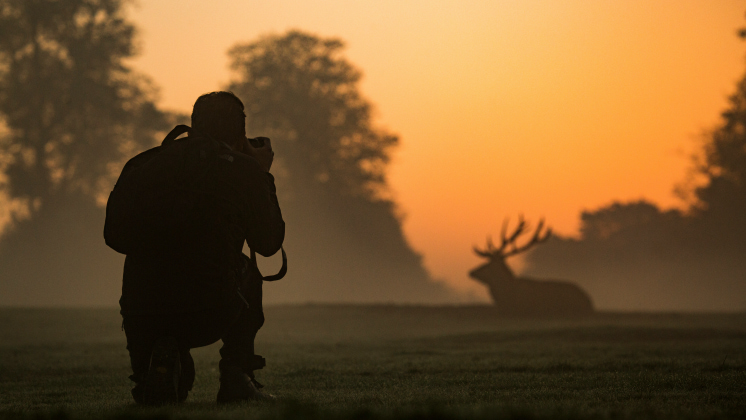
The Challenge: Achieving the Perfect Wildlife Shot
Working with wildlife poses several challenges. Whereas you’re able to direct a human subject and adjust the surroundings in a controlled environment, wildlife photography thrives on unpredictability. It requires plenty of patience but quick thinking to capture fleeting moments.
Animals don’t act on cue. Their behavior is sporadic and can’t be influenced without compromising the authenticity of a shot. Even when your subject is acting accordingly, the quality of the shot can depend on environmental factors, such as lighting, weather, and obstructions. Oftentimes, wildlife must be photographed from afar to ensure their and your safety, and these distances affect the outcome of the shot.
While these challenges can make wildlife photography difficult, they are what often make the craft rewarding.
Educators and Courses: Learning Resources for Every Skill Level
Luckily, there are several resources available to improve your wildlife photography, regardless of skill level. Experienced photographers share tips on online platforms, such as blogs and YouTube, and may even sell books or courses for in-depth education.
Consider in-person photography tours for hands-on experience. An instructor will lead a group to different spots and provide as much or as little guidance as you may need. The tour you join may depend on the location or the photographer in charge.
Remember that while educational resources are useful, what you learn can only improve your photography if it's put into practice. Whether you’re interested in capturing moments in the sky or underwater, sometimes you just have to get out and spend time shooting to see what works for you.
Skill Development for Aspiring Amateurs and Hobbyists
Aspiring amateurs and hobbyists can often fall into the trap of buying expensive equipment, thinking it will automatically improve their photography. While the pricey gear can help, developing the right skillset provides the foundation for effective photography.
Patience is essential in shooting wildlife. Because animals are unpredictable and can be easily scared off, staying calm for extended periods is crucial to capturing the perfect moment. In the same vein of thought, observing animals helps you understand their behavior, and understanding their behavior means you’ll be better suited to predict decisive moments and capture the desired shot.
Developing your composition is another skill to prioritize. Even if you capture a moment at its peak, without effective composition, the moment won’t translate into an image. Practice composition techniques, such as shooting at eye level and applying the rule of thirds, to capture more appealing photos.
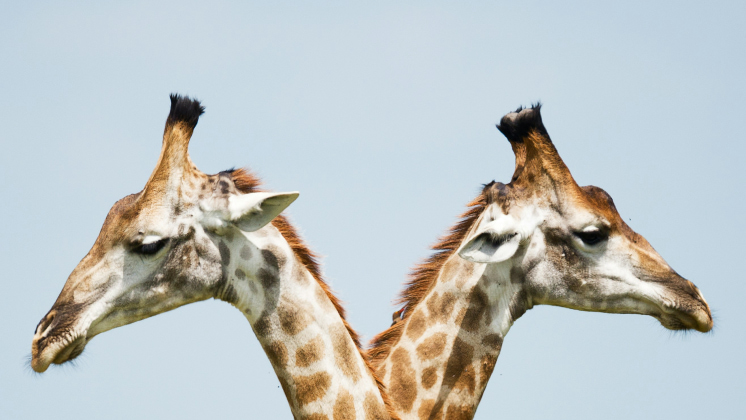
Technical Foundations: Shutter, Autofocus, and Lens Essentials
Shutter speed is generally the most important aspect of the exposure triangle. Fast shutter speeds, typically 1/1000 of a second, are recommended, though you may increase it up to 1/3200 for fast-flying birds.
Your camera’s autofocus system can be the difference between capturing a once-in-a-lifetime shot and missing out. Opt for continuous autofocus to keep the subject in focus during fast-paced moments.
Wildlife photography can be captured with a variety of lenses, depending on your goals, but more often than not, a telephoto lens will be your best friend. You’ll typically be a long way from your subject, so you’ll want a lens with at least a 400mm focal length to protect yourself and the animal.
Stabilization and Gear: Tripods, Gimbal Heads, and Support Systems
Hand-held shooting is useful if your equipment is light and you need to move the camera quickly. Otherwise, consider a tripod for sharper images. It will keep your camera at eye level and reduce the strain on your arms and shoulders.
A gimbal head is a necessary attachment for your tripod to allow vertical and horizontal camera movement. It keeps your camera stable without limiting you to a stationary shot, so that you can make slight adjustments to your framing in real time.
If you’re shooting from a vehicle, beanbags can be used to cushion the lens on the window. If you’re constantly on the move, a monopod is a lightweight alternative to a tripod that provides stability without restricting movement.
Ethics and Field Craft: Respect Animals and Avoid Disruptions
Keeping your distance is important for your safety, but it also respects the animals. Never sacrifice ethical considerations for a photo. If you feel like the animal or its habitat is in danger, find a different approach to take the picture.
Don’t feed or bait wildlife to try to get them in a more advantageous position. Try to leave little trace of your presence in their territory to avoid disrupting their habitat. Avoid crowding wildlife, as it stresses the animals. Refrain from provoking animals for an action shot.
Real-World Inspiration: Creative Approaches to Wildlife Filming
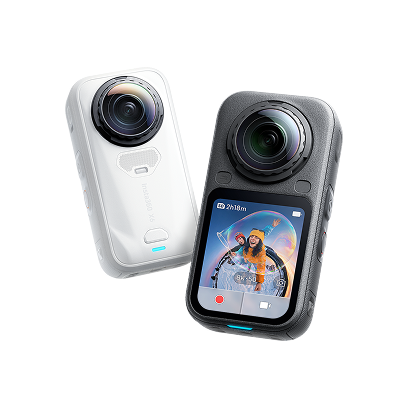
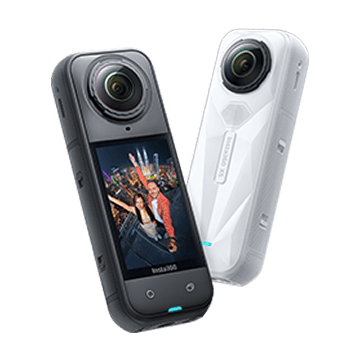
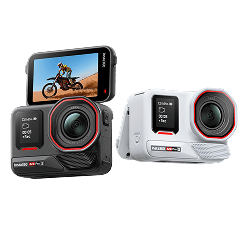
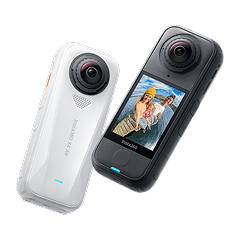
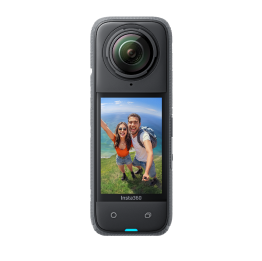
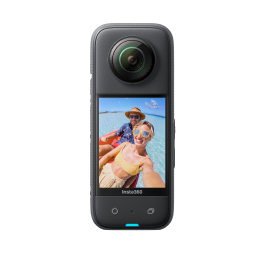
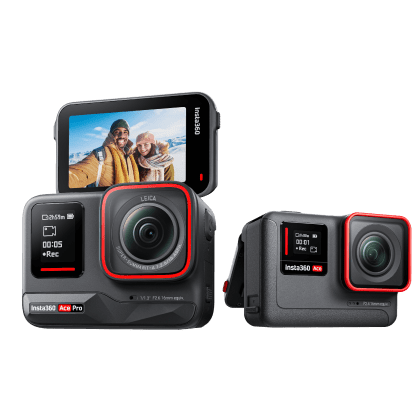
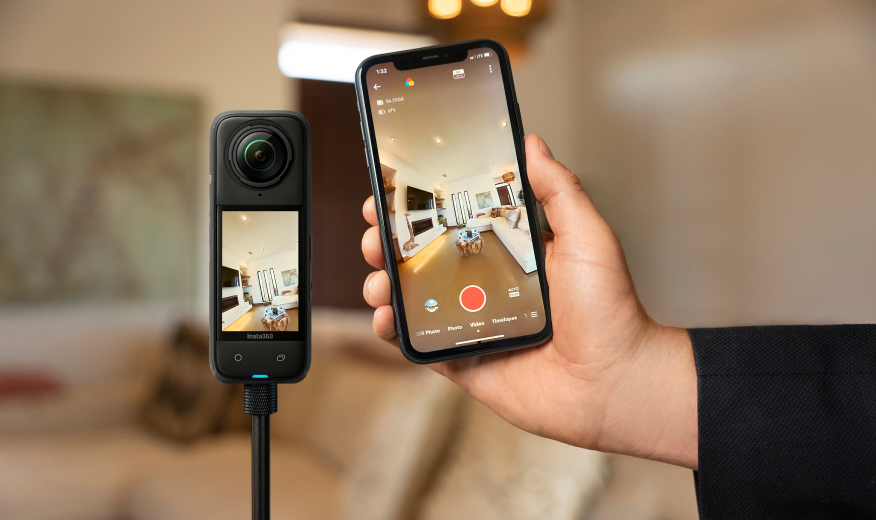
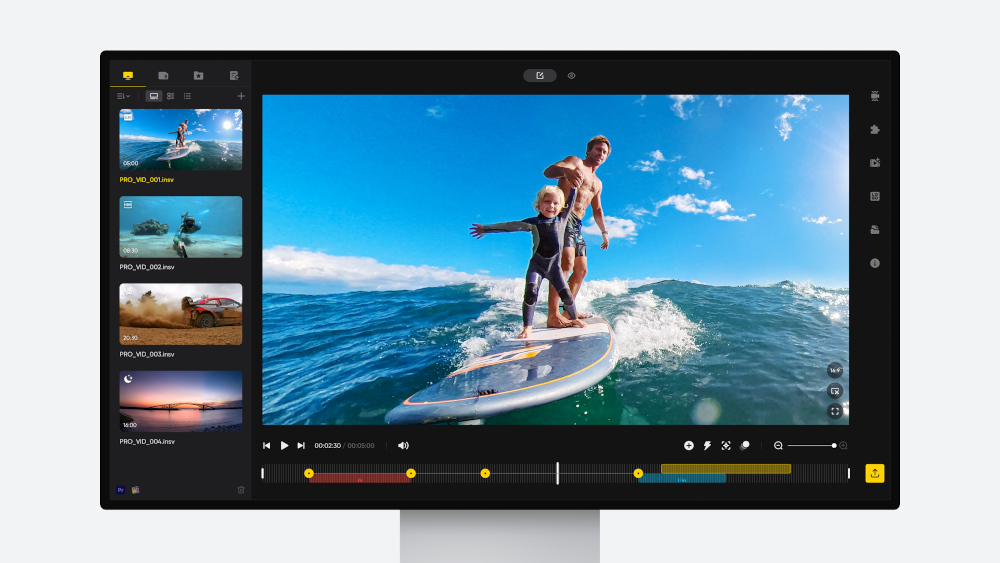
Capturing wildlife can extend past stills. Using film to shoot animals in the wild can be just as, if not more, captivating. Try Insta360 X4 to capture 360° footage, similar to the techniques in this nature documentary guide. Or, use a wide-angle action camera like Insta360 Ace Pro 2 to capture the beautiful scenery in high-definition 8K while your subjects are on the move.
Frequently Asked Questions
What ISO Should I Use for Wildlife Photography?
The ideal ISO setting depends on lighting conditions. A low ISO range of 100 to 800 is effective in bright light, while a higher ISO of up to 3200 is useful in low light or while capturing fast-moving subjects. Consider an auto ISO setting to prioritize shutter speed and aperture.
What Settings Should I Use for Wildlife Photography?
Your wildlife photography settings will depend on the day, but there are some general guidelines you can follow for effective results. Use a fast shutter speed of at least 1/1000 to capture fleeting moments, and engage continuous autofocus to track moving subjects reliably.
Is Mirrorless or DSLR Better for Wildlife?
Mirrorless cameras are generally better at capturing wildlife due to their advanced autofocus systems and higher burst rates. However, DSLR cameras are more budget-friendly and therefore may be more suited for beginners.
Final Thoughts: Patience Creates the Moment
Wildlife photography requires plenty of patience, but the result can be incredibly rewarding. There are several challenges and external factors that can affect your photographs, but learning how to navigate them makes a world of difference.
The more you engage with your craft, the more you’ll know, so pack your gear, apply your sunscreen, and get comfortable as you wait for the perfect moment to strike. Be sure to bring along an industry-leading camera like Insta360 X5 to capture every animal or landscape in beautifully crisp detail.
The Insta360 Vision Awards supported by Leica are now open. Join creators worldwide for a chance to win from an US$80,000+ prize pool, including Leica cameras and Insta360 gear.
Got a story to share? Email yours to communitystories@insta360.com and win up to US$50.




%20(1).svg)


%20(1).svg)

.svg)