









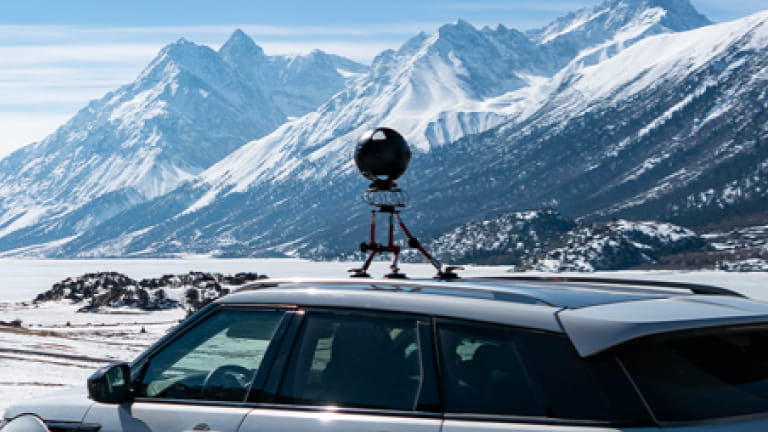

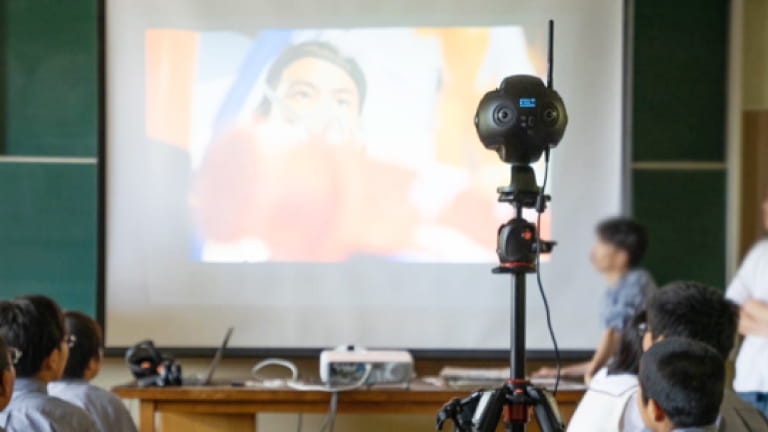








Choosing the right camera often feels like a balancing act. Should you go for something small and compact, or larger and more feature-packed? For many, the key priorities are portability, performance and flexibility.
What Is a Bridge Camera?
A bridge camera combines the ease and portability of a small point-and-shoot with the control and handling of DSLRs and mirrorless cameras.
Think of it as your trusty all-in-one camera.
Bridge cameras typically include zoom lenses that cover everything from wide angles to near-telephoto range, meaning no lens swap, no hassle, and continuous shooting.
They have the feel and grip of a DSLR, giving you that “photographer” feel, and also come with plenty of features that allow you to expand your creativity. You can adjust shutter speed, aperture and ISO, just as you would on a high-end camera.
Key Features of Bridge Cameras
Powerful Zoom Lenses
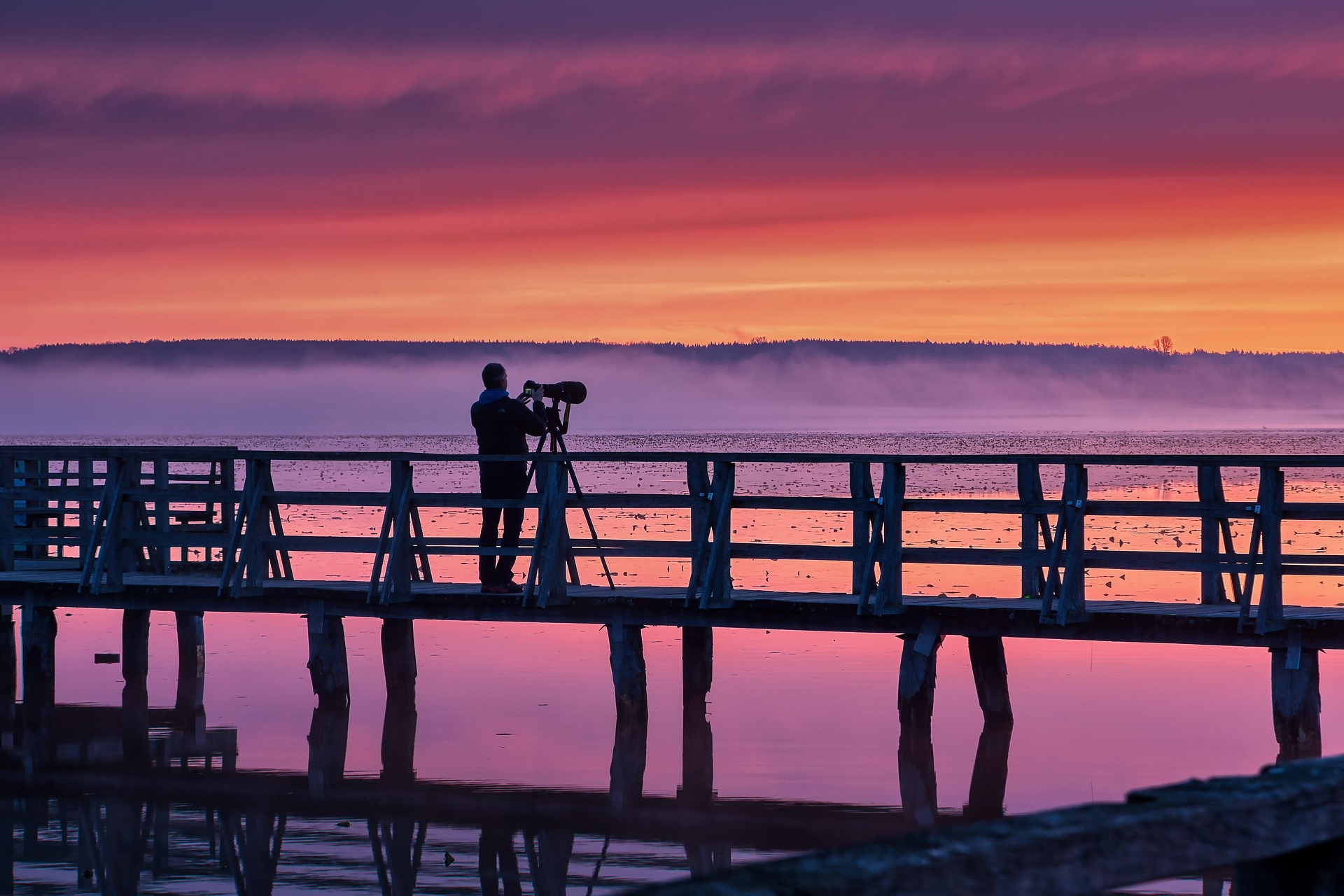
Bridge cameras feature powerful zoom lenses that give photographers a huge array of options, from sweeping wide shots to extreme up-close images.
Fixed Lens Design
The beauty of bridge cameras is their versatility, which means there’s no need to change lenses.
The lens that does everything you need is permanently attached, so no need for extra equipment or bulky bags.
DSLR-Style Controls
Standard point-and-shoot cameras are great—up to a point. But for those who want to stretch themselves, they can feel incredibly limited.
With a bridge camera, you can really go further with your creativity and make use of the kind of control and features you find on a DSLR.
All-in-One Portability
Despite having everything you need, bridge cameras are still surprisingly portable, especially when compared with DSLRs, and particularly when you consider that you’re only carrying one piece of kit rather than a camera and multiple extras.
Smaller Image Sensors
But there must be a downside to this all-in-one, right? Yes, and it usually comes with its sensor, which is typically smaller than other cameras.
In photography terms, this means worse low-light performance, lower dynamic range—which affects contrast between light and shadow—and also lower quality blur and background. These are the major trade-offs.
Bridge Camera vs Other Camera Types
Bridge Camera vs DSLR
If you’re looking for the absolute highest quality image out there, you’re probably going to find it with a top-of-the-line DSLR.
There’s a reason they’re still the professional camera.
But DSLRs are large and often require lens changes, while they can also seem a little daunting to newcomers. Bridge cameras, on the other hand, keep things nice and simple (but the trade-off will always be image quality).
Bridge Camera vs Mirrorless
Bridge cameras and mirrorless cameras share several similarities:
- They’re both typically smaller than DSLRs, making them portable and easy to use, and include access to controls that you don’t often have with point-and-shoots.
- However, mirrorless cameras usually have a far superior image quality, but do require additional lenses.
Bridge Camera vs Action Cameras
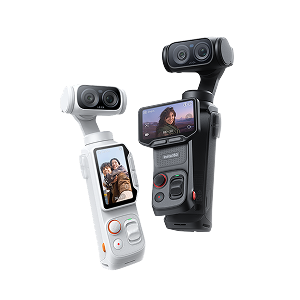
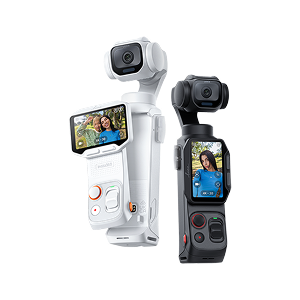
This is where the comparison changes. While bridge cameras follow a more traditional design, action cameras now appeal to some of the same users by offering a different kind of all-in-one versatility, with greater portability and flexibility.
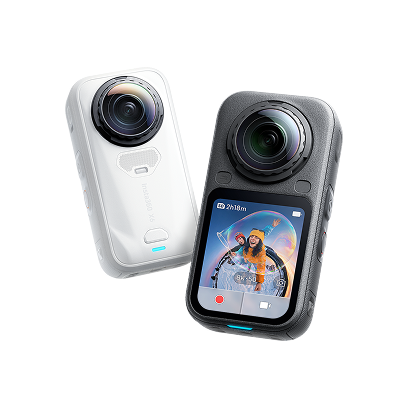
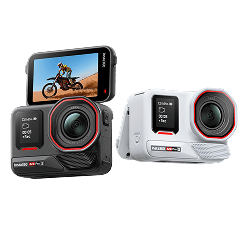
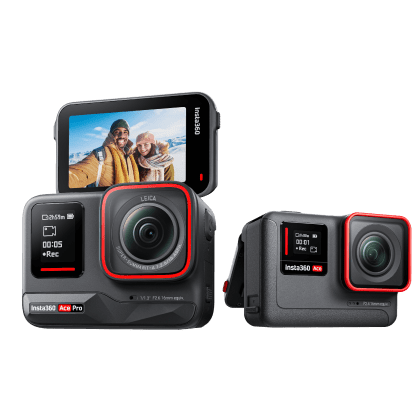
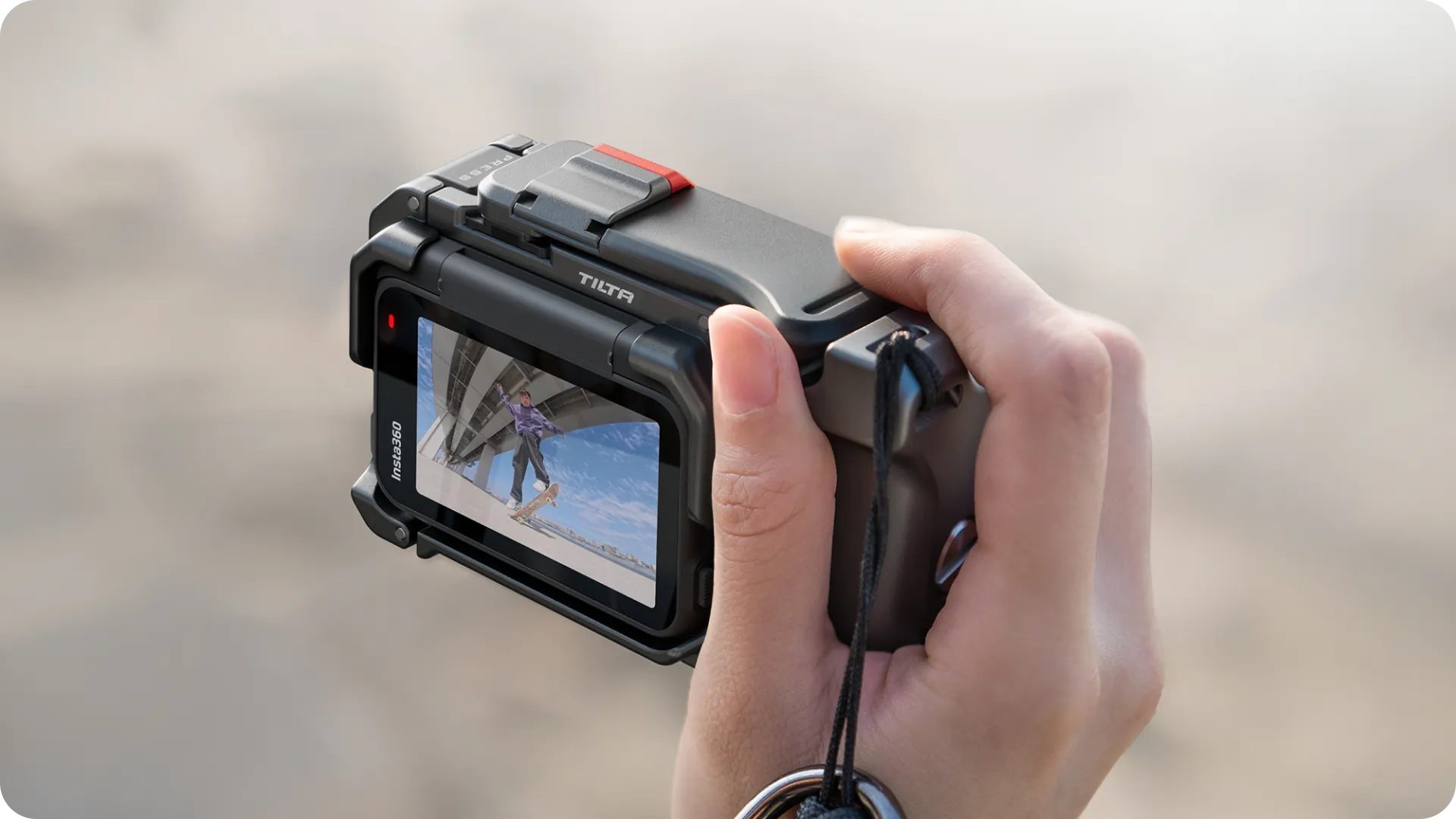
For example, Insta360 Ace Pro 2 is a real heavyweight with a Leica lens that can be strapped to a motorcycle helmet, a body mount while trail running or taken underwater.
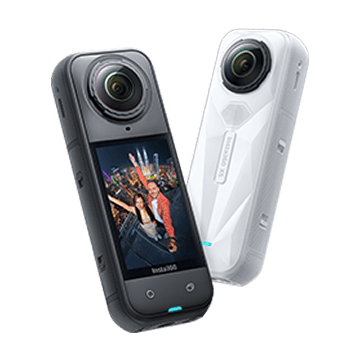
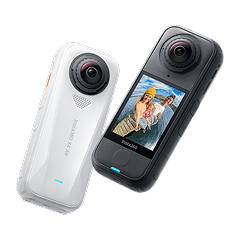
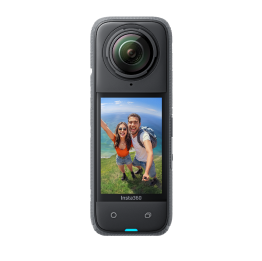
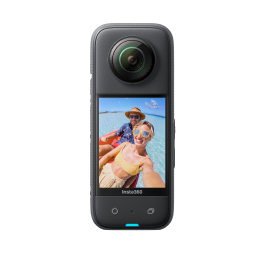
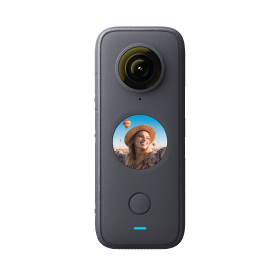
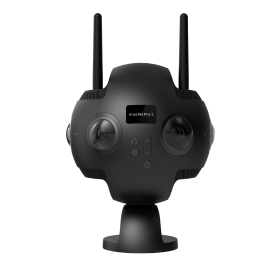
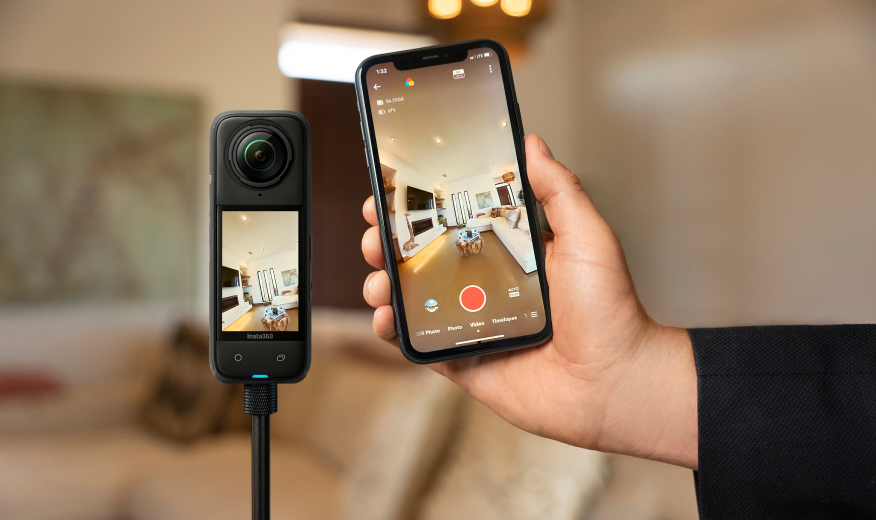
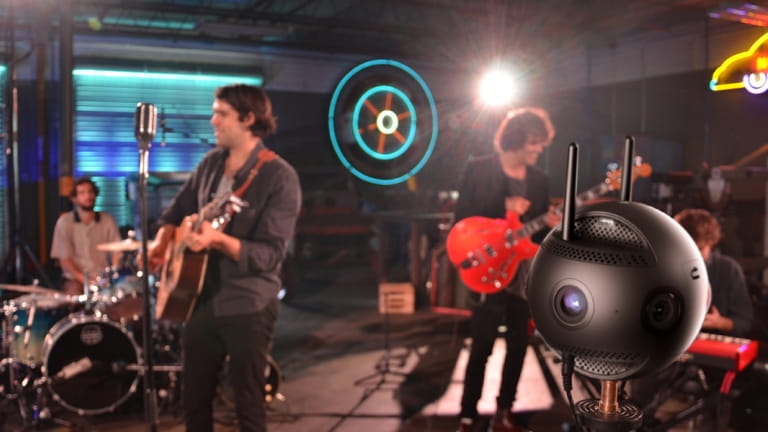
Cameras like Insta360 X5 and Insta360 X4 capture immersive 360 footage, letting you reframe your shot after the moment has passed. You’re not locked into a single composition—you decide later.
Rather than extending your reach with zoom, cameras like these prioritize capturing more of the scene at once, with the flexibility to reframe later.
What Are the Advantages of Bridge Cameras?
- Powerful reach — Few cameras offer the same kind of zoom in a built-in capacity that you get with a bridge camera, allowing you to capture objects that would otherwise require a telephoto lens.
- Simplicity — Bridge cameras are designed to be simple to use, making them great for beginners or anybody who doesn’t require all the bells and whistles you get with high-end cameras.
- Cost efficiency — If you want to get into photography, spread your wings, but don’t want to invest in multiple lenses, bridge cameras are your best bet.
- All-round compatibility — This is probably the biggest one. Bridge cameras aren’t about being the best at everything, but they are about being able to do a little of everything.

The Limitations of Bridge Cameras
- Sensor size — There have to be trade-offs, and the sensor is probably the biggest. With a smaller sensor, image quality is reduced, along with low-light capabilities and general dynamic range.
- Zoom quality — One problem that really gets magnified by the smaller sensor is the quality of a zoomed image, particularly the closer you get. You’ll see obvious signs of image degradation, including grain, noise and washed-out finer details.
- Autofocus and speed — Bridge cameras can fall behind newer camera types in autofocus performance and responsiveness, depending on the model. In fast-moving situations, action cameras can offer a simpler, more reliable shooting experience.
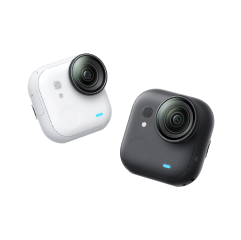
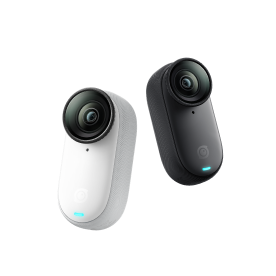
- Size limitations — While not the biggest cameras, bridge models are still sizable. Unlike compact action cameras such as Insta360 GO Ultra or Insta360 GO 3S, bridge cameras are not designed for body-mounted, hands-free shooting in active environments.
- Fixed design — Having an all-in-one camera and lens is convenient, but can also quickly become limiting. When you feel like it’s time to take the next step, you’ll soon find there’s nowhere to go.
Who Should Consider a Bridge Camera?
Travelers Who Want Simplicity
If you’re heading away and want a travel camera that can do everything, a bridge camera is the perfect solution. It lets you take that wide-angle beach shot, but also allows you to zoom in on that colorful bird in the trees.
Beginners Looking to Test the Waters
Bridge cameras give you access to full manual controls in a more approachable format. You can experiment, make mistakes and learn how light behaves, all without committing to a more complex system.
Casual Wildlife or Sports Shooters
That extended zoom makes it easier to photograph wildlife or sports from afar, especially when getting physically closer isn’t an option. It’s not pro-level performance, but it’s enough to capture the moment.
Final Thoughts
Bridge cameras still have a place, especially for people who want long zoom in a simple all-in-one setup, but they are no longer the obvious choice they once were. While their flexibility and ease of use are excellent, today, consumers are slowly turning away and towards cameras that can deliver the image quality that bridge cameras cannot.

As newer camera categories have improved, especially mirrorless and action cameras, bridge cameras can feel less compelling for buyers who prioritize portability, low-light performance or creative flexibility.
If your priority is a more portable, flexible camera for active shooting, travel and everyday capture, Insta360 action cameras offer a modern alternative worth considering.
Frequently Asked Questions
Is It Worth Getting a Bridge Camera?
For quick and easy photography and a wide array of zoom options, it can be a great choice. However, bridge cameras come with limitations, such as a smaller sensor, lower dynamic range and poorer low-light performance. So if those specs are a priority for you, you might want to consider a different camera type.
Why Are Bridge Cameras Being Discontinued?
Bridge cameras are not disappearing entirely, but they are less prominent than they once were. Many buyers now lean toward mirrorless systems for image quality and upgrade flexibility, or action cameras for portability and ease of use.
Keen to keep up to date on Insta360 stories? Keep an eye on our blog and sign up for our mailing list. Got a story to share? Email yours to communitystories@insta360.com and win up to US$50.







%20(1).svg)


%20(1).svg)

.svg)