














A camera shot is much more than just pointing a camera at a subject and hoping for the best. This isn't just about showing the viewer something—it's about making them feel something. It's about transporting them to a different time and place. How you shoot a video or an image has an enormous bearing on how that transmits to your audience.
A sweeping wide shot takes in the full expanse of your setting but doesn't always have a strong human touch. And, while a tight close-up on a face can pack an emotional punch, it doesn't give much of a sense of location. It all depends on what you're looking for.
This guide breaks down the essential camera shot techniques, providing practical tips and creative ideas you can try today.
What Are the Basic Camera Shots?
Close-Ups and Medium Close-Ups
A close-up pulls the viewer into the heartbeat of a moment and is an emotion-capturing technique that has been used since the early days of cinema. When those tears start rolling down the face, the camera often zooms in gradually, letting emotion take center stage. This really brings out the rawness of the situation along with every detail—watery eyes, cold breath on a winter morning and texture that feels alive. Use close-ups when you want to convey intimacy or clarity, especially in reactions or product details. However, be aware that too many close-ups can feel claustrophobic.
A medium close-up widens the frame just enough to include shoulders and body language. It’s the sweet spot for conversations, vlogs and creator-led tutorials where you don't really need the camera inches away from the face.

Medium Shots
The further we move back from the main subject, the more the scene can breathe but you also begin to lose that intimacy of the close-up shots. Medium shots balance subject and environment, framing the torso while keeping the viewer focused on the action. It’s the most versatile shot in everyday storytelling—walk-and-talks, lifestyle clips, travel diaries even gear reviews. It's close enough to still feel warm and relatable but also gives plenty of information about the setting, making it a great default choice for a wide variety of purposes.
Long Shots: Framing
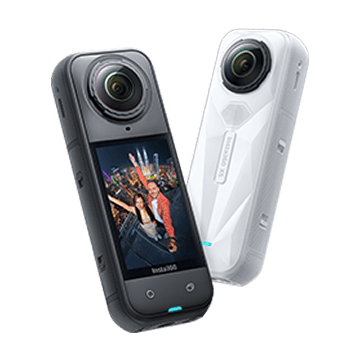
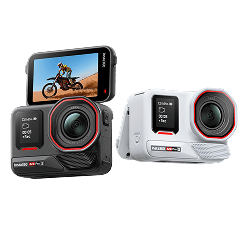
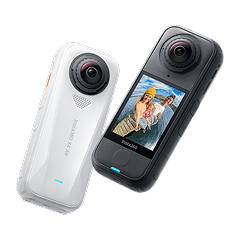
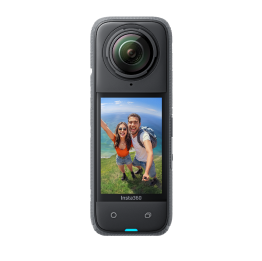
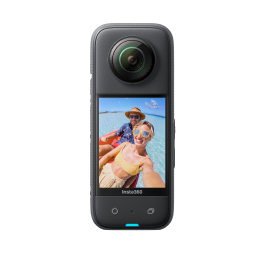
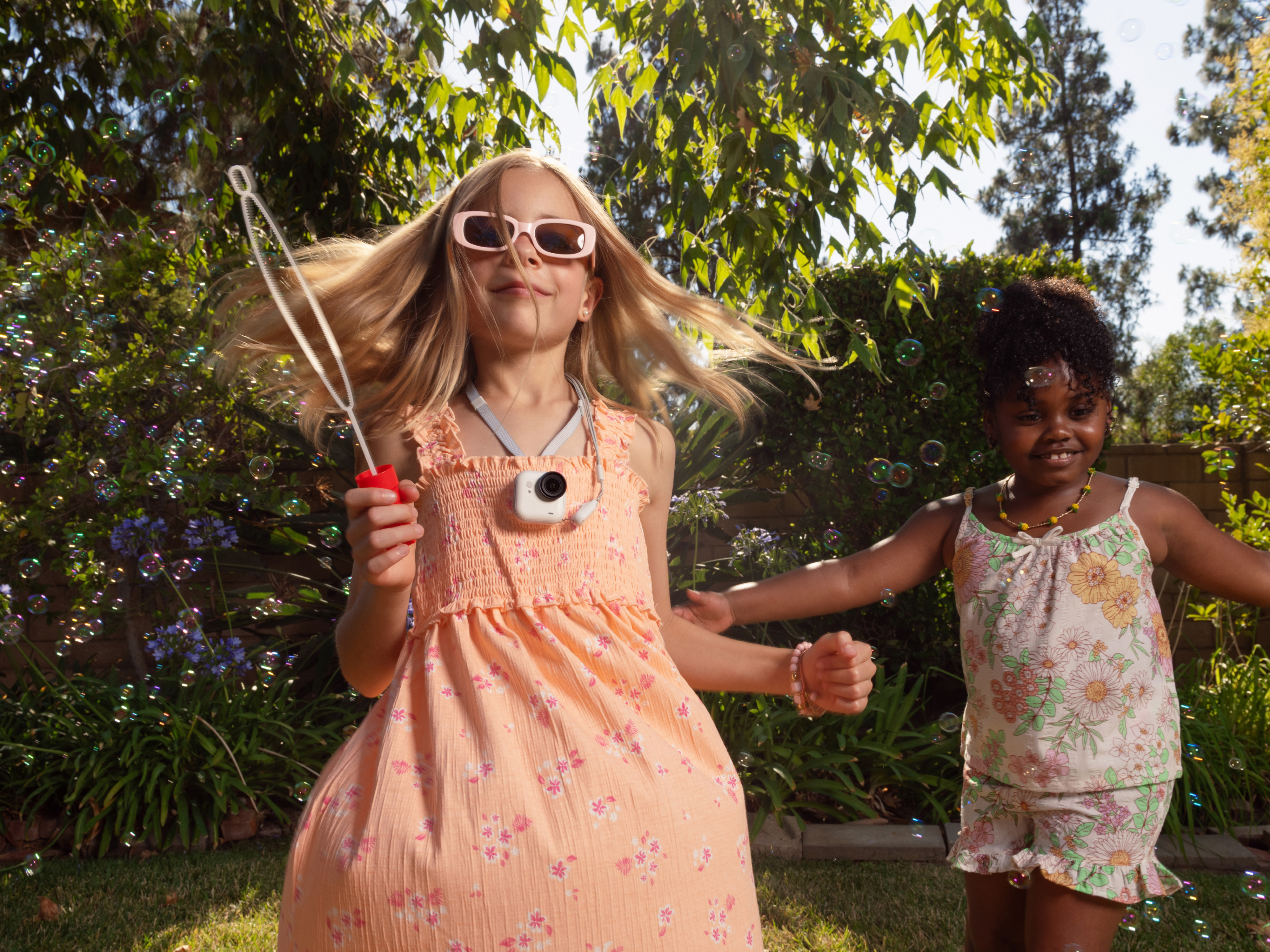
Stepping back just a little reveals a long shot, which typically shows the entire body and a significant portion of the surrounding space. It captures movement, posture and context in a single frame but also showcases the background. If you're filming on city streets, mountain peaks or forest trails, this will likely be your choice as it allows you to tell the subjects' story while incorporating the exciting background into the scene. With 360 cameras like Insta360 X5, you can capture everything around you and reframe the long shot later for perfect composition. With Insta360 Shot Lab, the AI editing tool, those hours and hours in the editing room are now a thing of the past. Quick, easy—incredibly stylish.
Extreme Long Shots
When the landscape dominates or if you want to experiment with certain cinematic conventions such as highlighting a character's insignificance or loneliness, an extreme long shot is an effective way to achieve this. The subject becomes a silhouette against a mountain, ocean or sky, which creates a sense of scale, mood and isolation—ideal for adventure, travel and establishing context. The dynamic range of Insta360 X5 helps preserve detail in these high-contrast scenes, from bright horizons to deep shadows.
What Are Advanced Camera Shots?
Over-the-Shoulder (OTS)
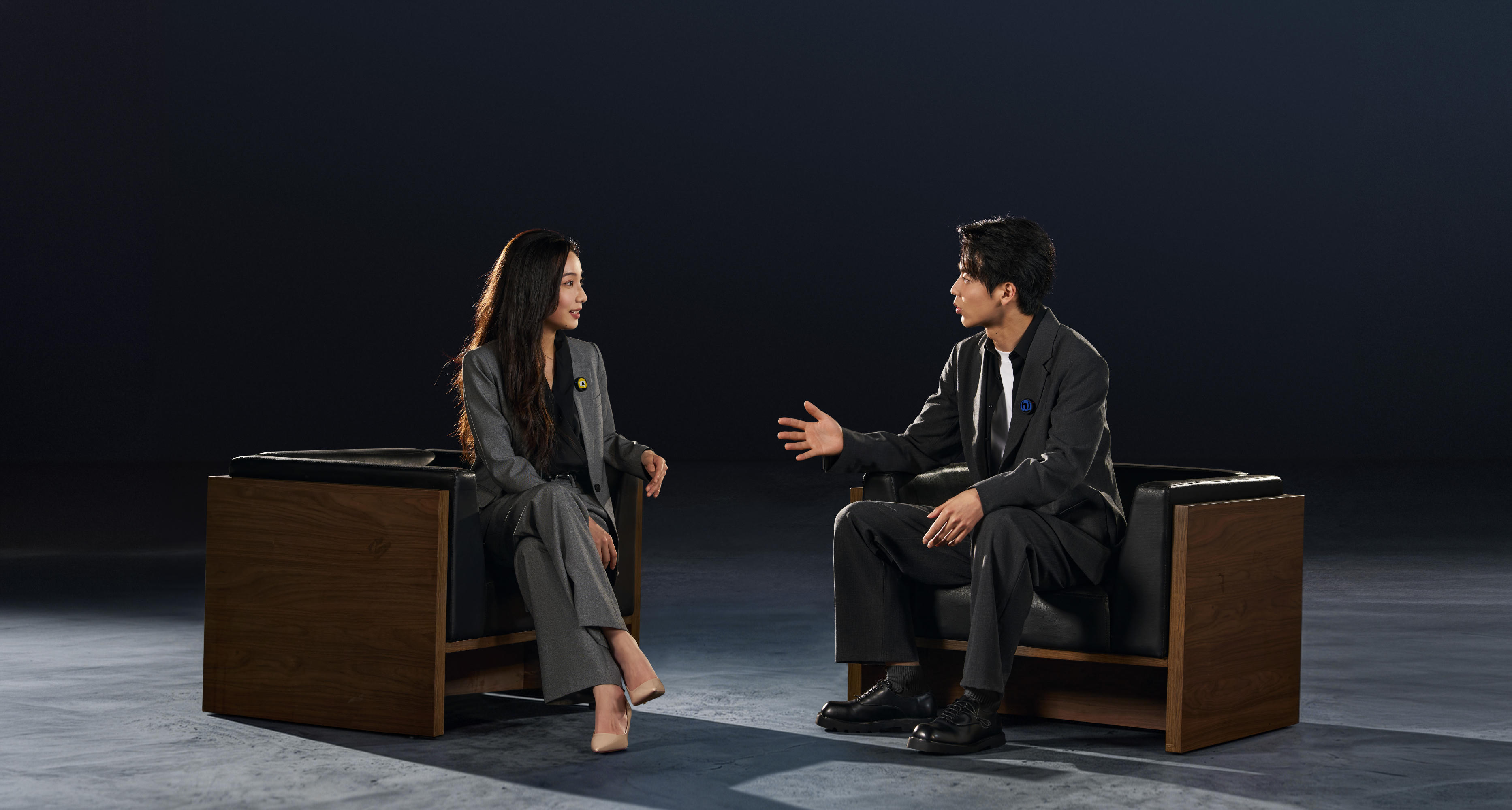
An over-the-shoulder shot brings viewers into the space between two people and is often used in interview situations as well as in movies. The viewer is watching the scene unfold from just behind a character, close enough to feel the tension or warmth in their exchange. OTS shots anchor dialogue, add depth and guide the viewer’s attention toward what matters most. They’re simple, effective and a great way to place somebody smack bang in the middle of the narrative flow.
Point-of-View (POV)
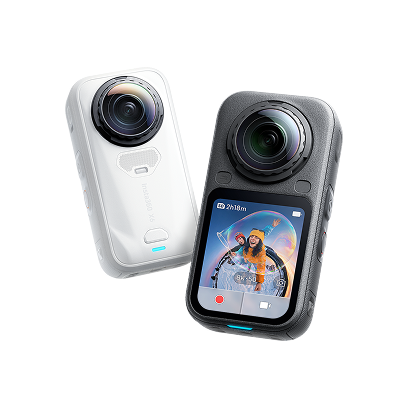
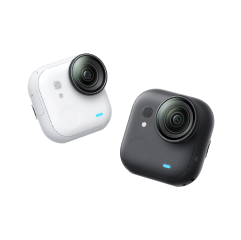
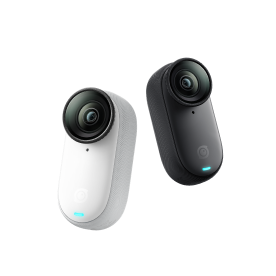
The point-of-view shot is another age-old cinematic technique that shows the viewer exactly what a subject is looking at. This can be incredibly immersive when done in the right way and is used in everything from horror films to really make you jump to action sequences that leave the viewer on the edge of their seat. Lightweight cameras like Insta360 GO 3S or Insta360 GO Ultra make these shots effortless. Fix it to a helmet, hat or around your torso and you're good to go. This is where your creative video ideas can truly blossom. All we'll say is: have fun!
Perspective Shots
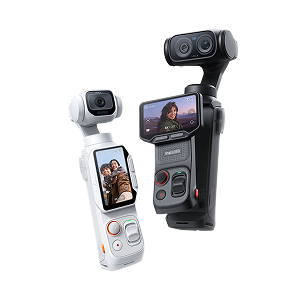
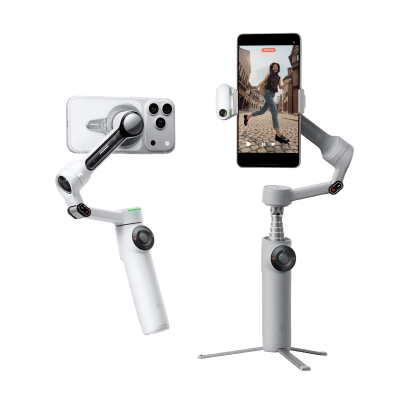
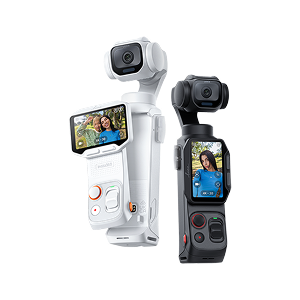
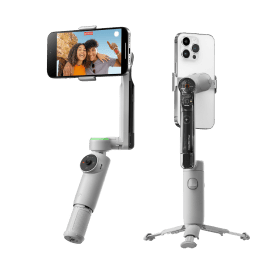
Speaking of creativity. Who wants to play the safe game? Thought not. Shifting perspective to give the viewer unexpected views and experiences is what movie-making is really about. Perspective shots play with scale, distance and angles to deliver something different, which can be the difference between your videos looking like 95% of the content on YouTube or really standing out. And you don't even need a fancy camera to make magic. With Insta360 Flow 2 Pro, you can use your smartphone in all kinds of creative ways that will give any dedicated camera a run for its money.
Dolly Shots
OK, you might be rolling your eyes at the thought of using a real cinematic dolly to create those wonderful gliding shots but don't underestimate what's possible. Got a skateboard lying around? Turn it into a homemade dolly. Even a steady shot from a bicycle can work. Dolly shots move the camera closer or farther from the subject with intention—pushing in for emotional impact or pulling back to reveal context.
Exploring Angles, Tilt and Movement
Angles and movements do more than shape a shot—they shape the viewer’s instinctive response. A camera’s height can empower or diminish. A tilt can unsettle. A pan can reveal a hidden detail that changes everything. Mastering these elements gives your footage a stronger voice.
Height (High Angle / Low Angle)
A high angle looks down on the subject, making them feel smaller or more vulnerable. It helps capture scale or establish a character’s place in a big environment. A low angle flips the power dynamic, adding strength, presence or intimidation.
Dutch Angle
The Dutch angle tilts the horizon line, creating tension, unease or high-energy stylization. It’s a favorite in action scenes or moments where balance feels off. Use it sparingly as overdoing it will leave your viewers feeling they just stepped off a runaway train. Choosing when to use this can be tricky but fortunately, with 360 cameras, you can adjust the perfect tilt during editing instead of committing to it on location.
Pan
A pan sweeps the camera horizontally across a scene, guiding the viewer’s attention from one subject to another. It’s great for landscape reveals, interior tours or shifting focus during action. Keeping pans smooth is key—gimbals like Insta360 Flow 2 Pro help maintain that frictionless motion.
Tilt
Tilting moves the camera vertically, either rising to reveal scale or dropping to ground level for a dramatic lead-in. Again, this is one to use sparingly. Too much tilting makes you feel like you're on the bow of a ship in stormy seas, which might be the idea for a period but your viewer's stomach shouldn't be going up and down for extended periods. Use wisely and practice this one to get it just right.
Track
Tracking shots move with your subject—running beside them, gliding behind a bike or sliding through a busy market. They're a great way to add momentum and give the viewer the feeling of actually moving through a scene rather than just experiencing a series of static shots.
Establishing Shots: Setting the Scene and Context
Now that we've outlined the basics, let's discuss setting the scene. Think about your favorite movie or scene. How does it start? Does it begin with a close-up of a person that immediately immerses you in their emotions or a wide, sweeping shot of a landscape that conveys everything you need to know about the setting?
Establishing shots vary wildly and anybody who tells you there's only one way doesn't have much imagination. It all depends on what you're trying to do. But any establishing shot should answer the same questions: Where are we? What’s happening here? What’s the tone? A strong establishing shot sets expectations without needing to say a word.
A close-up of a person for the first shot is a bold choice, which can sometimes work remarkably well but more traditional establishing shots set the broader scene—a skyline over a city, a busy street before the camera slowly glides toward a restaurant door, a messy bedroom as a teenager is getting ready for school. This generally introduces the viewer to the setting in a way that is familiar and relatable.
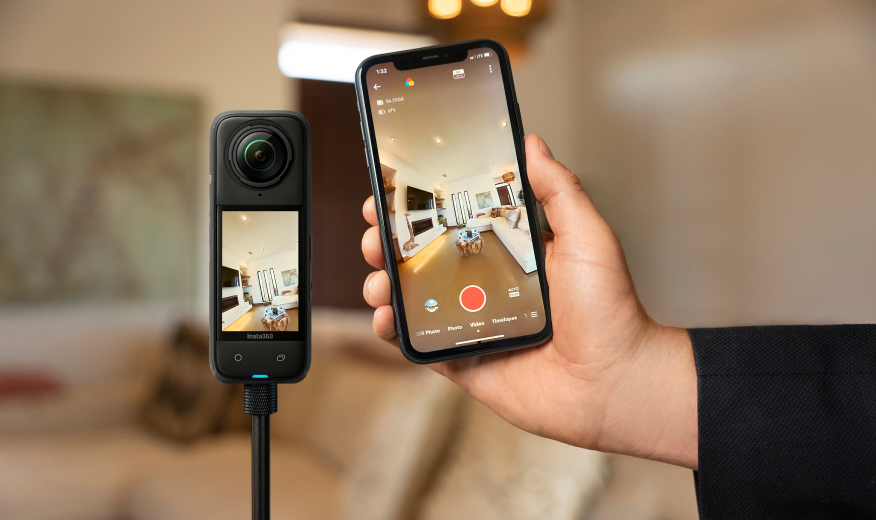
For creators working across travel, adventure or documentary-style content, cameras like Insta360 X5 and Insta360 X4 shine in these moments. Their wide fields of view and high dynamic range help preserve detail in both bright skies and deep shadows as well as everything in between. And because you can reframe everything later, you don't need to fret about getting that perfect shot the first time around.
Stability and Movement Tools: Tripods, Gimbals and More
There's a time and place for movement but stability is a golden rule for content creators. Nobody wants to sit through half an hour of jerky footage—or even 10 minutes for that matter.
Tripods lock down your frame when you need absolute stillness and are your best friend for interviews, time-lapses or scenes where the environment tells the story and the camera shouldn’t get in the way. We can't overstate the importance of tripods. Hold your hand out now and look closely. You might think you're holding it completely still but the human hand always has a slight shake, which doesn't translate well to video.
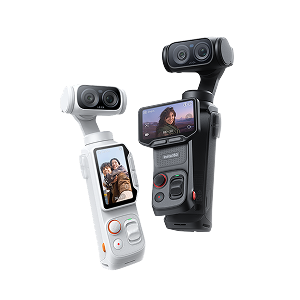
Gimbals bring the opposite energy—fluid motion, smooth arcs and gliding transitions without the jerkiness. With Insta360 Flow 2 Pro, you can execute handheld tracking shots, pan reveals or faux-dolly moves that feel cinematic without the need for rails or rigs. It’s a strong choice for creators who want dynamic movement without sacrificing stability.
Then there are the cameras that already bring their own stabilization to the shoot. With models such as Insta360 X5 and Insta360 X4, advanced stabilization and horizon-leveling let you stay mobile while your footage remains smooth. You can walk, climb, bike or run and still end up with usable, stable shots.
Frequently Asked Questions
What Are the 9 Types of Shots?
Filmmakers often reference nine foundational shots to cover a full scene. While the exact list shifts by source, most agree on a core group: extreme long shot, long shot, full shot, medium shot, medium close-up, close-up, extreme close-up, over-the-shoulder and POV.
How Many Types of Camera Shots Are There?
There’s no single universal count. Shots can be categorized by framing, angle, movement or even purpose—so the number changes depending on the framework. Creators can blend a variety of shots depending on their vision for the final cut.
Capture Dynamic and Immersive Shots Effortlessly With Insta360
The visual storytelling world is your oyster—but to catch the best oyster, you need plenty of knowledge and the right tools. Mastering camera shots isn’t about memorizing terms—it’s about understanding how framing, angles and movement shape the way your story feels. However, it's also about going out, experimenting and having fun while exploring what's possible. People tend to fall into the trap of trying to film in exactly the same way as the herd but the world doesn't need any more bland, unimaginative videos. It needs creativity. It needs bold, adventurous thinking. It needs those who are willing to dare.
Insta360 cameras give you the freedom to capture wide, reframable scenes that anchor your story. With next-generation stabilization and a host of features that allow you to create videos that look like they've come from a big-budget Hollywood movie, these are the tools to let your imagination soar. Don't shoot like everybody else. Find your vision. Find your voice. And truly bring those scenes to life.
The Insta360 Vision Awards supported by Leica are now open. Join creators worldwide for a chance to win from an US$80,000+ prize pool, including Leica cameras and Insta360 gear.
Got a story to share? Email yours to communitystories@insta360.com and win up to US$50.




%20(1).svg)


%20(1).svg)

.svg)