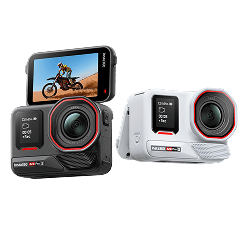
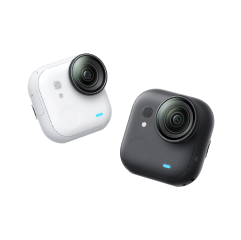
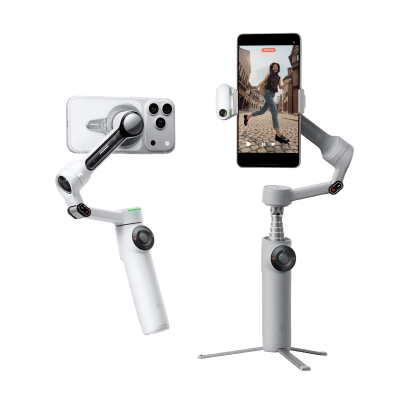

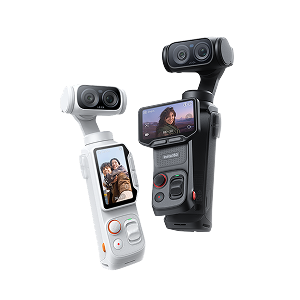


















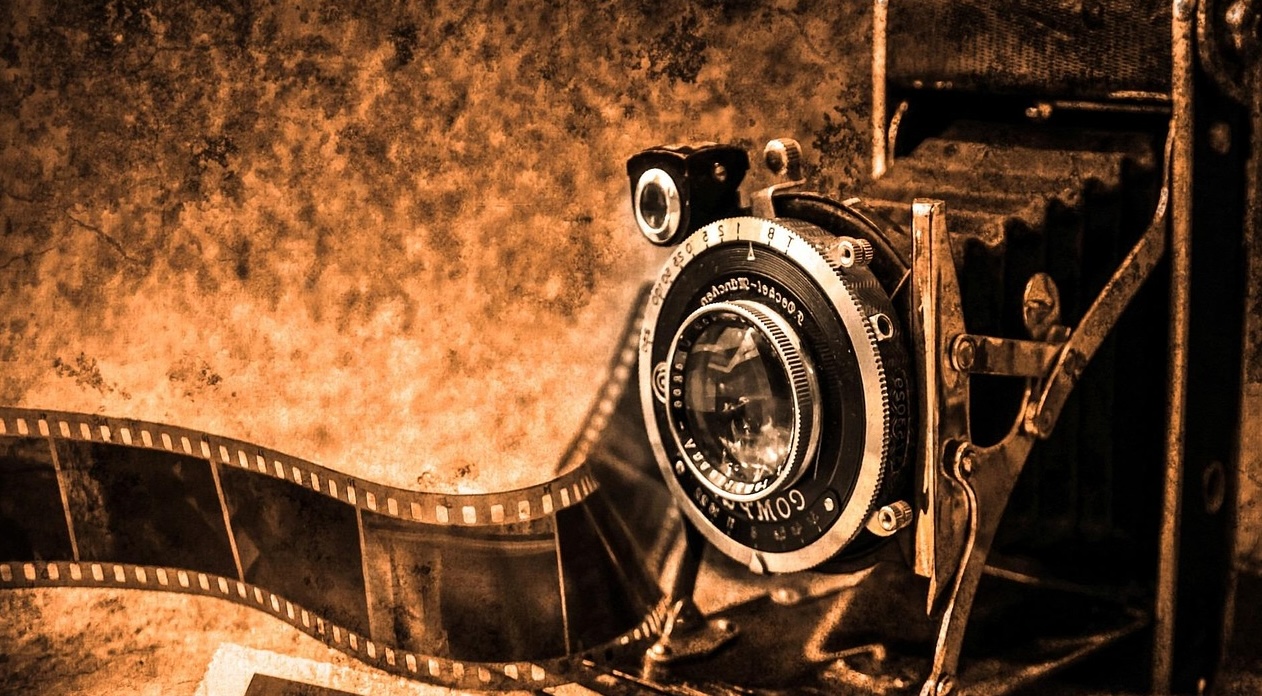


Capturing a great image can be as simple as a thumb-tap on a screen. It’s easy to take the sensors in our pockets for granted, but cameras became “instant” only after centuries of breakthroughs in optics, chemistry, and engineering. Before digital photography and sharing, creating an image often required long exposures, careful processing, and a lot of patience.
In this guide, we’ll trace key milestones in camera history, from early observations of light to modern digital sensors. You’ll see how the camera obscura led to the first permanent photographs, how film made cameras practical and portable, and how digital imaging reshaped what photography could be. Whether you’re wondering “How did we move from dark rooms to digital sensors?” or “How did images go from chemicals to code?”, we’ve got you covered.
Early Experiments in Optics
Before people could record images, they first learned how light behaves. The camera obscura began as an observed phenomenon rather than an invented device. Over two thousand years ago, the Chinese philosopher Mozi and the Greek thinker Aristotle described how light passing through a small hole into a dark space can project an inverted image on the opposite surface.
This natural curiosity sparked the long evolution of the camera. However, it was the Arab scholar Ibn al-Haytham, often called the father of modern optics, who truly unlocked the potential of the dark room. He mathematically proved how light travels in straight lines and used the camera obscura to observe solar eclipses without damaging his eyes. At this stage, the "camera" was an entire room—a space where the fundamental laws of physics acted as a silent projector.
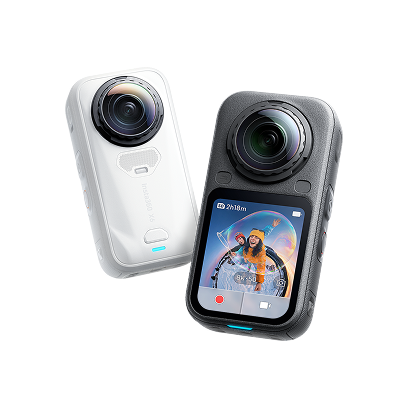
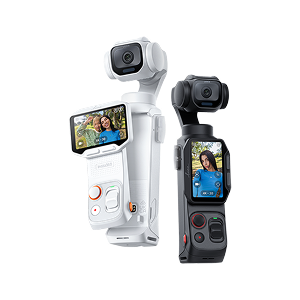
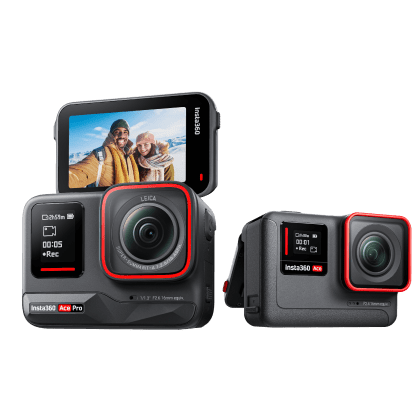
Even then, the goal was a sharper image. Early pioneers relied on pinholes and simple optics, while modern cameras use precision lens elements to control refraction and reduce distortion. For example, Insta360 Ace Pro 2 uses a Leica SUMMARIT lens to shape and focus light as cleanly as possible before it reaches the sensor. These early experiments proved we could project reality. The next challenge was making those projections permanent, which required chemistry to catch up with optics.
Who Invented the Camera First and When Was the Camera Invented?
While optics had been understood for centuries, the real breakthrough happened when we learned to fix an image in place. Joseph Nicéphore Niépce is the man who achieved this first. In 1816, he began experimenting with light-sensitive chemicals, and by 1826, he produced the world's first permanent photograph. It was a grainy, eight-hour exposure from his window—a humble beginning in the evolution of cameras.
However, many credit Louis Daguerre with inventing the first practical photographic system. Daguerre, a former collaborator of Niépce, refined the chemistry into the daguerreotype process by 1839. This was the first commercially successful method, cutting exposure times from hours to mere minutes. This leap transformed photography from a scientific curiosity into a global phenomenon. It set the vital foundation for the history of film cameras, where capturing life became more about the moment and less about the lab.
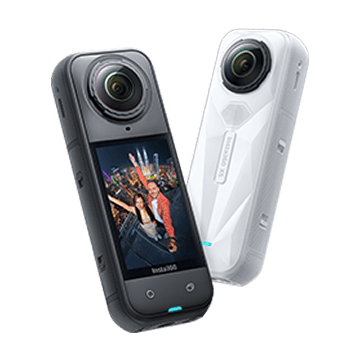
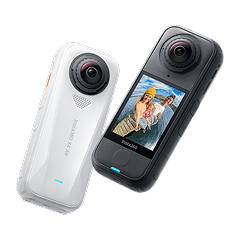
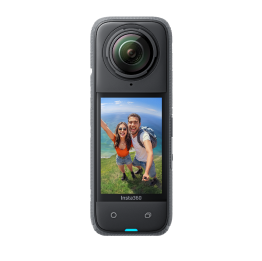
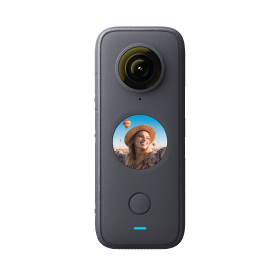
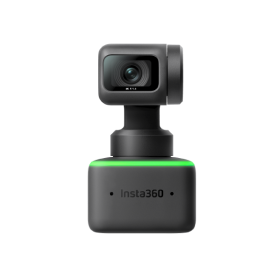
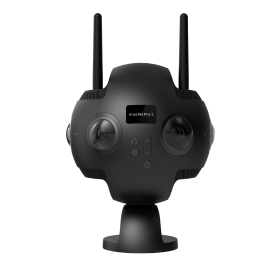
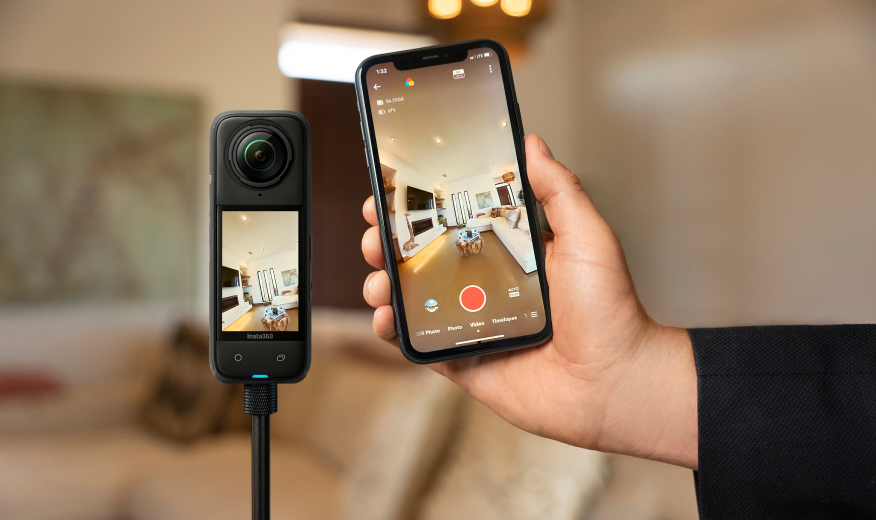
Today’s cameras can capture in seconds what once took hours of exposure. For example, Insta360 X5 can record 8K 360 video, showing how far imaging has progressed in resolution, speed, and convenience. From the earliest inventors to the digital era, the goal has stayed consistent: record the world more clearly and more easily.
From Film to Digital: Modern Possibilities
The evolution of the camera took a dramatic turn when the world moved away from heavy metal plates and toward portability. In the late 1880s, George Eastman revolutionized the industry by introducing roll film. This simple yet profound change signaled the start of the history of film cameras, turning a complex scientific endeavor into an accessible art form for everyone. Suddenly, you didn't need a degree in chemistry to capture a memory; you just needed a Kodak.
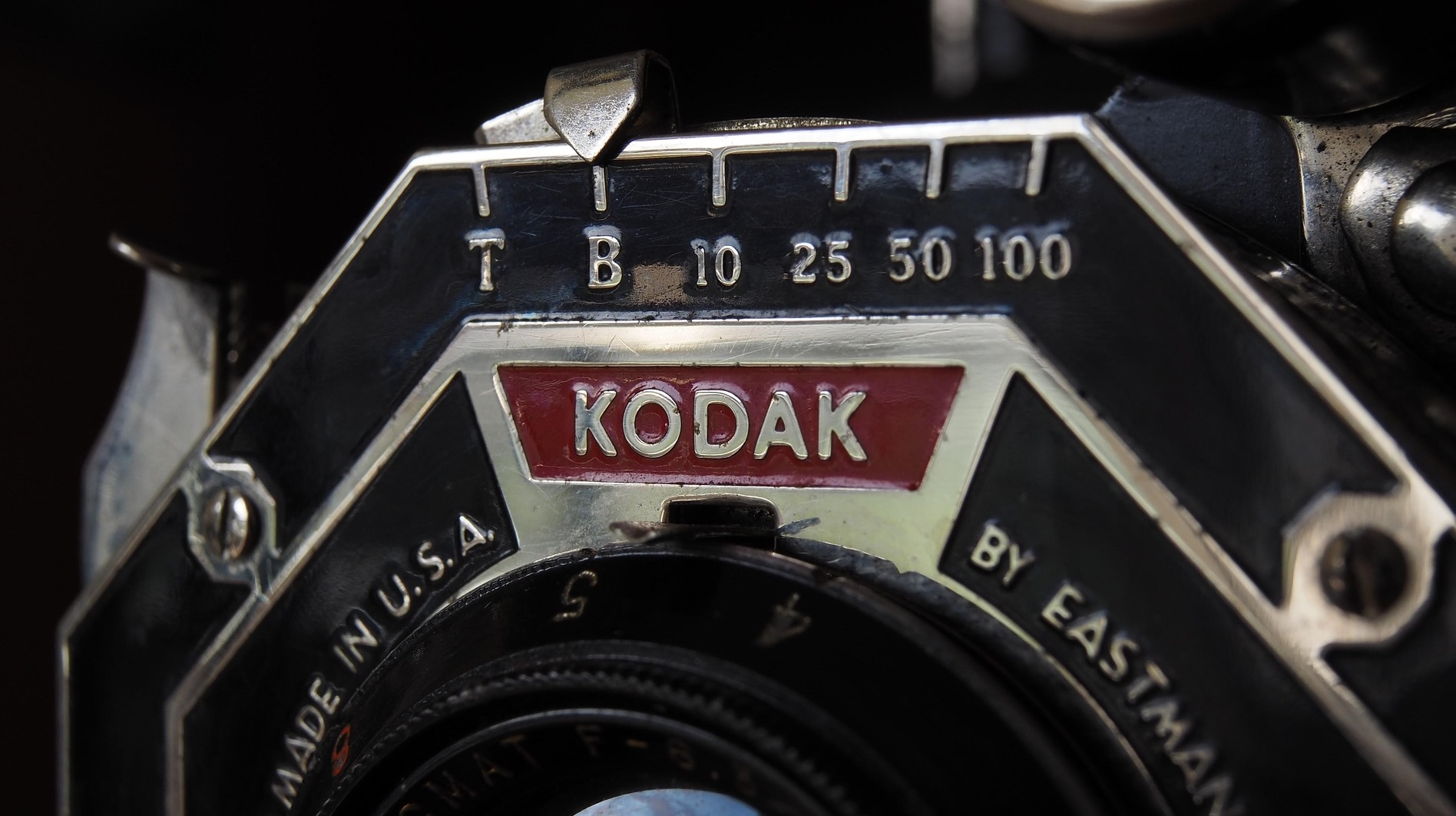
However, the most significant shift in the history of the camera occurred in 1975. Steven Sasson, an engineer at Kodak, created the first digital camera. It was a bulky device that recorded black-and-white images onto a cassette tape, taking 23 seconds to save a single shot. While primitive, it laid the groundwork for the high-speed digital sensors we rely on today. This transition from physical film to digital data changed the purpose of photography from a static record to a fluid, shareable experience.
Today, that digital revolution has reached heights Sasson couldn't have imagined. It represents the pinnacle of this journey, moving from the daguerreotype process to a device that fits in your palm. Whether we look back at who invented the first camera or the invention of the first digital camera, the goal remains the same: to give everyone the creative freedom to tell their story effortlessly.
The Ongoing Evolution of Image-Making
Camera history shows how quickly imaging changed once optics and chemistry met practical engineering. From the camera obscura to the daguerreotype, then to film and digital sensors, each step reduced the effort and time needed to make an image. We’ve moved from exposures that took hours to modern cameras that can capture high-resolution photos and video almost instantly, making photography accessible to nearly everyone.
Understanding when the camera was invented and who contributed to its growth helps us appreciate the tools in our hands today. The journey from the very first digital camera to the AI-powered sensors of the modern era shows that innovation never truly stands still.
If you’re feeling inspired by this history, why not take your craft further? You can dive into the future by mastering 360-degree storytelling, where you are no longer limited by a single frame. The history of film cameras proves that every moment is worth saving; today’s technology just makes it easier to ensure you never miss one.
FAQ
So who invented the camera first?
The answer depends on how we define “camera.” The earliest form, the camera obscura, was observed by ancient philosophers like Mozi and Aristotle. However, the first permanent photograph was created in 1826 by Joseph Nicéphore Niépce using a process called heliography. If we consider the first practical photographic system, Louis Daguerre’s daguerreotype process in 1839 made photography commercially accessible. In short, the camera was not invented by one single person—it evolved through centuries of optical discovery and chemical innovation.
How has camera technology evolved over time?
Camera technology has progressed from simple optical projections to advanced digital imaging systems. Early innovations focused on understanding light through the camera obscura, followed by chemical breakthroughs like the daguerreotype and roll film, which made photography accessible to the public. The digital revolution eliminated film entirely, enabling instant capture, editing, and sharing. Today’s cameras push boundaries further with AI processing, low-light optimization, and ultra-high-resolution 8K recording. Modern devices, such as 360-degree cameras, allow creators to capture entire environments, redefining how stories are told and experienced.
Keen to keep up to date on Insta360 stories? Keep an eye on our blog and sign up for our mailing list. Got a story to share? Email yours to communitystories@insta360.com and win up to US$50.







%20(1).svg)


%20(1).svg)

.svg)