















-tuya.jpg)


Digital cameras revolutionized the way we take pictures today. Instead of having to refill film and wait for images to develop, we can now see our photographs instantly, delete any we don’t want, and transfer the rest to other devices. These changes have made photography more accessible and easy to navigate. Truly mainstream!
While digital cameras have popularized photography, they can be a tad confusing to understand, especially with so many technological advancements. Discover how a digital camera works.
From Analog to Digital: The Big Shift in Visual and Audio Tech
Analog cameras relied on film to capture images. This film had to be developed after use and replaced with another one to continue shooting. The development process was often time-consuming, and constantly replacing film was a nuisance. Digital cameras solved these issues.
Digital cameras replaced film with sensors. Sensors captured light in a manner similar to how film did. The difference is that the resulting image was stored digitally, allowing for more versatility. The shift from analog to digital meant less time and money spent on developing and replacing film. It also opened up a world of communication for photography. Digital images could be downloaded on other devices and shared online with others.
The Digital Imaging Pipeline: Sensor, Bits and Processing
When you press the shutter button on a digital camera, a shutter curtain opens briefly, allowing light to travel through the lens. Instead of light causing reactions on film, light travels through the lens of digital cameras and is captured on a sensor as electronic signals. This sensor has thousands of photosites, each of which holds an electronic signal equal to the amount of light that hits it.

The color and brightness of each pixel are stored as a number, essentially making the image a long string of numbers describing the exact details of each pixel. Storing images in this numeric form allows you to download them on other devices, load them on editing software, share them on social media, and more.
Capture Mechanics: Lenses, Zoom and Focus
Cameras have to adjust the lens to control how light focuses on the sensor. Focal length refers to the distance between the lens and the sensor. It determines the zoom when looking through the camera—increasing the focal length increases the zoom, making the subject appear closer.
Digital cameras can have many different types of lenses. A fixed-focus lens has a set focal length and cannot be adjusted. An optical zoom lens physically moves the lens to change the focal length, making an image appear closer or farther. Digital zoom utilizes magnification technology to enlarge a specific area of an image, resulting in a loss of resolution. Many digital cameras have built-in optical or digital zoom.
Digital cameras have focusing mechanisms that sharpen a subject by adjusting the distance between the lens and the sensor. This can be done manually or automatically. Many cameras have focusing mechanisms that allow photographers to switch between close-up and distant shots. Some have macro focusing for extreme close-ups.
Sensors and Image Quality: CCD, CMOS and Sensor Size
Unlike analog cameras, which use film, digital cameras have a sensor that converts light into electrical charges. Most cameras use a charge-coupled device (CCD) as their sensor, but some employ a complementary metal-oxide-semiconductor (CMOS). Both sensor types convert light into electrical signals, which are then processed to form an image.
In a CCD sensor, each photosite holds an electrical charge directly proportional to the amount of light that strikes it. Each charge is then transferred through the sensor’s grid and read at one corner of the array. This process promotes a high level of image quality, but also requires more processing power compared to CMOS sensors.
A CMOS sensor uses several transistors at each photosite to transfer electrical charges, unlike a CCD’s single output node. This process is less power-intensive and more efficient, which is essential for high-speed shooting, but can also invite more noise.
The bigger a sensor, the more photosites that can capture light. Capturing more light results in an increased level of detail, improving image quality. Larger sensors also improve low-light performance, reduce noise and enable a shallower depth of field.
Storage and Sharing: Memory, Compression and Social Platforms
SD memory cards are used to store the image data created when a photo is taken. These cards are available with different storage capacities to accommodate more photos or larger files. They are also removable, allowing them to be used to transfer images across devices. Some cameras can share images directly to social media over wi-fi.
Digital cameras can store images in different file formats. TIFF and RAW are uncompressed formats, whereas JPEG is a compressed format. Most cameras utilize JPEG and offer quality settings. The higher the quality, the more storage space is required. Compressed files make files smaller, but uncompressed files retain more data, leading to higher quality.
360 Imaging: A Next Step in Immersive Capture
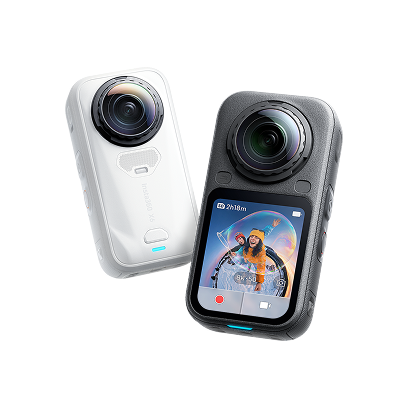
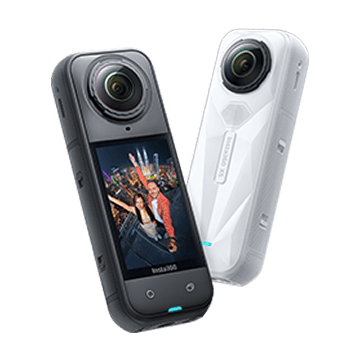
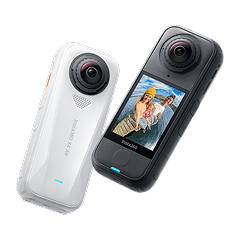
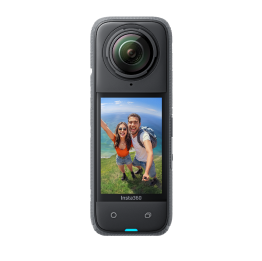
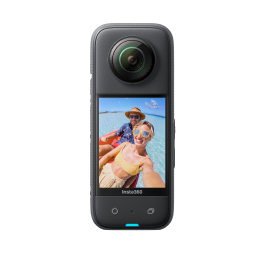
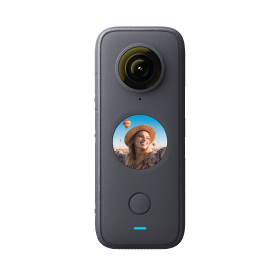
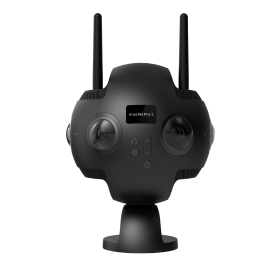
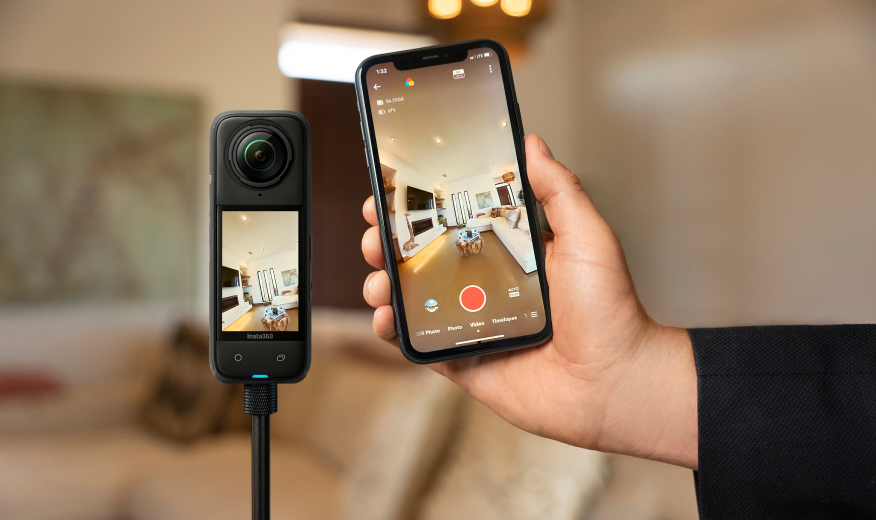
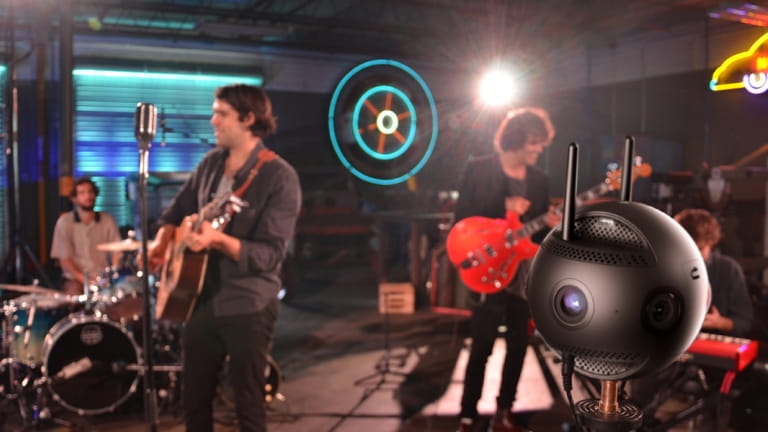
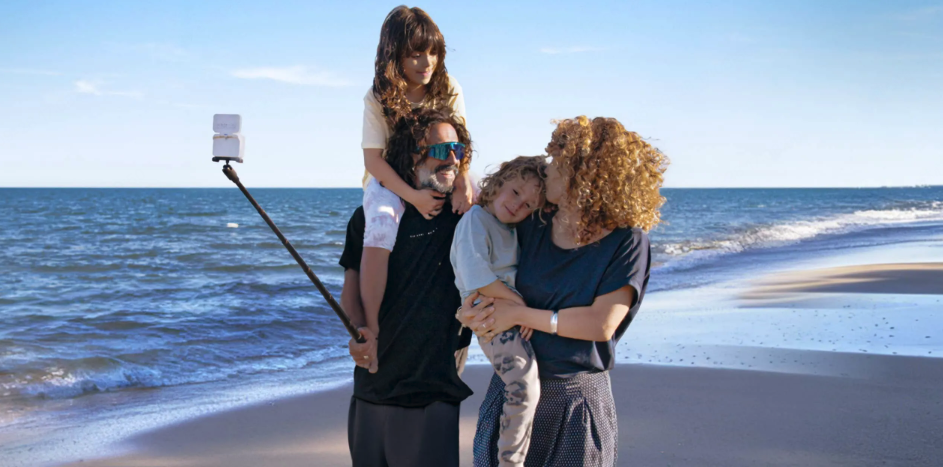
360 imaging is the latest evolution in photography. 360 cameras use two ultra-wide lenses to capture two 180-degree videos. These two videos are then stitched together to create an all-around view. Capturing every angle at once opens up a world of possibilities. Capture standard shots, or experiment with shots only possible on 360 cameras, like the innovative, best-selling Insta360 X5.
360 capture takes filming to another level. Reframe footage in post-production to focus on a specific angle, and adjust the angle throughout the video to emphasize highlights. Create a “tiny planet,” showcasing your entire surroundings at once, or the inverted “rabbit hole” effect, showing your surroundings engulf you.

Frequently Asked Questions
How Do You Get Pictures From a Digital Camera?
Pictures can be transferred from a digital camera by removing the SD memory card and inserting it into another device, or using a card reader if it can’t be inserted directly into the device. Many cameras can also be hooked up to other devices using a data transfer cable.
How To Use Digital Cameras for Beginners?
Before using a digital camera, read the user manual. Check the batteries and insert a compatible SD card. Remove the lens cap, turn the camera on and set it to automatic mode. Look through the viewfinder, adjust the zoom and press the shutter button halfway to focus and lock in exposure. Press it all the way to take the picture.
Do Digital Cameras Need Wi-Fi?
Digital cameras do not need Wi-Fi to function. However, cameras with Wi-Fi connection capabilities offer a range of benefits, such as wireless transfers to another device, instant sharing to social media platforms or remote control with a third-party app.
The Future of Digital Imaging? Insta360.
The introduction of digital cameras marked a major change in photography. Images were developed instantly and could be transferred between devices, photos could be deleted and storage reused and new settings and features were added. Nonetheless, digital imaging continued to advance, with 360 content being the latest development.
Experience the latest advancement in digital imaging with Insta360. Capture the surrounding world for mesmerizing photos, or record 360 footage to captivate your audience.
Got a story to share? Email yours to communitystories@insta360.com and win up to US$50.




%20(1).svg)


%20(1).svg)

.svg)