













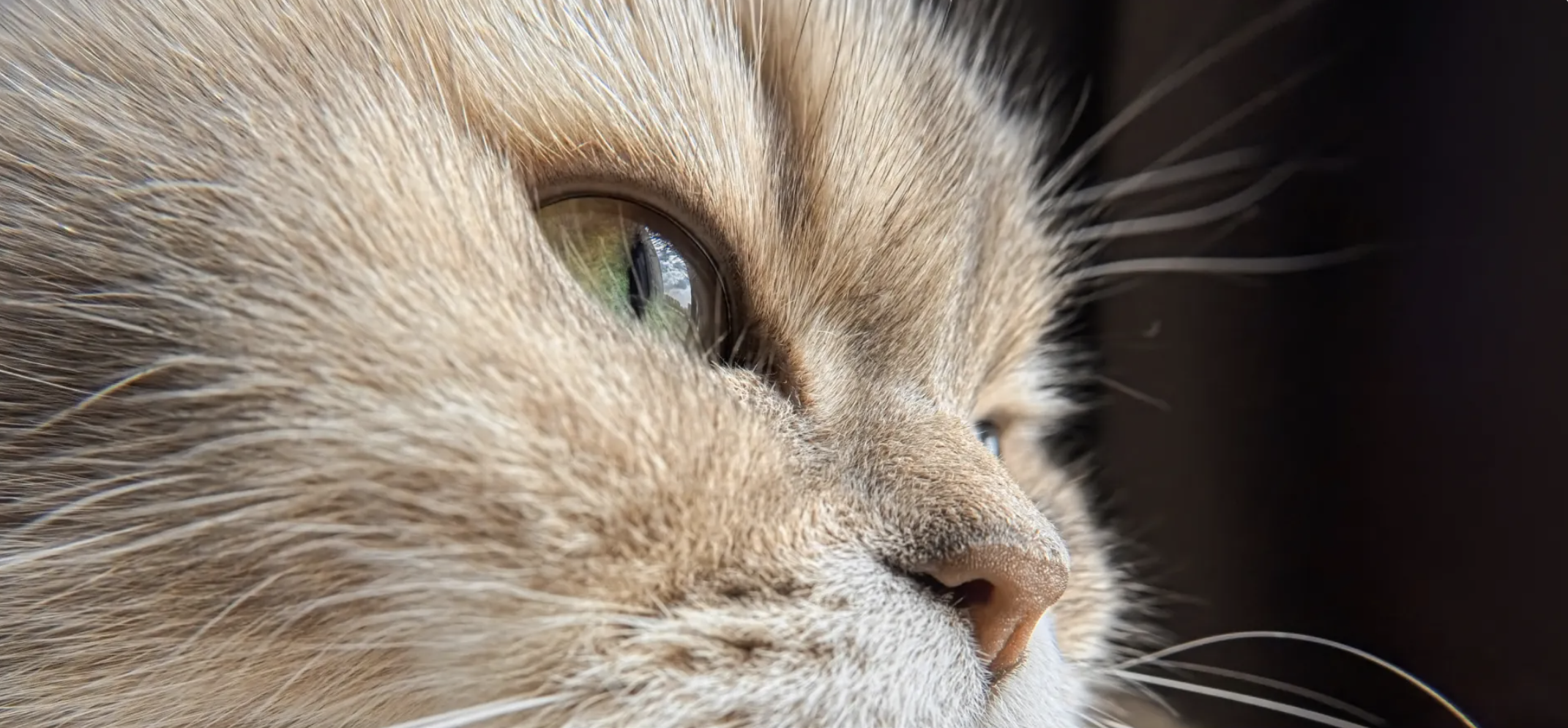


The world is really big, but also really small. You might choose to capture that endless vista that stretches forever, but you might also turn the camera on those tiny features of our world that we rarely stop to consider—an insect crawling along the forest floor, the fine grain of wood, that drop of condensation slowly winding down the window. Macro photography poses unique challenges, but with the right tools and knowledge, it’s a gateway to a different world.
What Is Macro and Close-Up Photography?
Traditionally, macro photography refers to images captured at a 1:1 reproduction ratio, where the subject appears life-size on the camera sensor. If we wanted to boil it down in layman’s terms, it simply means getting very close to your subject. Think about those images of a small spider where it resembles something out of a horror film—a tiny subject shown on a huge scale.
Close-up shots might sound the same, and indeed share some characteristics, but are slightly different. Also referred to as micro photography, this is all about ultra-close, highly specific detail using specialized accessories.
Can Insta360 Cameras Shoot Macro?
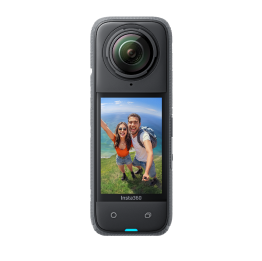
Yes, but they do it a little differently than other cameras. Insta360 cameras aren’t built around traditional macro lenses, but they excel at close-up storytelling thanks to their compact form factors, wide-angle lenses and powerful stabilization.
Unlike other cameras, Insta360 cameras don’t lock you into a narrow focus plane; instead, they encourage movement and experimentation. You can still get nice and close to a subject and shoot from all kinds of unconventional angles, but you aren’t hamstrung by the very specific setup required on macro cameras and lenses. In a word, you’ve got plenty of flexibility.
If you do want to take things up a level, adding a macro lens to an Insta360 camera will give you a superb view that adds significantly more depth and character to your images.
Best Insta360 Cameras & Accessories for Macro and Close-Up Shots
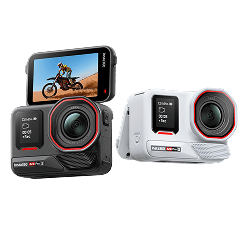
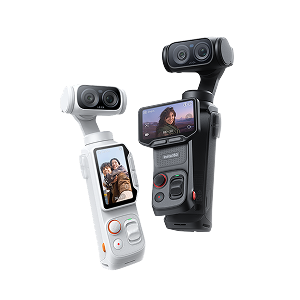
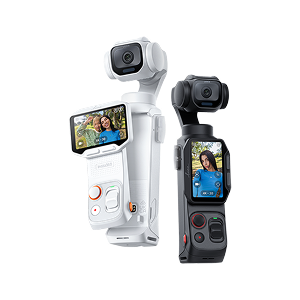
Insta360 Ace Pro 2
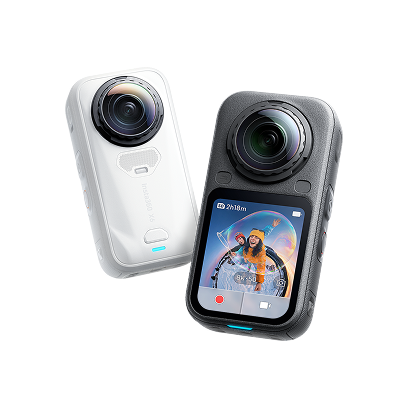
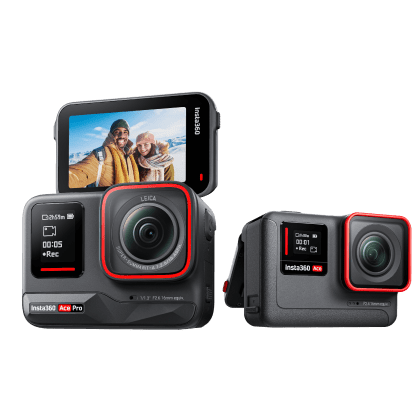
There’s no better place to start than with Insta360 Ace Pro 2, which remains Insta360’s standout performer in this category. With its 1/1.3” 8K sensor and Leica SUMMARIT lens, it’s capable of delivering astonishing action footage, but also excels at photography, especially in low-light situations. Adding the Close-Up Lens brings everything much closer while retaining its superb quality.
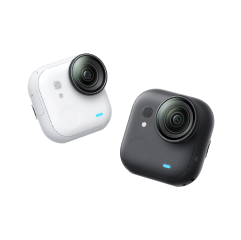
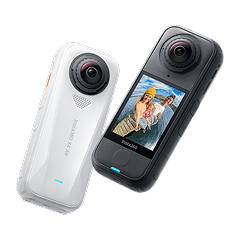
Insta360 GO Ultra
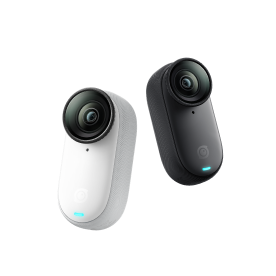
Small, but mighty. Insta360 GO Ultra weighs just 53g, making it perfect for cramped environments or when weight and comfort are all-important. Its 1/1.28” sensor and 5nm AI chip deliver outstanding images, making this mini camera excellent for anything macro, especially when you include a dedicated Micro Lens Kit, including 4 lenses for added precision.
If you’re looking to go even smaller, Insta360 GO 3S is about the size of a human thumb, which unlocks even more possibilities.
Shooting Tips: Distance, Lighting, and Stabilization
Shooting macro photography takes plenty of practice, so here are a few pointers to push you along faster.
It might be tempting to get as close as possible to an image, but you’ll quickly find that this usually doesn’t work. Every lens has a minimum focusing range, which means subjects fall out of focus when you get too close. It’s all about finding that sweet spot where the image is crisp, sharp and as close as possible.
You’ll learn quickly that close-up shots exaggerate shadows. Side lighting reveals texture, while diffused natural light keeps highlights from blowing out delicate details. Harsh overhead lighting can flatten a subject, while soft directional light adds depth and dimension. Whenever possible, use ambient lighting and avoid overpowering the scene with artificial lighting.
Stabilization is key for those up-close shots, and while you might think you have hands of steel, it’s best not to rely on them. Insta360 cameras come with built-in FlowState Stabilization, which helps smooth out micro-movements. If you’ve never tried it before, you’ll quickly find it’s your new best friend.
Common Mistakes with Action Cameras
Everybody makes mistakes, and that’s part of the journey, but here are some of the most common pitfalls when you get started with action cameras.
- Getting too close too quickly - Your images quickly blur as you move past the minimum focus distance. Step back and things should become clearer.
- Blocking your own light - Easy to do when you focus on something small, but it will only come out over-dark. Think light first, angle second.
- Relying on digital zoom - Sounds like a good idea, but simply degrades the image.
- Ignoring stabilization - Take it slow and use internal FlowState Stabilization for the best results.
- Overlooking the background - You might be focused on a small subject, but the background is still important and can make or break an image.
Example Use Cases: Product, Nature Details, Vlog B-roll
Product Photography
People love to see the intricacies of products: the stitching that keeps it all together, the brushed finish on metal, or the delicate wording on a journal. And this usually requires something capable of capturing these micro details clearly.
Nature Details
Nature can be huge, but often it’s tiny: an ant colony marching across the floor, the intricate pattern on a leaf or the texture of a rock. Whatever you want to capture, you’ll find something powerful enough to get close without the details blurring.
Vlog B-Roll
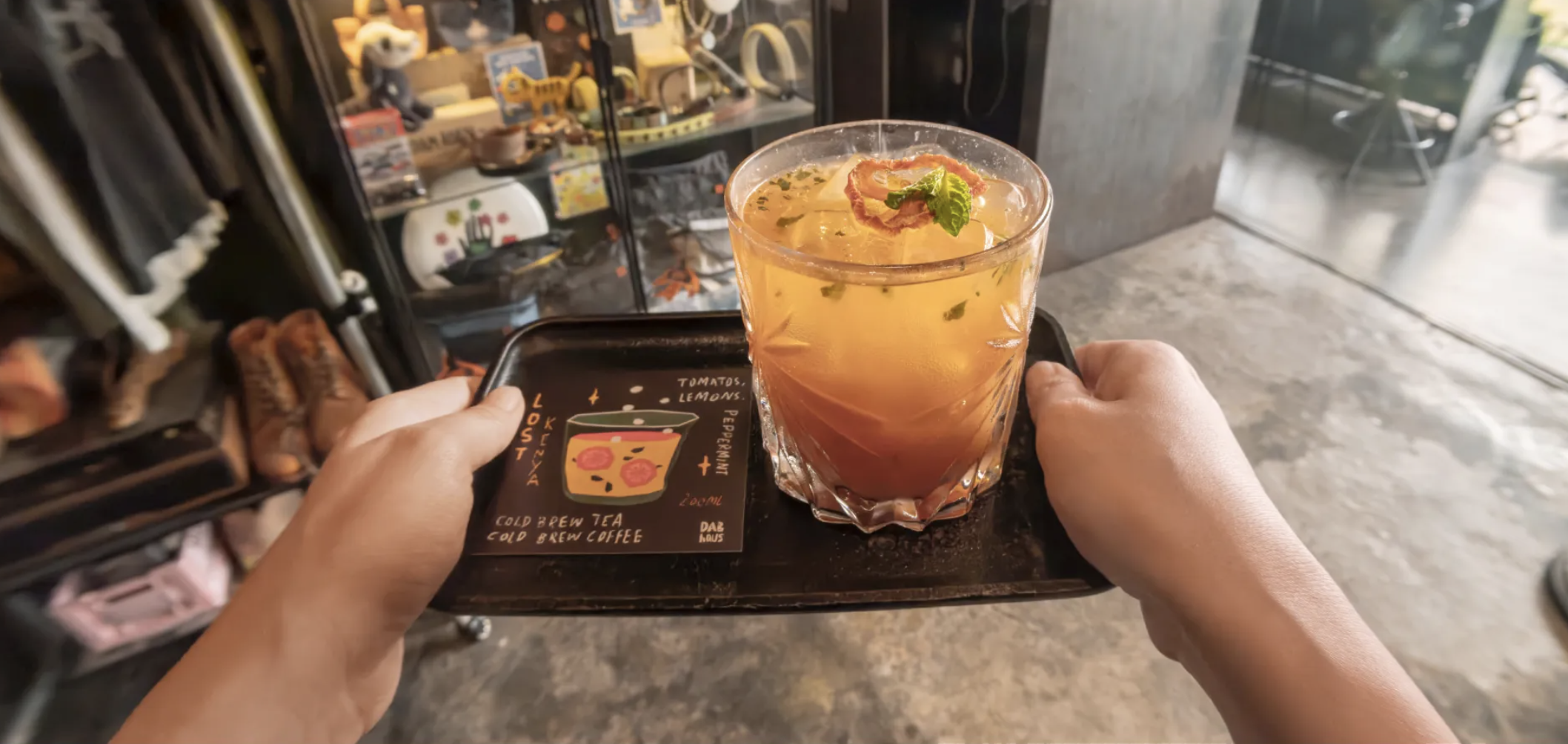
Great vlogs tell a story, and part of the story are those small details that can add rhythm and flow. Think about foam slowly swirling in a coffee mug or raindrops landing on a raincoat sleeve—small details that might not be the most important footage, but add a splash of life to a vlog.
Frequently Asked Questions
What Are Some Common Mistakes with Action Cameras?
The most common mistakes usually come from rushing the shot, getting too close, ignoring lighting or underestimating how much small movements affect focus, which can all soften detail.
How To Get Good Shots With Insta360?
Take your time. Think about what you want to photograph and how it’s positioned. Then think about lighting: use natural light whenever possible, and consider which angle works best with it. Finally, use FlowState Stabilization and take more than you need to give yourself plenty of options.
How To Get Good Close-Up Shots?
Focus on three things: distance, light and stability. Don’t chase extreme proximity as clarity matters more. Consider light first, then find your angles to work with it.
Ready to Explore Insta360 Cameras?
Close-up photography unlocks an entirely new world. Suddenly, it makes you realize all of the tiny beauties that surround you, whether that’s a natural pattern in nature, the texture of human skin, or the rust on an old piece of metal.
It’s all there, it’s all beautiful, and with an Insta360 camera, it’s all ready to be photographed. The world is your oyster, so choose your tools and start exploring.
Got a story to share? Email yours to communitystories@insta360.com and win up to US$50.




%20(1).svg)


%20(1).svg)

.svg)