














With podcasts only growing rapidly in popularity, this is the year for you to finally turn that “I want to make a podcast one day” into something much more tangible. The problems are often about getting started.
It’s easy to see highly polished podcasts and assume that you’ll never be able to make something similar. But that’s like thinking about taking up a sport and becoming disheartened when you watch the professionals at the Olympics.
Just make a start, make all the mistakes, but improve after each and every episode.
What You Need to Start a Podcast
Starting a podcast is simpler than it seems. With the right tools and a clear setup, you can record your first episode and improve with each one.
Here’s what you need to get started:
- A reliable microphone.
- A camera (optional but recommended).
- A flexible recording device.
- Stabilization for mobile setups.
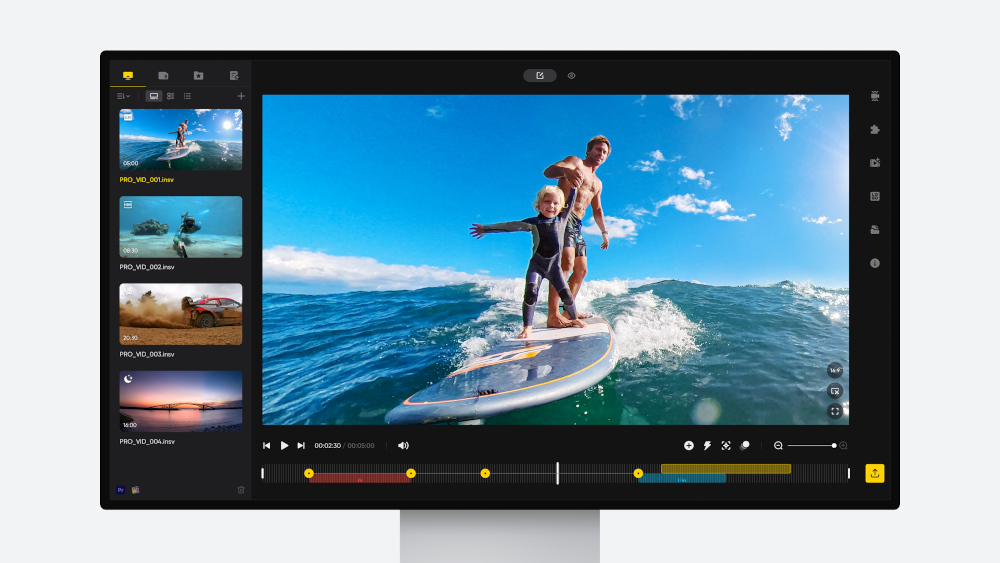
- Recording and editing software.
- A quiet recording space.
The road to podcast glory is a long one, which is practically guaranteed to see plenty of hiccups along the way. But that’s the whole point. Start small, follow these steps, and something good will come.
Step 1 — Choose Your Podcast Topic and Format
We cannot overstate this first step. A lot of people have an idea for a podcast, but that’s something you really need to dig deep into.
Do you have a genuine niche or passion, or are you simply looking for a way to record your own thoughts?
The latter might work, but it’s best to begin with something that you think others will want to listen to.
Start by defining your niche. Broad topics fade into the noise, but focused ideas can be surprisingly successful, and don’t be afraid to go narrow.
Instead of “fitness,” think recovery for runners. Instead of “business,” think first-time founders navigating failure. Instead of just “vlogging,” think vlogging about building your perfect garden.
The tighter your angle, the easier it is for the right audience to find you, and stick around.
Next comes format. This shapes how your story unfolds:
- Solo podcasts — direct, personal, and flexible.
- Interview shows — fresh perspectives with every episode.
- Co-hosted podcasts — dynamic conversations and chemistry.
- Narrative storytelling — structured, immersive, and highly produced.
There’s no single right choice, and the best format is usually the one that fits your personality and niche choice. If you like to do lots of research yourself and then tell the story, consider doing it alone. If you like the dynamics of having more than one person, get a co-host or think about interviewing people.
Many podcasts begin life at a much shorter length than they end up at a year or two later. A great, sprawling 4-hour episode on the Bronze Age Collapse might sound like what you need, but in the early stages, shorter episodes are easiest to hone your skills. You can always increase episode length as you go.
But don’t overthink things at this stage. Get an idea that you think will work, consider the style, and just make a start.
Nail your topic and format now, and everything that follows—gear, recording, promotion—starts to fall into place.
Step 2 — Choose the Right Podcast Equipment
This step is where people start writing out a long list of ‘must-haves’ and quickly freak themselves out.
Yes, professional podcasters use technical equipment like advanced audio mixers, monitors, and sound engineers on hand. Don’t worry about all of that at the start. You’re not a professional podcaster (yet), so start much simpler.
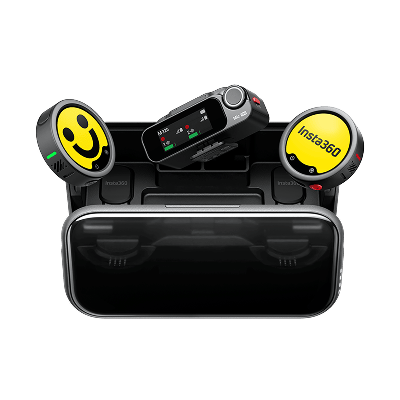
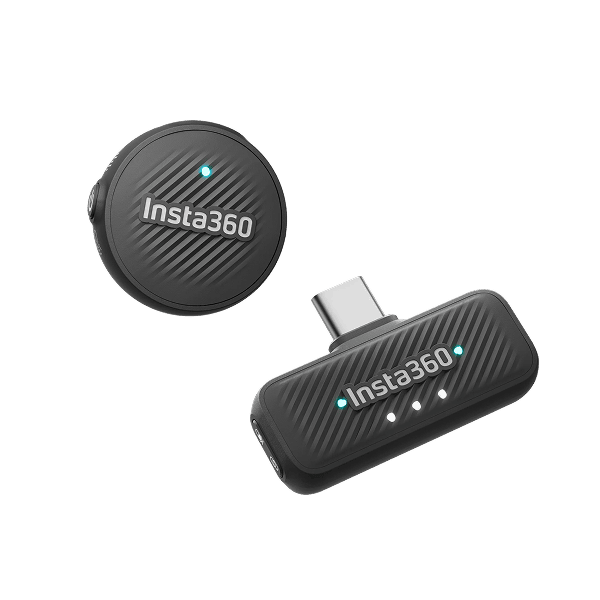
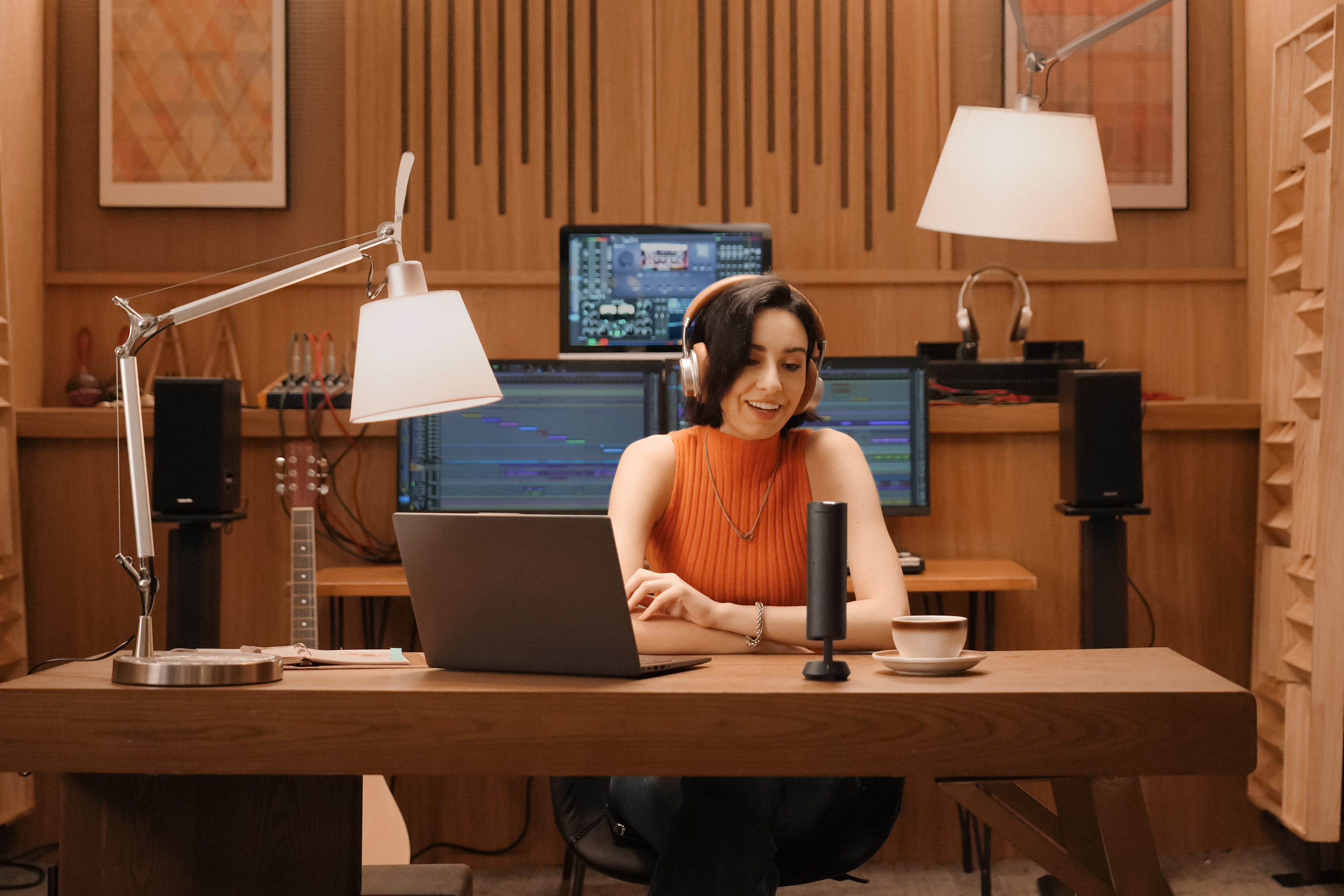
A dedicated microphone makes the biggest difference in perceived quality, so if you’re going to invest at this point, this is it. Crisp, balanced audio keeps listeners engaged and signals professionalism from the first second.
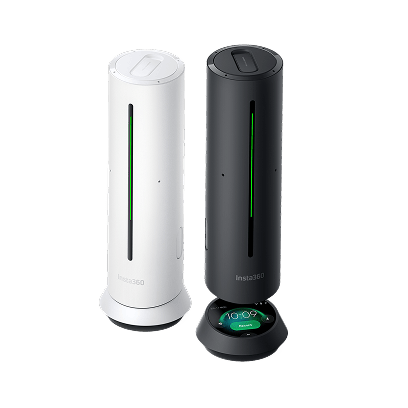
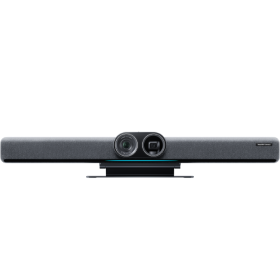
Insta360 Wave is a great option for this, especially as it can be used in numerous other ways, such as meetings, interviews, and content creation.
From there, decide how you want your podcast to look.
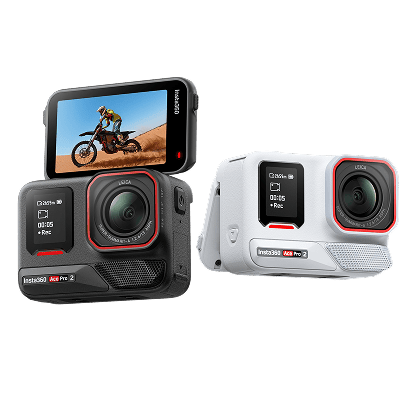
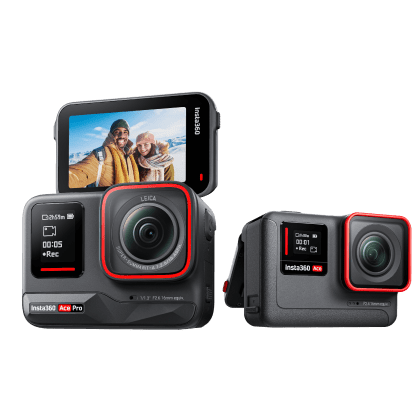
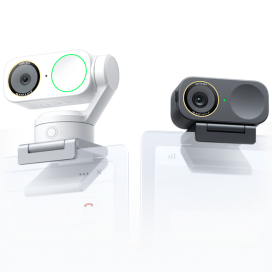
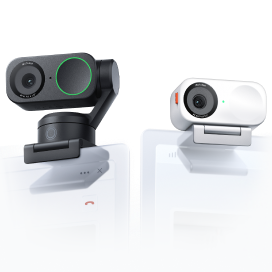
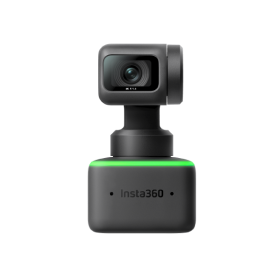
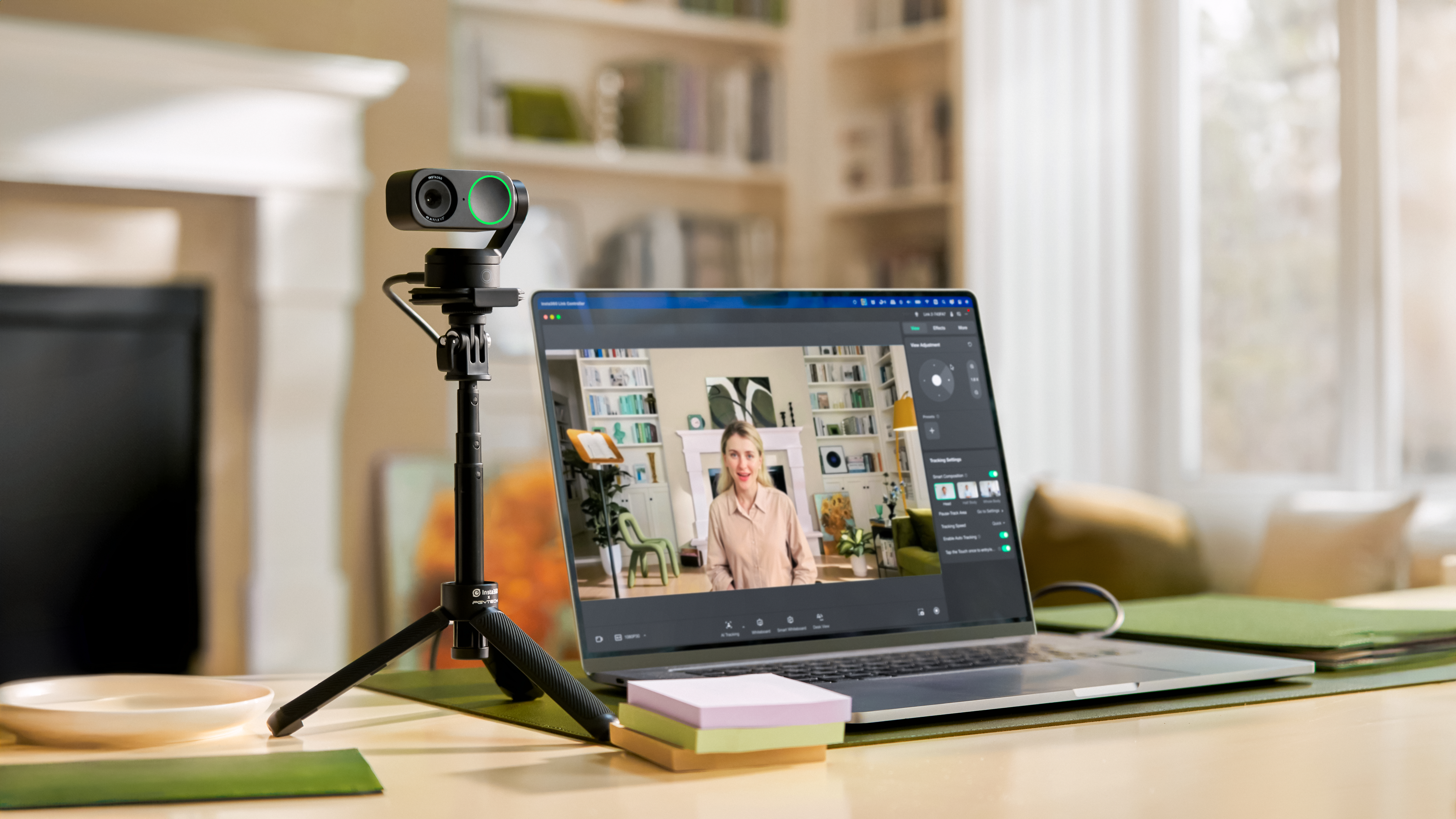
Video podcasts are becoming increasingly popular, and a webcam like Insta360 Link 2 delivers sharp framing and natural tracking for desk setups, while Insta360 Ace Pro 2 brings a more cinematic edge if you want a bolder, more dynamic look
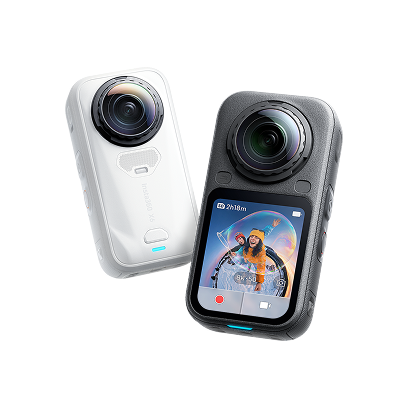
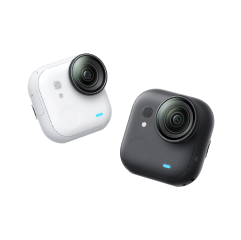
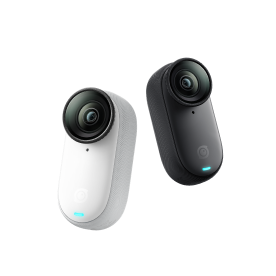
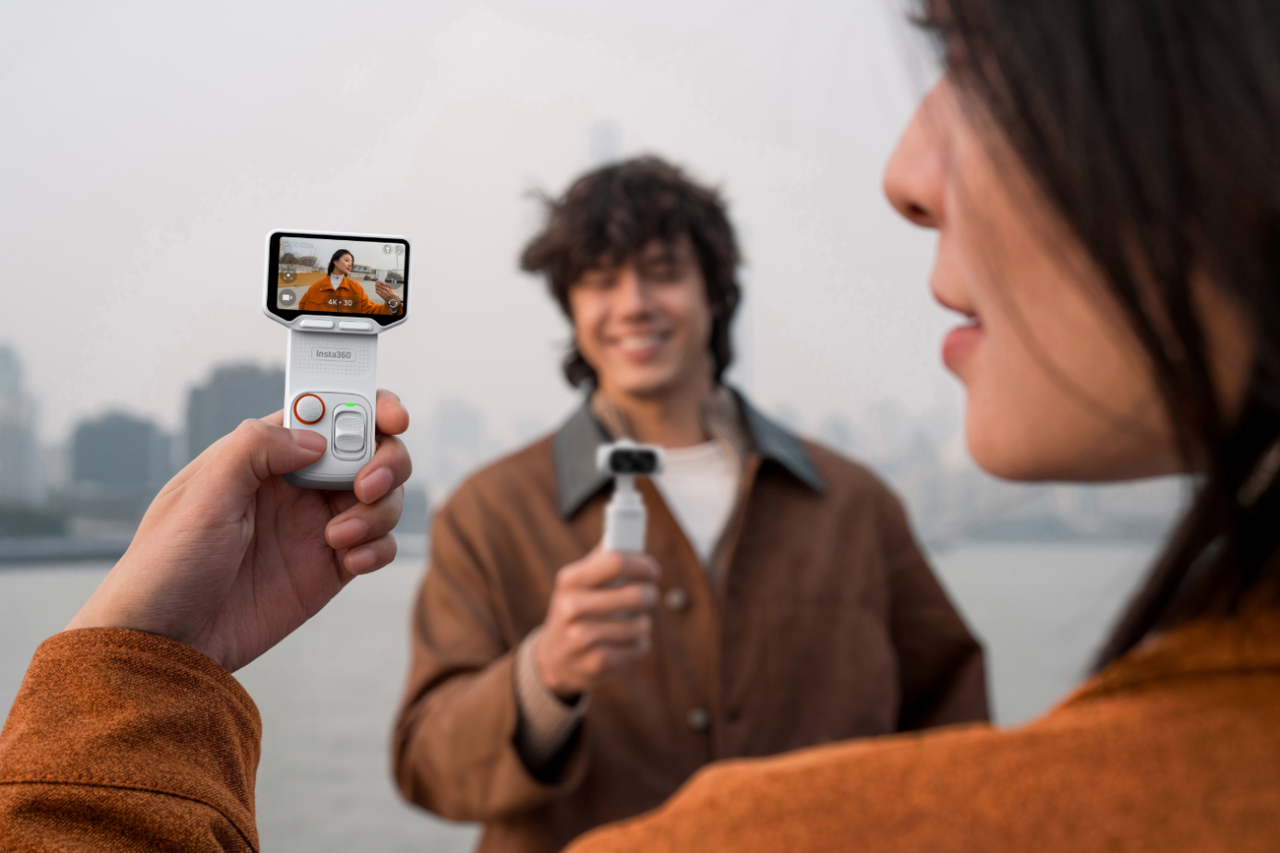
If flexibility matters—and it really does for some niches—compact cameras like Insta360 GO 3S or Insta360 GO Ultra let you capture angles that feel natural and unscripted. Clip it on, set it down, move freely and the conversation flows uninterrupted.
Step 3 — Set Up Your Recording Environment
You can record a podcast just about anywhere, but that doesn’t always mean you should. A poorly thought-out environment can easily ruin a podcast, and if you’re just starting out, that means you never gain momentum.
The right location is key. Choose a quiet space where outside noise stays outside.
Soft surfaces are your ally—carpets, curtains, even a couch can absorb unwanted reflections. Bare walls and empty rooms tend to create that hollow, distant sound you want to avoid.
You don’t need a full acoustic overhaul. Small adjustments go a long way:
- Close windows and doors.
- Turn off fans or noisy electronics.
- Position your mic close enough for clear pickup, but not so close that it distorts.
If you’re recording video, lighting matters just as much as sound. Natural light works, but it shifts, so try to ensure a consistent light source that keeps your visuals clean and distraction-free.
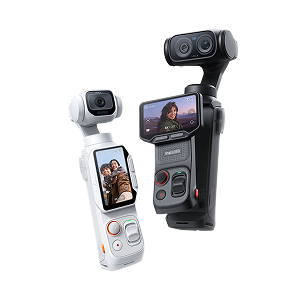
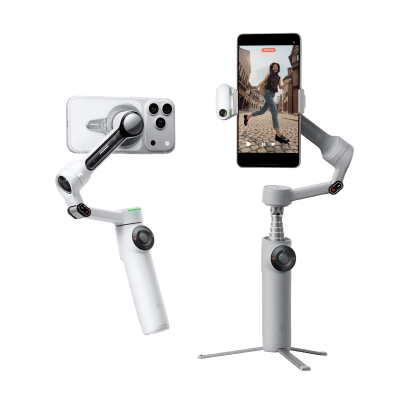
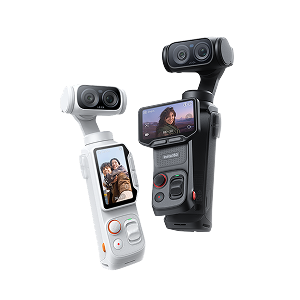
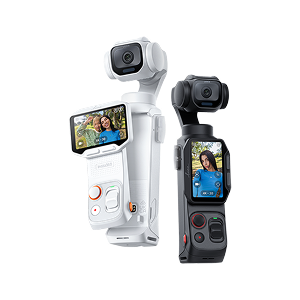
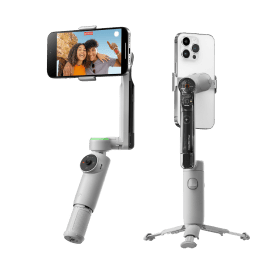
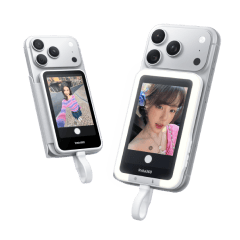
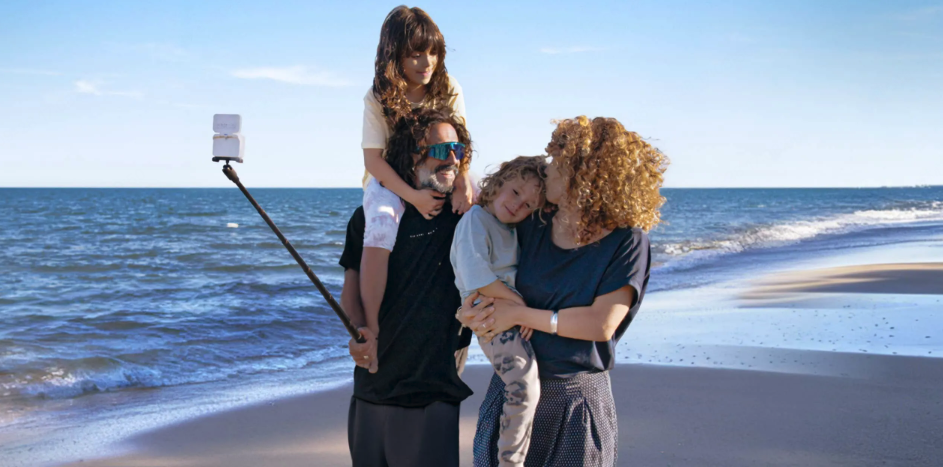
And if your podcast moves beyond the room—into streets, trails, or real-world conversations—stabilization tools like Insta360 Flow 2 Pro help maintain that same level of polish wherever you go.
Step 4 — Record Your First Episode
OK, you’re ready to hit that record button and actually make a podcast. Start with a loose structure, not a script, otherwise you risk sounding robotic.
Bullet points are good for keeping you on track. Know your key talking points, your intro, and how you want to close—but leave space for natural flow. The best moments usually aren’t planned, so don’t be afraid to get off track.
Keep your setup simple. Test your audio levels, check your framing if you’re recording video, and eliminate distractions before you begin. A clean recording saves hours in editing later, and it never takes that long to test before starting.
When you speak, aim for clarity over perfection. Small pauses, the occasional stumble—they make your voice human, and people are often willing to tolerate it if the content is good enough.
What matters is energy and intent. Talk like you’re speaking to one person, not an audience of thousands.
But most importantly, don’t overthink your first episode. It won’t be perfect, and there’s probably a good chance that you’ll watch it back in a year’s time and cringe, but that’ll just mean that progress has been made.
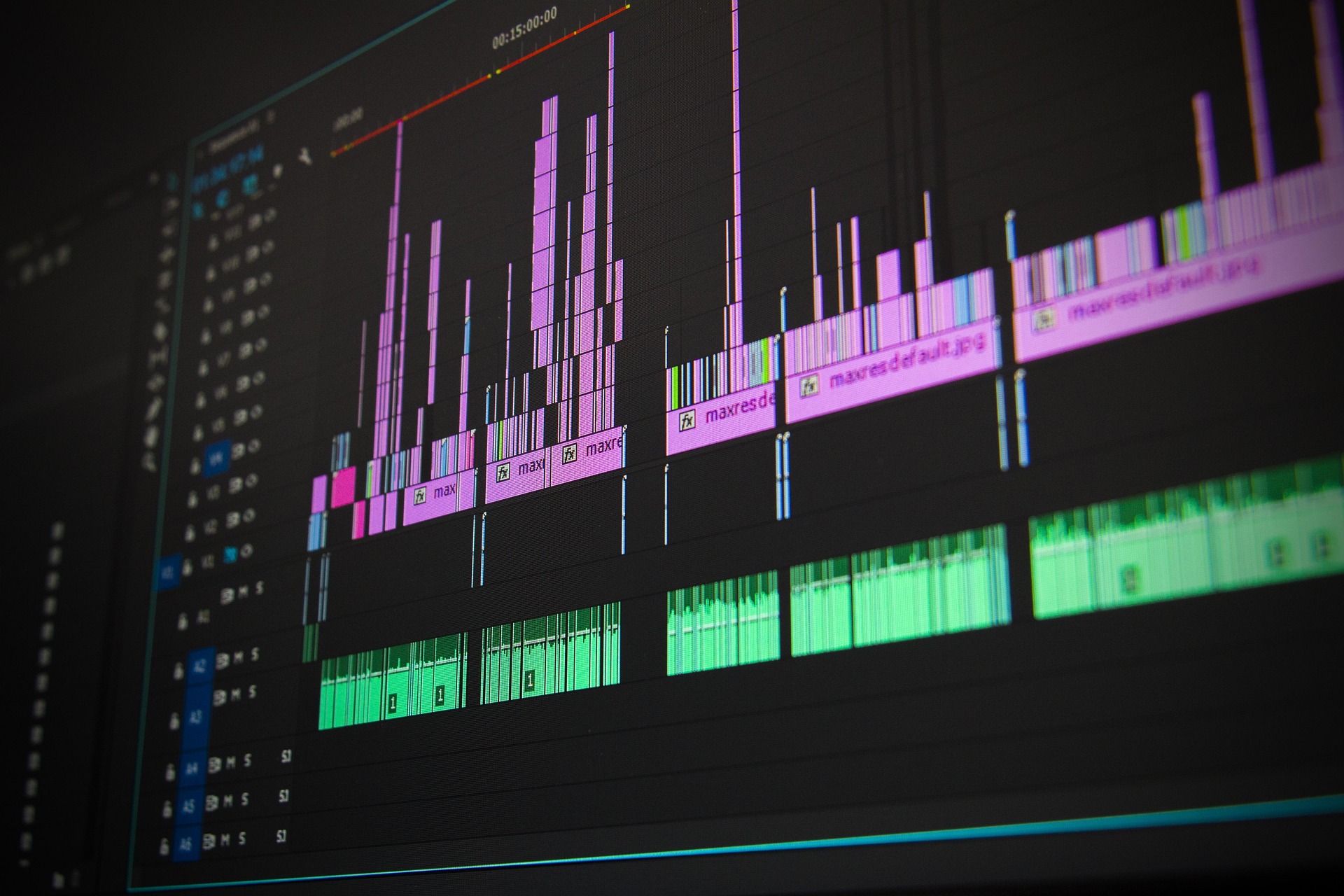
Step 5 — Edit and Polish Your Podcast
You might assume that once a podcast has been recorded, you just hit upload, and job done. It’s usually not that straightforward.
Start with the basics: trim dead air, remove distractions, and tighten pacing. Long pauses, repeated phrases, background noise—cut what doesn’t serve the listener. Keep what feels natural, and don’t worry about absolute perfection. Listeners do genuinely like a little rough around the edges.
Balance your audio levels next. Your voice should be consistent from start to finish, without sudden spikes or drops. Clean sound keeps listeners locked in, and consistent audio quality is one of the biggest factors in listener retention. It sounds obvious, but people stay when it sounds good.
Then layer in subtle enhancements—think intro music, transitions, maybe a short outro. Keep it minimal as overproduction can feel forced, especially for conversational podcasts. Let your voice lead and do the hard work.
And remember, editing gets faster with time.
Step 6 — Choose a Podcast Hosting Platform
The podcast is done, you’ve trimmed it down, edited those annoying parts, and put a nice bit of intro music at the start. You’re ready, but now, where does it live?
A podcast hosting platform stores your audio files and pushes them out to directories like Spotify and Apple Podcasts. Without it, your show has nowhere to go. With it, your voice becomes discoverable.
Look for a platform that keeps things simple:
- Easy upload and episode management.
- Automatic distribution to major platforms.
- Analytics to track growth and listener behavior.
- Reliable storage and streaming quality.
Most platforms will generate an RSS feed for your show. That feed is what connects your podcast to listening apps—it’s the backbone of your distribution.
File format is also something to keep in mind. MP3 is the standard for most podcasts, balancing quality and file size, but you can always play around with others if need be.
Just remember, keep your exports clean and consistent, so every episode delivers the same experience.
Step 7 — Publish and Promote Your Podcast
Now to publish and tell the world all about it. Begin by writing a clear, compelling title and description for each episode. This is what potential listeners see first, so make it count and get straight to the point. Focus on what they’ll gain—insight, entertainment, a new perspective.
Start slowly, but at some point you might want to think beyond audio. Podcasts grow faster when they’re visible, and short-form video clips, vlogging, quote graphics, live-streaming on YouTube and behind-the-scenes moments are what pull new listeners in.
Consistency matters more than intensity. You don’t need a crazy social media blitz in your opening weeks, you just need to show up regularly where your audience already is. One strong clip can travel further than ten rushed posts, so think carefully about what you produce.
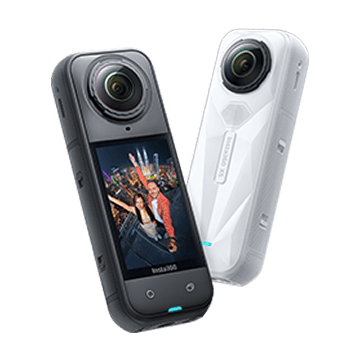
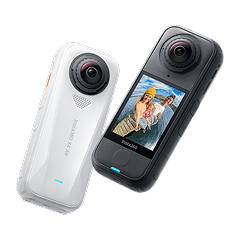
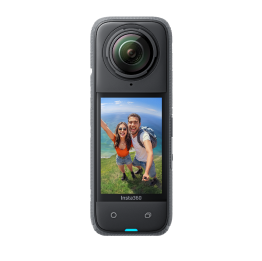
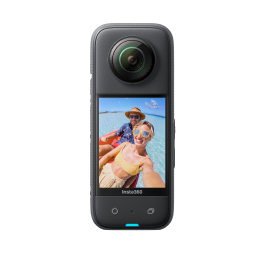
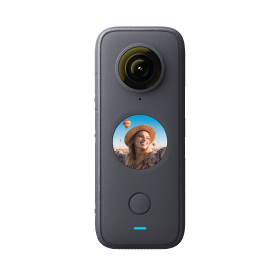
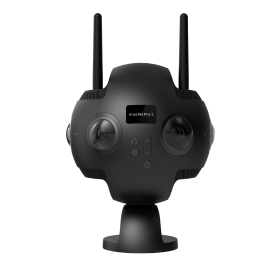
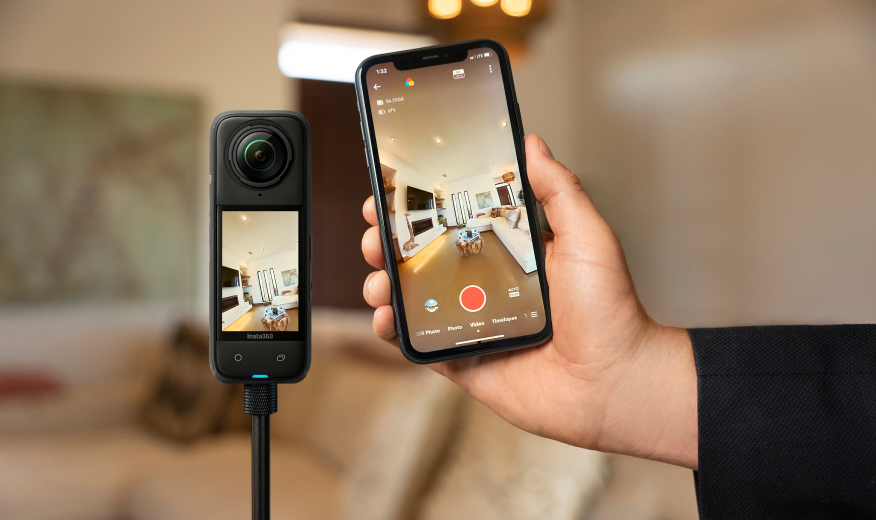
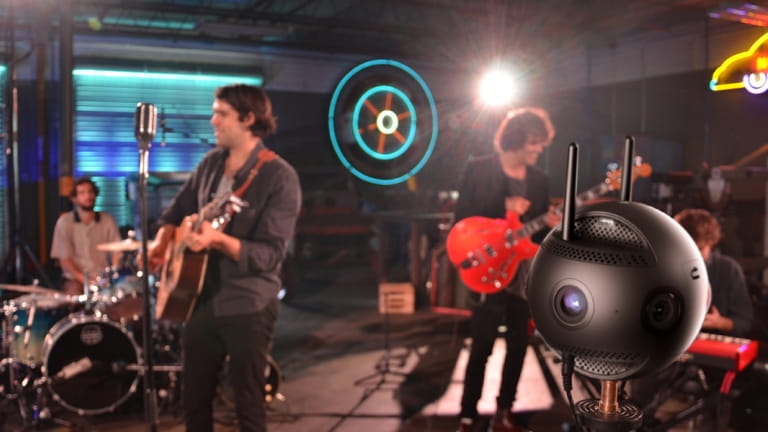
Can you use something innovative to stand out? Think about 360 cameras, such as Insta360 X5 or Insta360 X4, listener participation, or even outtakes.
6 Common Mistakes New Podcasters Make
You're going to make mistakes, and that’s part of the process, but here are the most common ones to try to avoid early.
- Ignoring Audio Quality: You can’t fix bad audio with good content. If your sound is inconsistent, distant, or noisy, listeners won’t stick around. Prioritize clarity from day one.
- Starting Too Broad: Trying to appeal to everyone usually connects with no one. A focused niche builds a stronger, more loyal audience over time.
- Inconsistent Publishing: Momentum fades fast when episodes drop randomly. Whether it’s weekly or biweekly, consistency builds trust—and keeps listeners coming back.
- Over-Editing: Tight editing improves flow, but overdoing it strips away personality. Try to stay in the natural moments that make your voice feel real.
- Focusing Too Much on Gear: Better equipment helps, but it won’t replace a strong idea or consistent delivery. Start with what you have, then upgrade as you grow.
- Not Promoting Enough: Publishing isn’t the finish line. If you’re not actively sharing your episodes, you’re limiting your audience before they even have a chance to listen.
Starting a Podcast Becomes Easier with the Right Setup
It’s time. It’s time to turn that idea into a podcast. Time to put all of that random information you’ve long had stored away upstairs to good use. Time to get creative and get going. Making a start on something like a podcast is often the most challenging step, and many freeze before even getting started.
But really, it is just about taking that first step.
If you’re ready to level up your setup, explore Insta360’s range of 360 cameras, webcams, and audio gear designed for creators.
Frequently Asked Questions
How Much Does It Cost to Start a Podcast?
Much less than you’d imagine. At the low end, you can start with a smartphone, free recording software, and a quiet room, making it basically free. From there, you can invest in an inexpensive microphone and go from there.
What Is the Best Microphone for Podcasting?
Different podcasts require different types of microphones. For on-the-go podcasts, you might want to use a simple lavalier microphone, but if you’re in an indoor setting and just starting, an Insta360 Wave keeps your audio sharp without overcomplicating your setup.
How Often Should You Publish Podcast Episodes?
Consistency beats frequency every time. Whether you publish once a week or twice a month, stick to a schedule your audience can rely on. The problem with schedules is that they can compromise quality before you’ve settled into a rhythm.
Keen to keep up to date on Insta360 stories? Keep an eye on our blog and sign up for our mailing list. You can also contact our Enterprise team directly to see how 360 cameras can benefit your business.




%20(1).svg)


%20(1).svg)

.svg)