














-tuya.jpg)


Cinematic videography is a method of capturing video that mirrors the techniques, aesthetic, and intentionality found in traditional filmmaking. It prioritizes visual storytelling, using light, composition, movement, and sound to communicate more than just what happened—but how it felt.
Not every video needs to feel like a film. But when you want emotional pull, visual polish, and immersive detail, cinematic videography is the path there.
Cinematic Videography vs. Standard Videography
Cinematic videography focuses on crafting a narrative. Every choice, from lens to lighting, supports that goal. By contrast, standard videography usually aims to document, not interpret.
Key differences:
| Category | Cinematic | Standard |
| Purpose | Story-first | Moment-capture |
| Shot Planning | Storyboard, moodboard | Reactive or minimal |
| Lighting | Sculpted | Available or ambient |
| Post-production | Color grade, audio mix | Basic trimming, titles |
| Camera Movement | Deliberate, composed | Often static or handheld |
Cinematic work takes longer and often involves more steps, but it elevates the viewing experience.
Key Components of the Cinematic Look
Composition and Framing
Visual clarity starts with framing. Think of each shot like a window into the story. Common techniques:
- Rule of thirds (not every time, but often)
- Foreground elements for depth
- Negative space for emphasis
- Subject layering (separation with light or distance)
Beyond technical correctness, composition is about visual rhythm. A well-framed scene doesn't just guide the eye—it shapes the emotion. Where you place your subject, how you balance symmetry and tension, and whether a shot feels wide or claustrophobic all influence how the story is perceived.
Lighting Design
Lighting shapes tone. It creates depth, directs attention, and builds mood. Cinematic lighting often uses:
- Side lighting for contrast
- Motivated lighting (lights that mimic natural sources)
- Color temperature mixes (cool/warm) to set emotional tone
Cinematic lighting doesn’t mean expensive fixtures. It means thinking like a painter: light as texture, contrast as punctuation. Shadows aren’t mistakes. They’re tools. The direction, intensity, and quality of light should support the emotion of the scene—whether that's harsh and gritty or soft and nostalgic.
Camera Movement
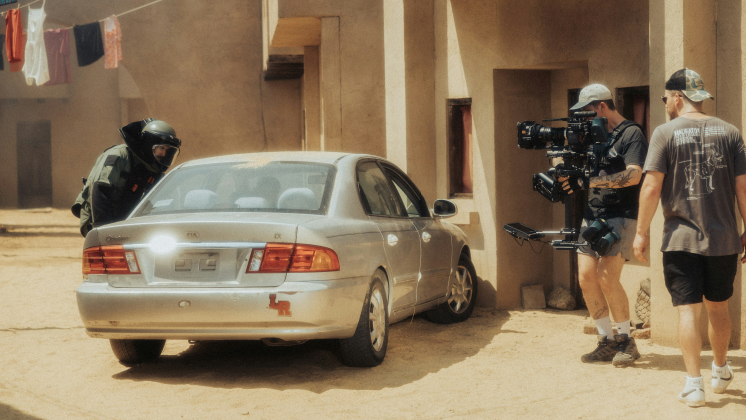
When the camera moves, it should have a reason. Common cinematic movements include:
- Slow push-ins for tension
- Tracking shots to follow action
- Handheld for intimacy or chaos
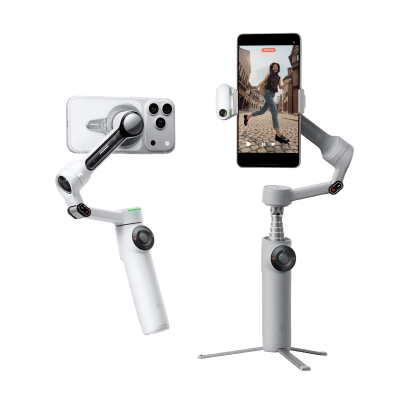
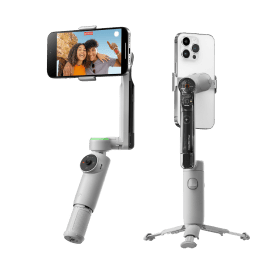
- Gimbal or slider shots for precision
Unmotivated movement distracts. Intentional movement immerses. Whether you’re creeping into a subject’s space or following them through a crowded street, how you move the camera changes how the viewer feels. Less is often more—small motion with clear direction can say more than a complex, sweeping shot.
Depth of Field and Lenses
Shallow depth of field isn’t a rule, but it’s a tool. It directs the viewer's eye, creates intimacy, and simplifies busy scenes.
- Use wide apertures for soft backgrounds
- Try longer focal lengths for compression and isolation
- Use wide lenses to show context, but be mindful of distortion
Lenses do more than magnify. They sculpt space. A 35mm lens places the viewer in the room. An 85mm lens isolates a moment. Swapping lenses can change the entire tone of a scene. Combine that with controlled focus, and you create moments that feel deliberate and dimensional.
Color and Aspect Ratio
Widescreen formats (like 2.35:1) immediately feel more "film-like." But it’s the color that really sets the tone.
- Grade with intent, not presets
- Stick to a consistent palette across scenes
- Watch skin tones and contrast balance
Color is psychological. Cold tones suggest isolation. Warm tones evoke intimacy. Desaturated colors can signal realism or loss. Grading isn’t about making footage look “nicer”—it’s about aligning the visual language with the story. Even small shifts in hue and contrast can completely alter the viewer's emotional response.
Story Guides Everything
Cinematic doesn’t mean "moody." It means intentional. Even a playful video can be cinematic if the visuals serve the narrative.
Ask:
- What should the viewer feel here?
- Where should their eye go?
- What’s the emotional beat of this shot?
Every edit, every frame, should answer those.
A strong story doesn’t need elaborate setups. It needs coherence. Whether you’re building a fictional world or capturing something personal, the story determines your gear, location, and visual strategy. Cinematic work earns its depth not from spectacle, but from choices that align to purpose.
Sound Design and Music
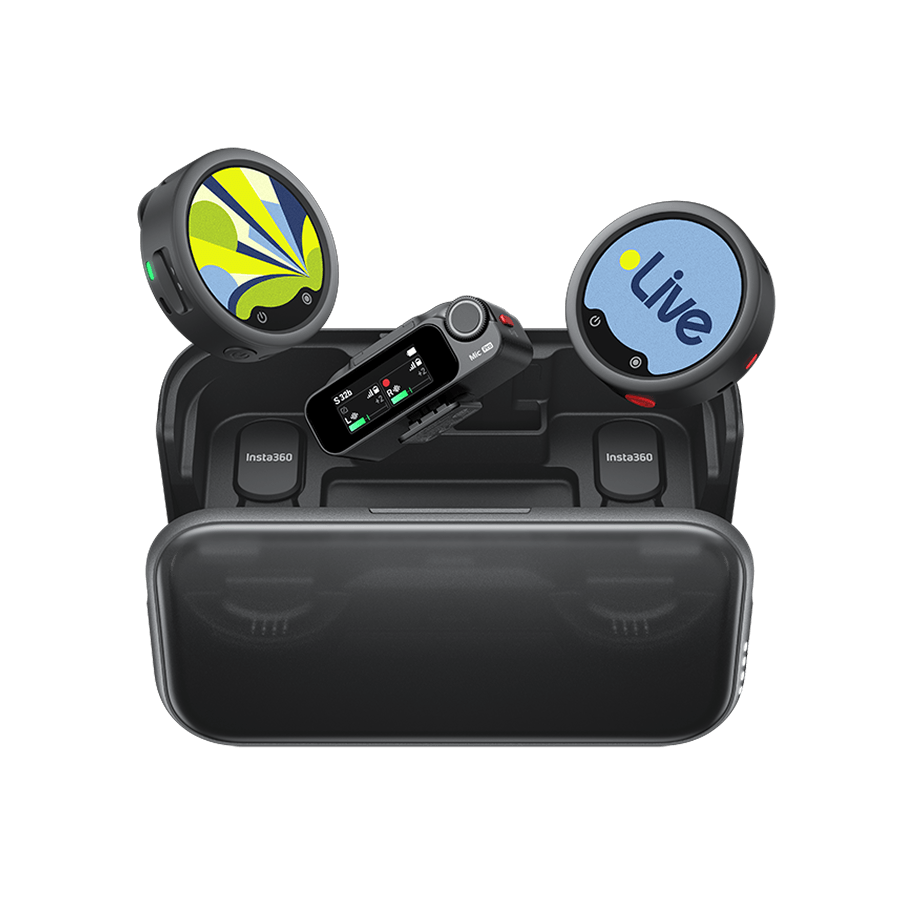
Image draws people in. Sound keeps them there. Poor audio breaks immersion.
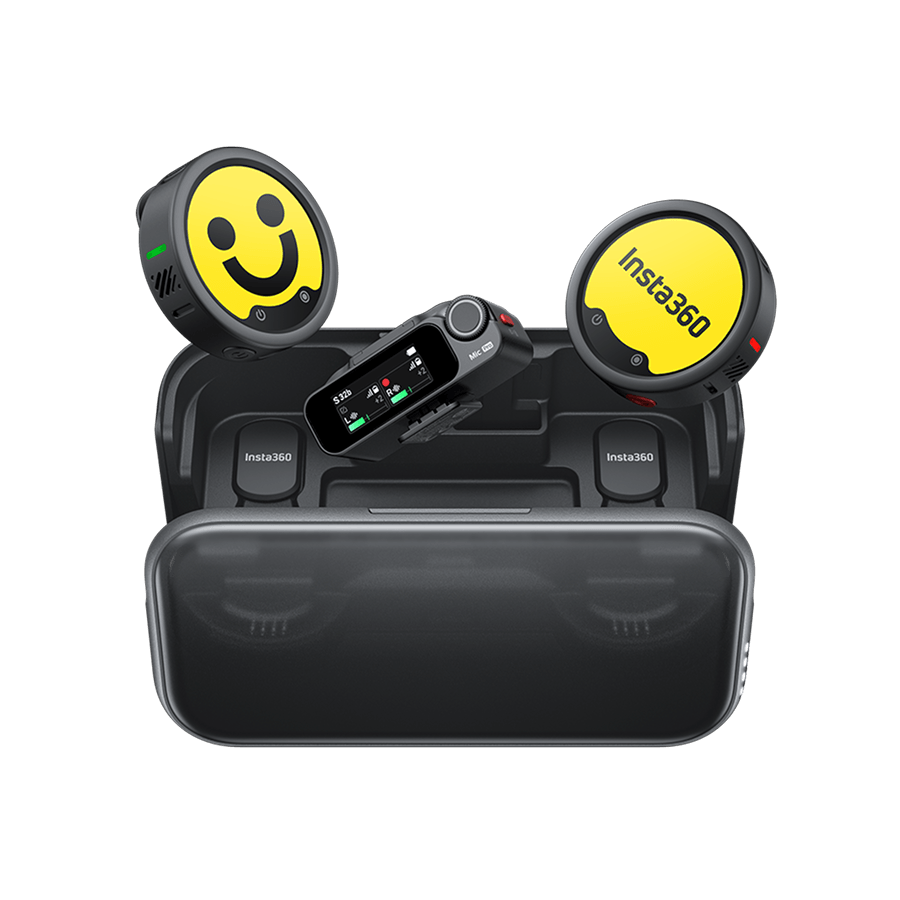
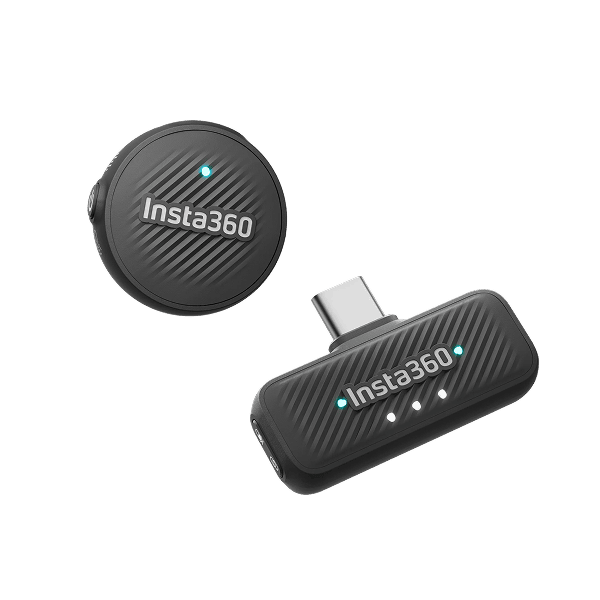
- Use external microphones when possible
- Mix ambient noise carefully
- Let silence breathe when needed
- Score with music that supports, not overwhelms
Dialogue should sound present. Effects should feel real. Nothing should distract.
Sound design is less about loudness, more about presence. A whisper can be more powerful than an explosion if it fits the mood. Don’t overlook atmosphere—room tone, subtle foley, and spatial cues help your audience feel like they’re there. Good audio doesn’t announce itself. It just works.
How to Make Your Footage Feel More Cinematic
| Tip | What to Try |
| Frame with depth | Include foreground and background layers |
| Use light directionally | Side or top light, avoid front lighting |
| Move with purpose | Plan movements to echo emotion |
| Mind your audio | Clean capture, soft ambient layers |
| Grade thoughtfully | Stick to one tone and avoid extremes |
These are not hard rules—they’re prompts. They encourage a mindset where every shot is built, not just taken. You don’t need to follow each one rigidly. But the more of them you consider, the more your footage will shift from ordinary to cinematic.
Framing with depth makes your visuals feel lived in. Directional light adds shape and drama. Intentional movement gives energy without distraction. Focused audio draws the viewer deeper. And consistent color helps your entire piece feel unified.
The goal is not to imitate cinema. It’s to borrow its clarity, confidence, and control.
When to Choose Cinematic Videography
Use cinematic techniques when you want to:
- Tell a story with visual impact
- Build emotional connection
- Create content with replay value
Skip it for:
- Event documentation
- Fast turnaround projects
- Casual or raw-style formats
Cinematic Video with Compact or Action Cameras
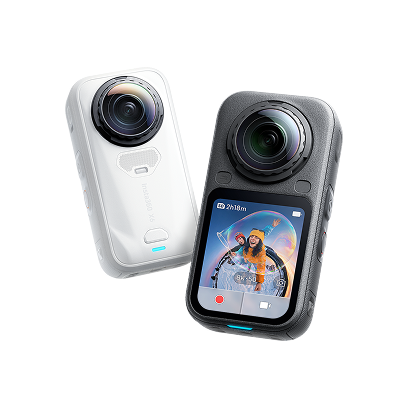
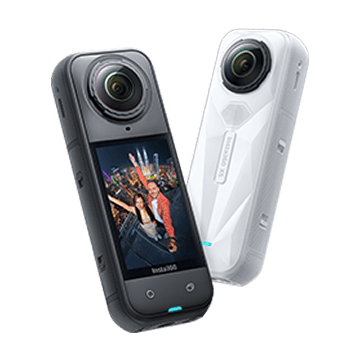
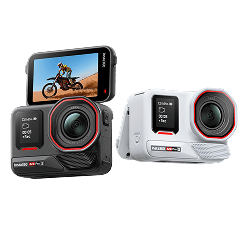
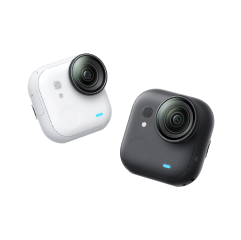
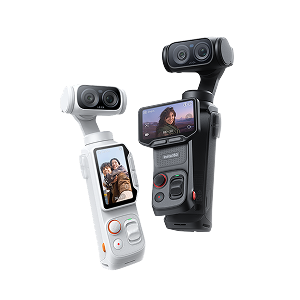
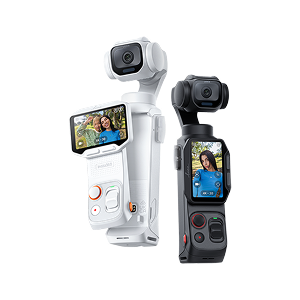
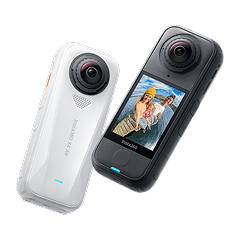
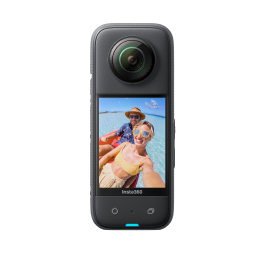
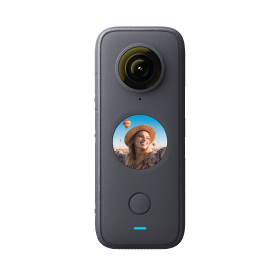
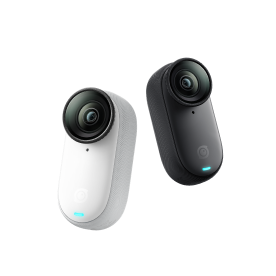
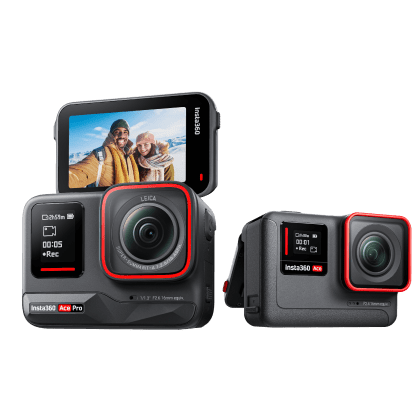
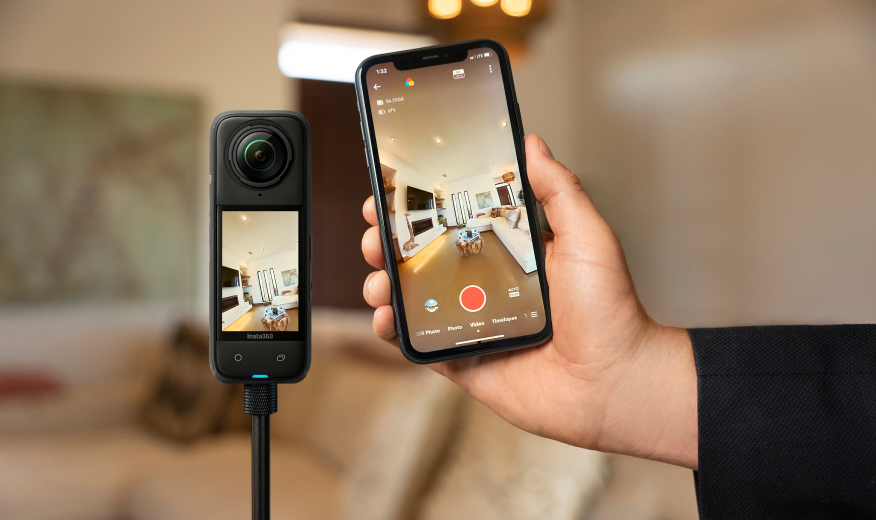
Yes, it’s possible. And no, you don’t need a cinema rig. Action cameras like Insta360 X5 and Insta360 Ace Pro 2 offer cinematic capability in a small and versatile package.
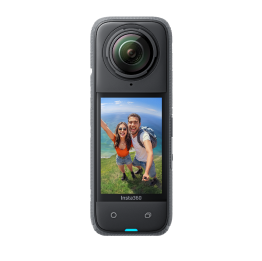
Insta360 X5
Insta360 X5 captures 8K 360 video with rich detail and dynamic range, giving you the freedom to frame shots after filming. With Active HDR and 5.7K30fps reframed output, it delivers high-resolution footage with bold highlights and nuanced shadows. Paired with FlowState stabilization and 360 Horizon Lock, movement stays smooth and level—even when the environment isn’t.
Insta360 Ace Pro 2
Insta360 Ace Pro 2 takes clarity further with its dual 1/1.3” sensors and Leica SUMMARIT lens. It records in 8K at 24fps or 4K at up to 120fps, all while preserving highlight retention and low-light performance. Its dedicated AI highlights enhancement adjusts scenes in real time, making every frame feel shaped by intention, not chance. Powered by PureVideo low-light processing and Active HDR, footage holds cinematic tone without falling apart in mixed lighting.
What matters more than sensor size or interchangeable lenses is how you use the tools you have. Compact gear forces creative discipline. You frame tighter, move smarter, and think harder about light. That constraint can sharpen your style.
Small cameras also let you shoot where larger ones can’t. Tight interiors and crowded streets all become more accessible with a small and super portable camera. If your storytelling is strong, even pocket-sized gear can punch above its weight. Focus on intent, not intimidation.
FAQ
What’s the difference between cinematic videography and cinematography?
Cinematography is often part of a larger production with a crew. Cinematic videography borrows the same techniques, typically used by solo creators or small teams.
Can you shoot cinematic footage with a smartphone?
Yes. Control exposure, shoot in good light, and pay attention to sound. A phone with manual settings and a smartphone stabilizer can go far.
Do I have to color grade?
It helps, but it’s not mandatory. If you expose well and shoot in a good profile, you can still achieve a strong look.
Is cinematic the same as dramatic?
No. Cinematic is about intention and craft. The tone—dramatic, light, dark, surreal—is up to you.
Cinematic videography isn’t just for filmmakers. It’s for anyone who wants their visuals to do more than document. When your video looks cinematic, it resonates. Not because it looks expensive, but because it feels designed.
Done right, it doesn’t just show the moment. It shapes how we remember it.
Keen to keep up to date on Insta360 stories? Keep an eye on our blog and sign up for our mailing list. Got a story to share? Email yours to communitystories@insta360.com and win up to US$50.





%20(1).svg)


%20(1).svg)

.svg)