


















Biking is a transformative lifestyle choice. With health, environmental, and financial benefits, it’s reasonable to want to get a bike and go. However, commuting on a bike can be daunting for beginners. We’re here to help you get comfortable using a bicycle as a form of transportation.
With the proper preparation, you can be ready to enjoy your new commuting experience in no time. Find everything you need to begin biking, from using the right bike to taking safety precautions.
The Benefits of Biking Over Other Forms of Transportation
- Biking leads to a healthier life: It strengthens the heart and improves blood circulation. Cycling also works various muscles, leading to increased strength and flexibility and reducing stress and anxiety.
- Biking is environmentally friendly: Cycling produces zero emissions and reduces the reliance on cars, further combating air pollution.
- Biking saves money: Bikes are significantly cheaper than cars and require less maintenance, with parts costing less as well. Biking is a zero-fuel transportation method, saving money on gas and reducing parking costs.
- Eliminate bus schedules: Biking means you can commute wherever you need to go, whenever you need to go. You’ll no longer have to stick to bus schedules.
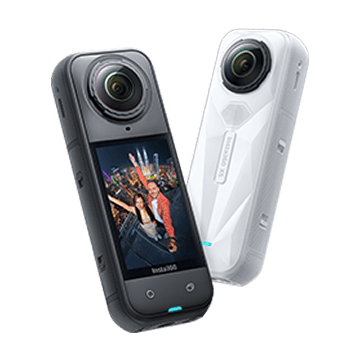
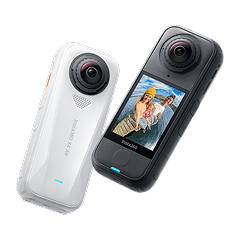
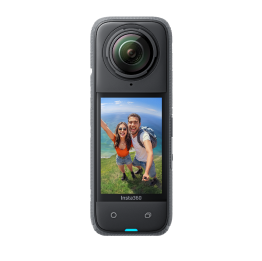
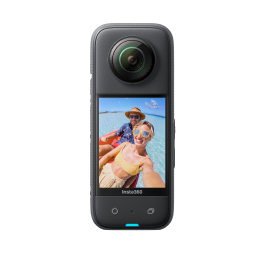
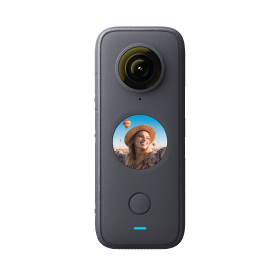
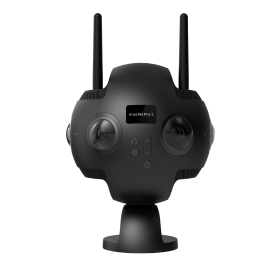
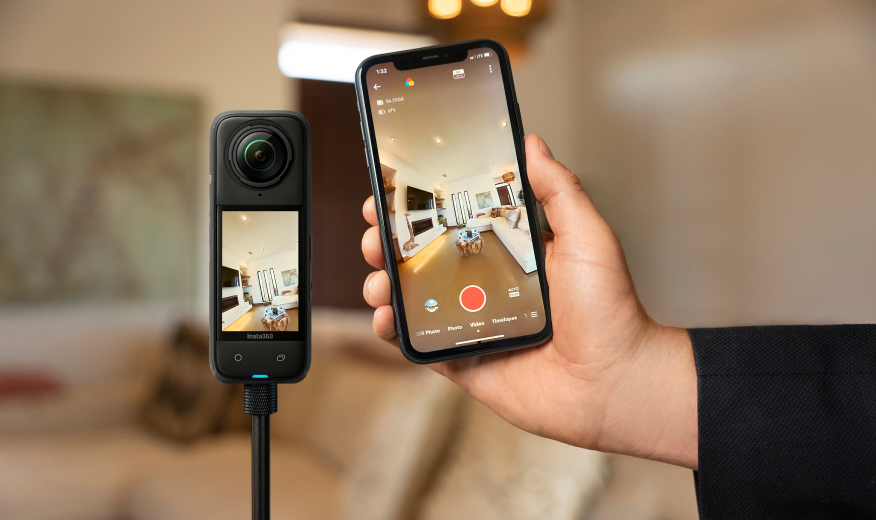
Commuters often record their cycling commutes for safety or to share footage. Insta360 X5 is a lightweight action camera that can capture images in 8K, so you can relive the most beautiful scenic views. This versatile camera can also be used as a ride recorder to capture 360° footage in case of accidents.
Find the Best Bike for Your Commute
Road and Hybrid Bikes for Long-Distance Commutes
Notable for their thin tires and drop handlebars, road bikes are ideal for long-distance travel on paved surfaces. The drop handlebars put riders in a more aerodynamic position, and their lightweight material makes them easy to carry up and down steps.
Hybrid bikes use the lightweight material, thin wheels, and smooth tires of road bikes, but employ the flat handlebars, upright seating, and wide tires of mountain bikes. These bikes are useful for commuting long distances that may traverse gravel or dirt surfaces.
Gravel and Mountain Bikes for Rugged Terrain
Gravel bikes look similar to road bikes, but they have wider, more rugged tires. Gravel bikes are typically equipped with drop handlebars, but are fitted with wider bars than road bikes for more stable handling. These bikes are ideal for longer rides with a mix of paved and unpaved surfaces.
Mountain bikes are also designed for off-road terrain, but they aren’t ideal for long distances. Instead, these bikes are intended for surfaces with rocks, roots, and steep inclines. Their large, wide tires with knobby tread patterns provide reliable traction on uneven surfaces, and flat handlebars allow for an upright posture that makes hill climbing easier.
E-Bikes For an Easier Ride
Electric bikes, or e-bikes, use a motor to assist pedaling, making the ride less taxing. These bikes allow you to commute to your destination quickly and are available in various models to accommodate your terrain. They are great for carrying cargo or even another passenger. E-bikes are typically heavy, however, so carrying them up and down stairs isn’t ideal.
Used Bikes
New bikes can be pricey, but you can begin commuting with a used one for less upfront cost. Check out local used bike listings and secondhand stores for deals. Though buying used is a budget-friendly option, ensure the bike is in working condition, fits your needs, and feels right.
Enhancing Your Commuting Experience
Suspension Forks
Suspension forks are designed to absorb shocks and vibrations from uneven surfaces, making the ride smoother and more comfortable. These are especially common on mountain bikes, but can be added to other bikes, though doing so can affect their efficiency.
Safety Lights
Safety lights are essential to increasing your visibility, especially in dim conditions and at night. They also illuminate the road to help you see and avoid hazards. In many areas, safety lights are a legal requirement.
Cameras
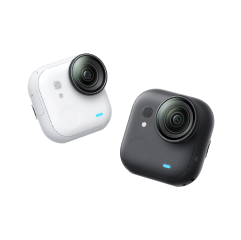
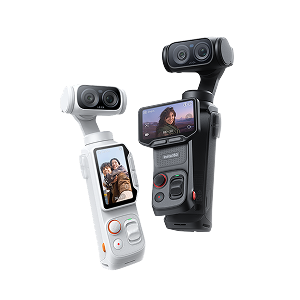
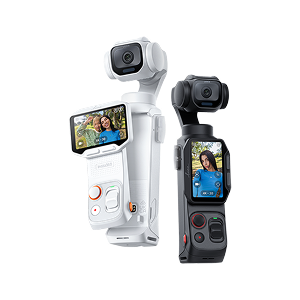
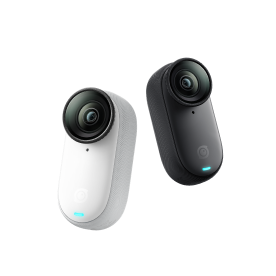
Capturing your commute can be especially rewarding. Use a helmet- or handlebar-mounted camera, such as GO Ultra, to capture and relive your favorite moments. This action camera has three levels of AI stabilization, allowing you to record no matter the terrain.
Safety First: Best Practices for Bike Commuting
Visibility and Legal Requirements
Take the necessary precautions to prevent falls and more serious accidents. Get yourself a bike that works and handles well, strap all cargo down, tuck in loose clothing, and take routes with less traffic. Ride with the traffic flow, obey street signs and road markings, and be aware of your surroundings and potential hazards.
Laws regarding bike commuting vary by area, so become familiar with your local legal requirements, from sidewalk riding, helmet use, bike lanes, e-bike regulations, equipment requirements, and more.
It’s always recommended to wear a helmet and have lights for safety reasons. Ensure your helmet fits properly and make yourself more visible by wearing a helmet, bright clothing, reflective gear, a white front light and a red rear light.
Mounting a camera to record your rides is a great safety idea. Insta360 GO Ultra weighs only 53g and delivers 4K60fps stabilized video—ideal if you don’t want extra weight on your helmet or handlebars.
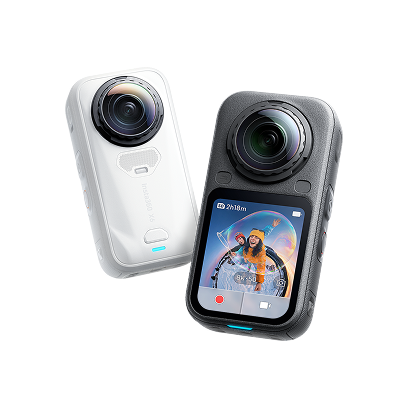
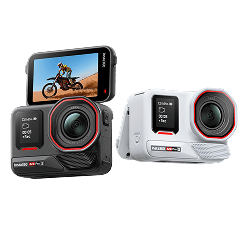
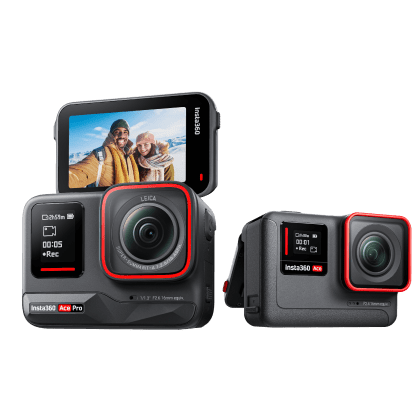
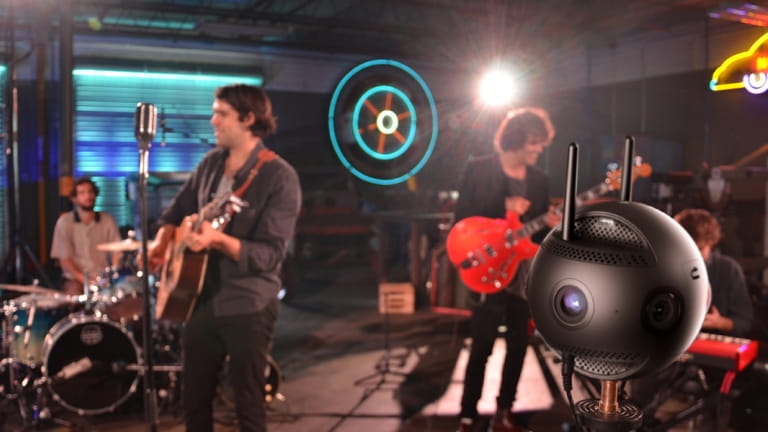
If you prefer a more robust version, Insta360 Ace Pro 2 is a compact, wide-angle camera that records in 8K. It delivers high-quality footage even in low light, so clear footage can be recorded in case of accidents at any time of day.
-tuya.jpg)
Essential Maintenance for Optimal Performance
Perform a routine inspection before every ride. Remember the “ABC Quick Check” for your pre-ride inspection:
- A for Air: Press down on your tires to ensure they are firm. If you’re unsure, check that they are inflated to the recommended tire pressure (PSI) found on the sidewall to prevent flats. The recommended PSI typically appears as a range. Filling your tires to the higher end of that range makes it easier to carry your speed, while filling them to the lower end prioritizes grip and comfort. Consider inflating them to the middle point of the range and adjust as you get a feel for your bike, just never go outside the range.
- B for Brakes: Squeeze your front and rear brake levers to ensure the brakes engage properly. The levers shouldn’t touch the handlebars when you squeeze. Check your brake pads to ensure they aren’t worn down and come in contact with the bike’s rim.
- C for Chains: The chains should move freely when you push the pedals backward. They should be sitting on the teeth of the gears and be free of rust or gunk. If you see rust, you’ll need to lube your chain and wipe off the excess. Your chain will need to be cleaned more regularly if you tend to ride it through mud or dirt.
- Quick: Check the quick-release levers. These will typically be in two places—the tires and the seat post. These levers should be tight and closed.
- Check: The last thing you should do before your commute is actually check the bike with a test ride. Ride it in a safe area before taking it on the road to ensure everything feels right.
Gear Up: Clothing and Accessories for Cycling
- Helmet: A quality helmet is a must, especially if you’ll be biking on roads. Try on several helmets to find one that fits properly.
- Casual clothes: Having to change in and out of sportswear before and after every ride can be tiresome. Find casual clothes that you can wear at work while being comfortable enough to ride in.
- Rain clothes: Invest in rainwear for varying levels of rain. Windbreakers are nice for light rain, while a waterproof jacket and rain overpants are ideal for downpours.
- Fenders: Your tires will kick up all types of filth. Fenders can protect your clothing and drivetrain from the mess.
- Backpack: A backpack is an affordable and convenient way to hold and travel with your essential items. If you have a higher budget, look for one with a ventilated mesh back to keep your back from getting too sweaty.
- Rack: If wearing a backpack while riding works up too much of a sweat, strap your cargo onto a bike rack.
- Bike lock: Protect your bike from being stolen by getting yourself a secure bike lock. Lock your bike to objects that cannot be cut or moved in well-lit areas.
- Repair kit: Flat tires can delay your commute, but a repair kit will ensure you’re not stranded. Carry and know how to use one in case of emergency.
Secure Your Investment: Bike Safety and Security
Use a high-quality U-lock to secure your bike to a bike rack or immovable object. Lock your bike in well-lit public places, and consider removing detachable items such as lights or a saddle to prevent them from being stolen. Think about adding a second type of lock to deter thieves who are only prepared for one lock type.
Understanding Bike Lock Ratings and Security Measures
The Sold Secure rating system is typically used to measure bike lock security. The system consists of bronze, silver, gold, and diamond ratings, with bronze having the lowest level of security and diamond the highest. Many brands implement their own rating systems, so understand how they work before purchasing a lock.
Cameras are useful for capturing safety footage, but can be stolen if left unattended. Quick-release mounts allow riders to quickly attach and detach cameras so you can easily pop them in your bag after your ride.
Maintain Equipment Security While Riding
Keeping your valuables safe is equally important as keeping your bike from being stolen, especially if you’re on an extended cycling trip. Simply because your bike is locked up doesn’t mean your bags cannot be taken.
Carry your most valuable items in an easily removable handlebar bag or fanny pack. Secure your other bags carrying valuables to the bike rack, and get into the habit of detaching them every time you dismount.
Join a Biking Community
Joining a biking community can make the experience much more fulfilling. Connect with other cyclists either locally or online and share your experiences and footage. Being part of a community can enhance motivation and confidence, and members can provide tips and route suggestions.
Frequently Asked Questions
Is a 30-Minute Bike Ride a Long Commute?
A 30-minute bike ride is generally considered a moderate commute. However, your experience can be influenced by several factors. Whether 30 minutes feels long depends on your fitness levels, the terrain, and weather conditions. Using a bike not meant for your local terrain can make the commute feel much more taxing.
How to Make a Bike Commute More Comfortable?
Ensure your tire pressure is appropriate for your commute, consider changing your seat and handlebars, and wear comfortable clothing.
Cycling to Work Can Improve Your Commute
Cycling can make your commute much more fulfilling—not to mention, you’ll arrive at work feeling energized and alert. While starting out can be intimidating, taking the necessary steps can make your cycling commute comfortable.
Improve your commute further with Insta360 X5. Capture your favorite moments and add a layer of safety with a high-quality cam.
Keen to keep up to date on Insta360 stories? Keep an eye on our blog and sign up for our mailing list. Got a story to share? Email yours to communitystories@insta360.com and win up to US$50.







%20(1).svg)


%20(1).svg)

.svg)