





































We have more pets than ever before. According to some estimates, roughly half of the world's population now has a pet to some degree or another, whether it's a furry gerbil, a goldfish, a snake, a dog, or even a giant crocodile. Humans love their pets, and, increasingly, they love to travel with them. But, of course, there are limits on what you can pack in your carry-on or place in a travel box in the cargo hold.
Traveling with animals sounds more straightforward in your head, but it needs more than enthusiasm—it requires planning, preparation, and the right gear. From health checks to packing essentials and understanding airline rules, you’ll want to set your pet up for a safe, stress-free journey.
1. Planning and Vet Prep for Traveling with Pets
Before you book tickets or load up the car, start with your pet’s health. A little prep goes a long way in preventing problems mid-trip.
Health and Vet Guidance
Just because you want your 16-year-old dog with you on holiday doesn't mean you should take it, and this is an important point to begin with. Animal welfare needs to come first. Before you do anything, check with your veterinarian to see whether your pet can travel and if any additional precautions should be taken.
Schedule a checkup well before departure to review vaccines, parasite prevention, and any medications your pet may need. Destinations or airlines often require an official health certificate signed within a specific timeframe, so ask your vet to prepare the necessary paperwork. Don't just turn up at the airport with Mr Jink and get infuriated when the airline employee asks for documents you don't have.
If you're traveling abroad, rabies vaccines and microchipping are often mandatory, and some countries enforce quarantine periods, so make sure you know what awaits you. Also, think logically. If you're only there for two weeks and your dog needs to be quarantined for 10 days, is it really worth it?
2. Packing, Food, and Gear for Pet Travel
Once your pet has a clean bill of health, the next step is packing smart. The right supplies can make the difference between a smooth journey and a stressful one.
Essentials to Pack for Your Pet
If your dog only eats premium dog food that must be ordered from a specific website every month, don't be shocked that you can't find it in your local supermarket in the small Alpine town you're visiting. If their diet or needs are particular, ensure you bring everything you need when you travel, including: ample food for the entire trip, a supply of fresh water, and collapsible bowls for easy feeding on the go. Don’t forget any medications, flea and tick preventatives, or supplements your pet takes regularly.
Comfort items matter too. A familiar blanket, favorite toy, or even a piece of your clothing can ease stress in new environments. If traveling by plane, line the carrier with absorbent pads and keep waste bags handy.
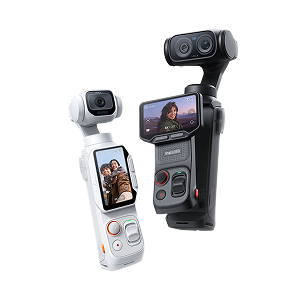
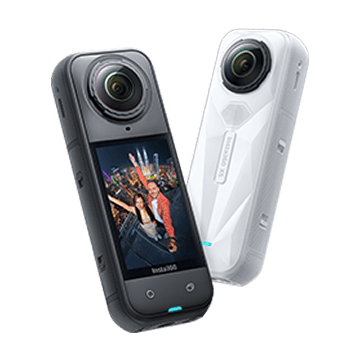
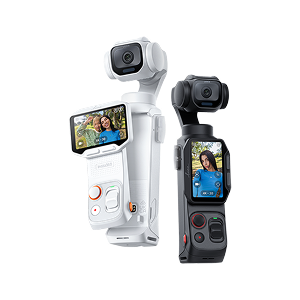
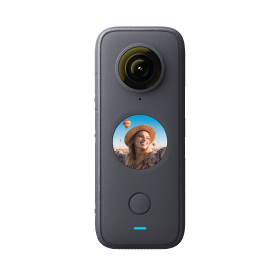
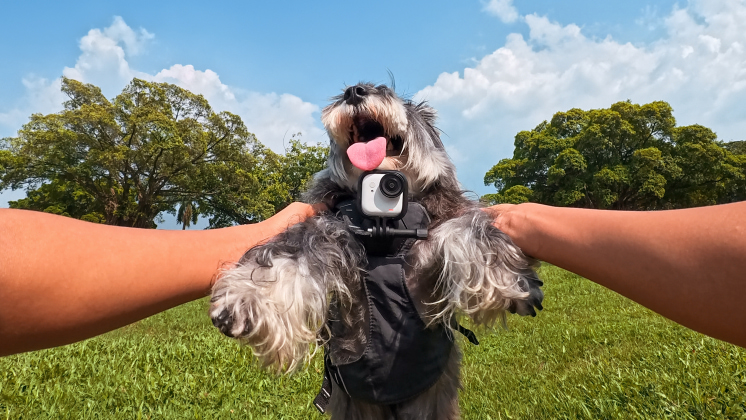
Gear designed for active pets can also help, so think of lightweight harnesses, portable crates, or smart cameras that let you keep track of your pet in crowded places. Lastly, maybe one of the most essential pieces of gear: the pet action camera.
3. Travel Rules and Policies for Pet Travel
Rules for traveling with pets aren’t one-size-fits-all. Airlines, countries, and even states may have their own requirements. Understanding them upfront can save time—and stress—on departure day.
Airlines’ Pet Policies: Cabin vs Cargo
Pet policy on airlines is notoriously tricky. Just because something was the rule last month doesn't mean it applies now, and you'll want to be 100% certain of your pet's eligibility to fly before you arrive at the airport. Airline employees don't make up the rules on the spot, so it's up to you to know the current guidelines.
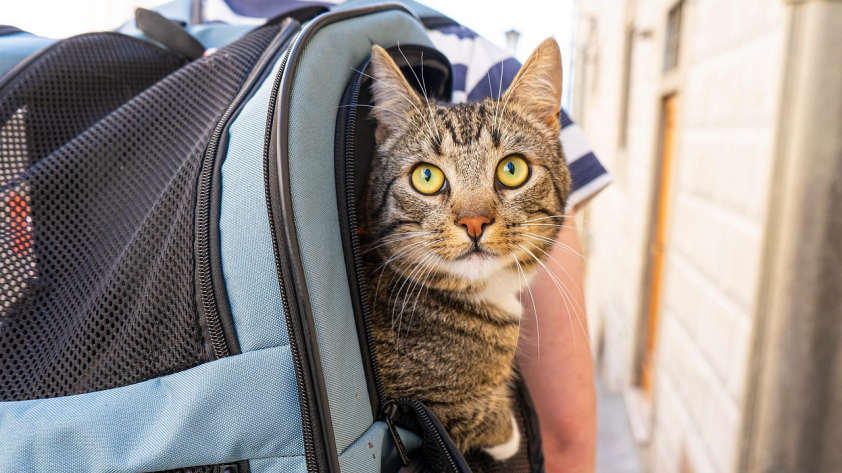
Some airlines allow small pets in the cabin if they fit comfortably in an airline-approved carrier under the seat, but this number has been dropping after the popularity of emotional support animals on planes went a little too far (horses, pigs, a peacock—we kid you not).
For most pets, cargo may be the only option. While cargo transport is regulated, not all airlines have the same safety record. Incidents are rare but not unheard of, so it's worth considering when choosing an airline. Always research policies carefully and select carriers with strong reputations for animal safety.
4. Safe and Enjoyable Road Travel with Pets
There's nothing like a road trip, and traveling by land can often be a way to circumvent strict airline policies if you want to keep your pet close.
In-Transit Safety and Comfort
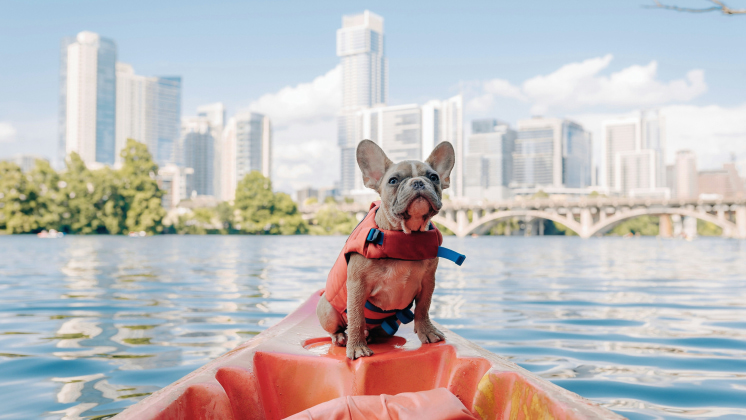
Legally, restraints are optional, but more and more people are choosing safety, especially for longer trips. Yes, the image of Lassie with her head out of the window, her tongue flapping in the wind, might sound nice, but Lassie's body will experience precisely the same as a human body if she's involved in a high-speed accident without some restraint.
Whether it’s a crash-tested harness, seatbelt clip, or secure carrier, keeping your pet restrained protects both of you.
Take plenty of breaks along the way. Pets need water, bathroom stops, and time to stretch like people do, so think about planning a few places to stop every couple of hours. A familiar toy or blanket also helps reduce anxiety.
During Flights: Takeoff and Landing
If you're flying, focus on those moments of high stress, particularly going up and coming down when changes in cabin pressure can add to a pet's discomfort. A calm voice, gentle reassurance, or a favorite treat can soothe your pet during takeoff and landing.
However, avoid sedatives unless your vet specifically prescribes them since medication can complicate breathing at altitude.
Layovers and Travel Time Tips
We tend to see layovers as a nuisance, but for pets, they can be a chance to rest, hydrate, and reset before the next leg of the journey. Avoid back-to-back connections or extended travel days that push your pet’s limits whenever possible. It also gives you an excuse to strap on the pet camera and go exploring.
5. Storyworthy Pet Footage with Smart Filming Tech
Traveling with pets isn’t just about keeping them safe—it’s also about capturing memories you’ll want to relive. Smart filming gear makes it simple to turn everyday adventures into shareable stories.
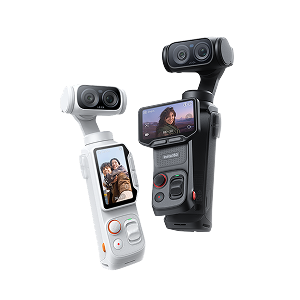
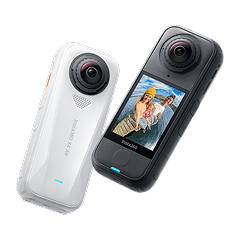
Lightweight cameras like Insta360 GO 3S clip onto collars or harnesses, giving you a pet's-eye view of the journey. For more cinematic angles, Flow 2 Pro smartphone gimbal keeps handheld shots smooth, even when you’re juggling leashes and luggage.
When you want higher-resolution footage for editing or larger screens, GO Ultra takes things to an entirely different level. Whether you want to see the world from your dog’s POV or simply film playful zoomies, its advanced stabilization and compact build mean you can shoot pro-level content without carrying a heavy setup.
Frequently Asked Questions
Can You Bring Pets While Traveling?
Yes—but the specifics depend on your destination and mode of transport. Many airlines and train services allow pets, though rules vary. Some countries enforce strict entry requirements, including vaccines and quarantine periods.
How Much Does It Cost to Take Your Pet With You on a Plane?
Costs vary by airline, but most charge between $100 and $500 for in-cabin travel. Cargo transport is often more expensive, especially on international flights. Always factor this into your vacation budget so you’re not hit by unexpected costs.
How Much Does a Pet Passport Cost?
In the European Union and other regions, a pet passport is required for international travel, and the costs typically range from $100 to $300, covering veterinary exams, vaccines, and paperwork. In the U.S., pets require a “Fit to Fly” certificate for international flights; costs vary, but expect to pay up to $200.
Ready to Capture Your Pet’s Adventures with Insta360 Flow 2 Pro Smartphone Gimbal?
Adventures are meant for the whole family—even the furry, four-legged members. However, as we mentioned, pet travel can sometimes be easier, safer, and more convenient in the mind. In reality, it requires plenty of preparation, smart packing, and a little tech, but there's no reason you and your furry companion can't explore the world together stress-free.
But once the adventure begins, how do you want to remember it? Insta360 Flow 2 Pro makes recording every wag, purr, and playful moment along the way easy. Pair it with wearable cams like the GO 3s or GO Ultra, and you’ll see travel in a way you've never experienced before. Prepare well and make sure your pet is comfortable, then let your imagination soar.
Keen to keep up to date on Insta360 stories? Keep an eye on our blog and sign up for our mailing list. Got a story to share? Email yours to communitystories@insta360.com and win up to US$50.







%20(1).svg)


%20(1).svg)

.svg)