

















Looking for the best travel cameras for photography before your next trip? You've probably noticed your phone shots come back grainy at dusk and soft when you zoom. The three picks below give you sharper, richer travel photos without hauling a huge camera bag, each matched to a different kind of trip, plus the buying criteria to help you choose.
Key Takeaways
- Sensor size matters most for low light. A 1" sensor captures much cleaner night shots than most phones.
- Choose optical or lossless zoom. Digital zoom crops the image and loses detail on distant landmarks and wildlife.
- For water trips, pick a camera that's waterproof without a housing.
- RAW (DNG) support lets you recover blown-out skies and dark streets in editing.
Quick Picks
Best Overall: Insta360 Luna Ultra
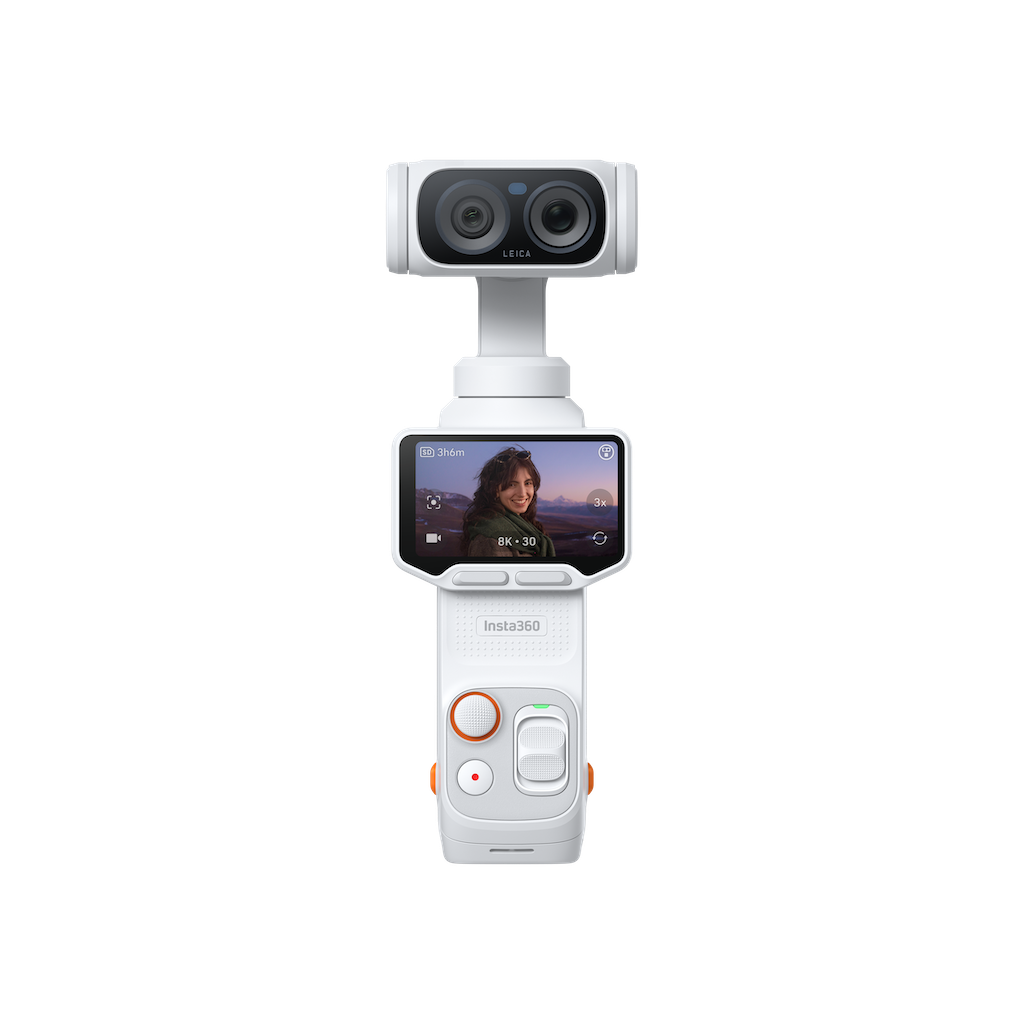
- 1" sensor with 8K video and a Leica Summicron f/1.8 lens.
- Up to 15× zoom, with 6× lossless zoom.
- 37MP UltraPhoto and 200MP Scenic Panorama.
- 3-axis gimbal stabilization.
- Up to 240 minutes of run time.
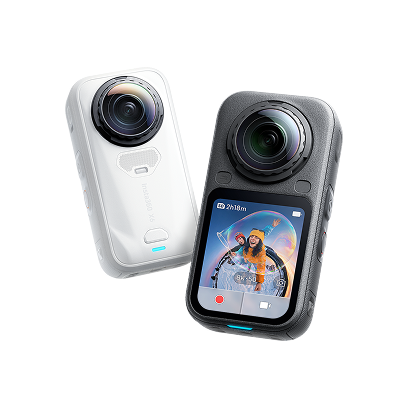
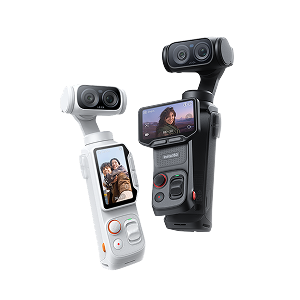
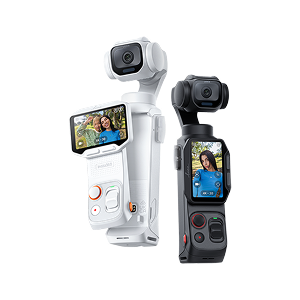
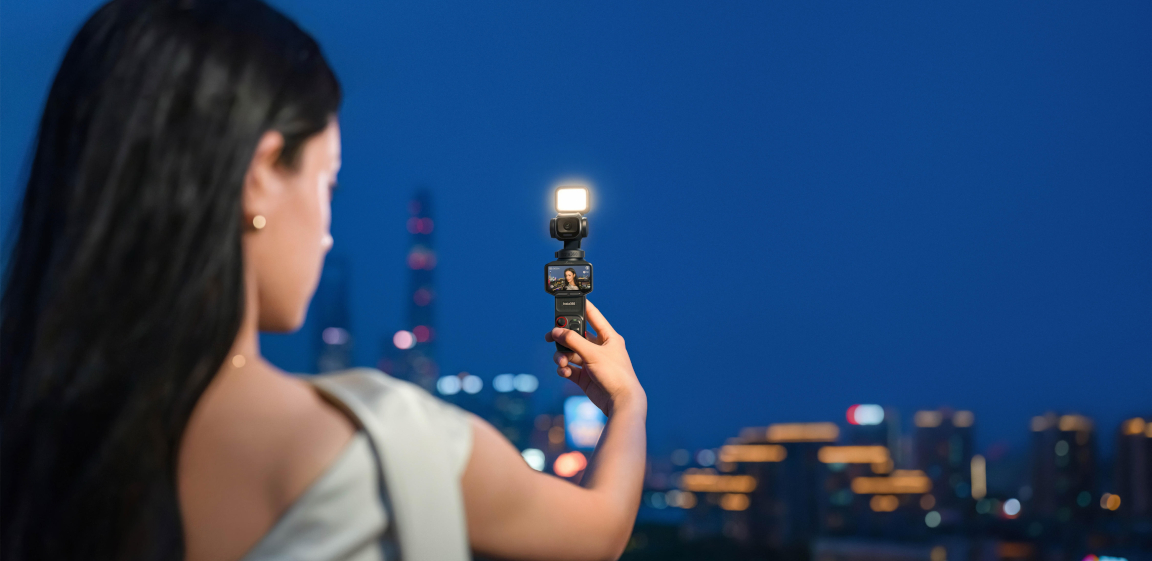
Insta360 Luna Ultra’s 1" sensor gathers far more light than the small sensors inside most phones. You'll see the difference after sunset, when neon signs and lantern-lit alleys stay clean and detailed. Leica color profiles give those shots a finished look straight out of the camera.
The zoom earns its place on travel days. Frame a cathedral facade wide, then punch in on a gargoyle without swapping lenses. Pop off the detachable screen, set the camera on a ledge and frame a group shot from a few steps away.
Auto modes handle most scenes, and a few minutes finessing the best settings for Insta360 Luna Ultra gets you sharper night and zoom shots from day one. For safari or festival trips, the Ultra Telephoto Lens adds even more reach.
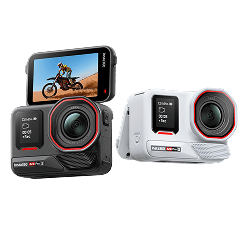
Best for Adventure and Underwater Travel: Insta360 Ace Pro 2
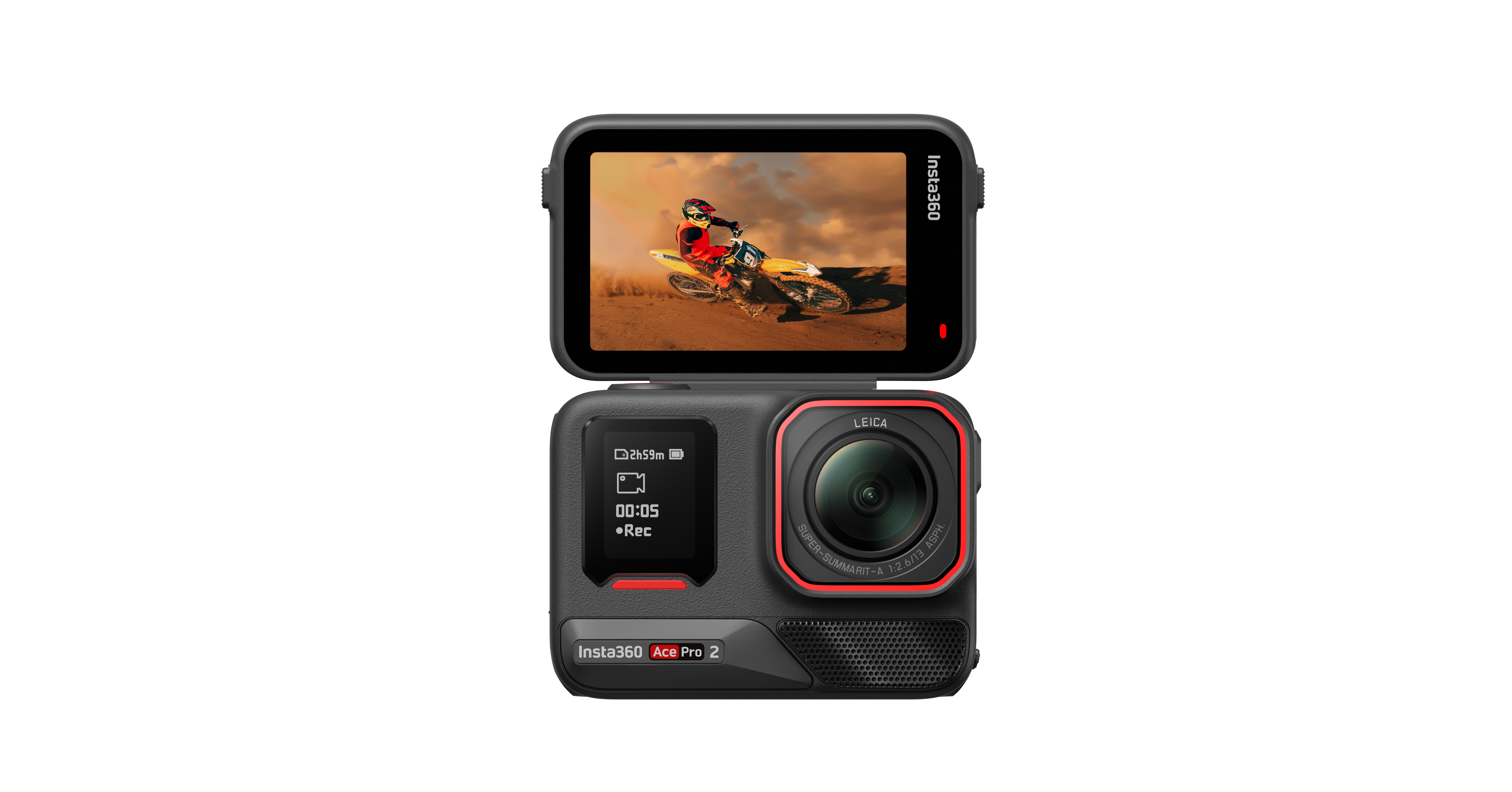
- 1/1.3" sensor with 8K video and Leica SUMMARIT lens.
- 50MP photos with DNG RAW export.
- Waterproof to 39ft (12m), or 197ft (60m) with the Dive Case.
- FlowState Stabilization with 360 Horizon Lock.
- 182g.
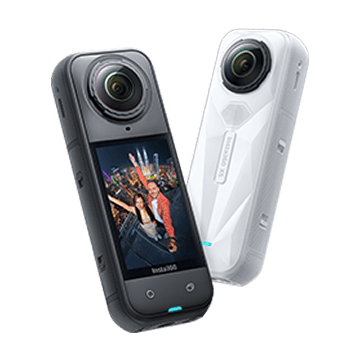
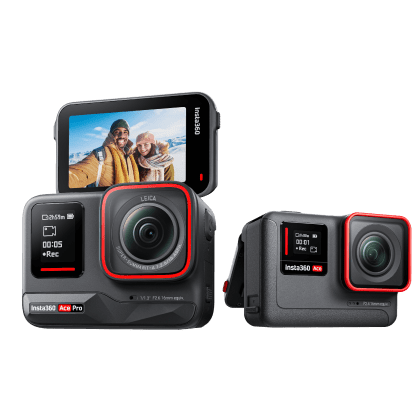
Picture a reef stop on a boat tour. Everyone else is sealing phones into plastic pouches while you jump straight in with Insta360 Ace Pro 2, no case required down to 39ft (12m).
The Leica-engineered lens and large sensor hold up well at golden hour, and 50MP DNG files give you plenty of room to pull detail back from a bright sky.
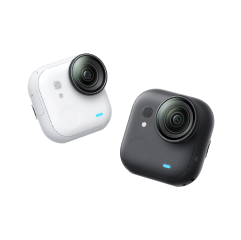
Best Ultralight Hands-Free Camera: Insta360 GO Ultra
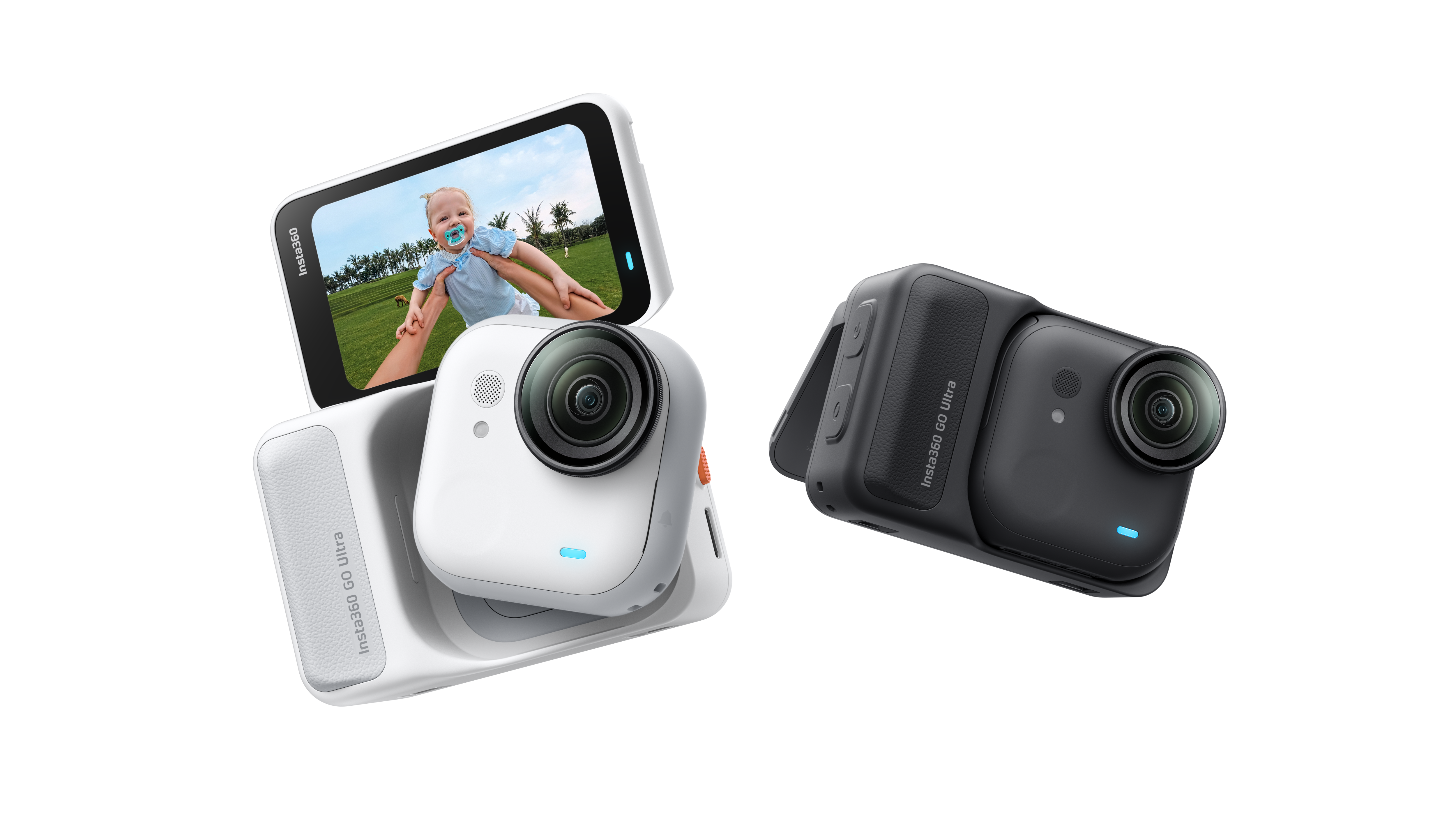
- 1/1.28" sensor with 5nm AI chip.
- 50MP photos with DNG export.
- 53g standalone camera.
- Waterproof to 33ft (10m) as a standalone camera.
- 70 minutes standalone, 200 minutes with the Action Pod.
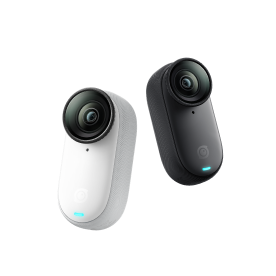
Insta360 GO Ultra weighs just 53g. Clip it to your backpack strap, set Interval Photo and walk through a market. You'll come home with candid shots of the whole day while your hands stay free for street food.
The Magnetic Pendant and clip let you move it from your chest to your bag strap in seconds. Snap it off and it works as a tiny handheld camera too, so it can be your only camera on trips where you'd rather pack light.
When a Dedicated Travel Camera Beats Your Smartphone
Choosing between a dedicated camera and your phone comes down to image quality and creative control versus weight and convenience. Your phone handles bright daylight and quick shares well. But a dedicated travel camera gives you more on almost any trip for these reasons:
- Better image quality in changing light. Travel days run from harsh midday sun to dim evenings, and a larger sensor holds detail across both.
- More control over the shot. Real zoom, stabilization and RAW files let you frame and finish photos the way you saw them.
- Peace of mind. A rugged camera handles rain, sand and bumps you'd never risk with your phone.
- A phone that stays charged. Your camera uses its own battery, so your phone keeps its charge for maps, tickets and calls home.
RAW files are a big part of that control. RAW files store far more color and tonal data than JPEGs, giving you more control when you edit exposure and white balance later.
How to Choose the Right Travel Camera for Photography
Start with how you travel. City trips favor low-light performance and zoom. Outdoor trips favor durability and battery life. Water trips need true waterproofing, and ultralight trekkers should put weight first.
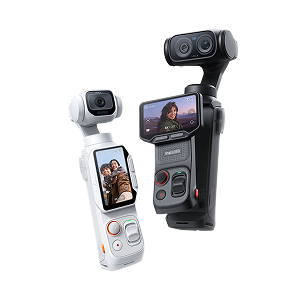
Most travelers end up deciding between a gimbal camera or action camera. A gimbal camera gives you a bigger sensor, zoom and smooth handheld shots for cities and nights. An action camera trades zoom for waterproofing and toughness.
The criteria below help you decide which matters more for your trips:
Sensor Size and Low-Light Performance
Check the sensor size, listed in inches. A bigger sensor collects more light, which means cleaner photos at dusk and indoors. A 1" sensor is a big step up from most phones.
Zoom and Focal Length Flexibility
See whether the zoom is optical, lossless or digital. Optical and lossless zoom keep full detail. Digital zoom just crops. If you shoot wildlife, architecture or stage performances, reach matters as much as image quality.
Size, Weight and Packability
Pick a camera small and light enough that you'll actually carry it every day. A small camera also draws less attention in crowded cities than a big lens.
Durability and Waterproofing
Check the depth rating the camera reaches without a housing. Look at the operating temperature range too, especially for ski trips or desert heat.
Battery Life and Charging on the Road
Look for USB-C charging and a fast time to 80%. Pack spares in your carry-on, since the FAA requires spare lithium batteries to travel in carry-on baggage only.
Insta360 Ace Pro 2 runs on a removable 1800mAh battery, so any extras you buy belong in that carry-on. The same goes for the Luna Series Battery Handle if you add one to Insta360 Luna Ultra. Insta360 GO Ultra charges its standalone camera through the Action Pod, which stretches run time from 70 to 200 minutes without a spare battery to pack.
RAW Files and Editing Workflow
RAW (often saved as DNG) keeps the unprocessed image data, so you can fix exposure and color later. Cameras that edit through a phone app let you share on the go and save your evenings for exploring.
Building a Lightweight Travel Photography Kit
Keep your kit small enough to fit easily in your daypack. Group it by the problem each piece solves:
- Power: a spare battery or battery handle for long days.
- Storage: a second microSD card in case one fails or fills up.
- Stability: a mini tripod or selfie stick for night shots and group photos.
- Protection: a protective cover and a microfiber lens cloth.
Packing light makes airport security quicker too, and a few simple habits make traveling by air with a camera much less stressful.
Frequently Asked Questions
What Is the Best Portable Camera for Travel Photography?
The best portable camera is one light enough to carry all day. Look for a pocket-sized body that still has a large sensor and RAW support, so you don't trade image quality for convenience.
What Is the Best All-Around Camera for Travel?
An all-around travel camera balances zoom range, low-light performance and durability. Insta360 Luna Ultra covers the most travel scenes, with a 1" sensor for night streets and up to 15× zoom for distant landmarks.
What Makes a Good Quality Travel Camera?
A good travel camera has a large sensor, flexible zoom, reliable stabilization and a battery that lasts a full day. RAW support and fast USB-C charging make it easier to use on the road.
Is a Smartphone Good Enough for Travel Photography?
It can be for daylight shots and social posts, but a dedicated travel photography camera gives you better results in low light, at a distance and around water, where phone cameras struggle most.
The Right Travel Camera Turns Every Destination into a Portfolio-Worthy Shot
If you want the best travel camera for photography, Insta360 Luna Ultra is the one to pack. Its 1" sensor keeps night shots clean, the 15× zoom brings far-off details close and the gimbal keeps every frame steady, all in a body small enough for a daypack side pocket.
Get Insta360 Luna Ultra before your next trip and come home with photos that look the way the place felt.
Keen to keep up to date on Insta360 stories? Keep an eye on our blog and sign up for our mailing list. Got a story to share? Email yours to communitystories@insta360.com and win up to US$50.
Your shot. Your world. The Insta360 Global Awards 2026 supported by Leica are officially open. Join creators worldwide and compete across six categories (Street, Travel, Life, Portrait, Sports, and Night) for your share of a US$150,000+ prize pool, including cash prizes and Insta360 gear. Submit your best video or photo at insta360.com/awards.





%20(1).svg)


%20(1).svg)

.svg)