














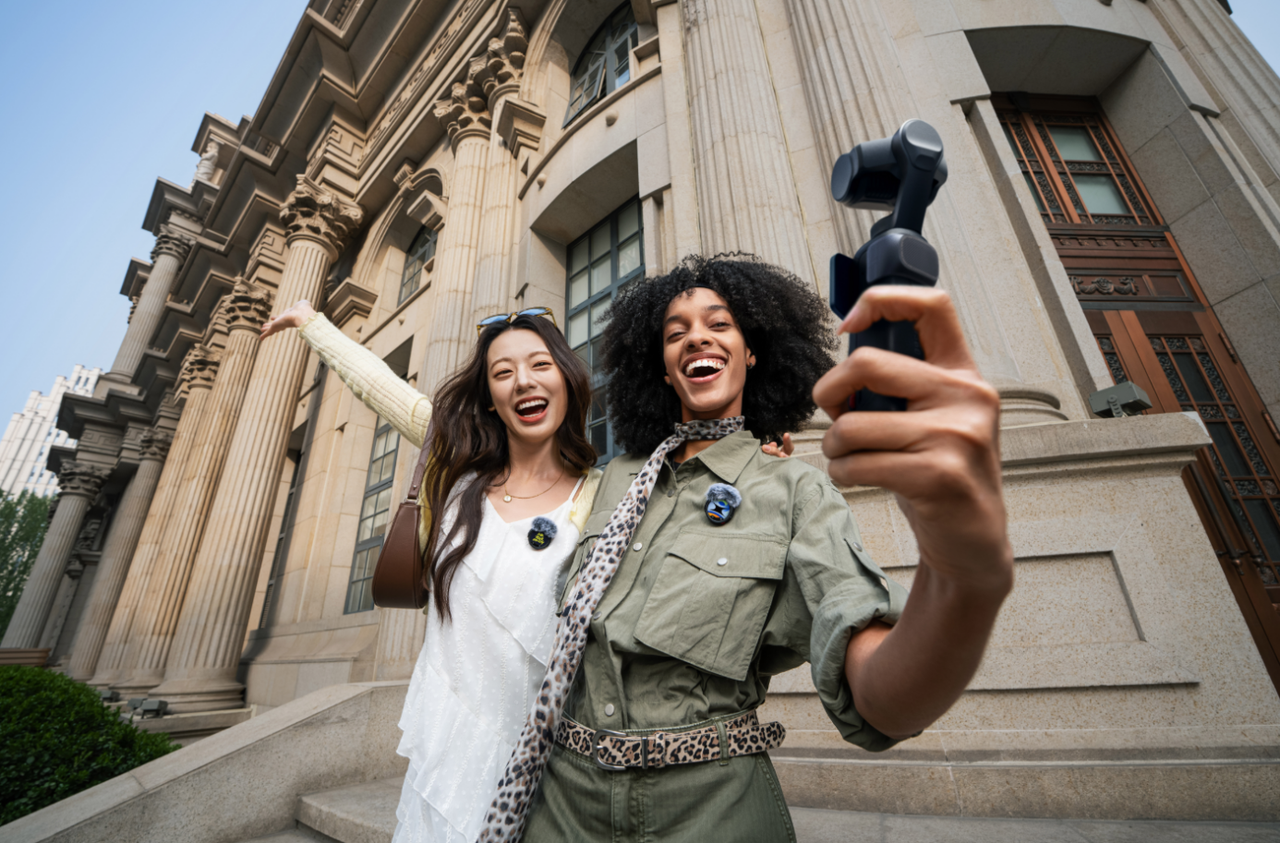


Travel and vlogging can be beautifully rewarding and frequently maddening, often on the same day. It’s chaotic and unpredictable, and that’s precisely why it works so well. One moment you're weaving through crowded city streets, the next you're scrambling up a rocky trail overlooking the ocean.
Capturing these experiences takes you well outside the safe confines of a studio. Compact gimbal cameras, like Insta360's new Luna Ultra, and action cameras are both designed for creators on the move, but they excel in very different situations. Which is best for you? Let’s take a look.
What Is a Compact Gimbal Camera?
Some travel moments deserve more than a quick snapshot. A sunrise walk through a quiet old town, a bustling street food market after dark, or a guided tour through historic landmarks all benefit from smooth, cinematic footage that feels immersive and natural. However, that’s something that many cameras struggle with unless you have a professional-grade rig.
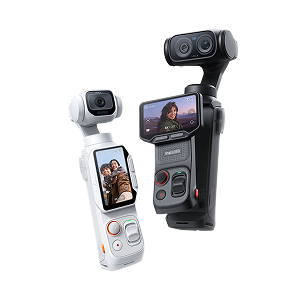
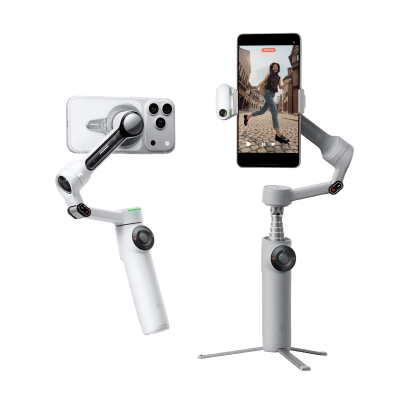
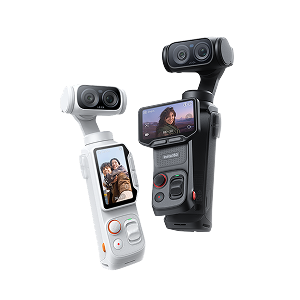
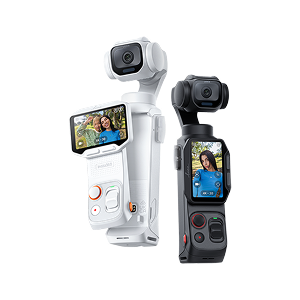
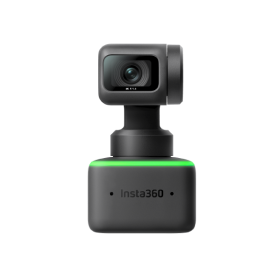
This is where the compact gimbal camera comes in. Unlike traditional handheld cameras, compact gimbal cameras, like Insta360 Luna Ultra, use a mechanical stabilization system that physically compensates for movement. Instead of relying solely on software, the camera actively counteracts shakes and vibrations as you walk, creating fluid footage straight out of the camera.
For travel vloggers, this is huge. Instead of jittery footage that feels like a cross between being filmed on a boat and The Blair Witch Project, walking narration feels more polished, city tours appear smoother, and viewers can focus on the story instead of distracting camera movement.
Compact gimbal cameras are also incredibly portable and slip easily into a jacket pocket, making them ideal for travelers who want high-quality footage without carrying bulky equipment. Insta360 Luna Ultra takes the whole gimbal concept to an entirely different level.
With a lightweight 233g design, pro-level 3-axis stabilization, Leica co-engineered optics, and a unique dual-lens system that combines a 1-inch 8K main camera with a telephoto lens for up to 12× zoom, this is the gimbal that does it all.
What Is an Action Camera?
But travel isn’t always smooth sailing. It’s not always a pleasant stroll along a cobblestoned street or through a night market. Sometimes travel is rough-and-tumble. Sometimes the best stories happen when you're hiking through rain, cycling down mountain roads, paddling across open water, or chasing powder on a ski slope.
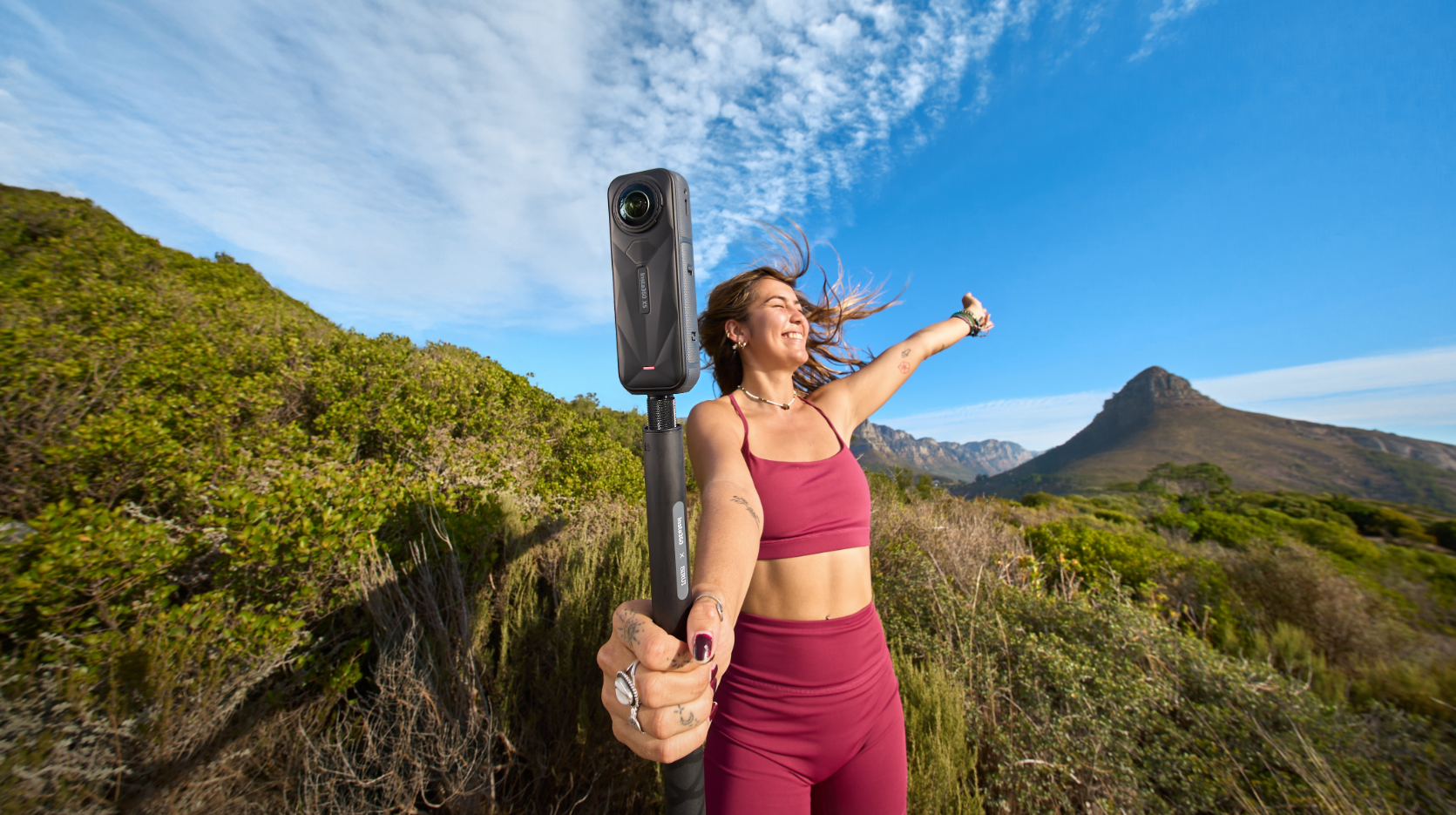
In these types of travel situations, you want good quality images, sure, but you also want a camera that can take the hits and keep on rolling.
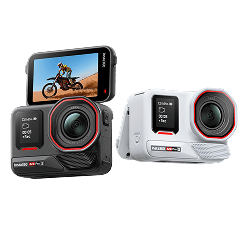
Action cameras are built specifically for these environments. They feature rugged designs that can withstand impacts, challenging weather, and fast-paced movement. Rather than using a mechanical gimbal, most modern action cameras rely on advanced electronic stabilization systems to smooth footage while keeping the body compact and durable.
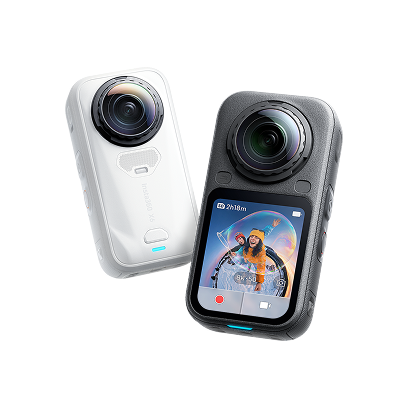
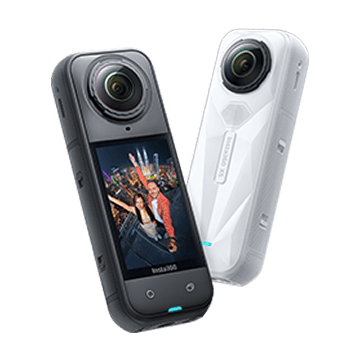
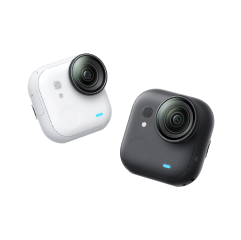
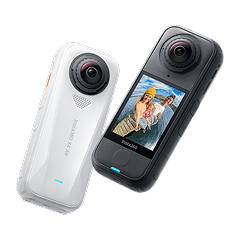
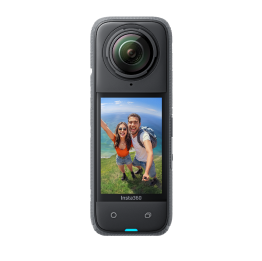
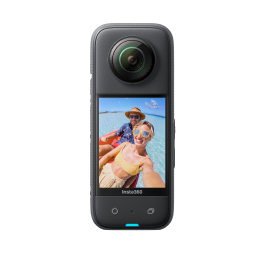
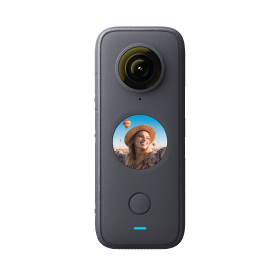
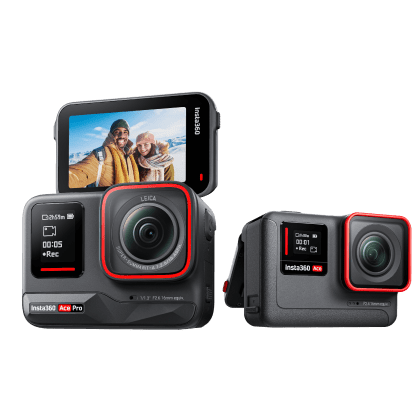
Their versatility makes them a favorite among outdoor adventurers, travel creators, and vloggers who need a travel camera that can handle unpredictable conditions. Insta360 Ace Pro 2 is designed for creators who want powerful action-focused performance, while Insta360 X5 takes flexibility even further by capturing immersive 360 footage that can be reframed later.
Instead of worrying about perfectly framing every shot in the moment, creators can focus on the experience and adjust perspectives during editing.
For travelers planning more demanding adventures, our guide to choosing the best adventure camera covers the key features that matter when conditions get tough.
Compact Gimbal Camera vs. Action Camera: Head-to-Head
| Feature | Compact Gimbal Camera | Action Camera |
| Stabilization | Mechanical gimbal stabilization | Electronic stabilization |
| Durability | Moderate | High |
| Waterproofing | Limited | Often waterproof |
| Image Perspective | Natural field of view | Wide-angle or 360 |
| Pocketability | Excellent | Excellent |
| Low-Light Performance | Often stronger in controlled conditions | Varies by model |
| Mounting Options | Limited | Extensive |
| Adventure Use | Casual travel and lifestyle content | Extreme activities and outdoor adventures |
| Vlogging Experience | Excellent for walking narration | Excellent for active creators |
Stabilization
A compact gimbal camera physically adjusts to your movements, creating naturally smooth footage that resembles shots captured with larger professional equipment. The result feels cinematic and organic.
Action cameras take a different approach. They use advanced electronic stabilization algorithms to analyze motion and compensate digitally. Modern systems are remarkably effective, especially during fast-paced activities where carrying a gimbal would be impractical.
Durability
Adventure travel often means dust, rain, rocky terrain, and occasional impacts. In these situations, durability becomes one of the most important factors in your decision. Action and adventure cameras are specifically engineered for challenging environments. Their compact, rugged bodies can withstand conditions that might make travelers nervous about using more delicate equipment.
Compact gimbal cameras are durable enough for everyday travel, but they're generally better suited to urban exploration, sightseeing, and lifestyle content where environmental risks are lower.
Waterproofing
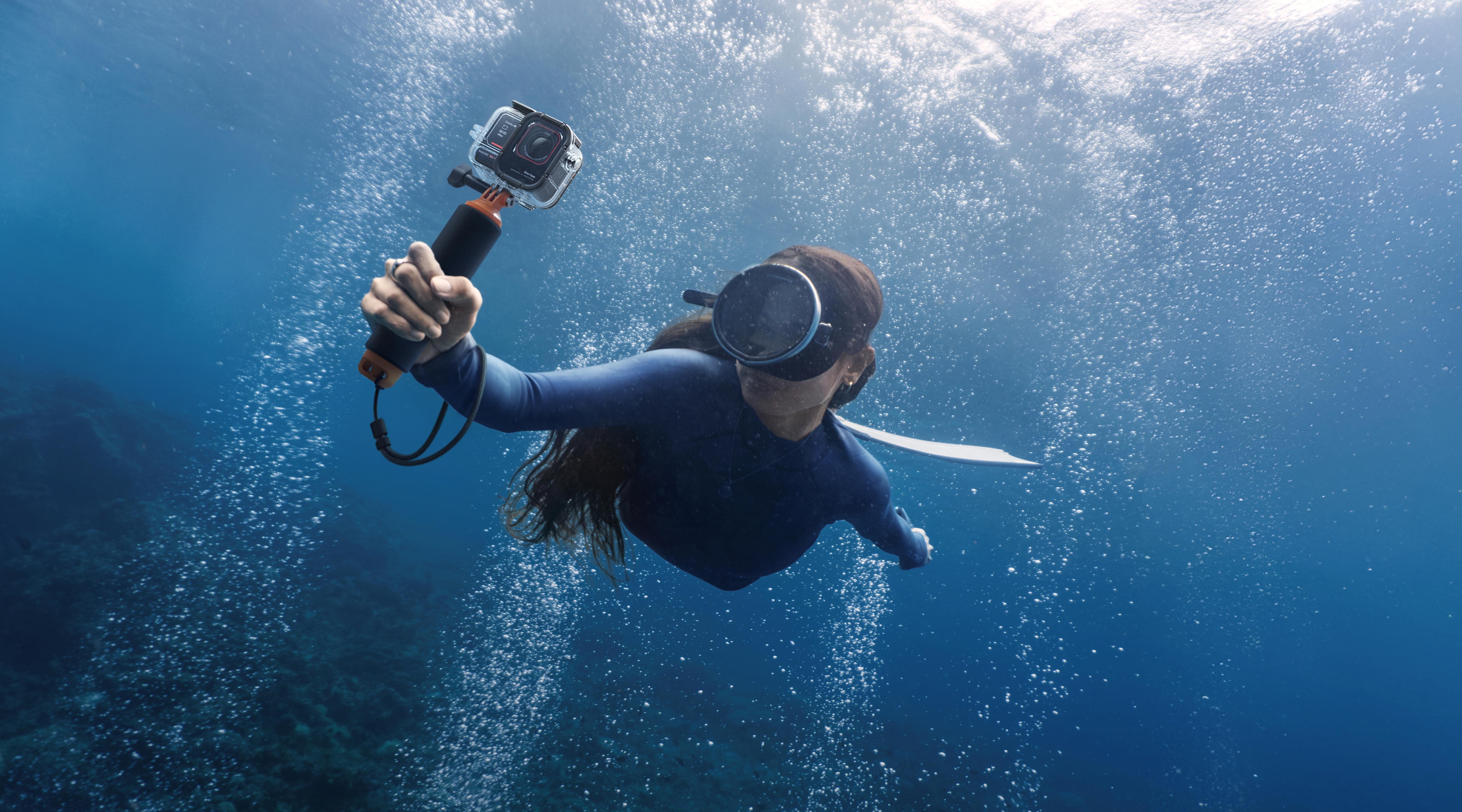
Unexpected rain showers, beach days, boat tours, and water sports all introduce conditions that can challenge your camera setup. This is another area where action cameras have a clear advantage. Many modern compact cameras are designed with waterproof capabilities that allow creators to keep shooting when conditions change. With gimbals, however, they might come with a basic IP rating or none at all.
Image Perspective
Insta360 Luna Ultra typically offers a more natural field of view that closely resembles human vision. This makes it particularly effective for travel vlogs, interviews, guided tours, and storytelling, where viewers should feel like they're walking alongside you.
Action cameras often take a wider approach. Wide-angle lenses can capture more of the environment, making them ideal for landscapes, outdoor activities, and immersive point-of-view footage. Instead of focusing solely on the subject, they help showcase the scale and atmosphere of a destination.
When a Compact Gimbal Camera Is the Better Choice
Not all travel experiences and vlogging needs come at full speed, with the threat of full water immersion and dangerous knocks. Here are some examples of when a gimbal might be a better option.
Walking City Tours
Historic districts, local neighborhoods, and vibrant downtown areas are ideal environments for gimbal cameras. The smooth footage helps viewers feel immersed in the experience while maintaining a polished, professional look.
Solo Travel Vlogging
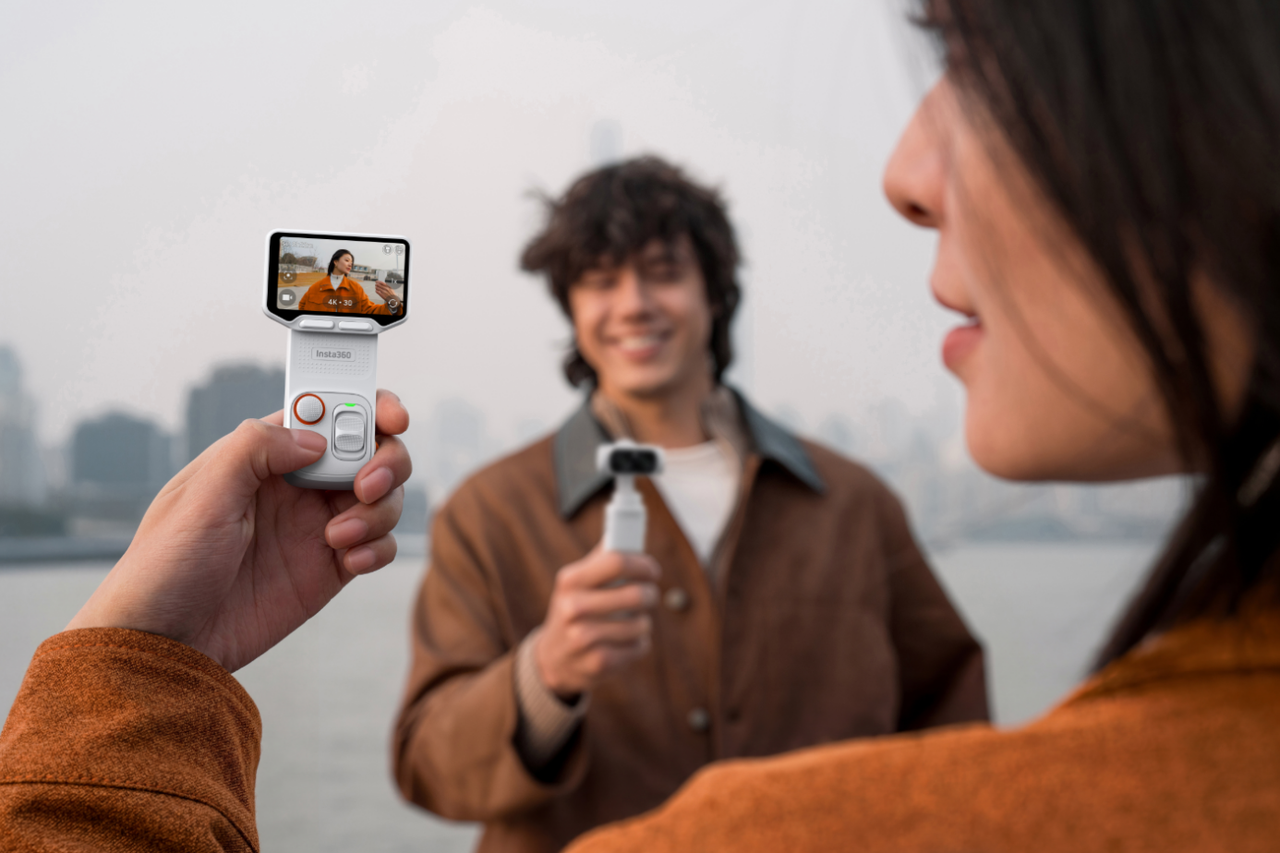
When you're traveling alone, simplicity matters. Insta360 Luna Ultra makes it easy to set up shots quickly, monitor framing, and record face-to-camera segments without carrying additional equipment.
Lifestyle and Cultural Content
Travel is often about the smaller moments. A morning coffee at a local café. Exploring a museum. Browsing a market. Watching a sunset from a rooftop.
When an Action Camera Is the Better Choice
Conversely, there are times when you need something built for action. Something that can handle the water and dust, take the hits, and keep filming throughout.
Hiking and Trekking
Long days on the trail require gear that's lightweight, durable, and easy to carry. Action cameras fit comfortably into pockets or mounting systems while remaining ready for spontaneous moments along the route.
Cycling and Road Adventures
Whether you're riding through mountain passes or exploring a new city on two wheels, action cameras can capture immersive perspectives that place viewers directly in the action.
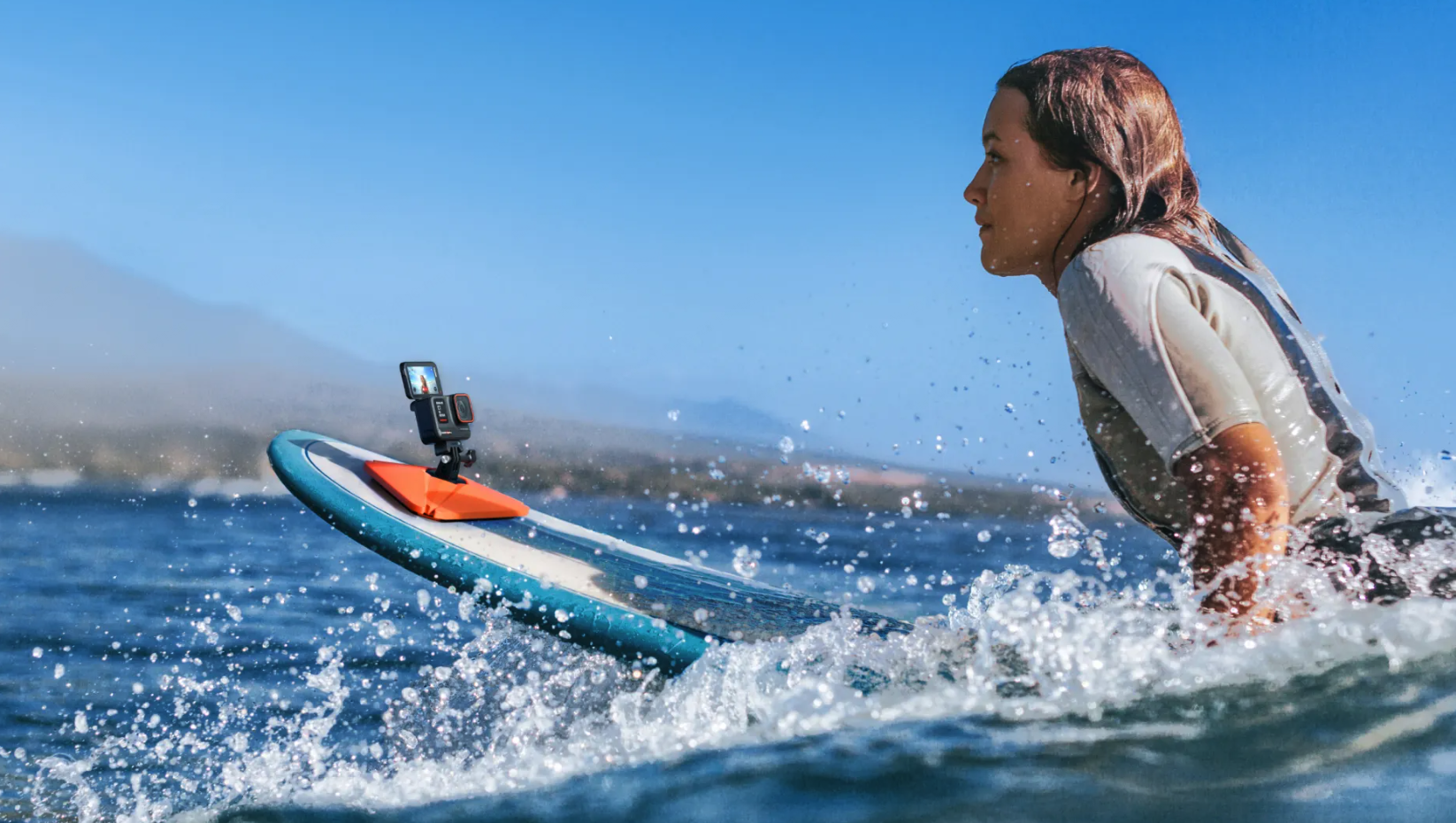
Water Activities
From paddleboarding and kayaking to snorkeling and beach travel, water-friendly designs make action cameras a natural companion for aquatic adventures.
Winter Sports
Snow, ice, and cold temperatures can be challenging for many types of equipment. Action cameras are designed to perform in demanding environments where traditional setups may struggle.
Can You Use Both? How Travel Creators Mix Camera Types
The best travel content often comes from a variety of cameras, allowing the creator to blend style and format. A compact gimbal camera can become your primary storytelling tool, ideal for walking narration, hotel tours, restaurant reviews, and destination guides where smooth footage and natural framing help create a more cinematic viewing experience.
An action camera can take over when the pace picks up. Adventure activities, hiking excursions, bike rides, water sports, and challenging weather conditions are all situations where durability and flexibility become more important than mechanical stabilization.
The Best Camera for Travel Is the One That Fits How You Shoot
Every trip is different, every video is unique, every story deserves to be told the right way. Some creators spend their days wandering historic streets, documenting local culture, and sharing personal travel stories.
Others chase mountain trails, dive into the ocean, or seek out experiences where durability and versatility matter most. The best camera for travel is the one that fits your style and your needs. It’s the one that lets you tell your story how you really want it told.
Frequently Asked Questions
Is a Gimbal Camera Worth It for Travel Vlogging?
For many travel vloggers, absolutely. A compact gimbal camera offers one of the easiest ways to create smooth, professional-looking footage without carrying a large setup. Walking shots feel more stable, camera movements appear more deliberate, and viewers can focus on the story rather than distracting shake.
Can Action Cameras Replace a Vlogging Camera?
In many cases, yes. Modern action cameras have evolved far beyond their original role as niche adventure devices. Today's models offer excellent image quality, advanced stabilization, compact designs, and features that make them highly capable vlogging tools.
Keen to keep up to date on Insta360 stories? Keep an eye on our blog and sign up for our mailing list. You can also contact our Enterprise team directly to see how 360 cameras can benefit your business.




%20(1).svg)


%20(1).svg)

.svg)