





















Nothing turns excitement into anxiety quite like arriving at the airport.
All of those holiday joys are suddenly replaced with fretting about security, lines, and overhead compartments on board. You should be raring to go, but the airport always puts you in check, especially if you’re traveling with cameras and their respective gear.
Aviation safety is a good thing; nobody is denying that, but for many, it can be overwhelming. The good news is that it doesn’t need to be. This guide breaks down essential tips for air travel with camera gear, from what you can bring on board to how to protect your equipment, your batteries, and the footage you worked so hard to capture.
What Counts as Camera Gear When Flying
Most of the issues surrounding camera gear and air travel come down to how airports and airlines classify camera gear. Here, the term can be vague, but it extends well beyond the camera body to include anything associated with photography or filmmaking.
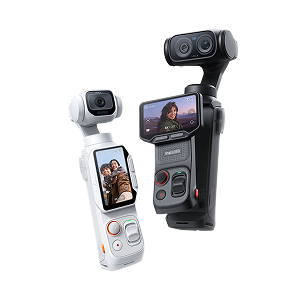
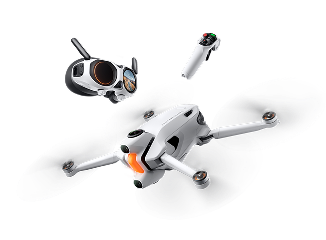
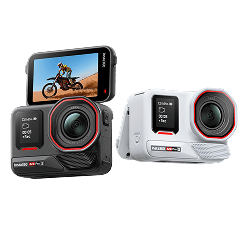
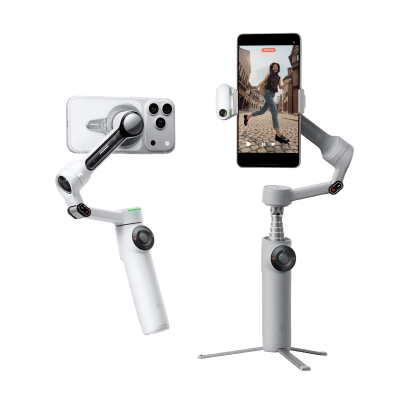
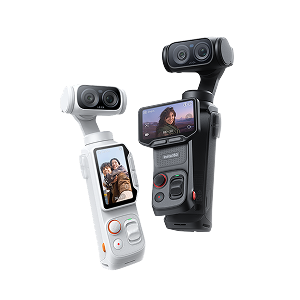
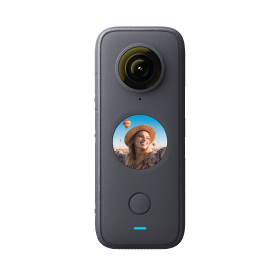
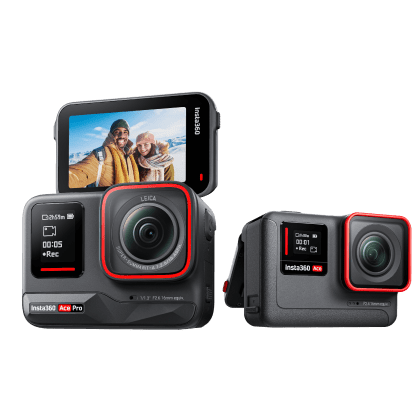
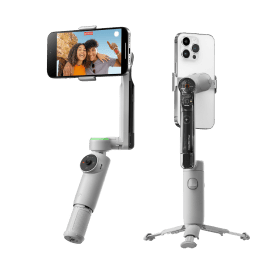
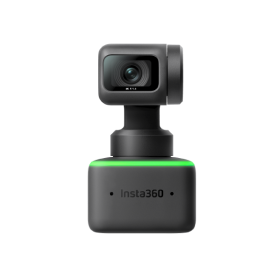
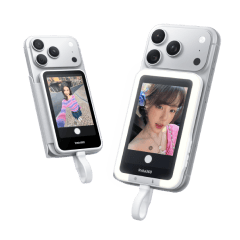
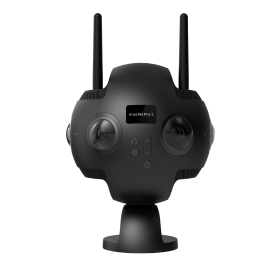
Camera gear typically includes cameras of all kinds, from mirrorless systems to action and 360 cameras, along with interchangeable lenses, lens filters, and mounts. Accessories like tripods, clamps, and handheld mounts are usually allowed, but their size and shape can attract extra screening. Chargers, cables, memory cards, and external storage also count, even though they often feel harmless.

Size is often the determining factor in whether something could, in theory, be used as a weapon. One issue that people sometimes run into is with lithium-ion batteries, power banks, and spare cells. These are technically considered camera gear, but regularly incur extra scrutiny.
Can You Bring Camera Gear on a Plane?
Yes, in most cases. In fact, airlines often encourage people to take camera gear on board because it reduces the risk of damage or theft, which certainly happens more than it should. Size matters, of course, and anybody trying to take on a 6-foot extended tripod is almost certainly going to be refused. But if it can all fit in a carry-on bag, you’re usually good to go.
What to Expect at Airport Security With Camera Gear
Walking towards airport security can feel like your first day at work. You’re nervous, sweating, and you just want it all to be over. Humans have a tendency to overthink things and catastrophize using the absolute worst-case scenario, but that rarely happens.
Airport security differs from location to location, but generally, you shouldn’t have any issues going through with a camera. However, try to ensure that everything is packed well and you don’t have wires poking out of bags.
You may be asked to remove electronic gear and place it in a separate tray, but you may still be asked to have your bag manually inspected. If this happens, stay calm. They’re just doing their jobs!
Do TSA PreCheck and Global Entry Help When Flying With Camera Gear?
Various trusted traveler programs can help speed up the process, with TSA PreCheck and Global Entry affecting U.S. travelers.
With TSA PreCheck, travelers are usually allowed to keep shoes, belts, and light jackets on, and laptops and small electronics can often remain in their bags. For camera gear, that means fewer unpacking steps and less time exposing equipment in crowded screening areas. This varies from airport to airport, but TSA PreCheck generally makes for a more relaxed experience.
Global Entry primarily speeds up U.S. customs processing when returning from international travel. While it doesn’t change outbound security rules, it can make re-entry smoother, which can be just what you need after that hellish red-eye flight.
How to Protect Camera Gear From Damage and Theft While Flying
First rule of protecting camera gear? The last thing you want to do is to arrive at your destination and have your travel camera in pieces.
Carry as much of it with you as possible. If you do need to check anything, put enough padding around it to protect a linebacker. Best case, you can take it on board, but just make sure your bag has plenty of internal padding. Don’t stack anything on top of it when you place it in the overhead compartments, and also be mindful that items can move, so try to sandwich it in.
When it comes to theft, awareness is key. Don’t leave anything lying around, and low-profile bags that don’t advertise expensive equipment attract far less attention than branded camera backpacks. Keep zippers closed, bags in front of you in crowded areas, and never leave gear unattended at gates or security checkpoints. Basic, obvious things, but it’s when the basics are ignored that vacation cameras suddenly go missing.
Flying With Camera Batteries, Chargers and Power Accessories
Nothing works without batteries, but they can be a travel issue. As a general rule, lithium-ion batteries and power banks must be carried in your carry-on, not checked luggage. This applies to spare camera batteries, charging cases, and portable power banks, though chargers themselves are usually exempt and can be checked. Before flying, it’s worth checking your airline’s battery limits, especially for higher-capacity power banks.
How to Protect Photos and Videos While Traveling
Protecting your gear is only half the battle; what about all of those amazing travel photos and videos? Here, a good routine for transferring photos from memory cards to an external hard drive or a cloud service makes a lot of sense. The longer images aren’t backed up; a theft or malfunction could spell the end for all your pictures and videos.
If you do have multiple memory cards, try to get into the habit of rotating them, which again lowers the risk of a significant loss if anything happens.
Why Compact Camera Systems Are Better for Air Travel
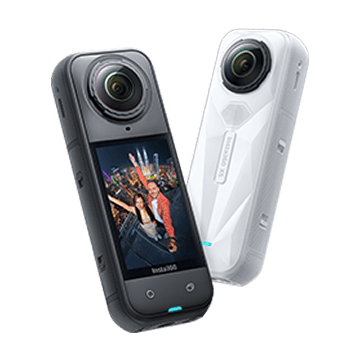
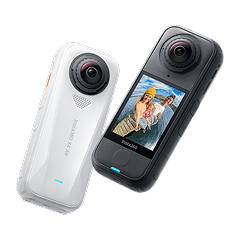
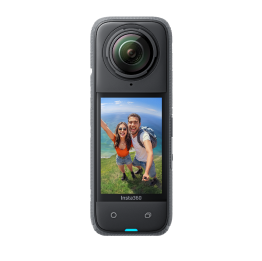
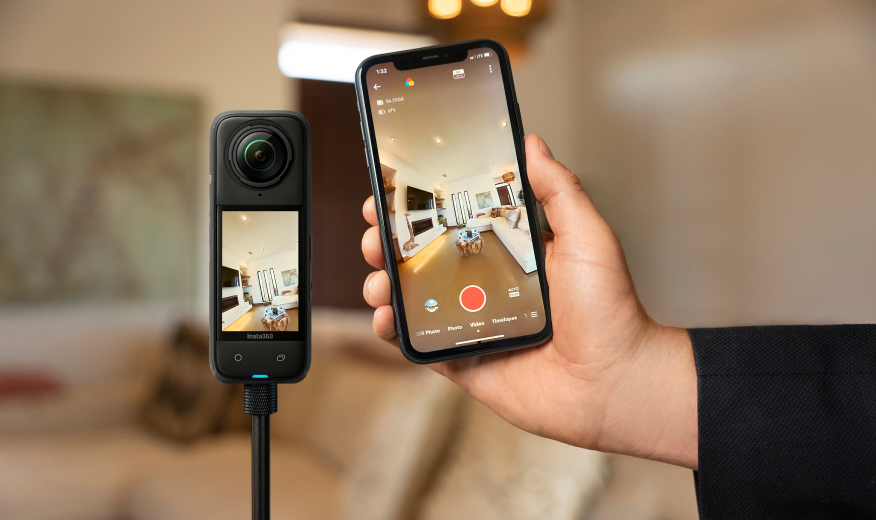
While a compact camera might not have the overall image quality of a muscular DSLR that requires two hands and a firm grip, when it comes to air travel, there’s no competition. Compact cameras, like Insta360 X5, are lighter, easier to store, and much less likely to draw attention from airport security.
There’s also a creative advantage. Lightweight systems make it easier to shoot spontaneously, whether that’s capturing a moment in a terminal, filming from a window seat, or documenting arrival without unpacking half your bag.
How to Build a Travel-Friendly Camera Workflow
A big aspect of getting high-quality content while traveling is establishing a productive, clear workflow.
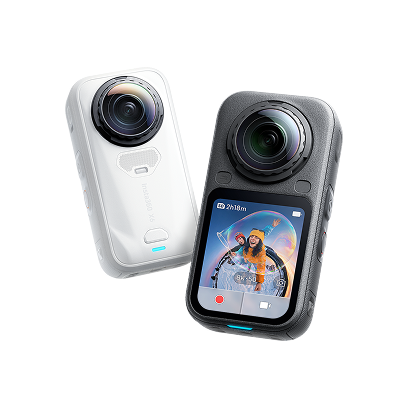
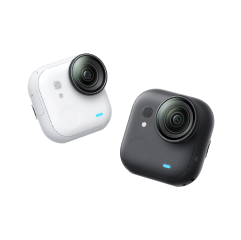
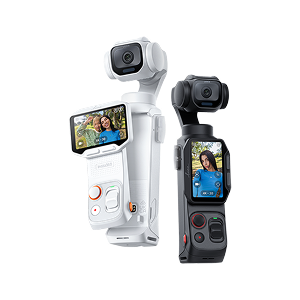
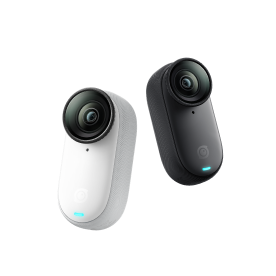
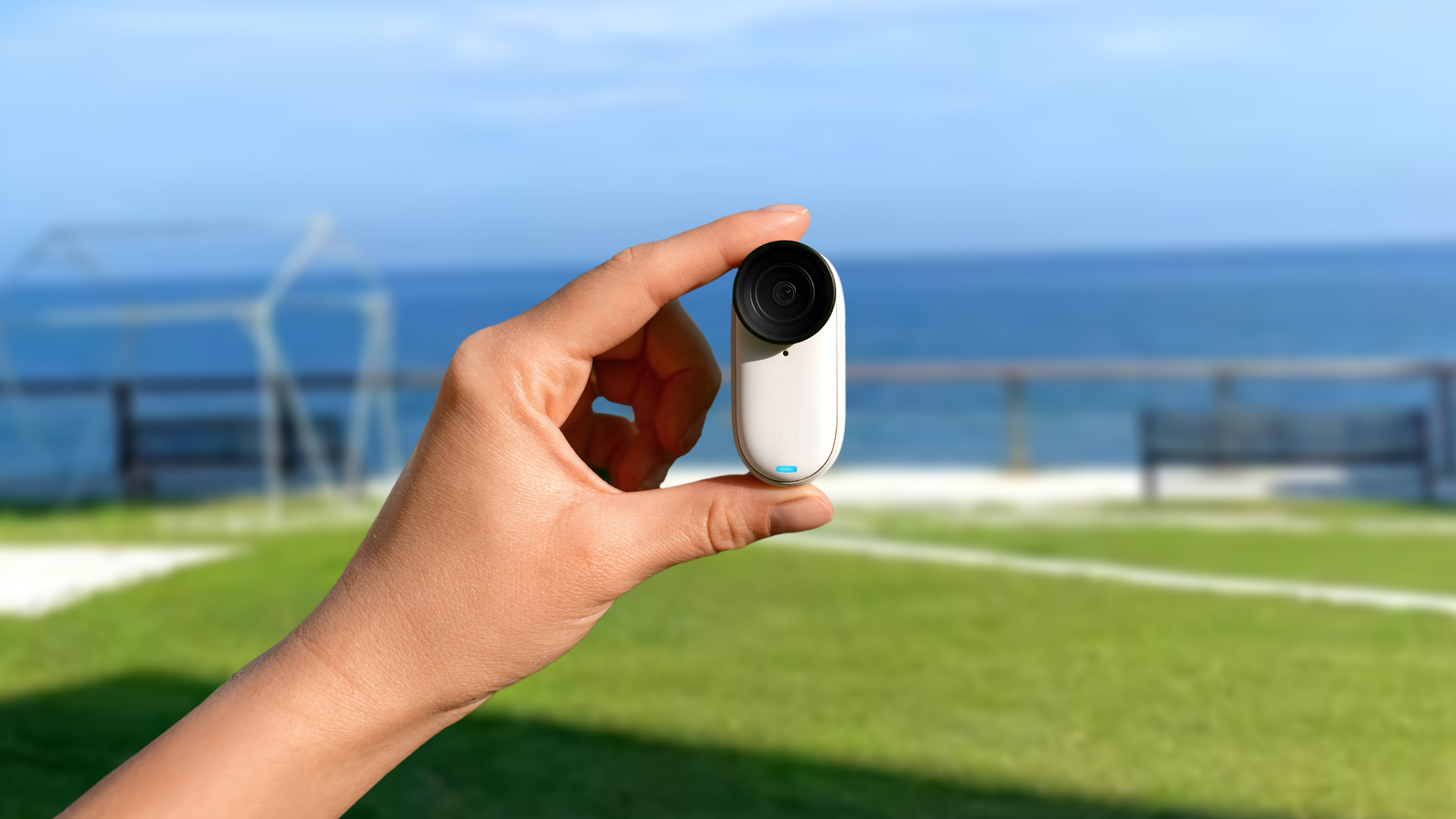
Before you leave, look at what you’re planning to take, and then ask yourself, “Do I really need that?” It’s easy to think the more, the merrier when you’re at home, and everything is laid out, but picture what it will all look like in your bag. Size most certainly matters, and something small like the Insta360 GO Ultra lets you capture your travel memories without the arm and backache.
Anything that isn’t really needed, leave it behind. Once traveling, try to get into a daily routine. Maybe you can clean and check batteries in the morning and transfer everything to your hard drive, and do a little editing in the evening. It doesn’t matter how or when you do things, but a simple pattern will help ensure everything gets done and the best pictures keep on coming.
Frequently Asked Questions
Can I Put Camera Gear in Checked Luggage?
You can check most camera gear, but we wouldn’t recommend it. Anything valuable and/or breakable should be placed in your carry-on whenever possible to reduce the risk of theft and damage.
How To Pack Camera Gear for Flying?
Carefully, cleanly, and well organized. Use padded dividers, keep heavier items away from lenses, and avoid stacking gear directly on top of each other. A well-organized bag is also much easier to get a security green light if it needs to be checked.
Can I Bring a Camera With Batteries on a Plane?
Yes, cameras with batteries are allowed on planes. Any additional loose batteries, particularly lithium-ion batteries, must be taken on board as most airlines prohibit them in the hold.
Which Batteries Are Not Allowed in Flight?
Most batteries are allowed on flights as long as they aren’t damaged. Very high-capacity lithium-ion batteries may also be restricted or banned, depending on airline rules, so always check before you fly.
Travel Smarter and Capture More With Insta360
Airports should be the place where excitement rises, not the place where fear and anxiety turn you into a nervous wreck. Many of us fret about rules, airport security, and airline procedures, but planning ahead, understanding regulations, and ensuring that camera gear is correctly packed should mean that the travel buzz kicks in much earlier than usual.
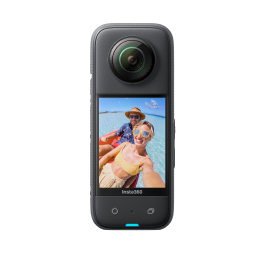
With flexible, travel-ready cameras that deliver outstanding quality, the Insta360 X5 is your perfect travel companion. Whether you’re hiking the Machu Picchu Trail, enjoying a Bordeaux wine tour, or carving perfect turns in the iconic Japanese snow, make sure you don’t miss a beat. And do it all in style!
Keen to keep up to date on Insta360 stories? Keep an eye on our blog and sign up for our mailing list. Got a story to share? Email yours to communitystories@insta360.com and win up to US$50.




%20(1).svg)


%20(1).svg)

.svg)