
















Motion is what brings a video to life. Whether you're filming a mountain bike descent, a travel vlog through a busy city, or a cinematic short film, the way motion appears on screen has a huge impact on the final result. But motion is motion, right? Well, not exactly.
One of the most important, but often misunderstood, adjustable settings for motion is shutter angle. Get it right, and you have a cinematic-worthy sequence.
What Is Shutter Angle?
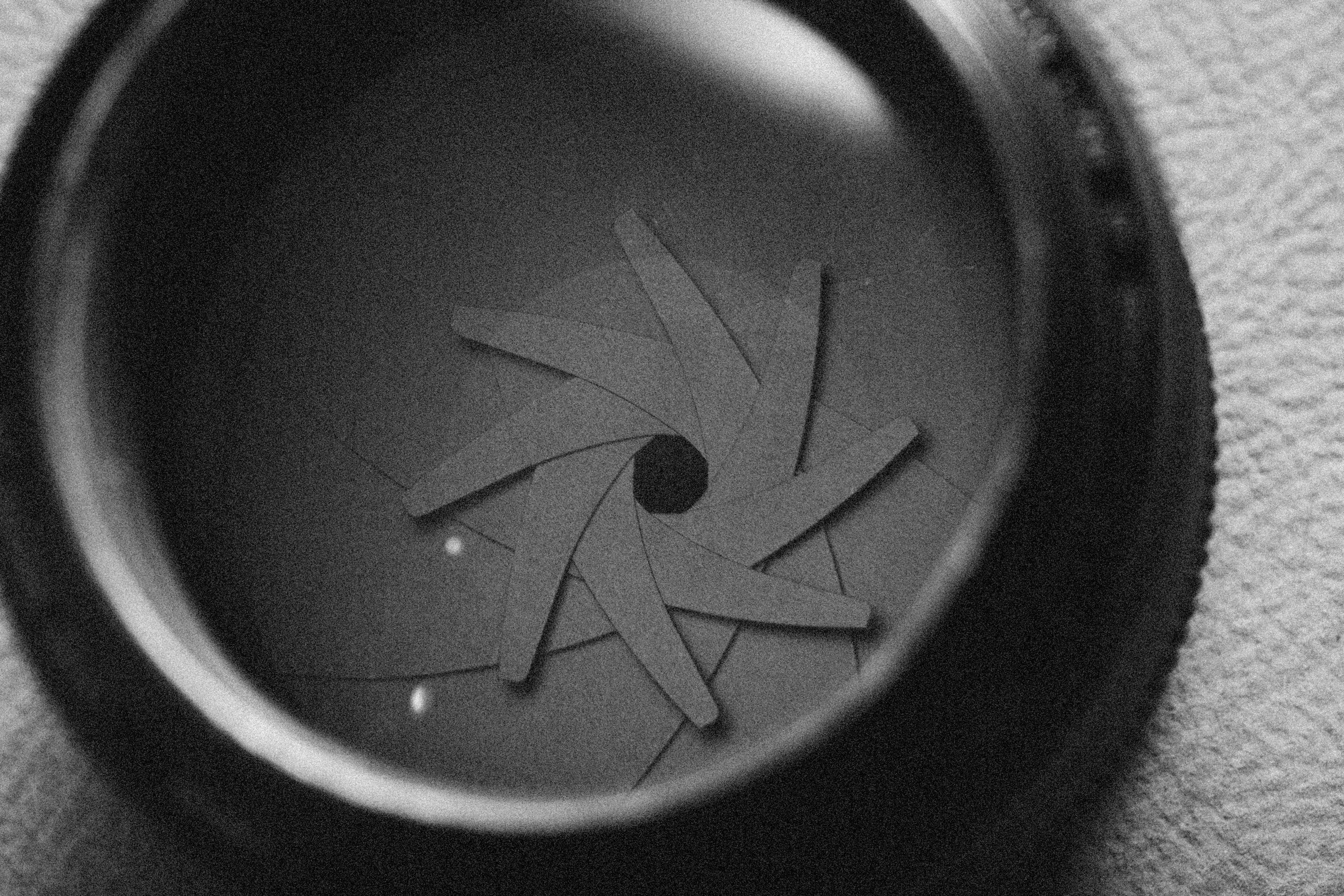
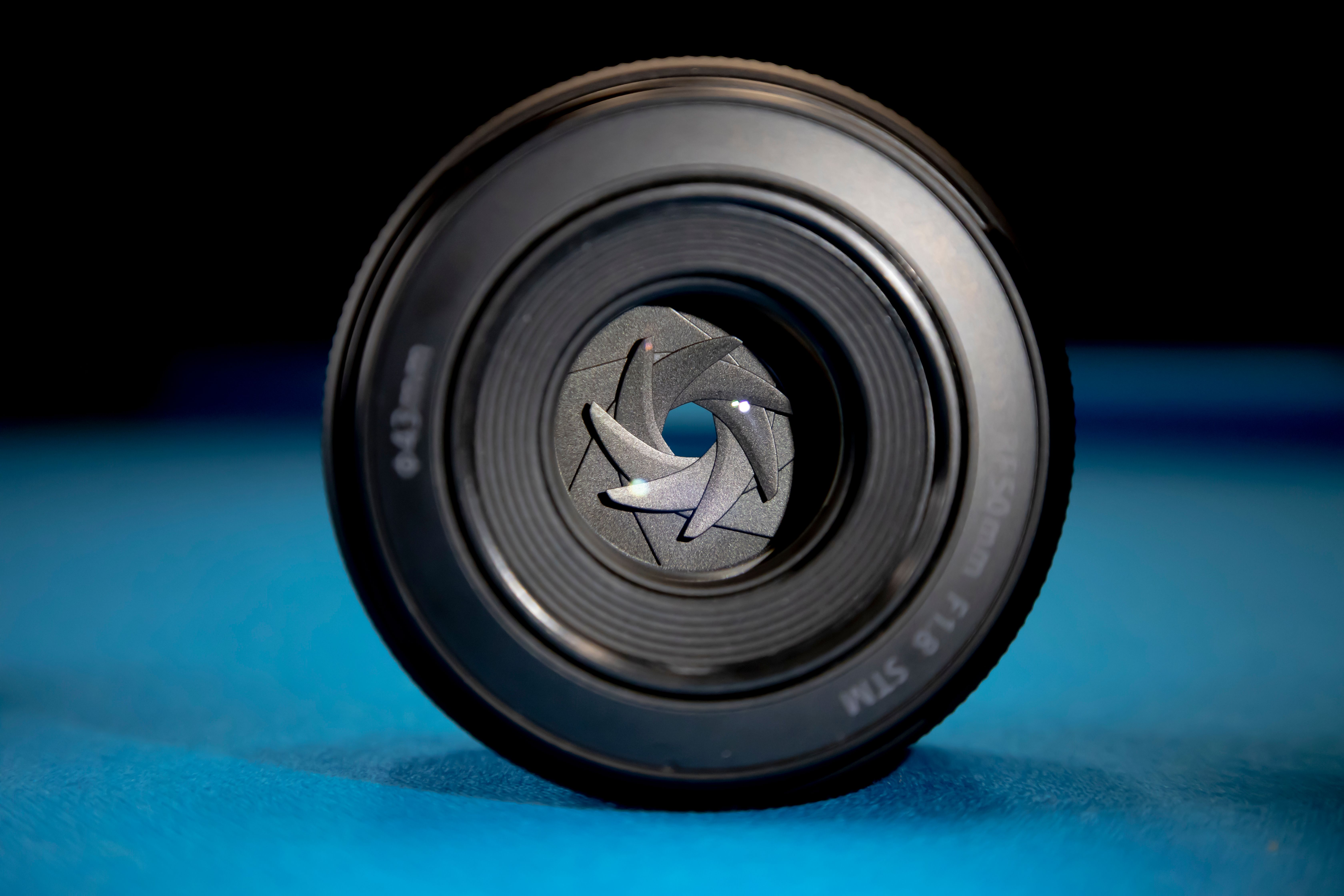
To explain shutter angle, let’s get a little technical. Inside traditional film cameras, there is a rotating disc that opens and closes to expose each frame of film. The size of that opening is measured in degrees, and that's where the shutter angle comes from.
Shutter angle determines how long each frame is exposed during recording. A wider angle creates more motion blur, while a narrower angle reduces blur and makes movement appear sharper.
Although modern digital cameras don't use physical rotating shutters, many still allow users to control shutter angle because it provides a more intuitive way to maintain consistent perceived motion across different frame rates.
The most common setting is 180 degrees, which has become the industry standard because it produces motion blur that feels natural and closely matches the look of traditional motion-picture film.
Shutter Angle vs Shutter Speed: What's the Difference?
You might be new to shutter angles, but you’ve probably already heard of shutter speeds. Both control how long light reaches the sensor, but each approaches it differently.
Shutter speed is measured in fractions of a second, such as 1/50s or 1/250s. Shutter angle is tied directly to frame rate, making it easier to maintain consistent motion blur when switching recording settings. For example, if you're shooting at 24fps using a 180-degree shutter angle, the equivalent shutter speed is approximately 1/48 second.
| Frame Rate | Shutter Angle | Equivalent Shutter Speed |
| 24fps | 180° | 1/48s |
| 25fps | 180° | 1/50s |
| 30fps | 180° | 1/60s |
| 50fps | 180° | 1/100s |
| 60fps | 180° | 1/120s |
| 120fps | 180° | 1/240s |
The advantage of shutter angle becomes clear when changing frame rates. Instead of calculating new shutter speeds every time, you simply keep the same angle and the camera automatically adjusts exposure duration.
The 180-Degree Rule Explained
The gold standard of cinematic motion begins with a simple principle: use a shutter angle of 180 degrees, equivalent to a shutter speed that is roughly double your frame rate.
When recording at 24fps, a 180-degree angle produces an effective shutter speed of roughly 1/48 second. The resulting blur feels natural, balanced, and familiar because it's similar to how traditional motion picture cameras captured movement for decades.
A narrower angle, such as 90 degrees, creates less blur and more staccato motion. Wider settings, such as 270 degrees, introduce heavier blur and softer movement. Neither approach is wrong, so it just depends on the style you’re looking for.
For most creators, the 180-degree rule serves as the best starting point because it delivers motion that feels natural to the viewer. Whether you're filming travel content, action sports, vlogs, or cinematic short films, maintaining a shutter angle close to 180 degrees helps create smooth, professional-looking footage.
Once you understand how different shutter angles affect motion blur, you can confidently break the rule (more on that shortly) to achieve specific creative effects while still staying in control of your image.
How to Set the Shutter Angle on Your Camera
Shutter angle settings vary from camera to camera, but usually follow the same basic process. First, switch to a shooting mode that allows manual exposure control. Many professional and even enthusiast-level cameras offer either shutter angle mode or manual shutter speed adjustment.
Next:
- Select your desired frame rate.
- Set shutter angle to 180 degrees.
- Adjust ISO and aperture for proper exposure.
- Use ND filters when shooting outdoors in bright conditions.
- Monitor highlights to avoid overexposure.
Camera quality plays a major role in achieving a cinematic look. High-definition cameras capture greater detail, cleaner motion, and better dynamic range, giving footage a more polished and professional appearance. This becomes especially noticeable when using techniques like the 180-degree shutter rule, where smooth motion blur and accurate exposure work together to create natural-looking movement.
Even in fast-paced or challenging lighting conditions, a high-quality camera helps preserve image clarity and visual impact.
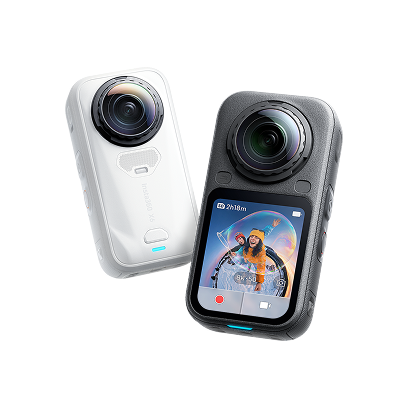
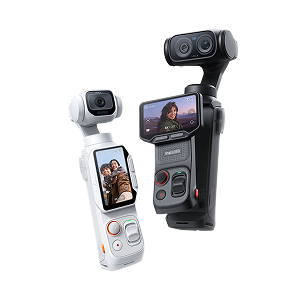
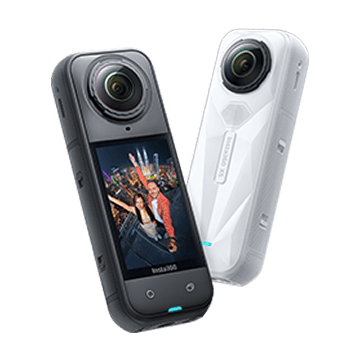
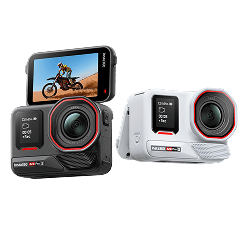
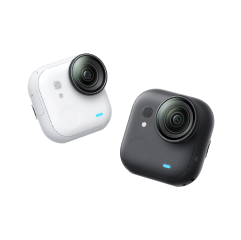
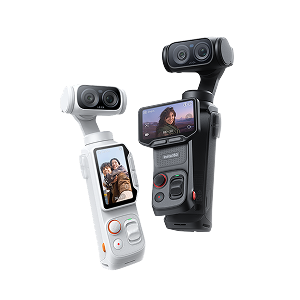
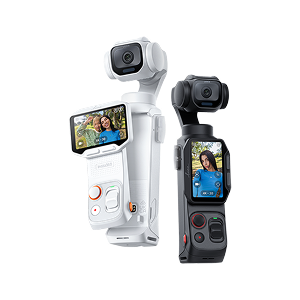
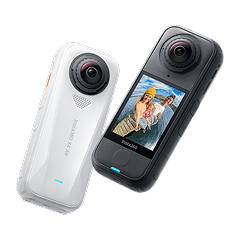
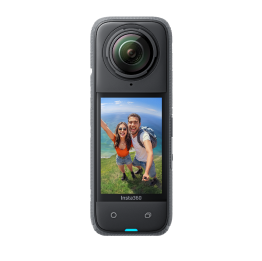
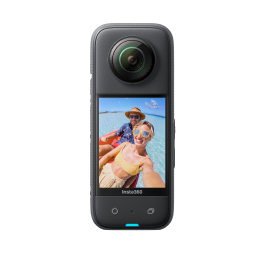
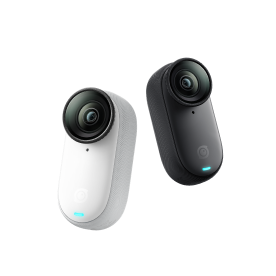
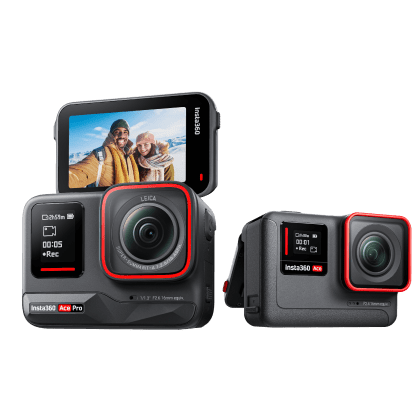
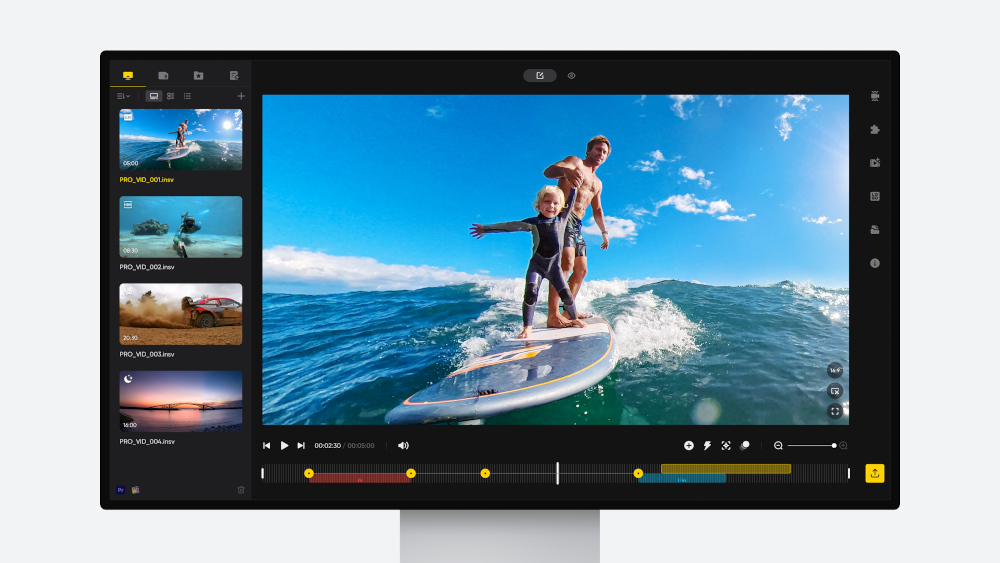
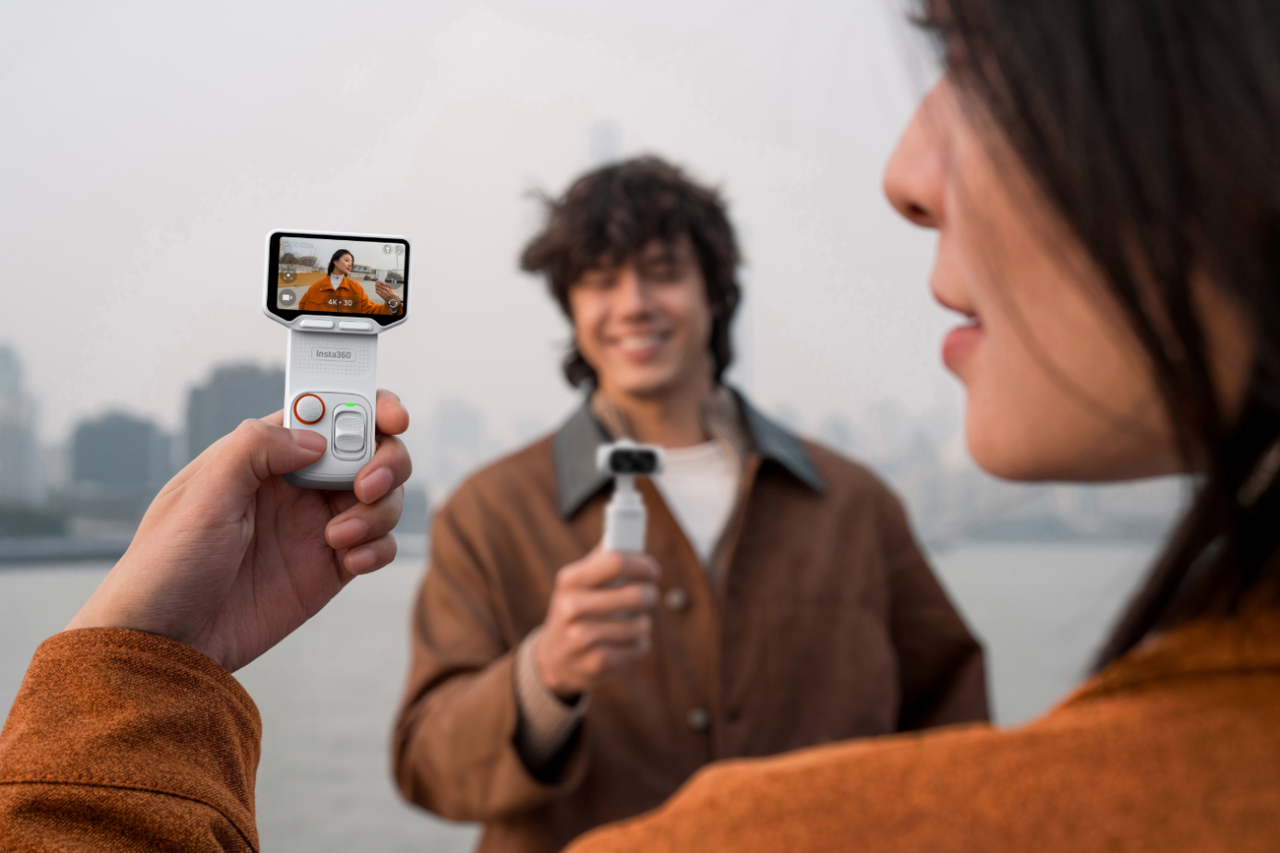
Many modern creators use compact action cameras such as the Insta360 X5, Insta360 Ace Pro 2, and Insta360 GO 3S to capture cinematic footage in challenging environments. These cameras provide extensive manual controls while remaining portable enough for travel, action sports, and everyday storytelling.
When to Break the 180-Degree Rule
The American Five-Star General Douglas MacArthur famously said, “Rules are made to be broken.” So after laying out why the 180-degree rule is so important, let’s look at when to break it and why.
Firstly, keep in mind that sections filmed with different shutter angles will have a very different look from others. And that’s fine if they’re supposed to stand out, but chopping and changing for no reason can easily feel disjointed for viewers.
Use Narrower Angles for Intensity
Action sequences often benefit from settings between 45 and 90 degrees. The reduced blur creates sharper movement and a more aggressive visual style. The famous battle scenes in films like Saving Private Ryan helped popularize this approach.
Common uses include:
- Extreme sports
- Fast-paced action
- Combat sequences
- High-energy commercial content
For action cameras, you might want to consider using a narrow angle for:
- Mountain biking descents
- Motocross
- Ski racing
- Parkour
Use Wider Angles for Dreamlike Motion
Settings above 180 degrees increase blur and soften movement. This additional blur adds a sense of fluidity that can feel immersive or surreal depending on the subject matter.
This can create:
- Dream sequences
- Night scenes
- Atmospheric storytelling
- Experimental visuals
A good example of this effect can be seen in dreamlike sequences from films such as Inception, where movement often feels fluid, immersive, and slightly detached from reality.
While cinematographers use multiple techniques to achieve this look, increased motion blur from wider shutter angles can help create a similarly surreal atmosphere that draws viewers deeper into the scene.
For action cameras, you might want to try wider angles for:
- Campfire scenes
- Northern lights
- Foggy forests
- Nighttime city walks
The key is intentionality. Don't change the shutter angle randomly, and only adjust it to support the emotion and energy of the scene you're capturing.
Shutter Angle and ND Filters
Neutral density filters act like sunglasses for your lens and reduce the amount of light entering the camera without affecting color. By lowering incoming light, ND filters allow you to keep your preferred shutter angle while maintaining proper exposure.
This is particularly important if you’re filming a scene in bright sunshine. You might want to maintain a 180-degree shutter angle at 24fps, but the amount of light means the sequences will be completely overexposed. The answer is quick and simple. Attach an ND filter, and you’re good to go.
You might also find it useful when shooting:
- Snow-covered landscapes
- Beaches
- High-altitude environments
Many professional cinematographers rely on ND filters because they preserve creative control instead of forcing faster shutter speeds.
Get the 180-Degree Rule Right for Cinematic Footage Every Time
Great cinematic footage doesn’t come about by chance. It requires precision, practice, and plenty of patience. Shutter angle may seem like a small camera setting, but it has a huge influence on how motion feels in your videos.
From the natural movement of the 180-degree rule to the sharper intensity of narrower angles and the dreamlike softness of wider settings, understanding shutter angles gives you greater creative control over every shot.
Whether you're capturing action sports, travel adventures, wildlife encounters, or creative storytelling projects, cinematic-style footage is not only possible with Insta360 cameras, it’s remarkably straightforward. And when it all comes together, you’ve got something fit for the big screen.
Frequently Asked Questions
How Important Is the Shutter Angle?
Shutter angle has a direct impact on motion blur and overall image feel. While viewers may not consciously notice it, they'll often sense when motion appears too sharp or unnaturally blurry. Maintaining an appropriate shutter angle helps create footage that feels polished and professional.
What Is the Best Shutter Angle for Cinematic Video?
For most situations, 180 degrees remains the preferred choice. It provides natural-looking movement and works well across frame rates, genres, and shooting environments. It's the standard used throughout much of the film and television industry.
What Is the Formula for Shutter Angle?
The relationship between shutter angle, frame rate, and shutter speed can be calculated using the following formula:
Shutter Speed = 1 ÷ (Frame Rate × (Shutter Angle ÷ 360))
At 24fps and 180 degrees:
1 ÷ (24 × 0.5) = 1/48 second
This calculation explains why a 180-degree shutter angle always results in a shutter speed that is approximately double the frame rate denominator.
Keen to keep up to date on Insta360 stories? Keep an eye on our blog and sign up for our mailing list. You can also contact our Enterprise team directly to see how 360 cameras can benefit your business.




%20(1).svg)


%20(1).svg)

.svg)