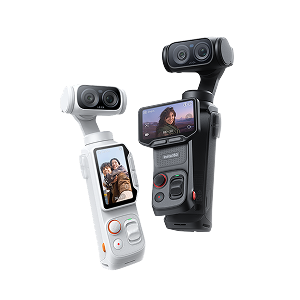
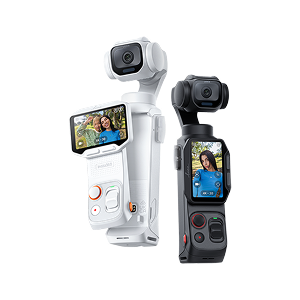

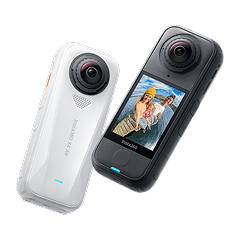
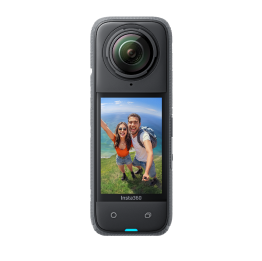
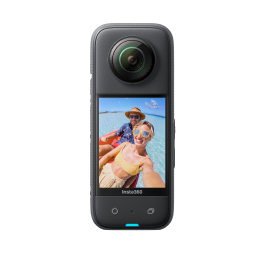
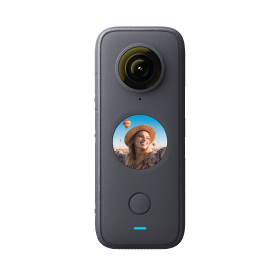
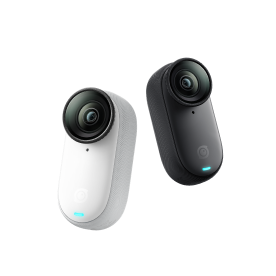
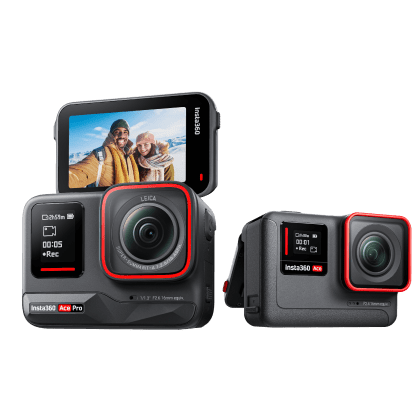














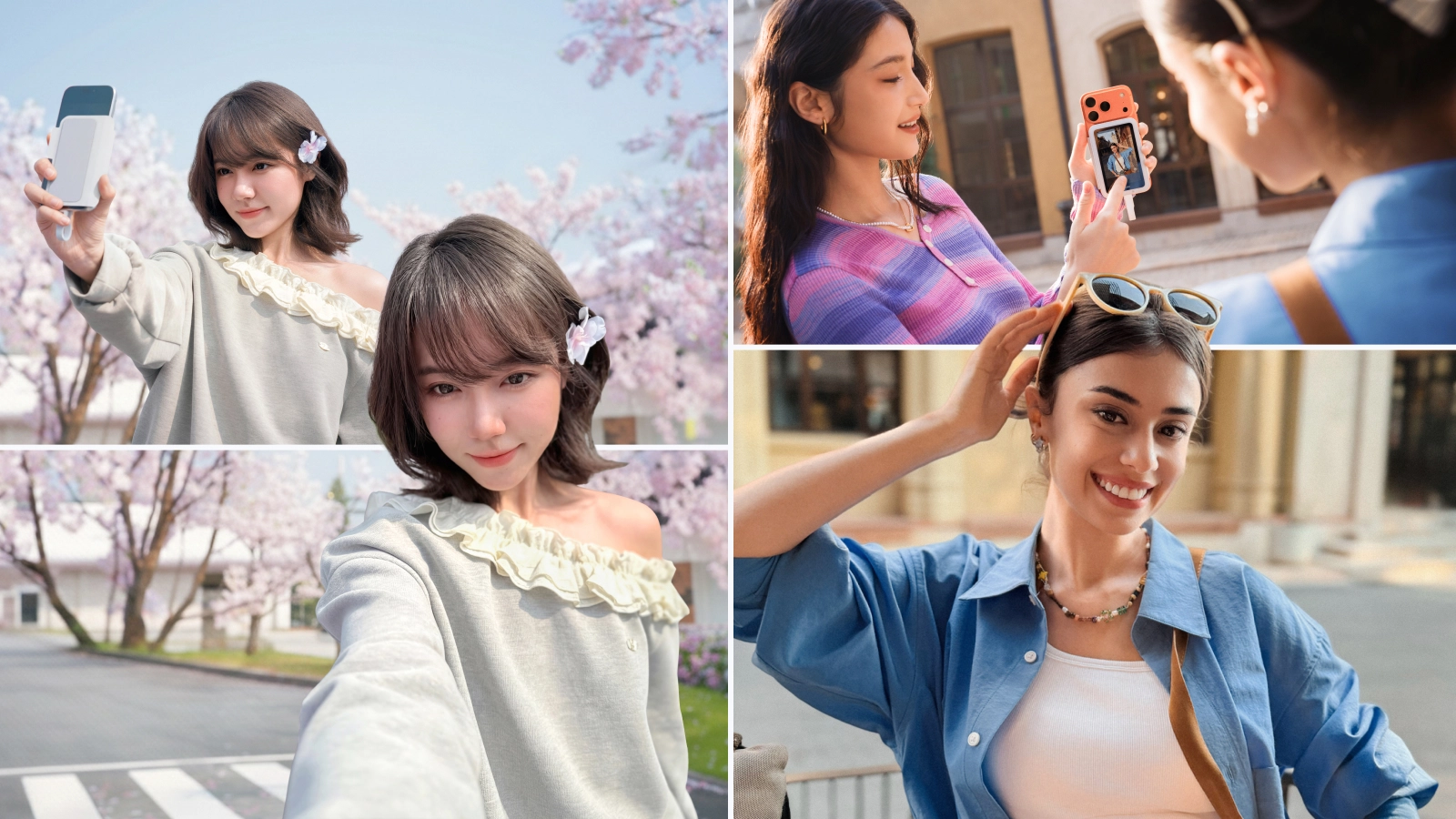


How many selfies have you taken over the years that look just a little off? It might be that your nose looks strange, the colors aren’t quite right or the whole image just looks flat and lifeless. Front cameras are perfect for selfies because you can frame yourself before taking the shot, but they do come with trade-offs. Rear cameras, on the other hand, are awkward for selfies, but if you can get it right, they will almost always deliver a better image.
Why Rear Cameras Usually Deliver Higher Quality Selfies
The mechanics behind why rear phone camera selfies are better are simple: the camera is better in most cases. On most devices, front-facing cameras use smaller sensors, lower-quality lenses and less advanced image processing than rear-facing cameras. The difference isn’t always huge, and front cameras are often still superb, but for the best selfie possible, turning the camera around usually delivers better results.
When Using the Rear Camera Makes the Biggest Difference
The difference in camera technology makes the rear camera superior for most shots, but there are a few cases where the gap between the front and rear cameras becomes substantial.
Distant Subjects, Group Shots and Detailed Backgrounds
The moment you have more than one person in the shot, the rear camera is the logical choice. Wider lenses and higher-resolution sensors reduce distortion in group shots, especially around the edges, where blurring can occur with front cameras as they stretch faces or blur details.
If you’re taking a selfie with a complex background—a vast landscape or a city skyline—rear cameras are significantly better at holding fine detail without flattening the image. You may be the most important part of the photo, but that sweeping Tuscan landscape should feel alive and rich, too.
Low Light Situations Where Front Cameras Struggle
With better sensors, it’s no surprise that front cameras struggle more in low-light situations. They rely heavily on noise reduction and smoothing to compensate, which often results in murky shadows, smeared detail and skin tones that lose their vitality.
Rear cameras can gather much more light and rely less on aggressive noise reduction. The result is crisper images, better color accuracy and faces that retain natural depth and dimension.
Common Front Camera Limitations and How to Reduce Them
Front cameras have their place. On a high-end smartphone, they can still produce excellent results. Understanding their limitations makes it easier to work around them.
The smaller sensor is the biggest limitation. Front cameras are designed to work at arm’s length, which means less light reaches the sensor. Less light leads to more noise and distortion.
Another limitation is fixed focus and a narrower field of view. These cameras are designed for quick, single-person shots. Add more people or a busy background, and image quality can suffer.
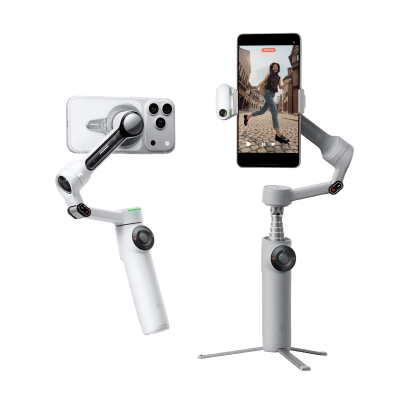
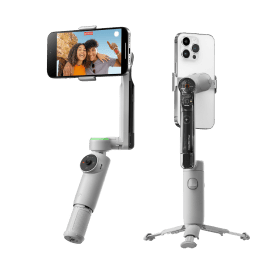
While these limitations can’t be eliminated, they can be reduced. Shoot in good, even lighting whenever possible. Extend the camera farther away to reduce facial distortion. Keep movement to a minimum to improve clarity and, when possible, use a smartphone stabilizer.
How to Frame Rear Camera Selfies With Confidence
The rear camera clearly wins on quality, but it comes with one big drawback—you can’t see yourself. That often leads to repeated attempts until the framing is finally acceptable.
Rear camera framing works best when you think wider and move with intention. Leave extra space around the frame. You can always crop later, but you can’t recover what wasn’t captured.
Using Live Preview Tools and External Monitors
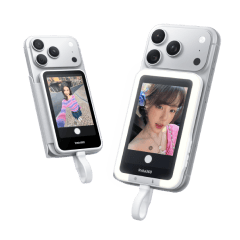
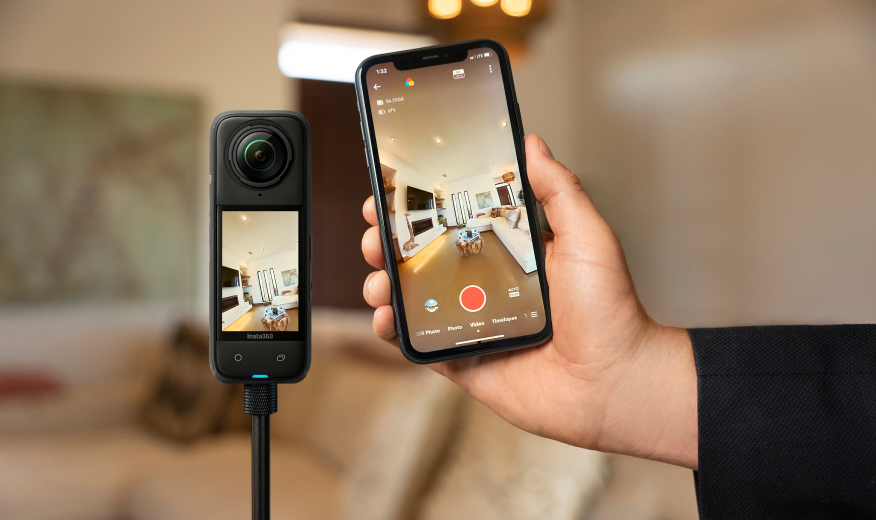
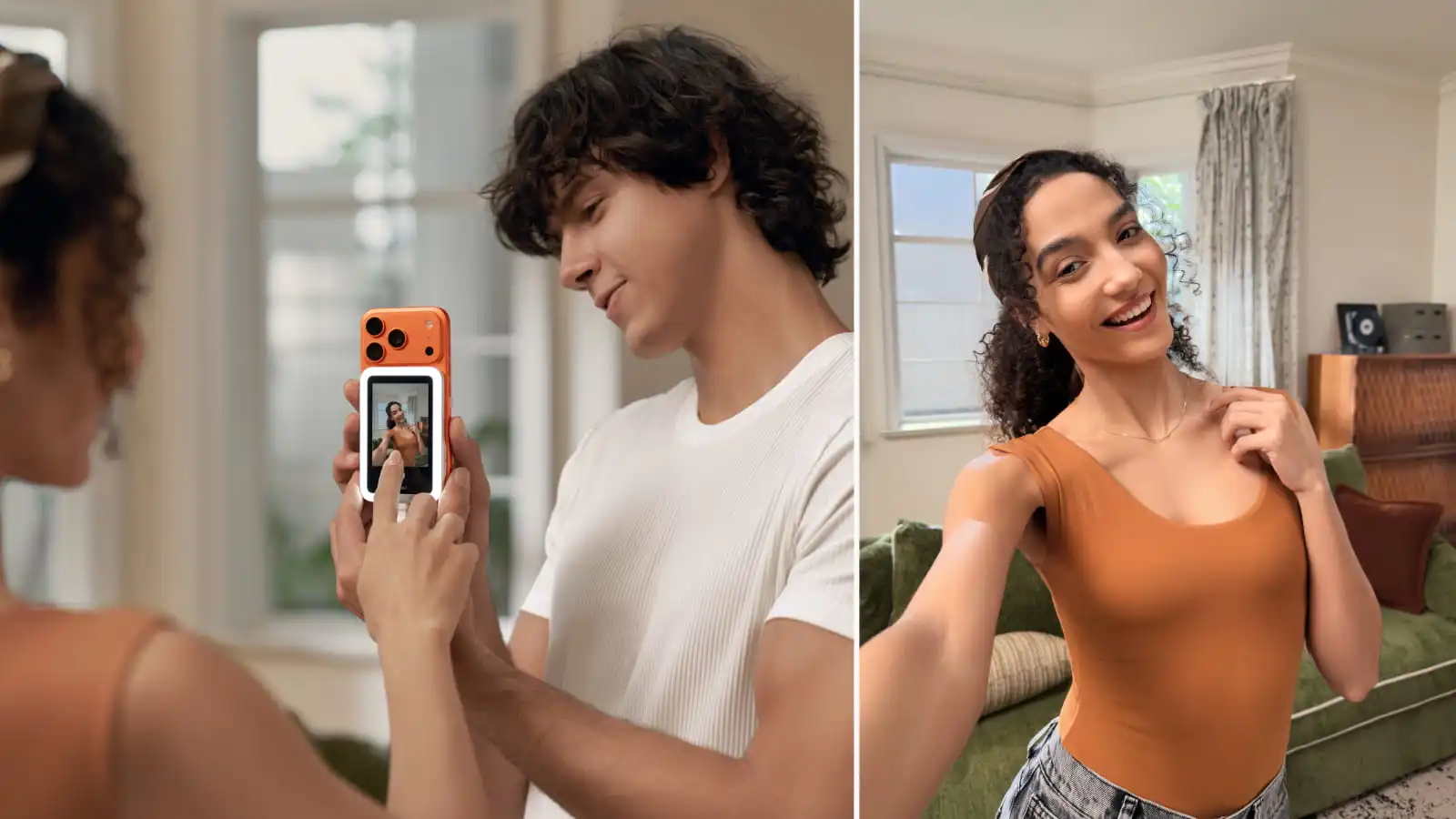
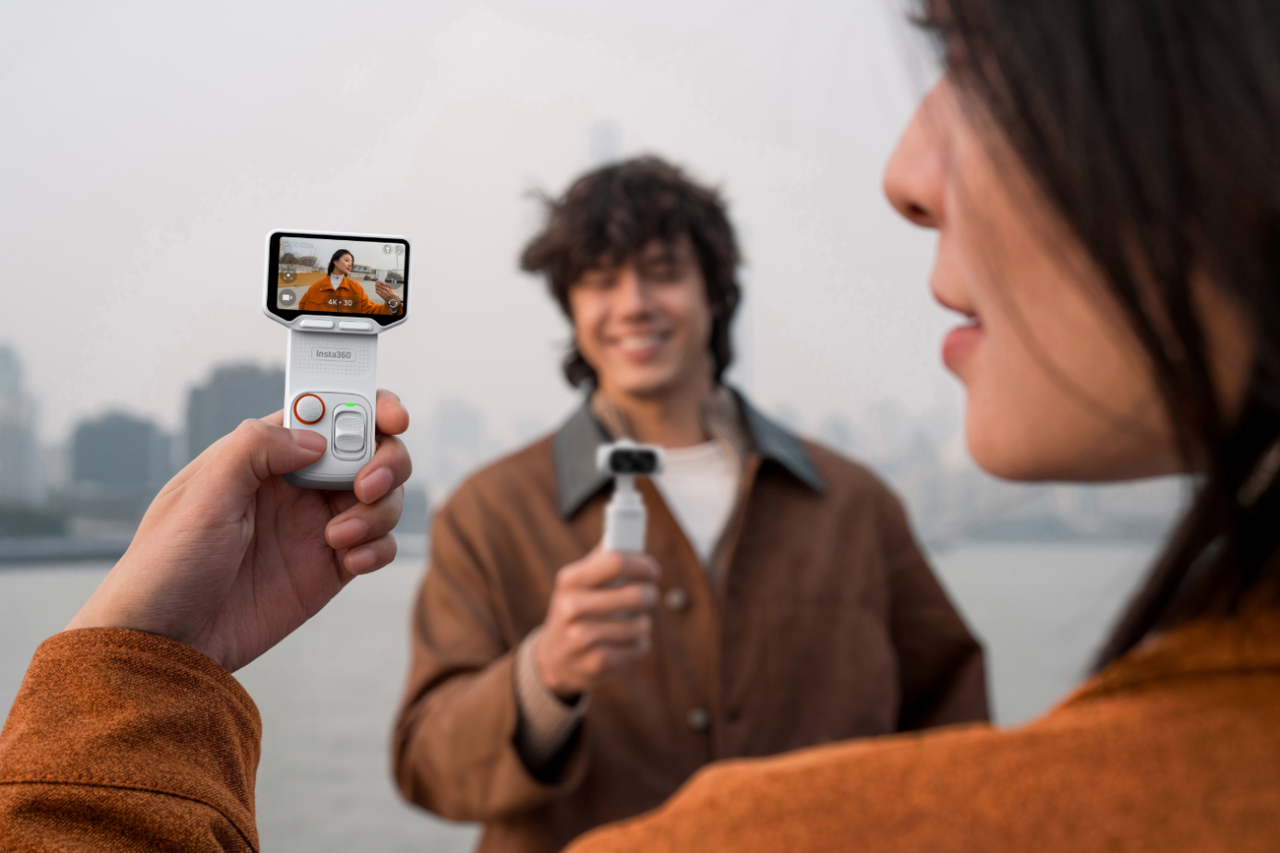
Live preview tools like Insta360 Snap solve most rear-camera framing problems by giving you a clear view of the shot.
To get the best results:
- Use environmental references like door frames, windows or horizons to stay centered.
- Record short clips instead of single photos so you can choose the best frame later.
- Frame wider than needed and crop afterward for precise composition.
For more tips and a deeper explanation of why a selfie monitor matters, check out our guide on why you need a selfie monitor screen.
What Modern Camera Tech Changes the Rear vs Front Debate
This debate has existed since smartphones became mainstream. Either use the front camera and accept lower sensor quality or use the rear camera and deal with awkward framing. Modern camera technology has changed that equation.
Stabilization, Tracking and Wide-Angle Coverage
Advanced stabilization reduces shake and improves image quality, especially in lower light. Subject tracking is another major leap forward. When the camera tracks movement automatically, framing becomes far less critical. Wide-angle lenses capture more of the scene, reducing the need to stay perfectly positioned.
How 360 Cameras Simplify Framing and Movement
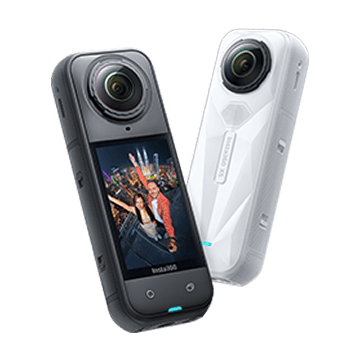
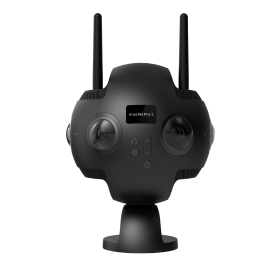
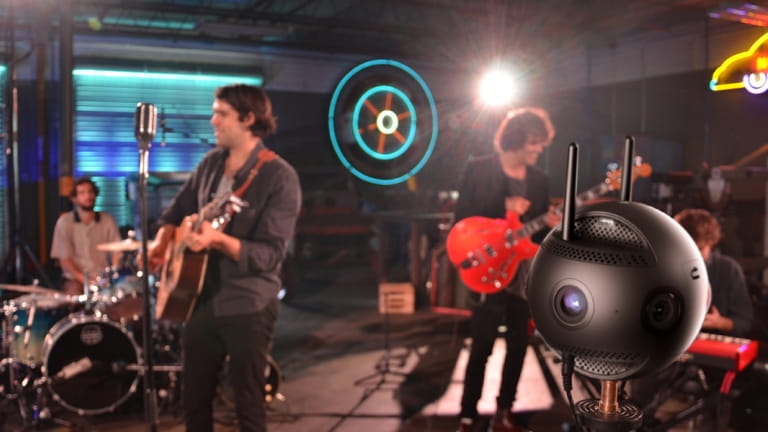
This is where 360 cameras have completely changed how selfies are taken. Instead of choosing lenses and angles before shooting, everything is captured at once. The best angle is selected afterward.
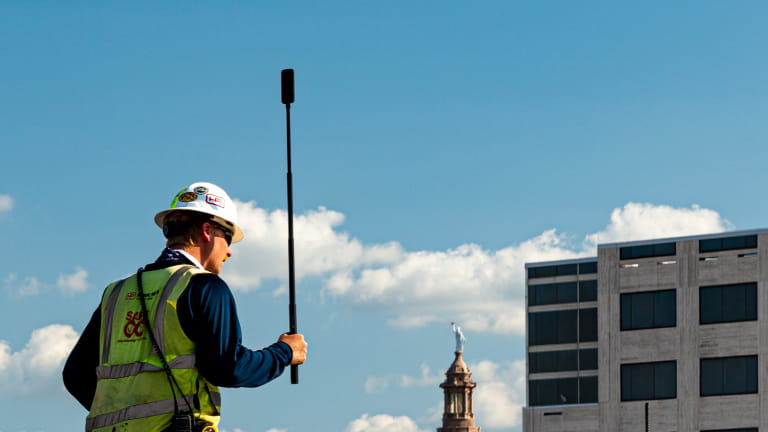
Using a 360 camera with an invisible selfie stick removes the pressure of perfect framing. It’s like capturing multiple takes from every possible angle in a single shot.
Frequently Asked Questions
Why Do Rear Camera Selfies Look Sharper Than Front Camera Selfies?
Rear camera selfies look sharper because rear cameras use larger sensors and higher-quality lenses. They handle light more effectively, process color more accurately and rely less on heavy image processing.
Is the Front Camera Good Enough for Social Media Selfies?
In most cases, yes. Front cameras work well for casual social media content shot in good lighting. Their limitations become more noticeable in low light or complex scenes.
How Can You See Yourself When Using the Rear Camera?
Seeing yourself while using the rear camera requires a live preview or a mirroring tool mounted on the back of the phone that displays the camera feed—this is exactly where Insta360 Snap comes in. Designed to attach seamlessly to your phone, it provides a real-time preview while you shoot, making it easier than ever to frame perfect selfies using your rear camera.
Do 360 Cameras Replace the Need for a Front Camera?
For many creators, yes. 360 cameras remove the front-versus-rear decision by capturing everything at once. This allows complete freedom of movement without worrying about framing or lens quality.
Ready to Discover Better Selfies and Videos With 360 Cameras?
The front vs rear camera selfie debate has gone on long enough, and both options have limitations. With Insta360 Snap, there’s no need to choose. Every angle is captured at once, giving you the freedom to relax and focus on creativity instead of equipment.
Ready to take selfies to the next level? Go 360 with Insta360 and change how you see yourself.
Keen to keep up to date on Insta360 stories? Keep an eye on our blog and sign up for our mailing list. You can also contact our Enterprise team directly to see how 360 cameras can benefit your business.




%20(1).svg)


%20(1).svg)

.svg)