














-tuya.jpg)


Hands are important. If you’ve ever tried to shoot content from your perspective, you’ll quickly realize how much you need them. Whether it's for gripping ski poles as you hurtle down a slope or those handlebars as you tear down the trail, who's got time to hold a camera?
But if you’ve kept an eye on the news, you’ll know that capturing the world from your point of view has never been easier, with wearable tech evolving at a rapid pace. The two standout options right now are POV cameras and POV glasses.
Each offers unique strengths, from high-quality action shots to discreet, hands-free recording, but which one fits your needs best?
What Is a POV Camera?
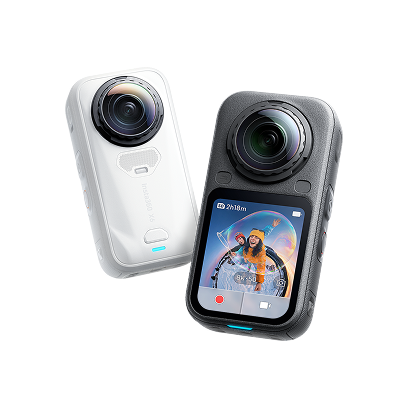
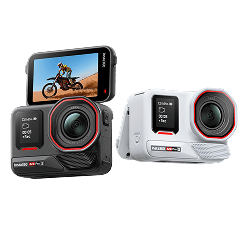
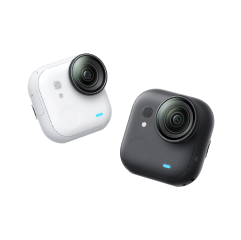
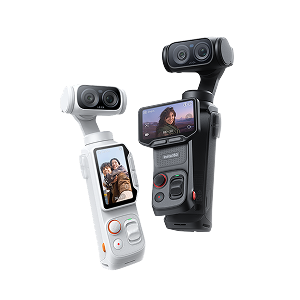
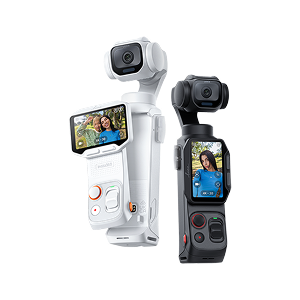
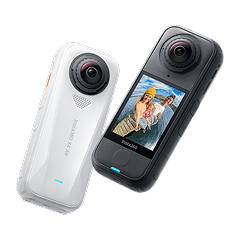
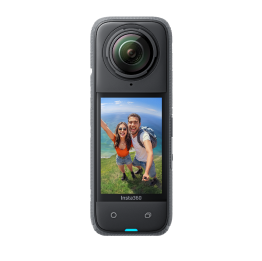
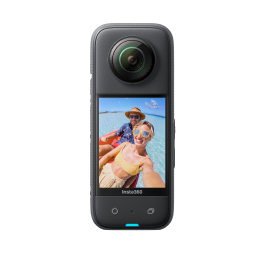
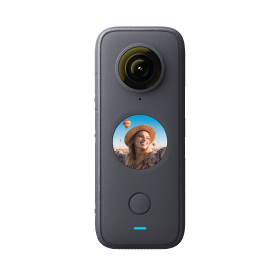
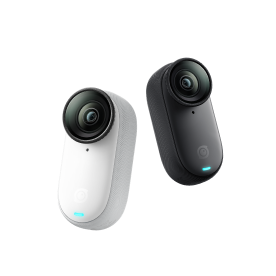
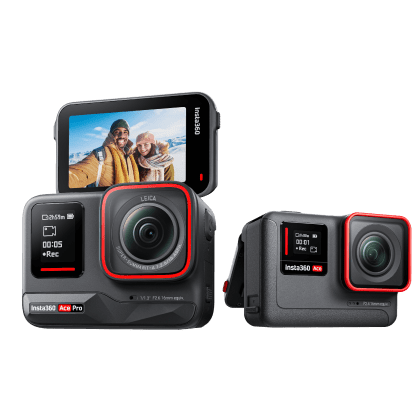
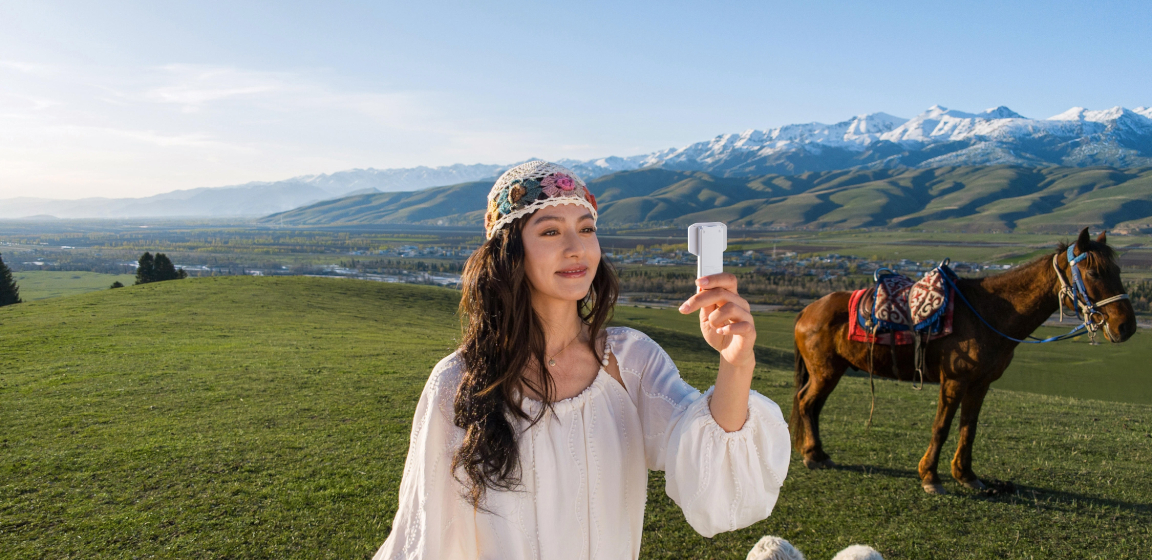
A POV (point-of-view) camera, such as the Insta360 GO Ultra, is a small, portable device designed to capture video from your point of view. They’re usually worn on the body, mounted to gear, or handheld, making these cameras huge favorites for action sports, travel vlogging, and creative projects where immersive footage matters.

They often feature wide-angle lenses, robust stabilization, and high resolutions, perfect for viewers who want to feel like they’re right in the thick of the action with you.
POV cameras give creators control over framing, quality, and creative settings. Many models also include slow motion, time-lapse, and high-dynamic-range modes making them versatile for multiple shooting scenarios.
Pros
- High-Quality Video – Many offer high resolutions, capturing fine detail for cinematic results.
- Advanced Stabilization – Smooths out movement for professional-looking footage, even in action-heavy scenarios.
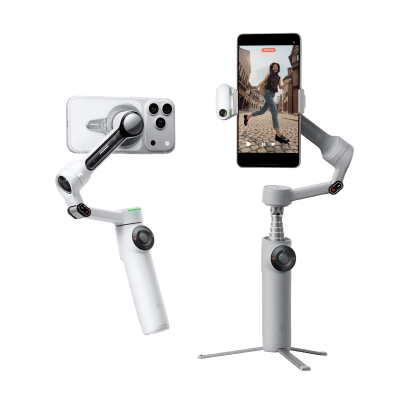
- Mounting Versatility – Can be attached to helmets, tripods, chest straps, or even handheld grips for different angles.
- Feature-Rich – Modes like slow motion, hyperlapse, and HDR expand creative possibilities.
Cons
- Setup Time – Mounting and positioning can require extra preparation before shooting, and once they're set in place, it can be a pain to change them.
- Visibility in Frame – The camera may be noticeable in specific setups, breaking that complete immersion vibe you might be going for.
- Additional Gear – You might need to purchase extra equipment compatible with POV cameras.
- Bulky Compared to Glasses – Although compact, they're still larger than camera glasses, which we're coming to next.
What Are POV Glasses?
POV glasses feel like the next generation. Remember how awe-inspiring GoPros were when they first arrived? POV glasses have that feel. With a small camera integrated into the glasses' frame, you can record exactly what you see without holding or mounting any equipment.

They’re designed for maximum convenience, just put them on and start filming. This makes them appealing for those who need to keep their hands free while capturing moments or for complete immersion.
Unlike POV cameras, which can be repositioned for different angles, POV glasses always match your natural field of vision, which has its benefits and drawbacks. They provide a hyper-realistic, unfiltered perspective, which can be great for storytelling or documenting daily activities; however, they typically have smaller sensors and fewer advanced features than dedicated POV cameras.
Basically, they might be the next generation, but the technology isn't quite at the level of its rival.
Pros
- Hands-Free Recording – You don't need to mount or hold anything while filming. Simply put on the glasses, and you're ready to rock and roll.
- Natural Perspective – Footage matches exactly what you see in real time.
- Discreet Design – Can look like regular eyewear, avoiding the unwanted attention that can come from holding a camera.
- Lightweight & Portable – Easy to carry and wear for extended periods.
Cons
- Limited Battery Life – Smaller designs mean shorter recording sessions, and battery life often lags well behind POV cameras.
- Lower Image Quality – Smaller sensors and lenses can impact sharpness and low-light performance.
- Minimal Stabilization – Footage can appear shaky without built-in stabilizers, especially if you add in the constant head movement that we all do unconsciously. It can be a bumpy ride.
- Fixed Angle – Cannot adjust framing without moving your head.
POV Camera vs POV Glasses: Which Is Right for You?
So, which is best for you? Let's take a look at four key factors to consider before making a purchase.
Intended Use
If your content focuses on high-energy activities like mountain biking, skiing or skateboarding, a POV camera’s stabilization, mount options and rugged build will serve you best. On the other hand, POV glasses are better suited for casual, everyday moments—walking tours, behind-the-scenes work, or documenting interactions—where holding or mounting a camera would be inconvenient.
Comfort & Convenience
It's an easy winner here. POV glasses win for comfort and simplicity. Just put them on, press record, and you’re set. They’re lightweight and don’t require extra mounting gear, while POV cameras may need harnesses, clips or tripods. However, once mounted, they can be worn comfortably for long shoots and offer more shooting flexibility.
Video Quality
Dedicated POV cameras generally outperform glasses in resolution, frame rate, and dynamic range, especially in challenging lighting conditions. The best models now offer 8K recordings, which provide outstanding quality that any budding filmmaker would be happy with. This is an area that POV glasses will almost certainly improve on as the technology develops, but it's still early days.
Stabilization & Creative Features
POV cameras excel in stabilization technology, often incorporating gimbal-like smoothness, horizon leveling, and creative shooting modes like hyperlapse or time lapse. This is another area where POV glasses can't match, and footage often looks queasily shaky in motion-heavy scenarios. If your creative vision includes dynamic, professional-looking shots, a POV camera will give you more tools to work with.
Frequently Asked Questions
Are Recording Glasses Illegal?
In most countries, owning and using camera glasses is legal, but privacy laws can restrict recording without consent in certain places. For example, filming in private spaces without permission may violate local statutes.
What Does POV Stand for in Cameras?
POV stands for “point of view.” In camera terms, it refers to footage shot from the perspective of the person operating the camera, making viewers feel like they’re experiencing events firsthand.
Do POV Cameras Have Better Video Quality Than POV Glasses?
Generally, yes. POV cameras often feature larger sensors, better lenses, higher resolution, and more robust stabilization systems, translating to sharper, smoother and more detailed footage than most POV glasses.
Do POV Cameras Have Image Stabilization?
Many modern POV cameras include advanced electronic or optical stabilization, helping to keep footage smooth even during rapid movement. This makes them a strong choice for action sports, travel vlogs and dynamic storytelling.
Can You Take Photos With POV Glasses?
Some POV glasses include still photography features, but resolution is usually lower than that of a dedicated camera. They’re ideal for quick snapshots, but not for high-detail images you’d want to print or enlarge.
POV Cameras Lead in Performance, POV Glasses Lead in Convenience
So who emerges as the victor? Well, that depends on what you're looking for. If you want top-tier image quality, advanced stabilization, and creative shooting modes, a POV camera like the Insta360 GO Ultra is the stronger pick.
For discreet, hands-free convenience in everyday moments, POV glasses are hard to beat. Whatever your shooting needs, lifestyle or creative style, find what works for you and record the world as it was supposed to be seen.
Keen to keep up to date on Insta360 stories? Keep an eye on our blog and sign up for our mailing list. Got a story to share? Email yours to communitystories@insta360.com and win up to US$50.





%20(1).svg)


%20(1).svg)

.svg)