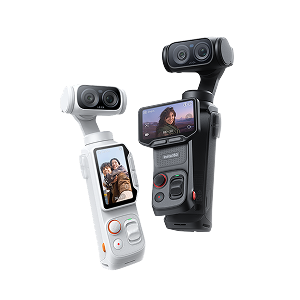
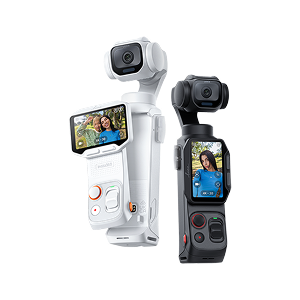

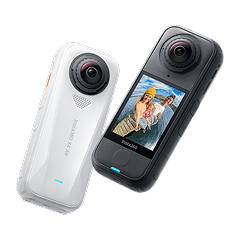
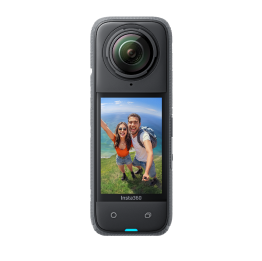









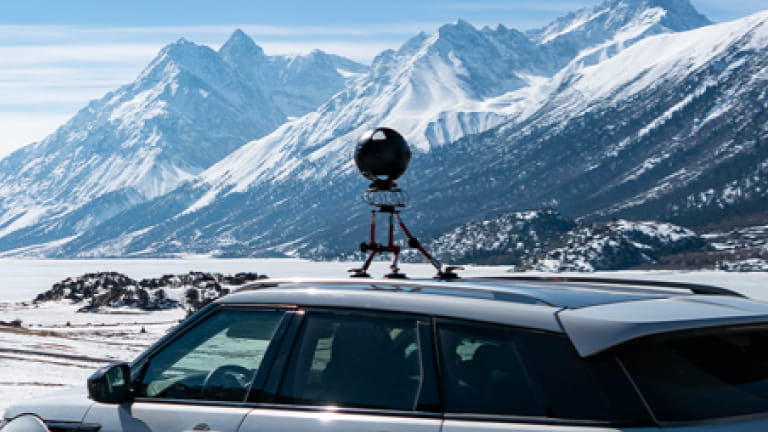
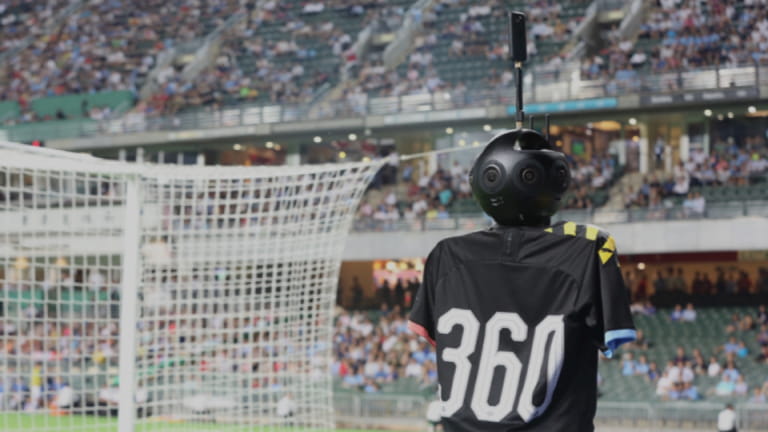
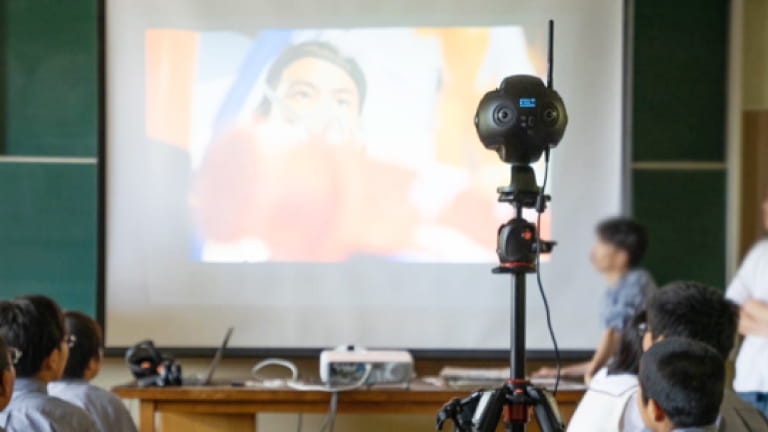





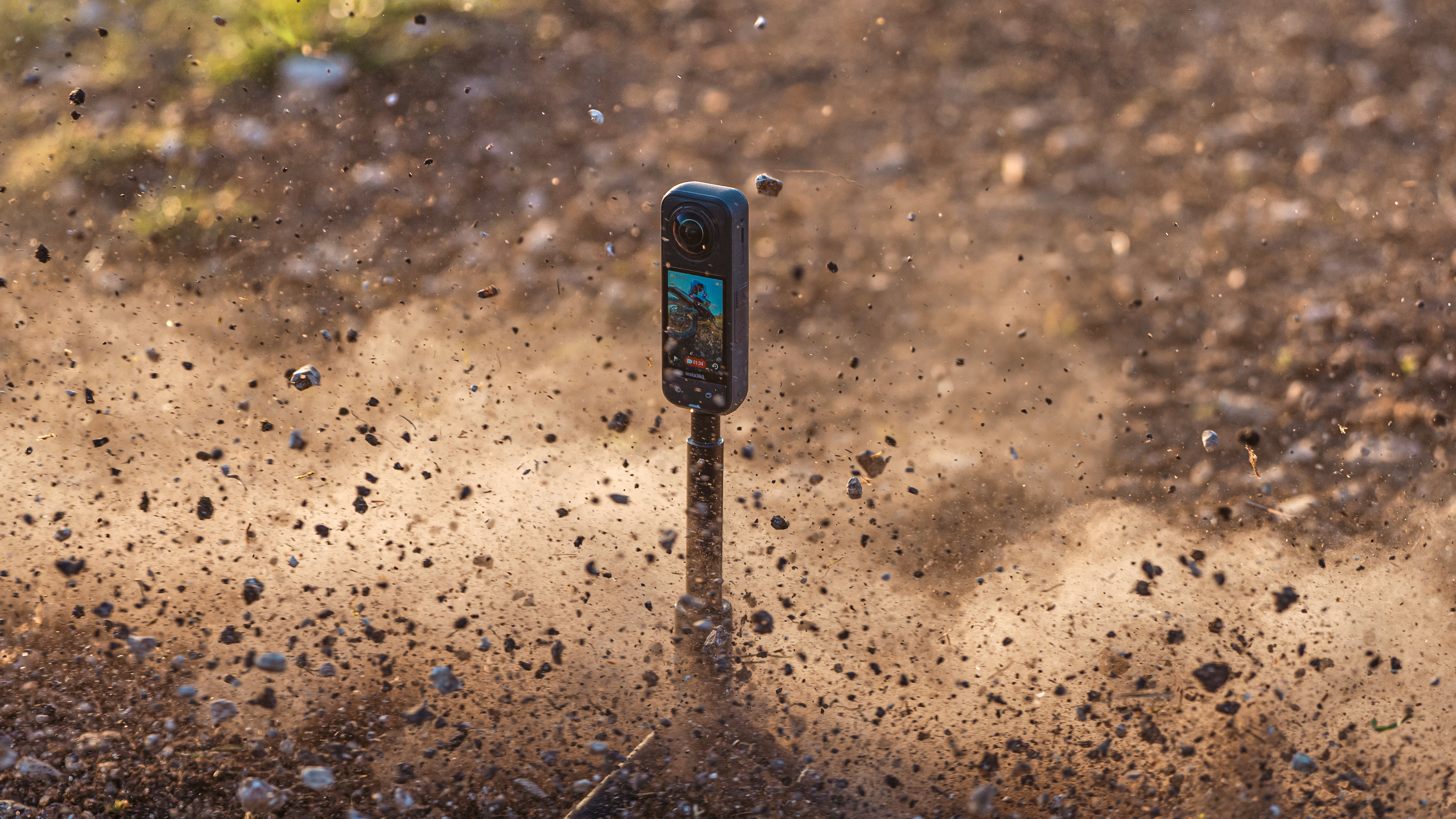


The best moments happen when you least expect them. A trail opens onto a sweeping mountain view. The light hits just right.
Perfection.
You can try to plan standout content, but it doesn’t always work that way. Capturing those moments comes down to having the right camera, right when it matters.
From rugged action cameras built for anything to tiny, wearable cameras you can clip on and forget, there’s a setup for every kind of shot. The key is knowing which one fits your style, and being ready when the moment arrives…
Start by Defining What You Want to Capture
Before you start comparing specs and digging into features, take a beat. Think about what accessories you actually need.
Action Sports and POV Footage
Fast movement, unpredictable terrain and constant vibration mean you need a camera that can match it all. For sports like mountain biking, climbing, skateboarding or motocross, wearable cameras allow creators to capture true first-person perspectives.
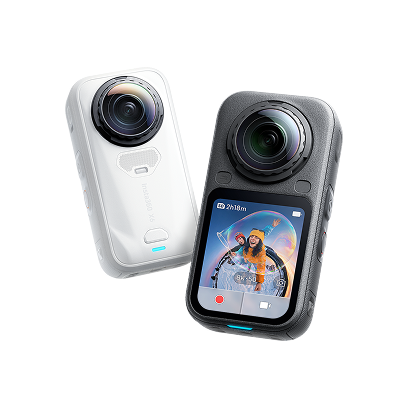
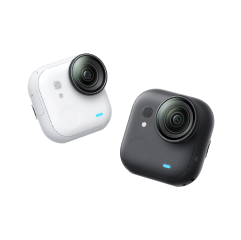
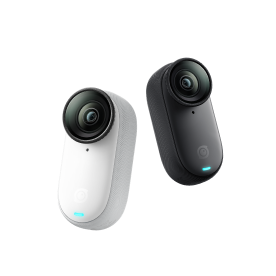
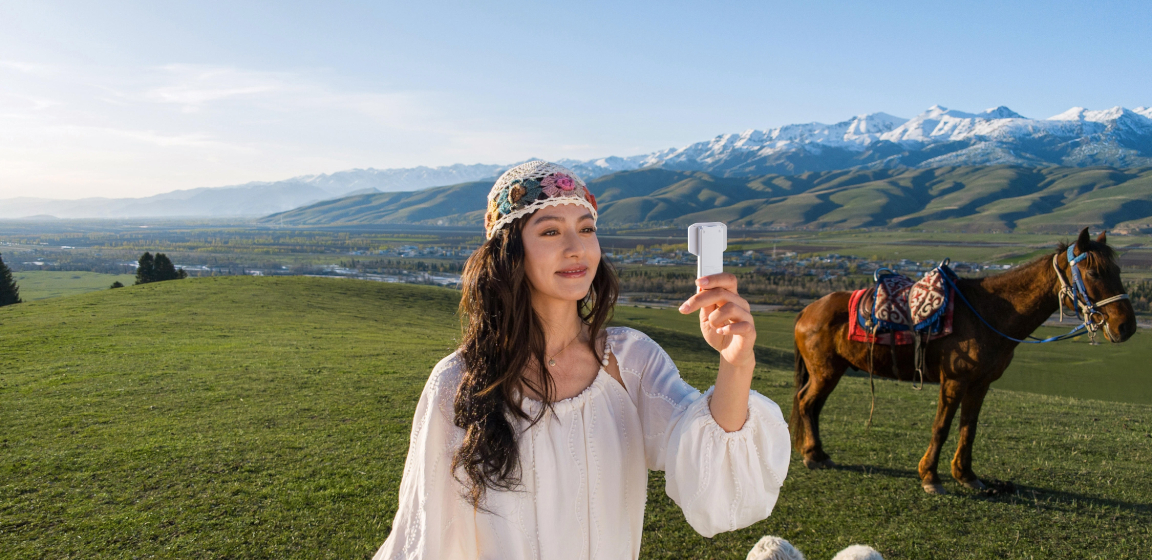
Small wearable devices, like Insta360 GO 3S or Insta360 GO Ultra, are designed exactly for this kind of filming.
Their tiny size lets you mount them just about anywhere (helmets, chest rigs, handlebars), and the built-in stabilization keeps footage smooth even when the action gets chaotic.

Outdoor Adventure and Snow Sports
Cold environments add a new set of challenges for both you and the camera. When choosing the best ski camera, you’ll need to consider a few points.
- Snow reflects a huge amount of light, so you need a camera with a high dynamic range.
- Thick gloves aren’t always great for small controls, so you’ll need something easy to use.
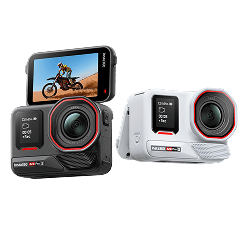
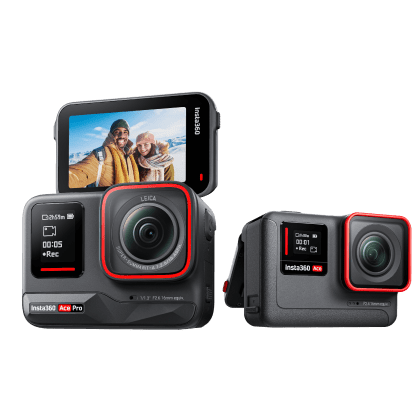
- And finally, freezing temperatures can zap even the sturdiest batteries, so you need something that’s up to the challenge (such as Insta360 Ace Pro 2, which can be mounted on a ski helmet while delivering outstanding resolution and stabilization).
Underwater or Wet Environments
Filming underwater or in wet environments requires two important things: a decent IP rating that protects the camera with a waterproof casing, and high-quality lenses and sensors, so your underwater images remain crisp and clear.
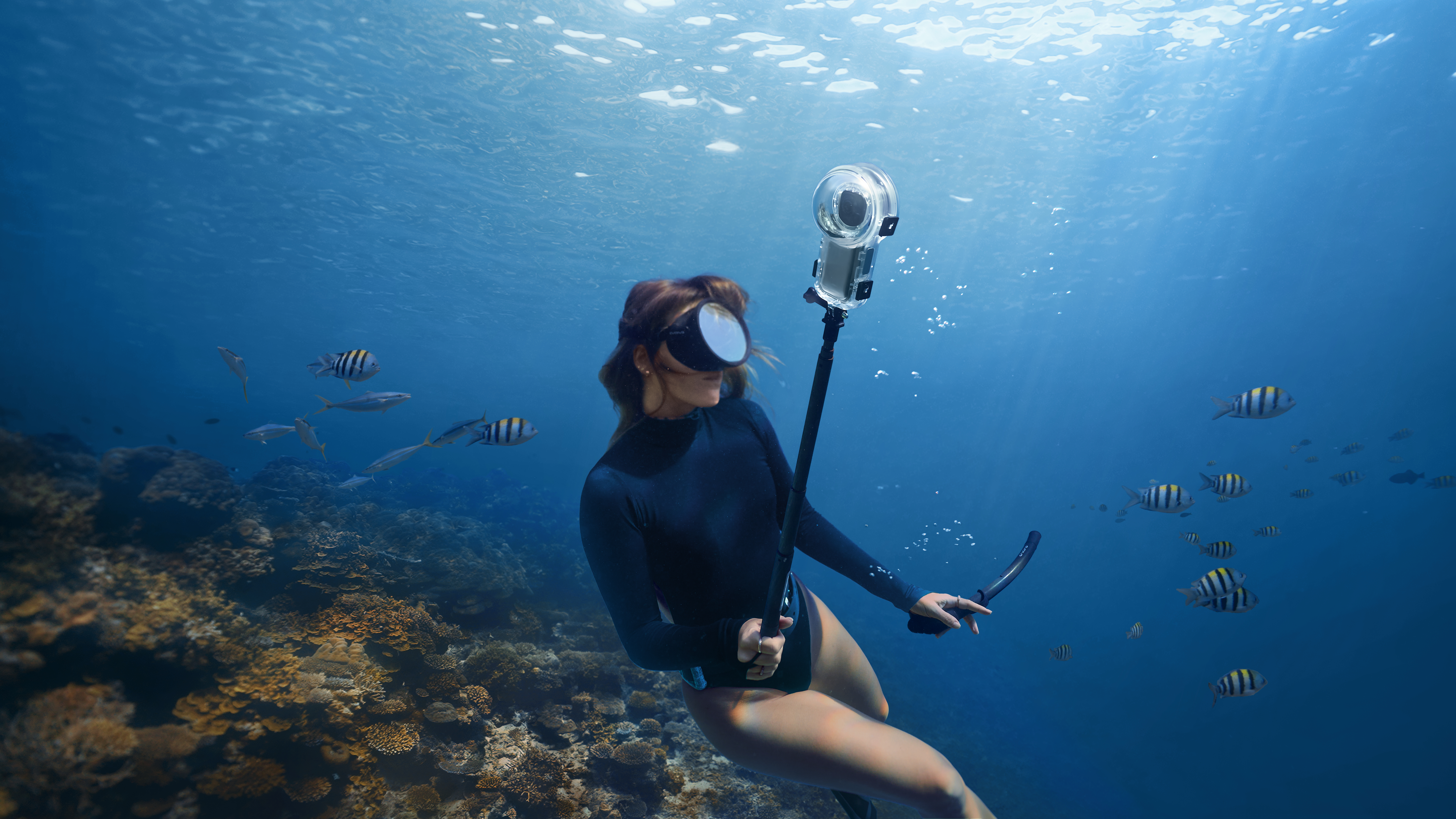
Leakproof cameras allow you to dive beneath the waves, sometimes down to as much as 49ft (15m), as with Insta360 X5. Add on the separate Dive Case, and you can extend that down to 197ft (60m).
Immersive 360 Content
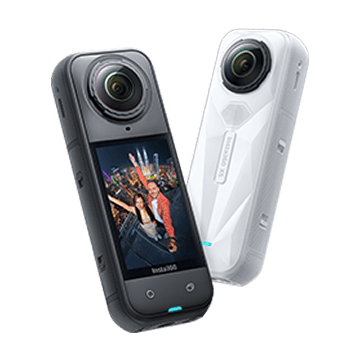
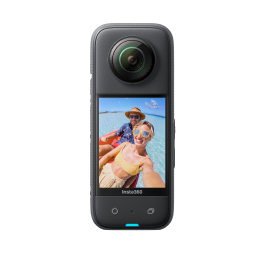
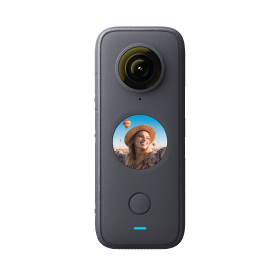
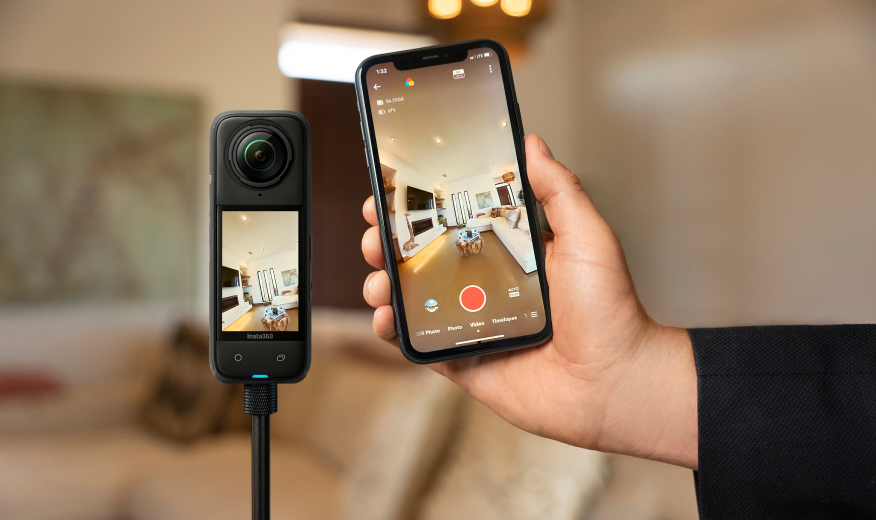
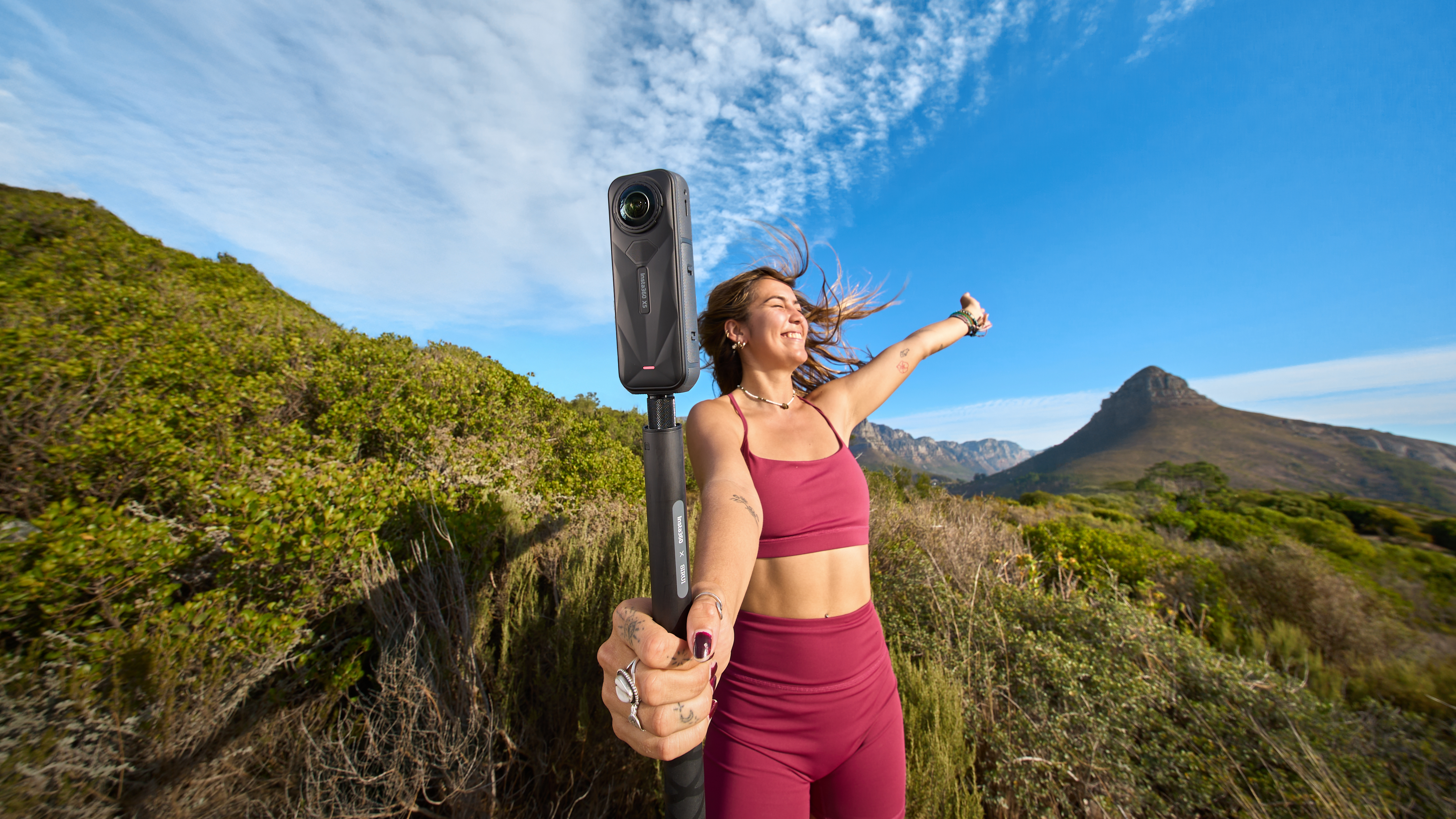
Welcome to the world of 360 cameras. Forget about choosing one angle and then having to redo it countless times until you’re happy. With Insta360 X5 and Insta360 X4, you can shoot all angles all at once, and then choose the best shots afterward. They deliver content like you’ve never seen before.
Traditional Action Camera Filming
Wide-angle action cameras remain one of the most versatile tools for creators. They’re small, rugged and designed to mount almost anywhere—bikes, surfboards, helmets, cars, and tripods.
Their ultra-wide lenses capture more of the environment, making them ideal for fast-paced activities where framing perfectly in real time isn’t always possible.
Understanding the Main Types of Cameras
Modern cameras come in all shapes and forms. The moment you start thinking about a purchase and doing some research, you’ll realize just how diverse the camera world is. Here are the main types you’ll find:
Mirrorless Cameras
Mirrorless cameras have become one of the most popular tools for photographers and filmmakers alike.
Unlike traditional DSLRs, they use electronic viewfinders instead of mechanical mirrors, allowing for smaller bodies and faster autofocus systems.
These cameras come with interchangeable lenses and usually come in a much smaller size compared to DSLRs, which is what makes them a favorable option.
DSLR Cameras
When you think of the ‘classic’ camera, you're probably thinking about a DSLR.
DSLRs (Digital Single-Lens Reflex cameras) were the industry standard for years and are still widely used by professionals and enthusiasts. They rely on an optical mirror system that reflects light through the lens and into a viewfinder, allowing photographers to see exactly what the lens sees.
DSLRs are known for strong battery life, durable bodies and a massive ecosystem of lenses.
Action Cameras
Action cameras are built for movement.
Compact, durable and often waterproof, they’re designed to capture footage in places traditional cameras simply can’t go. Whether as a helmet camera, attached to a surfboard, or strapped to a bike frame, action cameras thrive in unpredictable environments.
Wide-angle lenses capture more of the scene, while advanced stabilization keeps footage smooth even during intense motion.
360 Cameras
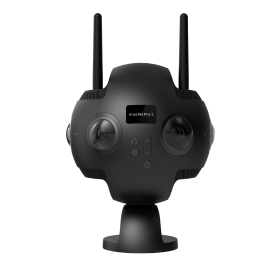
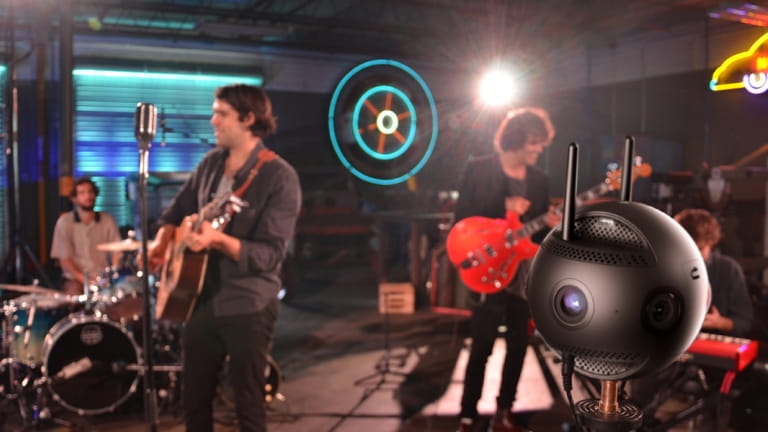
360 cameras take a completely different approach to filmmaking. Instead of recording a single frame, they capture the entire environment around the camera using multiple lenses. This allows creators to choose the framing after filming, track subjects automatically and generate multiple camera angles from a single shot.
Features to Consider When Choosing a Camera
1) Image Quality and Sensor Size
These days, it’s more complicated than just going for the camera with the highest megapixel count. Sensor size, lens quality, and image processing all influence how much detail a camera can capture.
Larger sensors generally collect more light, which improves low-light performance and dynamic range. This is why professional mirrorless cameras often outperform smaller devices in controlled environments.
2) Stabilization
Shaky footage can destroy a perfect shot, which is why stabilization has become one of the most important features for modern cameras.
Advanced digital stabilization systems analyze movement and correct it in real time, producing smooth footage even during high-speed activities like biking, skiing or running.
3) Portability and Size
One of the key features of modern cameras is their size. No longer do we have to rely on big, bulky cameras that feel like an anvil in our bags.
Cameras today are lightweight, small enough to fit into a pocket, and yet still deliver outstanding footage.
You don’t have to trade size for image quality, and with Insta360 GO Ultra, about the size of a thumb and weighing just 39 grams, shooting on the go has never been easier.
4) Durability and Waterproofing
Not every camera is built for extreme terrain, and you definitely shouldn’t plunge under the water with just any camera. High durability means the camera can take those bumps, knocks and drops, and keep on filming like nothing’s happened.
Waterproofing is another key point, and while you might not need something for deep-sea photography, having something that can go down 50ft or so, opens up a whole new world.
5) Battery Life
One point often overlooked until that red battery image starts flashing, and you’re nowhere near done. Battery performance matters most when you’re far from power sources, and long hiking days, ski trips, and travel adventures often require cameras that can record for extended periods without constant recharging.
How to Choose Based on Your Shooting Style
| Shooting Style | What Camera Features To Look For | Recommendations |
| Travel Creators | While traveling, portability that doesn’t sacrifice quality is vital. You want something that can slip into a bag and not even notice it’s there. But when you do need it, you want something easy to use that allows you to tell a story as you see it. | Cameras like Insta360 X4 allow creators to capture immersive 360 footage and reframe it later, making it easier to capture dynamic scenes without constantly adjusting camera angles. Small wearable cameras like Insta360 GO 3S are also popular with travel creators because they can be mounted quickly and carried easily. The less time spent setting up gear, the more time there is to focus on the experience itself. |
| Sports and Adventure Filmmakers | For athletes and adventure filmmakers, durability and stabilization are essential. High-speed movement, rough terrain and unpredictable environments require gear that can keep up. Action cameras designed for extreme environments are often the best fit here. | Cameras like Insta360 Ace Pro 2 combine rugged construction with advanced stabilization, allowing creators to capture smooth footage while skiing, biking, climbing or surfing. |
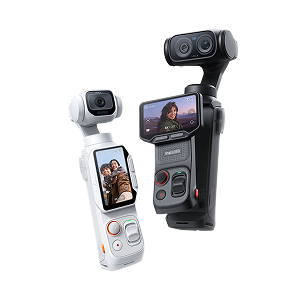
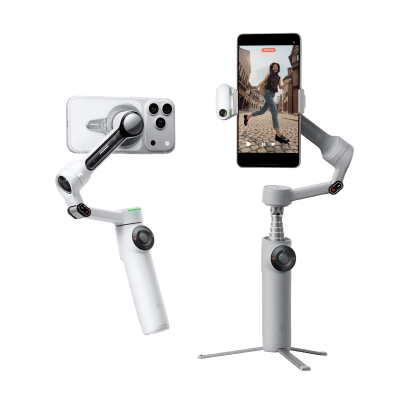
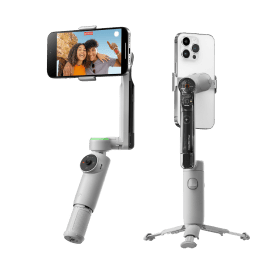
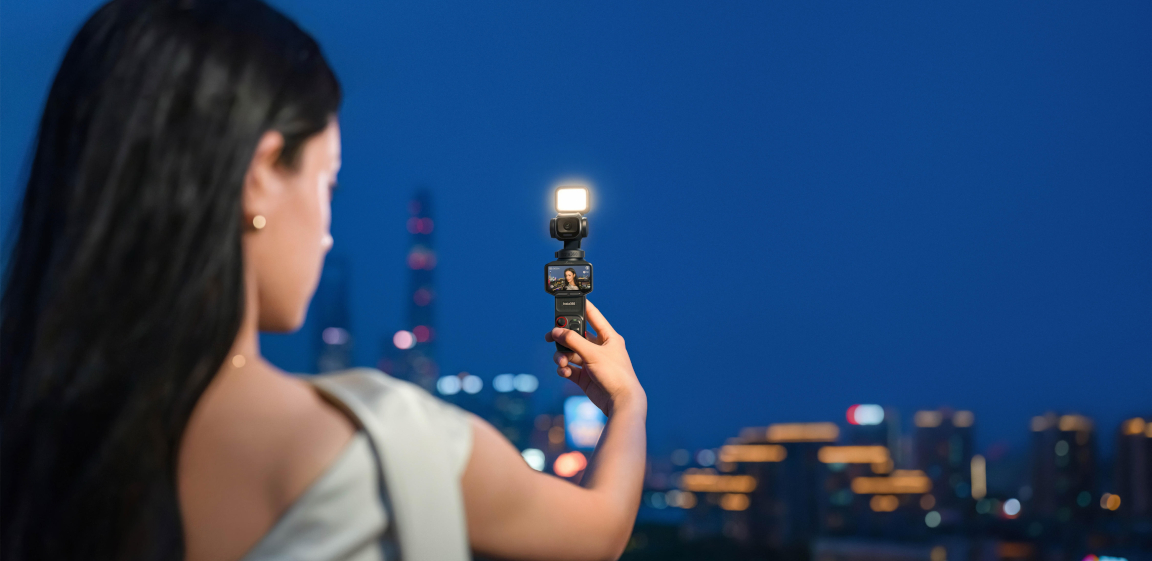
| Everyday Content Creators | Just because you’re not scaling a mountain or exploring a food market in Bangkok doesn’t mean you should be scrimping on quality. For everyday content creators, you might want to keep things really simple and use your phone. | Tools like Insta360 Flow 2 Pro bring professional-grade stabilization and AI Subject Tracking to smartphones, making it easier to capture smooth footage on the go. |
Quick Guide: Which Camera Type Is Right for You?
| Use Case | Best Camera Type |
| Extreme Sports | Action camera |
| Skiing and Snowboarding | Helmet camera |
| Underwater Shooting | Waterproof camera |
| Immersive Travel Content | 360 camera |
| POV (Point-of-View) Filming | Wide-angle action camera |
Final Thoughts
Choosing the right camera comes down to understanding your shooting style and the moments you want to capture. From portable options for travel to rugged action cameras and immersive 360 setups, the best choice is the one that fits how and where you shoot.
Once you know what matters most, finding the right setup becomes simple. Explore the full range of Insta360 cameras to find the one that’s ready for your next shot. Whatever your vibe, pick your setup, get out there and start shooting.
Frequently Asked Questions
How Do I Select Which Camera to Use?
Start by identifying your shooting style. For travel, choose a lightweight camera that’s easy to carry and quick to use. For sports and adventure, go for a rugged action camera with strong stabilization. For everyday content, a smartphone setup is often enough.
Match the camera type to your use case, then compare features like portability, durability and stabilization to finalize your choice.
Why Is 12MP Better Than 48MP?
A higher megapixel count means a camera can capture more detail, but sensor size and pixel size are just as important. Larger pixels gather more light, which can improve low-light performance and reduce image noise.
A 12MP camera with a great sensor might be able to outdo a 48 MP camera with an average sensor.
Keen to keep up to date on Insta360 stories? Keep an eye on our blog and sign up for our mailing list. You can also contact our Enterprise team directly to see how 360 cameras can benefit your business.





%20(1).svg)


%20(1).svg)

.svg)