






































Have you ever wondered how a single click can freeze a moment in time? Behind that simple action is a fascinating process where light is transformed into a digital memory. Understanding the basics of how a camera works isn't just for tech enthusiasts; it's for anyone who wants to improve their photos and videos.
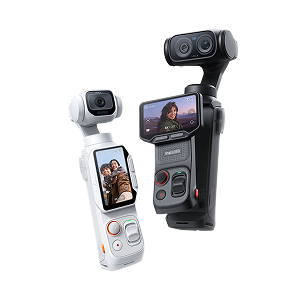
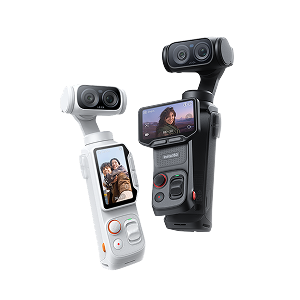
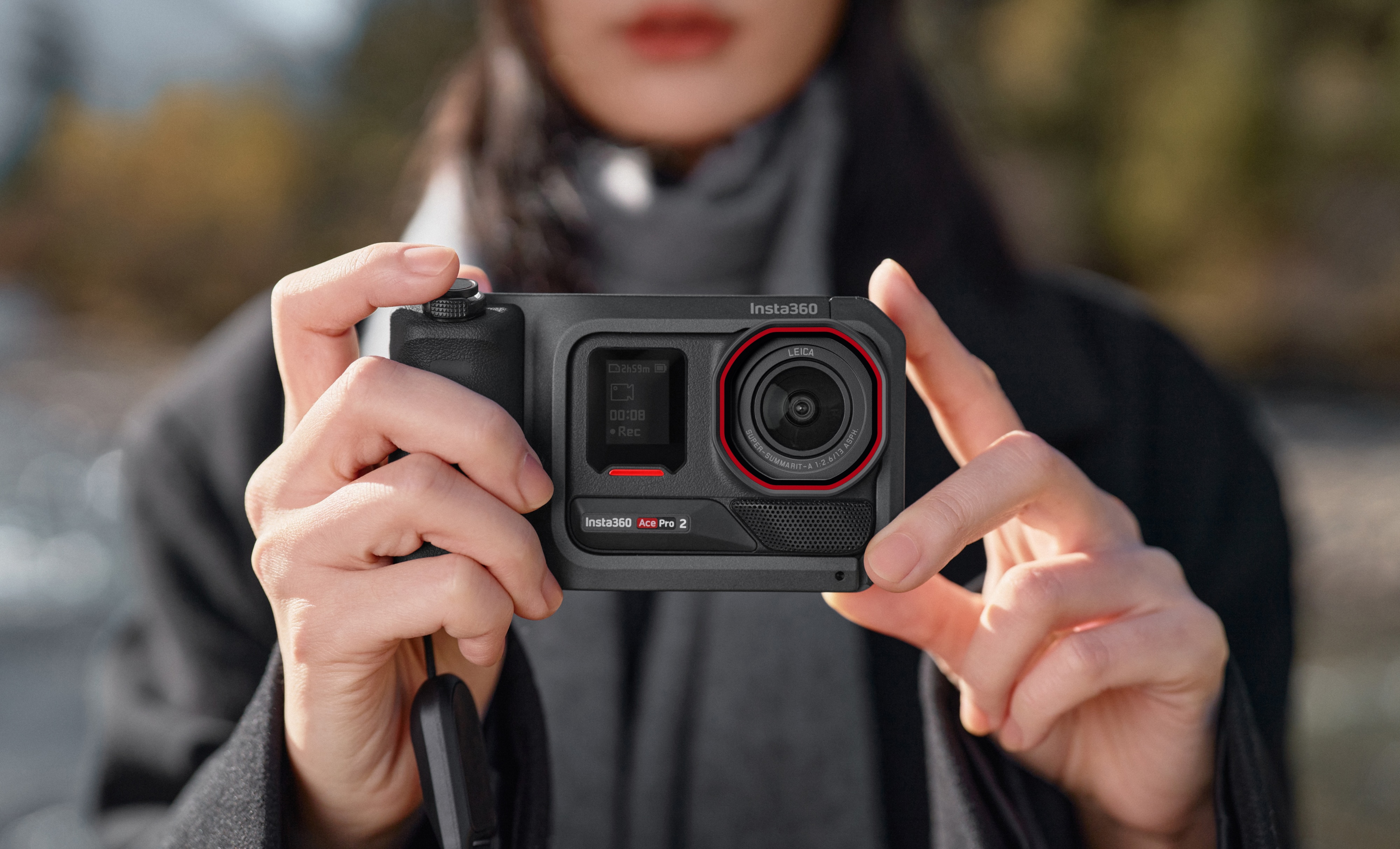
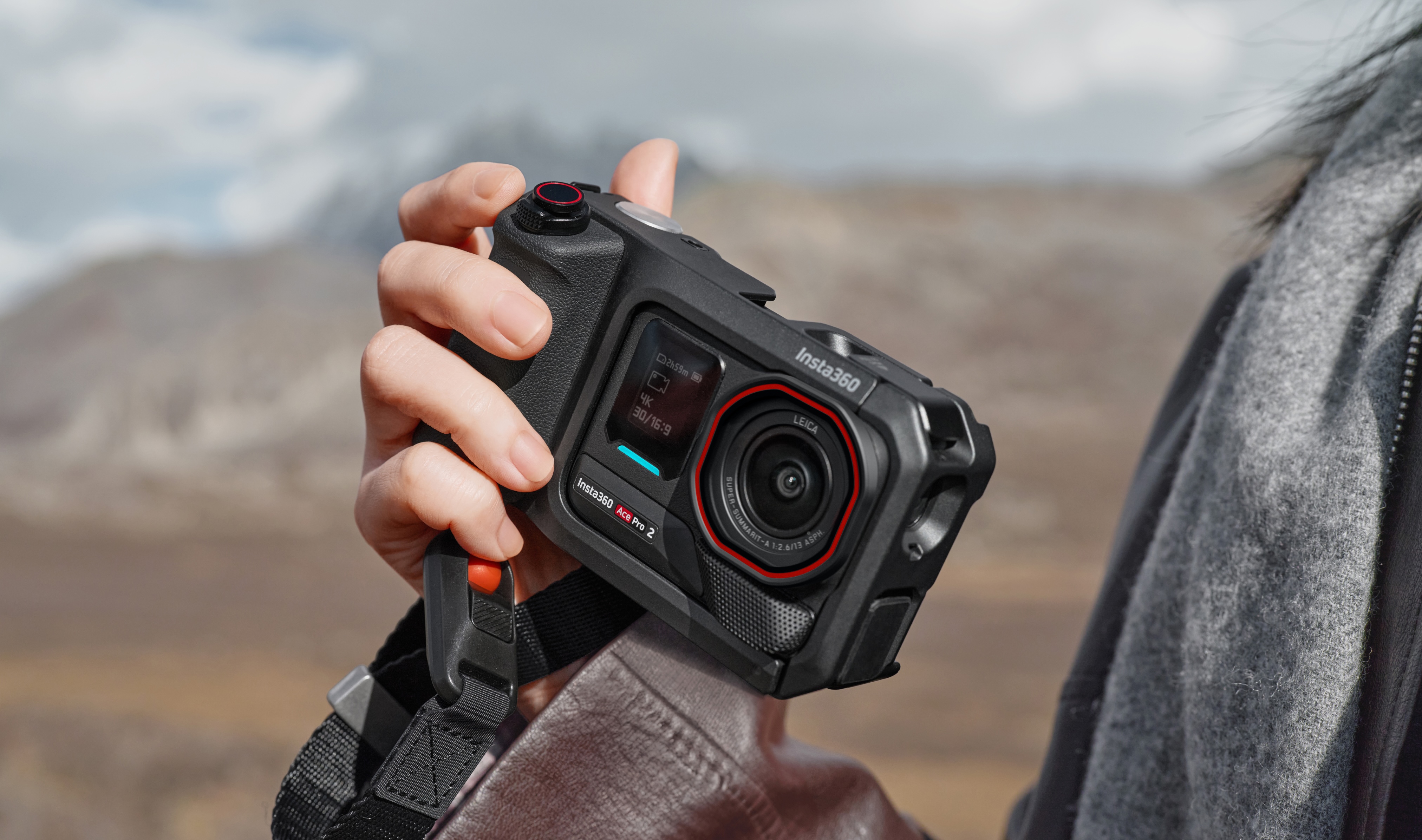
At its core, a camera is a box designed to control light. It starts with a lens that focuses light onto a sensor, which converts it into an electrical signal that the camera processes into a file. In a powerful camera like Insta360 Ace Pro 2, a large 1/1.3" sensor works with a 5nm AI chip to process immense amounts of information instantly. By learning these fundamentals, you can move from just taking pictures to creating truly compelling images.
How a Camera Bends Light
Everything begins with light. Before reaching the sensor, light must pass through the lens. Most lenses use a series of curved glass elements that work together to bend, or refract, light waves toward a single focal plane. This creates a sharp, focused image from the world around you. Without this precise redirection, your photos would be a blurry wash of color. Modern lenses often contain multiple individual glass elements that correct for distortions and ensure clarity from edge to edge.
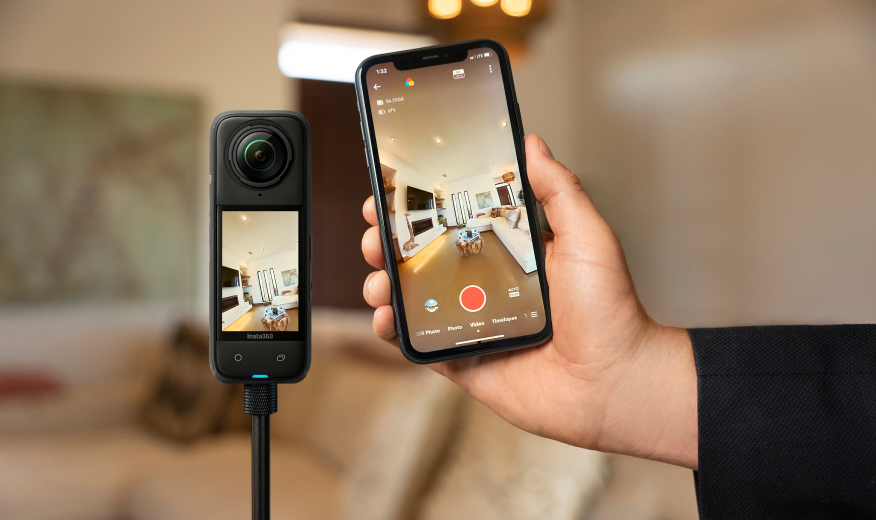
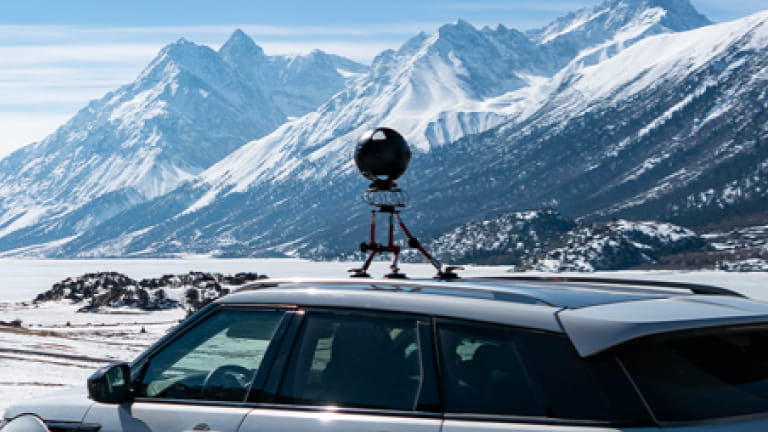
In 360 photography, this concept is taken a step further. Insta360 X5 uses two ultra-wide fisheye lenses to capture light from every direction at once. These specialized optics allow the camera to see a complete 360 environment, capturing what’s behind it as clearly as what’s in front. This advanced approach to lens design makes it possible to capture unique perspectives that traditional flat lenses cannot achieve.

Aperture, Shutter Speed, and Exposure
Once the lens focuses the light, the camera body takes over. Think of the camera as a light-tight chamber where two critical gatekeepers—the aperture and the shutter—decide how much light reaches the sensor. This relationship is at the heart of capturing a good image.
Aperture is an adjustable opening inside the lens, much like the pupil of your eye. It expands or contracts to regulate the volume of light passing through. A wide aperture (shown as a low f-stop number) lets in more light, which is ideal for darker scenes and creating a soft, blurred background known as bokeh. A narrow aperture does the opposite, keeping more of the scene in sharp focus.
While aperture controls the volume of light, shutter speed controls the duration. Depending on the camera, a mechanical shutter (often curtains) or an electronic shutter determines how long the sensor is exposed. A fast shutter speed can freeze action with crisp detail, while a slower shutter can show motion, like a waterfall’s smooth blur.
From Light to Data: The Camera Sensor
The final step is transforming light into a permanent record. In the past, this was done with chemical film. Today, we use silicon. Modern camera sensors contain millions of light-sensitive pixels called photosites. When light hits a photosite, it generates an electrical charge proportional to the light’s intensity. That signal is then processed into digital data—the 1s and 0s that become pixels in your image.
Unlike film, digital sensors offer incredible flexibility. For instance, the image processor in a camera like Insta360 Ace Pro 2 uses AI-driven noise reduction to clean up these signals in real-time, ensuring clarity even in low light. This integration of hardware and software is what allows modern cameras to capture professional-grade visuals with ease.
Turning Theory into Better Photos
Understanding how the lens, aperture, shutter, and sensor work together gives you more control over the final image. If you want to see the impact for yourself, switch to Manual or Pro mode and try two quick tests: change shutter speed to freeze motion vs. blur it, then change aperture to adjust background blur and depth of field. A few minutes of experimentation will make these concepts feel intuitive.
FAQ
How does a camera work in total darkness?
Cameras need some light to function, but they can "see" in low light by increasing their sensor sensitivity (ISO). This amplifies the electrical signal from the light that is available. However, this can introduce digital "noise." Advanced image processing helps clean this up, but if there is absolutely no light, the sensor has nothing to record.
Why does a bigger sensor improve image quality?
Think of a sensor's photosites like rain barrels. A larger sensor has larger photosites, which can catch more light in the same amount of time. This extra light provides more information, leading to cleaner images with better colors and less noise, especially in challenging, low-light conditions.
What is the main difference between a DSLR and a mirrorless camera?
A DSLR uses a physical mirror to reflect light from the lens into an optical viewfinder. When you take a picture, the mirror flips up to expose the sensor. Mirrorless cameras, as the name suggests, remove this mirror entirely. Light hits the sensor constantly, which allows the camera to be smaller and lets you see a digital preview of your final image on the screen before you press the shutter button.
Keen to keep up to date on Insta360 stories? Keep an eye on our blog and sign up for our mailing list. Got a story to share? Email yours to communitystories@insta360.com and win up to US$50.







%20(1).svg)


%20(1).svg)

.svg)