





























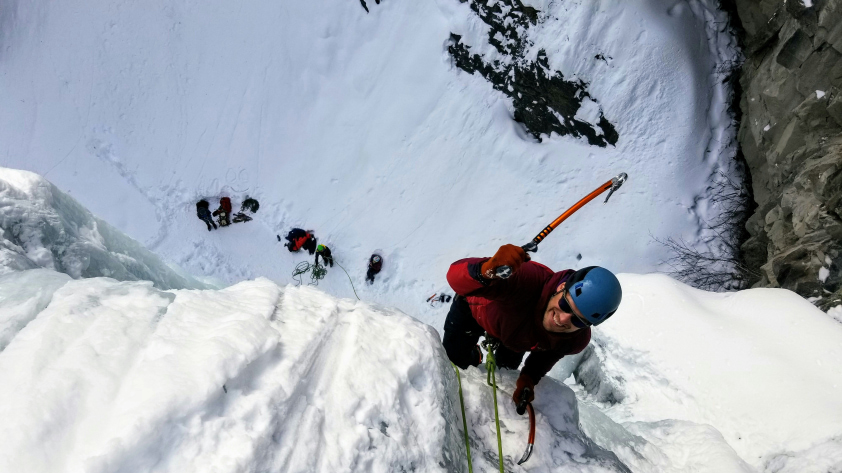


Ice climbing sounds wrong. Ice is slippery, dangerous—a menace. Why on earth would you choose to put yourself on a vertical wall of the stuff? But then people say the same about those who run ultra marathons or jump off cliffs with wingsuits. Sometimes the most exhilarating activities are those that sound, well, wrong.
Ice climbing is equal parts skill, courage and obsession. Yet while it looks extreme, it’s surprisingly accessible when you know where to start. This guide breaks down the essential techniques, gear and safety basics to help you take your first steps up the ice and into a world you never thought possible.
What Is Ice Climbing and Why Is It So Addictive?
Ice climbing is the art of ascending frozen terrain—think waterfalls, glaciers and iced-over rock faces—using crampons and ice axes for grip. It’s part mountaineering, part puzzle-solving and completely immersive. You probably won't be thinking about what's for dinner when you're hanging from an icy precipice.
Every route changes with temperature and light, so no two climbs ever feel the same. This is part of its growing popularity, which sees over 3 million people participate in the U.S. each year alone. For adrenaline junkies, it provides a thrill unlike anything else as you move vertically on something that looks impossible and should probably be avoided. Then there's the deafening silence, broken only by the crunch of steel biting ice. The feeling of being out in the wild, doing something extreme in every sense of the word. It’s a sport that rewards patience, focus and a taste for the unknown.
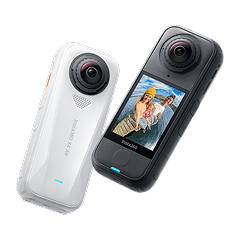
For many climbers, half the thrill is reliving it later. Shooting with a weatherproof 360 camera like Insta360 X4 or Insta360 X5 lets you capture those split-second swings, wild perspectives and icy landscapes that make the climb unforgettable.
Basic Ice Climbing Techniques You Need to Know
If that all sounded inspiring and you're already cramming things into a bag to head out for your first ice climb, hold your horses. This is not like lacing up the sneakers for your first parkrun. There are things you need to know first and techniques that you should master before you're dangling from a frozen waterfall.
Crampon Footwork
Your feet do most of the work in ice climbing. Crampons—those spiked attachments on your boots—keep you connected to the wall, making them among the most essential pieces of kit. The key is to place your front points cleanly and keep your heels low for stability. Small, deliberate steps beat big, wild kicks every time.
Front-pointing, or using the front spikes of your crampons to stand on steep ice, takes practice. Start on low-angle terrain until it feels natural before heading onto the steep stuff.
Ice Axe Use & Body Positioning
Now that you've got your footwork sorted, let's think about your hands—and what's in them—and your body positioning. Forget wild swings with your ice axe. You're not digging for gold in the 19th century. Ice climbing is about control, not chaos, so aim to plant your ice axes with precision, using your shoulders—not just your arms—for power. A solid strike should feel smooth, not forced.
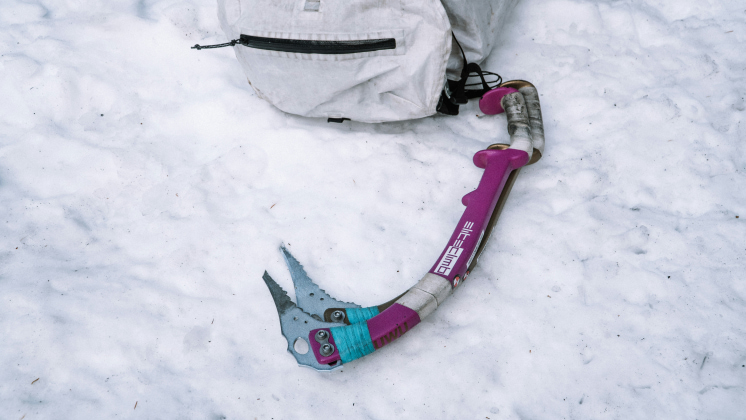
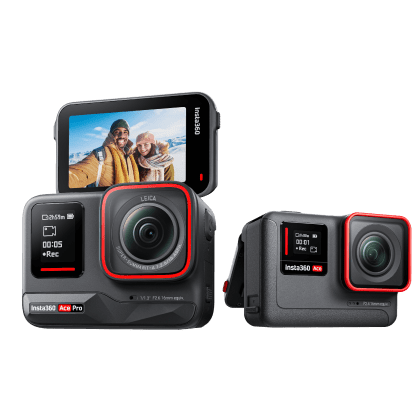
Keep your hips close to the ice, arms straight and legs slightly bent. This posture saves energy and improves balance as you climb. It's all going to feel entirely unnatural at first, but let's face it, what's natural about inching up a vertical sheet of ice? You might feel like a lumbering Yeti at first, but you'll be surprised how quickly your form and technique improve. Mount an Insta360 Ace Pro 2 on your chest harness for a dynamic POV of each move. You’ll capture your form, your focus and the epic backdrop behind you—all without missing a swing.
The Safety Basics: Anchors, Screws & Belaying
Ice climbing comes with a degree of risk, and that's part of its appeal, but it would be foolish to head out without a firm understanding of the safety basics. Before you even leave the ground, you’ll want to understand the systems that keep you secure.
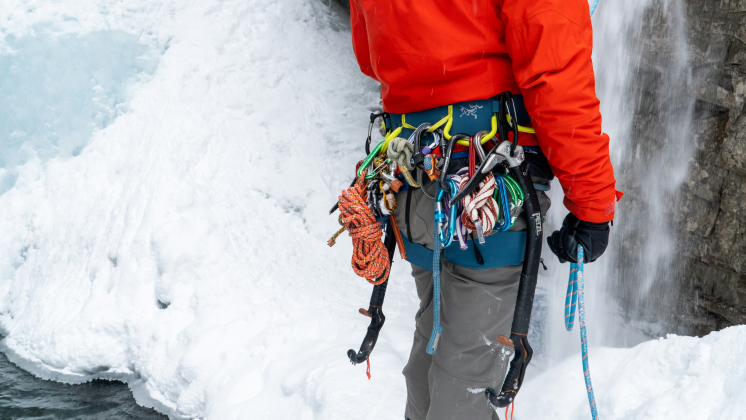
Anchors are your lifeline. They’re built using ice screws—metal tubes that screw into solid ice to create attachment points for ropes. Climbers connect multiple screws to distribute weight and add redundancy, ensuring that even if one fails, the system holds firm. It’s meticulous work, and it’s what separates a confident climber from a reckless one.
Belaying is your partnership on the wall. One person climbs while the other manages the rope, feeding or taking slack to protect against falls. Clear communication and attention are vital here. Climbing without enough slack severely restricts movement, while too much slack becomes dangerous. If you’re new, always climb with an experienced guide or take an intro course through a certified mountaineering school. Safety skills aren’t just glorified tick boxes—they can save lives.
In such an environment, the last thing you want is to have to pull out a camera, embed your ice picks and take off your gloves for that perfect shot. A hands-free setup like Insta360 X5, with its cold-weather performance and 360 stabilization, means you can focus on the climb while it captures every icy detail safely and effortlessly.
Essential Ice Climbing Gear for Beginners
You're nearly ready, but what about climbing gear? Here is a quick breakdown of those vital pieces of equipment that every ice climber needs to have.
Clothing & Layering
Start with moisture-wicking base layers that pull sweat away from your skin, then add an insulating mid-layer and a waterproof outer shell. You’ll need gloves that balance dexterity and warmth, plus a hat or balaclava that fits comfortably under your helmet. Layering is key here. You'll heat up in a flash while climbing, but when it's your turn at the bottom of the icy wall, you'll be thankful for that extra sweater.
Footwear
Invest in stiff-soled mountaineering boots compatible with step-in crampons. They should feel snug but not crushing, and insulated models help keep circulation flowing when the temperatures drop below freezing. Socks are another important item for obvious reasons. Once those toes begin to freeze, it makes everything so much harder, so go for warm, breathable socks—you won't regret it.
Technical Gear
You’ll need two ice axes, a harness, crampons, a belay device and a sturdy helmet. Each piece has its role: axes and crampons for movement, the harness for rope safety and the helmet for protection from falling ice. If you're one of those people who tends to throw equipment into a room after use, take a few minutes to clean everything and make a note of what's looking a little frayed and what might need replacing. This stuff can save your life, so take care of it.
Safety Essentials
Don’t skip the small stuff. Ice screws, carabiners, quickdraws and slings form your protection system. Check and test every piece before each climb, as even minor gear wear can lead to major problems in freezing conditions. It's better to skip a climb in favor of heading to a shop to find a replacement part rather than going ahead with substandard equipment.
Action Cameras
Okay, with the safety briefing out of the way, we come to the fun stuff—how to get the best footage from your astonishing exploits. Action cameras come in all shapes and sizes (as well as levels of quality), but with Insta360's selection, you're winning regardless of what direction you take.
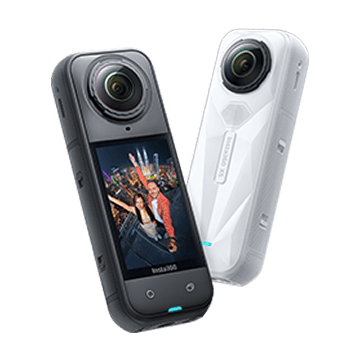
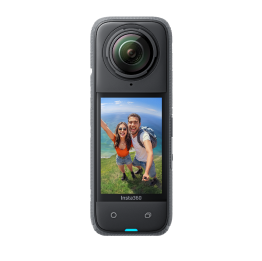
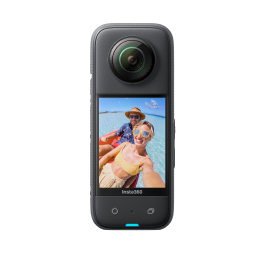
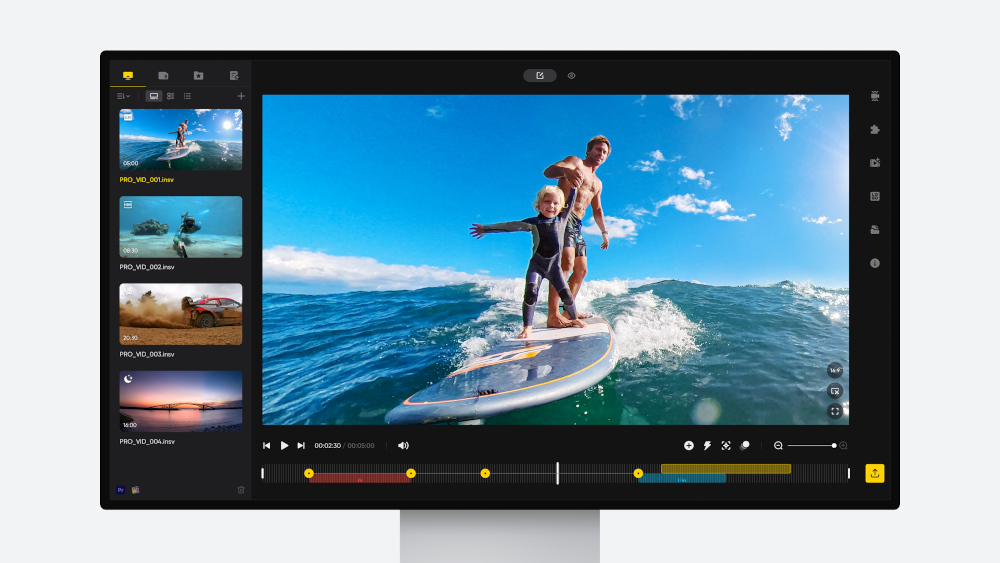
Insta360 X5: Capturing 8K 360 footage with unbeatable image stabilization and cold-weather endurance, the Insta360 X5 is perfect for helmet mounts or selfie sticks when filming long routes. Want to get the most out of it? Check out our bag of tips and tricks that will turn mundane footage into awe-inspiring wonder.
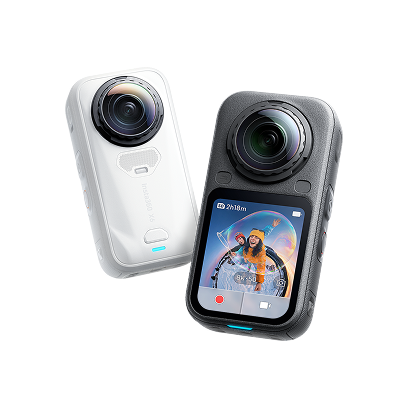
Insta360 X4: Compact, rugged and easy to handle with gloves on, Insta360 X4 is ideal for beginners or solo climbers exploring winter routes.
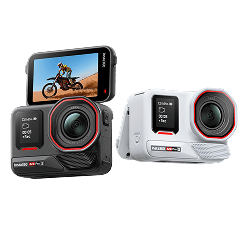
Insta360 Ace Pro 2: Insta360 Ace Pro 2 delivers crisp, AI-powered 4K footage and adaptive HDR, built to thrive in freezing temps. Great for chest or helmet POV shots.
Whatever you're using, just be sure that it is durable and has a decent enough waterproof rating. With low temperatures and ever-changing weather during winter, knowing that your camera is good no matter what arrives lets you relax and focus on the job at hand: scaling that 82ft (25m) frozen waterfall.
What to Expect on Your First Ice Climb
Let's just temper expectations a little here. Your first climb is not going to be Alex Honnold scaling El Capitan—it’ll be about learning how to move, trust your gear, and stay calm when your heart’s racing. Expect a mix of nerves, exhilaration and a serious adrenaline kick.
You’ll probably start on a beginner-friendly route, usually a shorter frozen waterfall or ice wall with a gentle slope. An instructor will walk you through basic movement, safety checks and belay techniques before you take your first swing. The first few steps feel awkward—like trying to dance in ski boots—but it clicks faster than you’d think.
You’ll learn to read the ice: where it’s solid, where it’s hollow and when it’s time to rest. You’ll also learn to manage temperature swings, since even the coldest day turns sweaty once you’re climbing. So no, you won't be flying up one of the most famous ice climbs like a young mountain goat. You'll teeter, stumble, scrape your knees and probably lose sensation in your fingers. But you'll get to the top, and you'll want to do it again and again—each time getting better and better.
Frequently Asked Questions
What Is the First Rule of Ice Climbing?
Safety—always. Before every climb, inspect your gear, test your anchors and communicate clearly with your partner. Double-check everything, every time. Ice conditions can change fast with temperature, so staying alert is key. And never climb alone, especially as a beginner.
How Difficult Is Ice Climbing?
Ice climbing looks extreme, but it’s surprisingly beginner-friendly with the right guidance. The hardest part isn’t strength—it’s trust. You’ll need to trust your gear, technique and focus.
Ready To Film Your First Ice Climb Like a Pro?
Ice climbing is much more than just a sport. It's an adventure, a daring endeavor—a process of supreme effort that will push you to your limits. But boy, is it worth it. Once you've got the basics down and those early wobbles are ironed out, there's nothing quite like it.
And when you’re ready to relive that first summit or share your climbs with the world, make sure your camera can handle the cold as well as you can. Insta360 cameras are built for moments like these—rugged, weatherproof and ready to capture every frozen step with cinematic detail. This winter, why not try something completely new? Test yourself, push through those fears, climb that icy wall.
Keen to keep up to date on Insta360 stories? Keep an eye on our blog and sign up for our mailing list. Got a story to share? Email yours to communitystories@insta360.com and win up to US$50.




%20(1).svg)


%20(1).svg)

.svg)