














-tuya.jpg)


Cycling is an exciting activity that just happens to be great for our physical and mental health. Whether you bike to work or explore scenic routes, capturing the experience adds to the excitement. You'll likely need to upgrade from your smartphone to record your commute—and actually do it justice.
Choosing the right camera for road cycling can be a bit overwhelming, but we’re here to help. Find out what to look for in a camera, how to record eye-candy footage and legal considerations to keep in mind.
What Is the Best Camera for Cycling In 2026?
Cycling cameras are essential for capturing the biking experience in 2026. Whether you’re a casual rider or a hardcore adventurer, investing in a reliable camera can transform your cycling experience.
The “best” cycling camera looks different for everyone. What works for one person may not work for the next. However, there are several features to look for in your next cycling camera. Your cycling camera should be able to capture high-quality footage while withstanding harsh conditions. Features to look out for include video quality, stability, durability, mountability and battery life.
What to Look for in the Best Bicycle Camera
There are several features to consider when choosing the best bicycle camera for you. While your priorities may differ based on your cycling goals, many of these features are non-negotiable—without them, you simply won’t enjoy the footage you capture.
Video Quality
Cycling footage is intended to immerse your viewers in the biking experience, and that can be difficult if your video quality is poor. Cameras that capture in 4K or higher offer sharp footage, especially when paired with frame rates of 60fps or more. Low-light performance is also essential when you ride at dusk or at night.
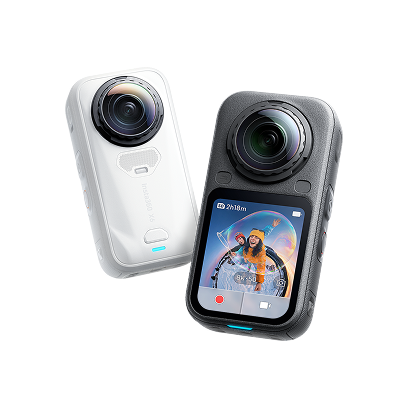
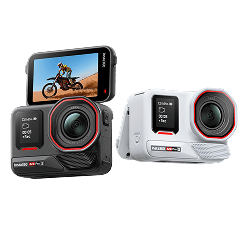
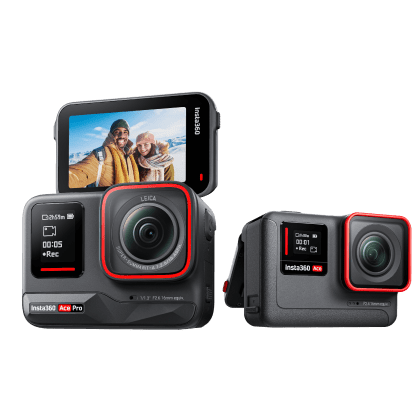
Insta360 Ace Pro 2 can capture video in 8K at 30fps or 4K at 60fps. The wide-angle camera is ideal for exhilarating POV footage or acting as a ride recorder for safety reasons.
Stability
Cycling is rarely a smooth ride. You’re bound to hit some bumps, so stabilization is crucial. Look for cameras that can keep your footage smooth, even when the ride isn’t, to produce a more enjoyable video to watch and edit.
Action cameras typically employ electronic image stabilization (EIS) to reduce shakiness. A quality action camera eliminates vibration, even on unpaved roads.
Ease-of-Use
Fidgeting with your camera is frustrating and especially dangerous while you’re riding. Look for a camera with large buttons you can easily press, voice control, or gesture control. Being unable to control your camera while riding can be frustrating and delay your commute.
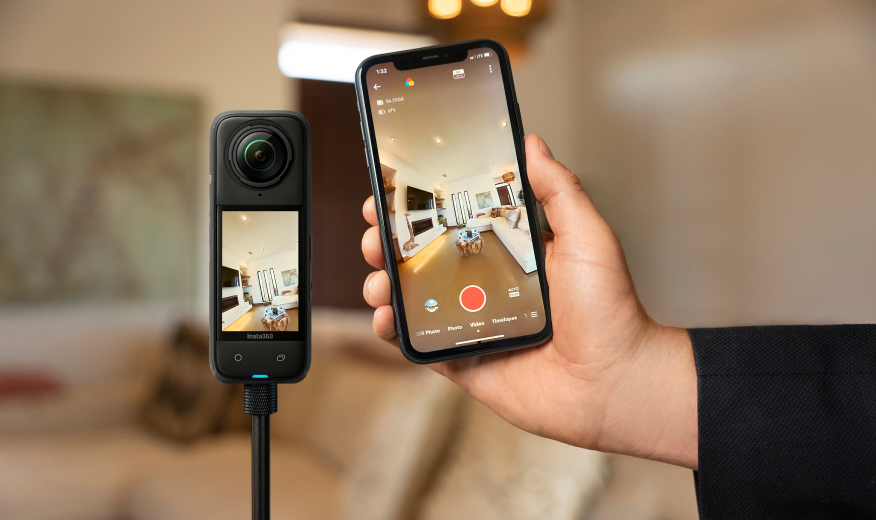
Consider a camera with a seamless smartphone app for live view and simple editing. This feature can help you frame footage in real-time and assist in editing to get the most out of your recordings.
Durability
You’re going to be riding through various weather conditions. You’ll need all of your equipment to hold up, especially your camera. An IPX7 or better waterproof rating is the bare minimum required for your camera to survive rainy weather.
You’ll also want a camera that protects against drops and bumps. If you’re in an accident, the last thing you need is for your camera to break and potentially lose your evidence.
Mountability
Not all bikes are the same, so your camera should be compatible with various mounting methods. Whether you want to attach your camera to your handlebars or your helmet, invest in a camera with mounting flexibility.
Mounting at various anchor points can provide different angles in your shots. Experimenting with different angles helps you engage your audience and capture details you might’ve missed during the ride.
Portability
The last thing you need while cycling is a bulky camera weighing you down. A compact and lightweight design is essential to capturing footage without affecting your experience. Highly portable cameras are also easier to carry and reposition mid-ride.
Battery Life
Some bike rides last an hour or more. You’ll want your camera to last as long as your ride does, so you can capture every moment. Invest in a camera with 90+ minute runtime, fast charging, and swappable batteries to ensure the entire ride is recorded.
Storage
Cameras that support microSD cards are always best, and loop recording is useful for safety reasons. Basically, this feature tells the camera to record for a certain amount of time before overwriting that footage.
Filming Techniques for Cyclists
Raw footage rarely captures an audience. While cycling down your favorite bike path can be a rush, watching the footage as an outsider can be boring. Choosing the right filming techniques for your cycle and editing the footage is essential for engaging your viewers.
Time-Lapse Rides
A time-lapse video is created by capturing a series of images at a fixed interval over an extended period. It condenses a long period of time into a shorter video, allowing others to quickly experience something that would otherwise take a long time to show. This technique is useful in showcasing your entire commute in a matter of minutes.
Employ time-lapses when you’re showcasing bike trails. They do well in highlighting the scenery without showing long stretches of the same view. This film technique can turn otherwise mundane footage into something captivating.
POV Shooting
Point-of-view (POV) shooting is a technique in which the camera is positioned as if through your own eyes, showing the experience through your perspective. These shots can be used to immerse viewers in your cycling experience and make them feel as if they’re a part of it, too.
Different angles of POV shooting can serve different purposes. Mounting your camera to your helmet will show the commute from your view, allowing viewers to see what you see. Mounting it to your chest will show your arms and handlebars in the footage, providing a more immersive experience. Mounting the camera to your handlebars will focus on the road, providing cool footage of the trail.
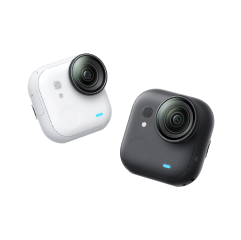
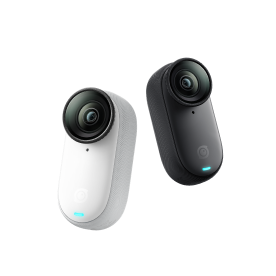
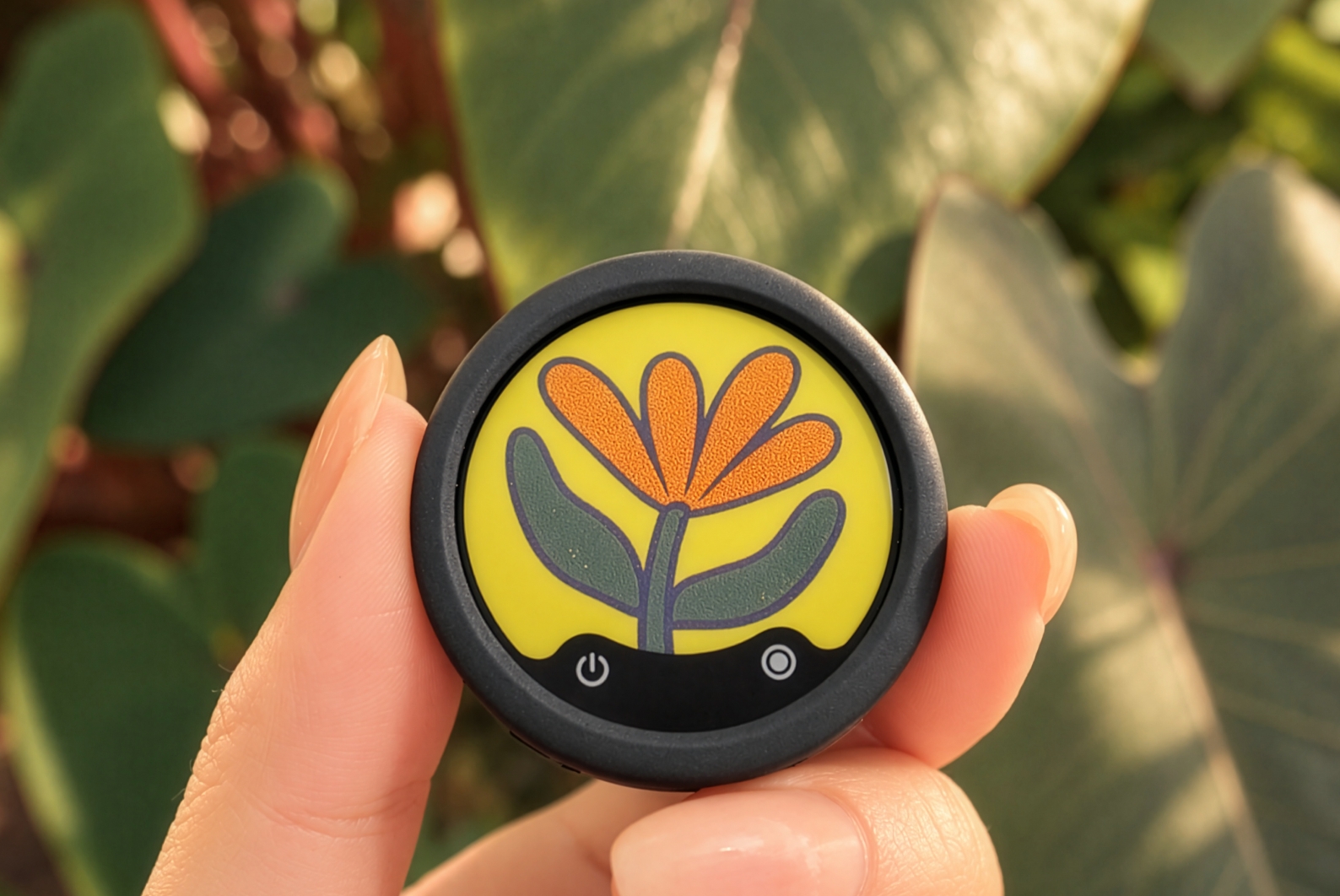
A tiny clip-on camera like Insta360 GO Ultra makes POV shooting even more convenient since it can be worn without heavy mounts and still delivers awesome 4K footage. You can also sync your GPS and important data such as heart rate, speed and more, directly from Strava, a Garmin device, or your Apple watch, directly adding it to all footage for a tech-savvy upgrade.
Dynamic 360 Footage
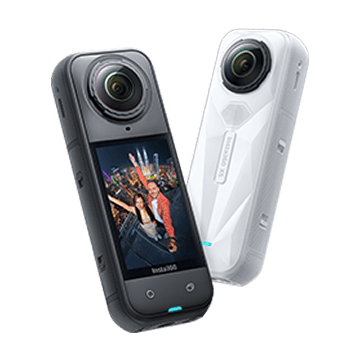
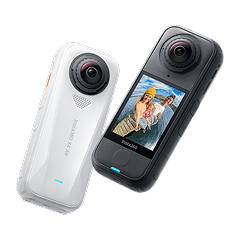
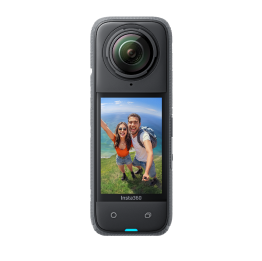
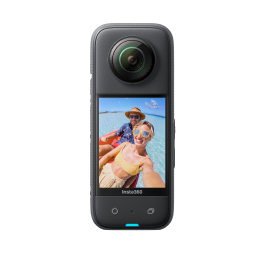
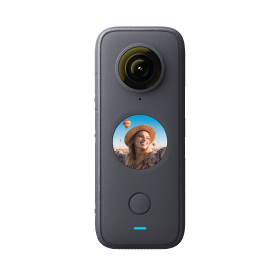
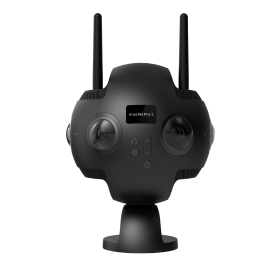
360 footage is useful for showing the environment from any angle you choose. These specialized cameras capture every angle simultaneously and allow you to reframe the footage to your liking during editing. 360 footage is especially captivating when highlighting the beautiful scenery on your biking commute.
This type of footage can act as a POV shot, but gives you the license to change the angle if you feel something is worth focusing on. 360 footage is also handy as a safety feature. If you’re caught in an accident, having footage from all angles is essential to understanding what occurred.
Safety and Legal Considerations for Ride Cameras
As exciting as bike cameras are, there are some safety and legal considerations to take into account. You can still be responsible while having fun, and adhering to these considerations protects everyone’s privacy and safety.
Recording Responsibly in Public Spaces
Recording in public spaces is legal in most places, as there’s no reasonable expectation of privacy. Posting footage, however, raises some concerns, as some people in the footage may have a right to privacy complaints. Consider blurring faces and license plates to avoid issues.
While capturing video footage in public is legal, recording audio is a different story. Legal concerns will vary by state. If your state has a one-party consent law, you can record audio if at least one person—typically you—consents. If your state has a two-party consent law, you’ll need the permission of everyone in the conversation in order to record legally.
Legal Restrictions on Helmet/POV Cameras
There may be some safety restrictions in your area regarding helmet cameras. Local laws may restrict helmet modifications as they can interfere with safety standards. Avoid drilling holes into your helmet to mount a camera, as you can ruin the integrity of your safety gear.
In addition to legal concerns, helmet cameras can raise safety concerns. Ensure your camera doesn’t block your view or distract you while riding. If you’re concerned about the legal or safety issues of a helmet camera, consider a handlebar or chest-mounted alternative.
-tuya.jpg)
Using Cameras as Ride Recorders for Insurance or Safety
If you’re using a camera for safety reasons, turn on loop recording so it automatically overwrites old footage, and you don’t run out of storage. Mount your camera securely, keep the date and time enabled, so it’s known when the accident occurred, and set the field-of-view to the widest setting to capture surrounding traffic.
Consider two cameras to record the front and rear. If you’re involved in an accident, save the unedited footage immediately before it’s overwritten. Keep it private until it’s needed to avoid legal issues.
Preparing Your Camera for Every Ride
Just like you need to check your bike before every ride, you should also take some precautions with your recording equipment. Preparing your camera before every ride will ensure you get the exact shots you need. Nothing’s worse than coming home full of excitement only to find out you were recording the sky the entire time.
- Charge the battery: Ensure your camera’s battery is fully charged before you head out. Pack a battery pack or extra batteries, depending on the length of your commute.
- Check the storage: Ensure you have a microSD card inserted and there’s enough space on it to record your ride. If you’re using your camera for safety reasons, ensure you have loop recording enabled.
- Confirm settings: Check the resolution and frame rate, turn on your preferred shot mode, and activate stabilization. Check your date and time settings to ensure they’re accurate.
- Mount it securely: Choose where you want to mount your camera and ensure it’s secure. Angle it however you wish to capture footage.
- Test it: Turn on your camera before starting your ride and record a few seconds. Watch the footage and confirm it’s recording just how you want it to.
Connect with Cycling Communities and Share Your Rides
Joining a cycling community has numerous benefits. You’ll be more motivated to ride and challenge yourself, you can pick up tips on routes and equipment, and biking with packs is safer than traveling alone. Plus, having someone to share your exciting adventures with makes the experience much more fulfilling.
However, finding a local cycling club can be tricky. Ask your local bike shops if they host or know of any clubs. Research local advocacy groups online or attend events where you can meet other riders. Online clubs may exist on Facebook, Reddit, and other online forums.
Share footage and achievements with online communities and find inspiration in their rides. Insta360 Studio allows you to edit and upload your footage to your social media so you can share your favorite moments right after editing.
Frequently Asked Questions
What Is the Cycling Trend in 2026?
E-bikes have begun trending due to making cycling much more accessible. 360 action cameras have also risen in popularity in recent years, and for good reason. These devices allow you to record from all angles simultaneously, then choose the desired angles while editing, not letting a single moment fly by.
What Is the Best Camera for Cyclists?
The best camera for cyclists depends on the cyclist’s needs. For everyday commuters, a durable camera with long battery life and loop recording is ideal for safety reasons. For content creators, a camera with high video quality and stabilization technology is essential. Adventure riders enjoy durable and water-resistant devices.
Cycling Cameras Enhance Safety, Performance, and Ride-Sharing Experiences for Cyclists
Finding the best cycling camera boils down to the key features you prioritize. Whether you prioritize video quality, battery life, or durability depends on your cycling goals. Content creators typically aren’t looking for the same things casual commuters are looking for.
Insta360 cameras cover all your needs. Capture the most gorgeous footage at the highest quality with a lightweight yet durable camera like Insta360 GO Ultra. Find the perfect camera for your biking goals today.
Keen to keep up to date on Insta360 stories? Keep an eye on our blog and sign up for our mailing list. Got a story to share? Email yours to communitystories@insta360.com and win up to US$50.




%20(1).svg)


%20(1).svg)

.svg)