















Buying your first camera should be exciting. Instead, most people end up lost in a sea of specs, acronyms, and forum debates that assume you already know what you're doing. This guide cuts through all of that.
Whether you want to shoot travel videos, start a YouTube channel, document adventures, or just take better photos than your phone allows, the right first camera exists for you. You just need to know where to look.
What Kind of Creator Are You?
Before comparing cameras, it helps to be honest about how you actually plan to use one. The best camera for beginners is the one that fits your life, not the one with the highest spec sheet.
Ask yourself a few questions:
- Will you mostly shoot outdoors, on trips, or during activities?
- Do you want to create video content, photos, or both?
- How much do you want to carry around day to day?
- Are you willing to learn manual settings, or do you want something that handles the hard work for you?
Your answers will narrow things down fast.
The Main Types of Camera for Beginners
Mirrorless Cameras
Mirrorless cameras are the most popular starting point for photographers today. They are more compact than traditional DSLRs, faster to focus, and capable of impressive video quality. Most entry-level mirrorless cameras include touchscreens, guided shooting modes, and straightforward menus that make the learning process manageable.
If your goal is portrait photography, landscape shooting, or casual vlogging from a fixed position, a mirrorless camera gives you a strong foundation with room to grow as your skills develop.
Best for: Photography-focused beginners, vloggers who shoot from a tripod or desk setup, people who want to learn manual camera controls over time.
Action Cameras
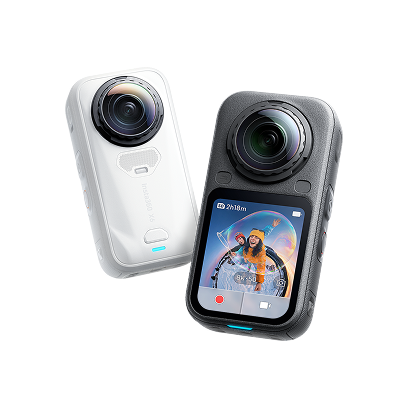
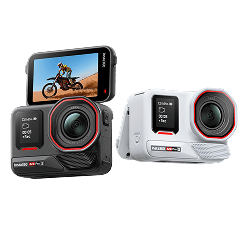
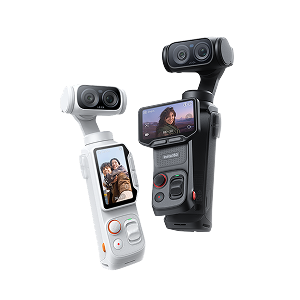
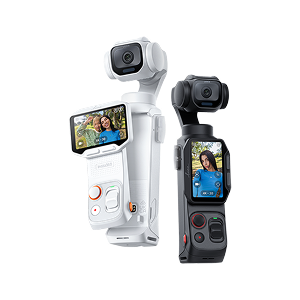
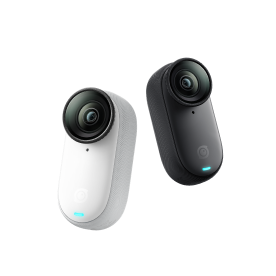
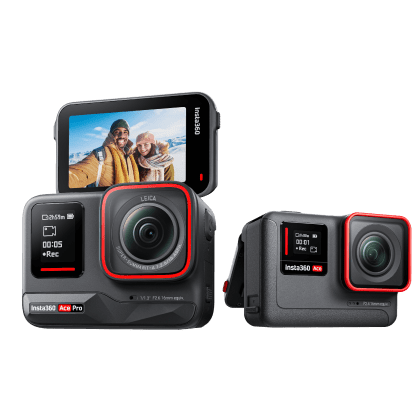
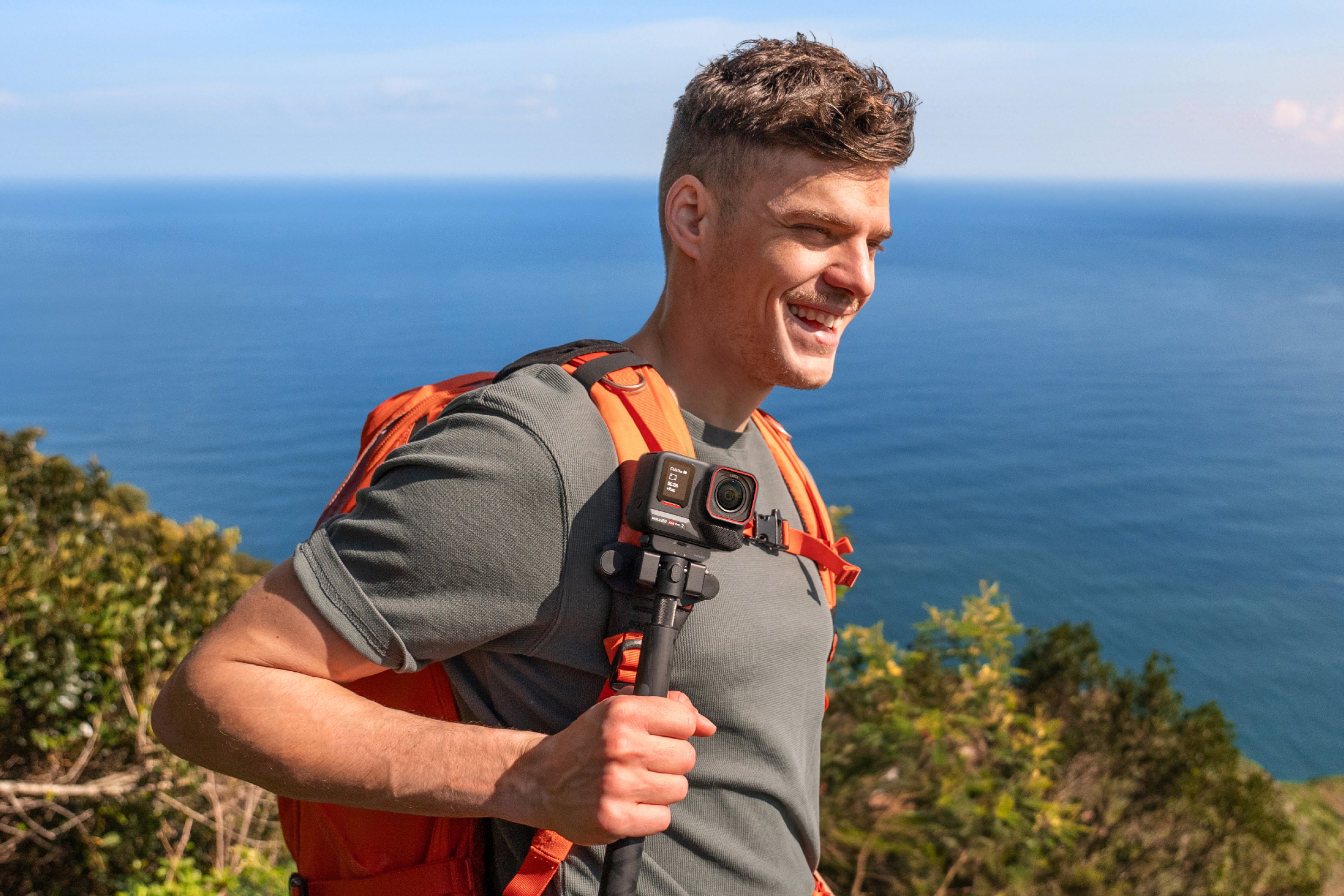
Action cameras are built for people who want to document life as it happens, not set up a shot. They are compact, rugged, waterproof, and designed to go wherever you go without slowing you down.
Modern action cameras have closed the gap with traditional cameras significantly. Many now shoot high-resolution video with advanced stabilization, wide dynamic range, and intelligent shooting modes that produce great footage without much technical input from the user.
Best for: Travel creators, adventure sports, active lifestyles, anyone who wants to film without thinking too much about technique.
360 Cameras
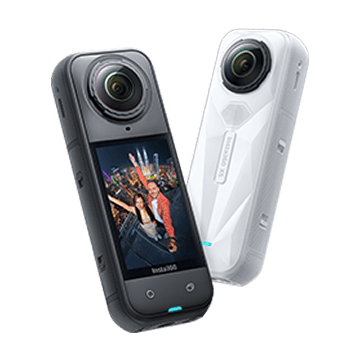
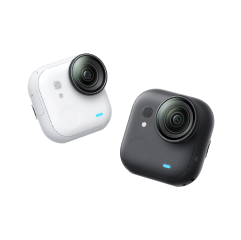
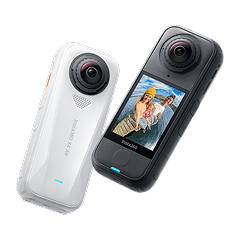
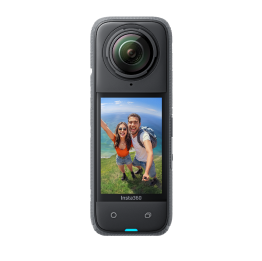
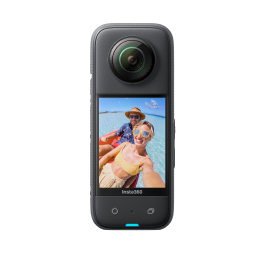
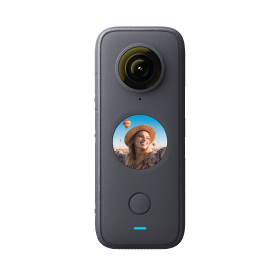
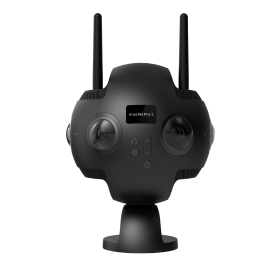
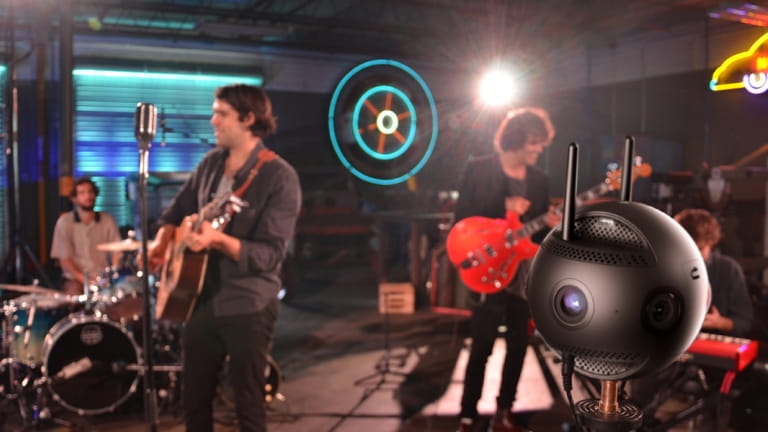
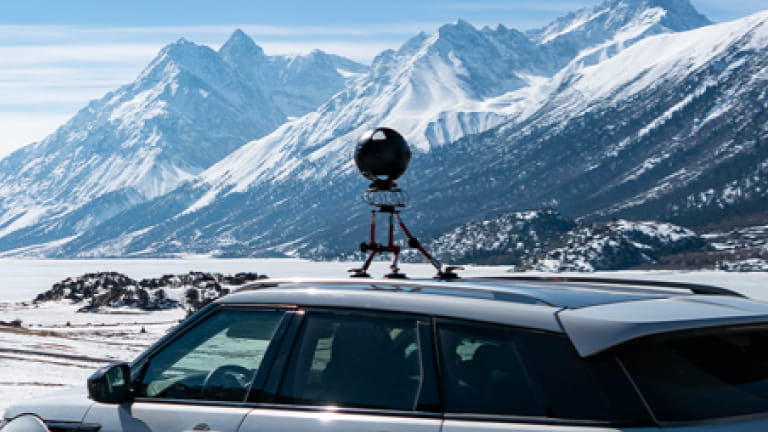
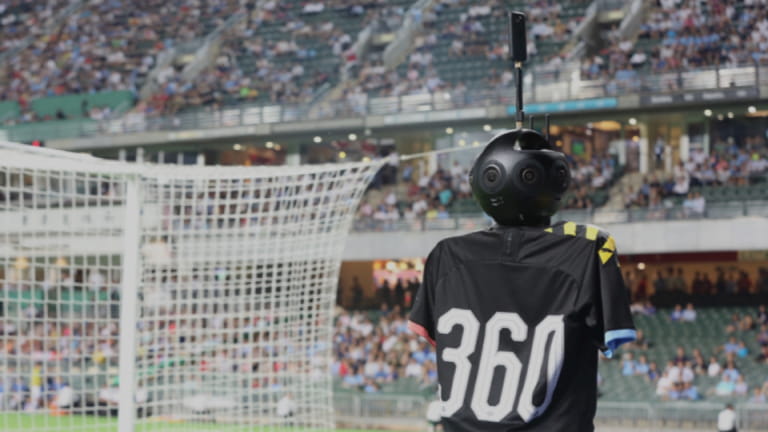
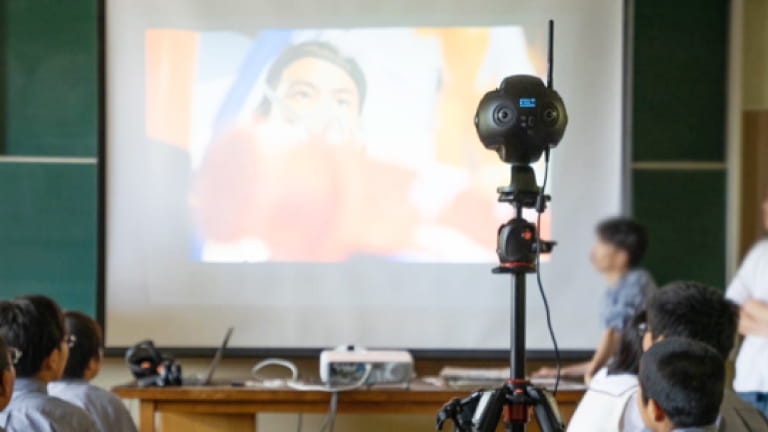
360 cameras take a fundamentally different approach to filming. Instead of pointing a lens at a subject, they capture everything around you simultaneously. You choose the angle, framing, and perspective afterward in the editing app, which makes them forgiving to use and genuinely creative to edit.
For beginners, this is a significant advantage. You are not locked into a single framing decision made under pressure in the moment. You capture the whole scene, then direct it in post.
Best for: Travel and adventure content, social media creators, beginners who want creative flexibility without mastering camera technique first.
Key Factors to Consider
Budget
Entry-level mirrorless cameras typically start around $500 to $700 for the body alone. Add a starter lens, memory cards, and a bag and you are looking at $800 to $1,000 before you press record for the first time.
Action cameras and 360 cameras generally offer more value at lower price points and require no additional lenses or accessories to get started.
Portability
A camera you leave at home because it is too heavy is not a good first camera. Think honestly about how much bulk you are willing to carry. If your content involves hiking, travel, cycling, or any kind of movement, portability matters more than almost any other spec.
Ease of Use
Beginners benefit most from cameras that get out of the way. Intelligent auto modes, in-app editing tools, and clear interfaces reduce friction and help you focus on actually creating rather than troubleshooting settings.
Video vs. Photo
Most modern cameras handle both, but not equally. If video is your priority, look for good stabilization, clean autofocus tracking, and strong low-light performance. If you are primarily a photographer, sensor size and dynamic range matter more.
Why Insta360 Is Worth Considering as Your First Camera
Insta360 makes a strong case for beginners across its action and 360 camera lineup. A few reasons stand out.
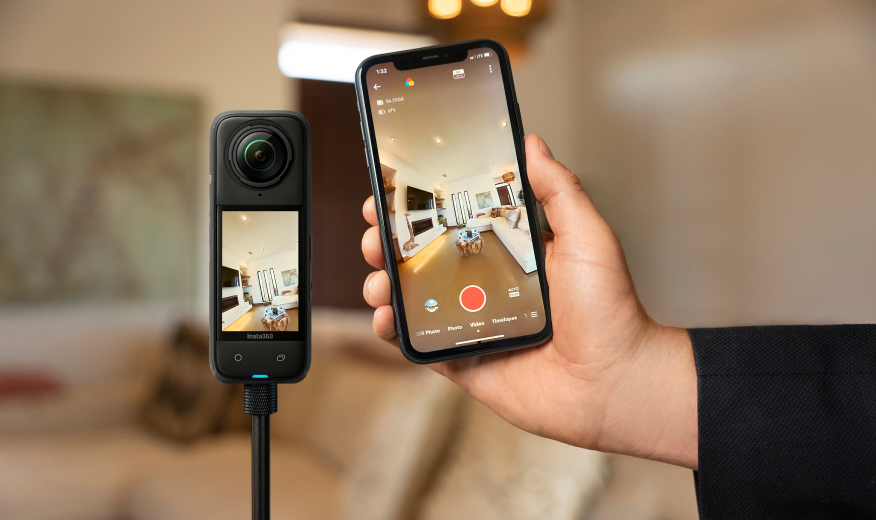
You do not need to nail the shot while filming. Insta360's 360 cameras capture the full environment around you. Once you are back at your phone, you reframe the footage however you want, choosing angles, perspectives, and movements in post. For beginners still developing an eye for composition, this removes one of the most stressful parts of filmmaking.
The stabilization does the technical work. FlowState stabilization keeps footage smooth even during fast movement, rough terrain, or handheld shooting. You do not need a gimbal or extensive technique to get results that look deliberate and professional.
The editing app is built for creators, not professionals. The Insta360 app handles everything from reframing and exporting to AI-powered editing and social-ready formatting. Beginners can produce polished content from their phone without touching desktop software.
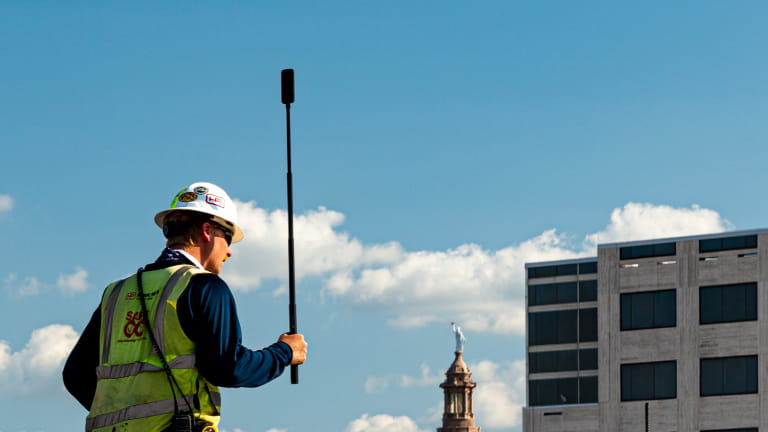
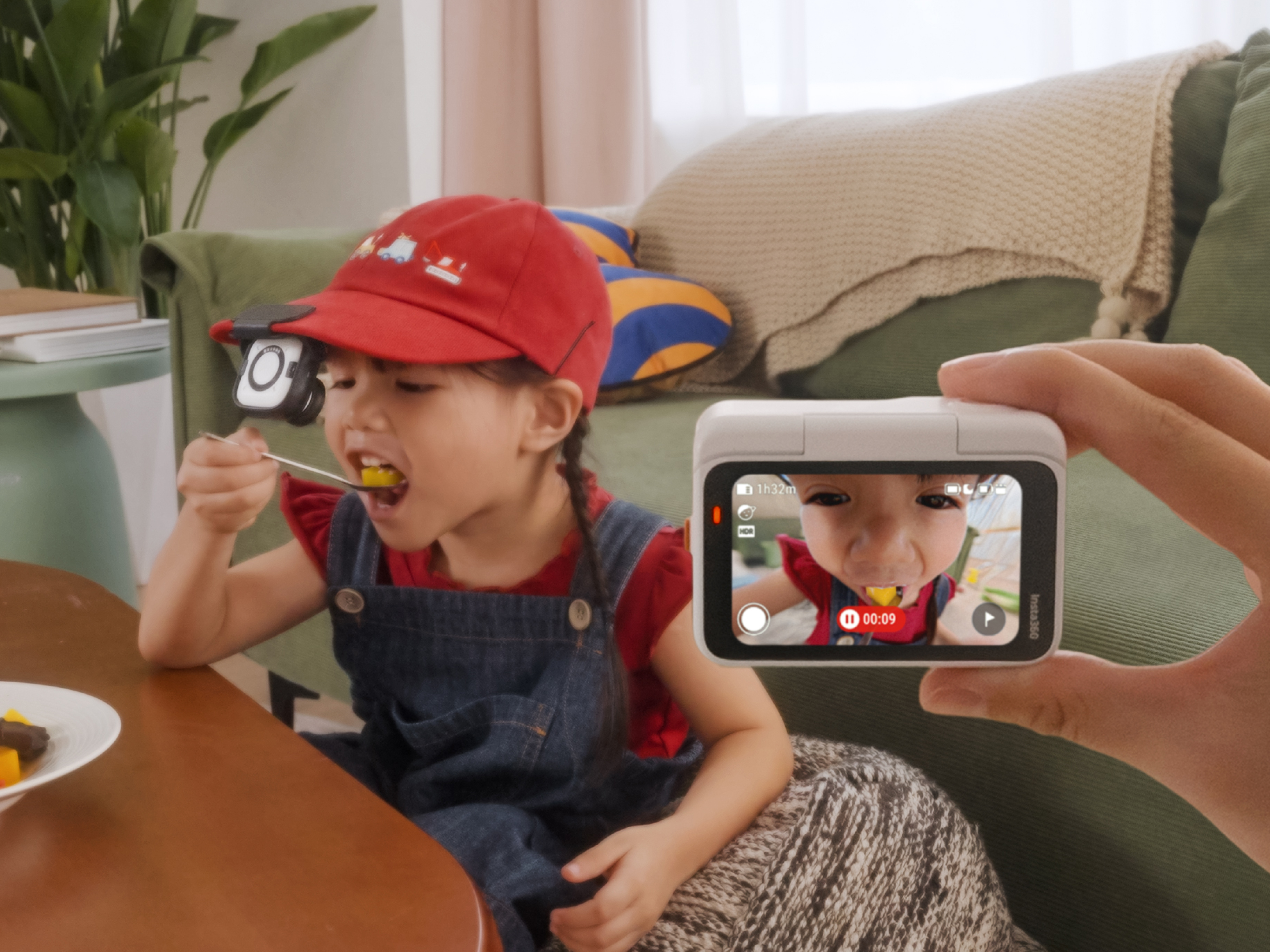
The cameras are genuinely portable. Insta360 action and 360 cameras are compact, lightweight, and waterproof out of the box. They go in a pocket, clip to a bag, or mount to a bike or helmet without requiring a dedicated carry case or complex rigging.
For a beginner who wants to create travel content, adventure videos, or dynamic social posts without spending months learning camera technique, Insta360 removes most of the barriers between having an idea and publishing it.
What Gear Do You Actually Need?
Keep it simple at the start. The essentials for any beginner camera setup are:
- A fast, high-capacity memory card (V30 rated or higher for video)
- A spare battery or charging case
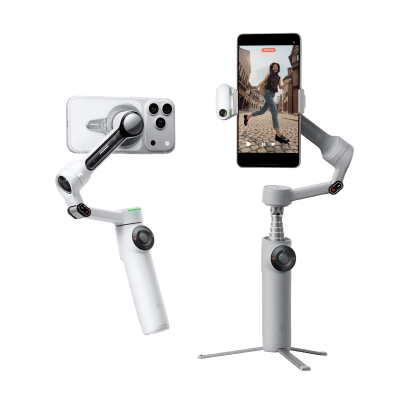
- A basic mount or grip suited to how you plan to shoot
- A protective case or pouch for travel
Avoid the trap of buying accessories before you know how you actually shoot. Most beginners overbuy gear in the first month and underuse most of it. Start with the basics, learn your habits, then add what genuinely fills a gap.
Frequently Asked Questions
Do I need a full-frame camera as a beginner?
No. Full-frame cameras are expensive and the benefits are most relevant to experienced photographers shooting in demanding conditions. An entry-level mirrorless or a capable action camera will produce results far beyond what most beginners need.
How much should I spend on my first camera?
Anywhere from $300 to $800 is a reasonable starting range depending on the type. Action and 360 cameras offer excellent quality at the lower end of that range with no additional lens costs. Mirrorless cameras often need a lens purchase on top of the body price.
What is the best camera for beginners who want to make videos?
For video-first creators, action cameras and 360 cameras consistently outperform entry-level mirrorless options in real-world usability. Stabilization, portability, and ease of editing all favor the action camera category for beginners producing content on the move.
Is a 360 camera good for beginners?
360 cameras are particularly well-suited to beginners because they reduce the pressure of getting the shot right in the moment. Capturing everything around you and reframing in post is a more forgiving workflow than traditional single-lens shooting.
What makes Insta360 good for beginners?
Insta360 cameras combine strong hardware with an intuitive app that handles most of the technical complexity. Stabilization, reframing, editing, and exporting are all handled in a single workflow that does not require specialist knowledge to use well.
The Bottom Line
The best camera for beginners is the one you will actually use. Specs matter less than fit. If a camera is too complicated to pick up spontaneously, too heavy to carry everywhere, or too expensive to justify, it will sit on a shelf.
Start with something that matches how you actually live and create. For most beginners today, that points toward something compact, capable, and low on friction. Insta360's action and 360 camera range sits squarely in that category, making it a strong starting point for anyone getting into content creation in 2026.





%20(1).svg)


%20(1).svg)

.svg)