































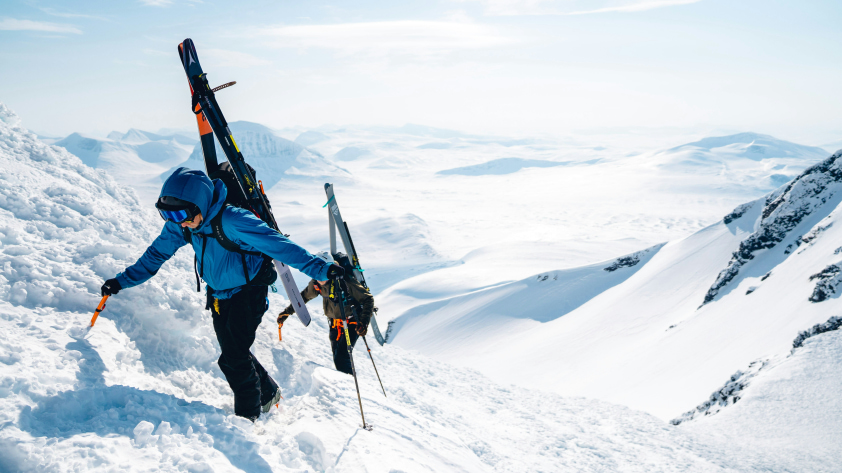


There’s skiing—with its groomed runs, cozy cabins with hot cocoa, and comfy, convenient chairlifts—and then there’s ski mountaineering. It’s where the chairlifts stop and the real adventure begins—where your muscles burn and your mind tries to reason with you to stop, but also where the most astonishing experiences can be found. Think hiking uphill on skis, earning every turn, and dropping into untouched powder miles from the nearest resort. If you’ve ever stared at a peak and thought, “what if I could ski that?”, this sport (and this guide!) is for you.
Understanding the Spirit of Ski Mountaineering
Where do we even begin? Ski mountaineering is so much more than just a sport. It may sound grandiose, but for some, it's a way of life—a mindset that operates in a very different way compared to 98% of other skiers out there. It’s about trading the comfort of ski lifts for the quiet grind of the climb, but the rewards are spectacular. True mountain freedom and fresh powder all to yourself.
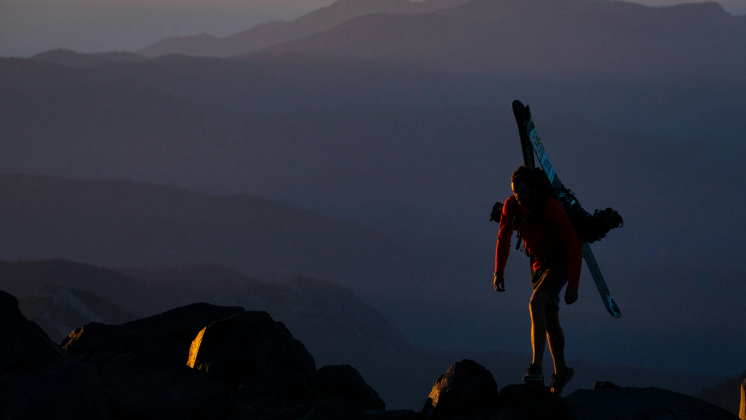
Ski mountaineering is part backcountry exploration and part alpine endurance test; it blends skiing skills with mountaineering know-how. You’ll move through landscapes few people ever reach, crossing glaciers, ridgelines and wide-open bowls of untouched snow. Every summit feels like a victory—especially when you can relive it later through immersive footage captured on an adventure camera built for the wild.
Laying the Groundwork for Your First Tour
Before tackling your first big climb, it’s all about preparation. With regular skiing, you can clip in for a couple of hours but always remain within the relatively safe confines of the ski resort. Ski mountaineering is a whole different beast that requires skill, fitness and a solid understanding of mountain safety. Think of yourself as a solid skier? Great, but be prepared to move from comfortable runs with ski lodges on tap to real wilderness.
Start small and build confidence with solid piste practice, familiarize yourself with essential touring gear and learn from people who’ve been there before. Please don't plunge into the depths of the backcountry on your first outing. It isn't smart, and it isn't sensible. A little groundwork goes a long way toward keeping you safe and making sure your first tour feels like an adventure, not a survival test.
Building Confidence Through Piste Practice
Before you can conquer peaks, you need to master the slopes. Time spent on groomed runs helps you develop control, balance and endurance. Focus on smooth turns, handling mixed snow and staying stable in variable conditions.
If you’re new to off-piste terrain, consider taking lessons or joining a local ski club. You’ll gain muscle memory and mental readiness for unpredictable backcountry snow. That steady confidence you build on-piste will make the uphill grind—and the descent—feel a lot more natural. Remember, when you're out of bounds, there are no trail designations and no trail maps. Once you tip over the edge and begin your descent, there's no going back, which is why plenty of practice on manageable pistes can make such a difference.
Essential Gear for Safe Ski Touring
Ski touring may require you to be away from easily accessible terrain for some time, and you should pack accordingly. At minimum, you’ll need:
- Touring skis with compatible bindings
- Climbing skins for uphill travel
- Lightweight boots designed for mobility
- Avalanche beacon, probe, and shovel
- Helmet, harness, and crampons for technical routes
- Layers that keep you warm but breathable
- A little food and water
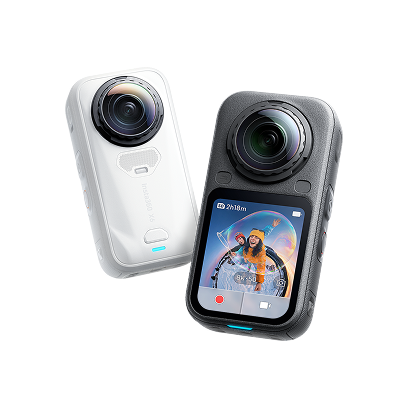
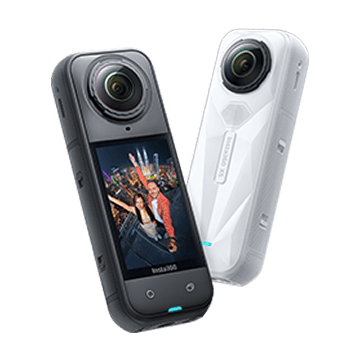
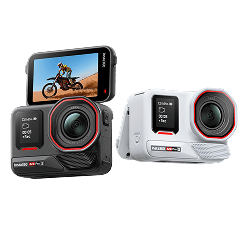
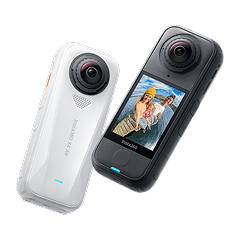
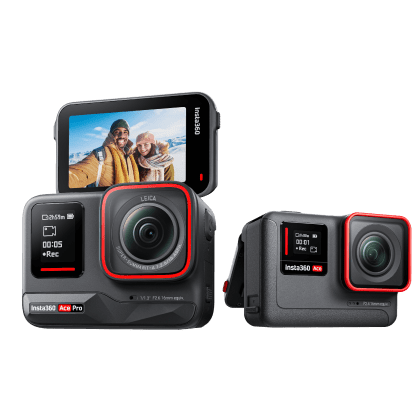
With all that gear crowding your pack, it might be tempting to leave the camera behind. But that would be a mistake. Ski touring, especially in the backcountry, often provides the kind of footage that will leave your viewers awestruck. Vast sweeping mountain ranges, thick pine forests without a human soul for miles, and powder that reaches your waist. It almost sounds unbelievable if it wasn't all on film. Recording your climbs and descents with an Insta360 X5, Insta360 Ace Pro 2 or Insta360 X4 lets you capture every step in crisp 360 detail—hands-free, stabilized and ready to share.
The Value of Guides and Group Learning
Ski mountaineering comes with risk. We don't want to put anybody off, but countless things can go wrong. The point is, if something goes wrong, having a guide or a group around you can be the difference between a bad situation and a life-threatening one. A certified guide or experienced partner can teach you how to read terrain, pace climbs and spot avalanche hazards long before they become threats. They can be a gold mine of indispensable ski mountaineering knowledge.
Staying Safe: Avalanche Awareness and Fitness
Avalanches are what ski mountaineers dread the most. One moment you're blazing fresh tracks through deep snow on a beautiful bluebird day, then a rumble above you signals the beginning of something terrifying. Before heading into the backcountry, understanding avalanche risk is non-negotiable. Snow conditions, slope angles and recent weather all influence stability, and even small slides can turn deadly fast.
Take an avalanche awareness course and practice using your beacon, probe and shovel until it’s second nature. Learn how to read the snowpack, recognize terrain traps and make smart calls when conditions change. Human error causes most incidents, not gear failure or bad luck—proof that knowledge is your best protection.
Physical preparation matters just as much. Climbing uphill in deep snow with a full pack demands endurance, balance and strength. So, focus on building leg power, core stability and cardio fitness before your first big tour. The fitter you are, the better you are at making decisions. Some other practical points: if you need an inhaler or specific medication, ensure you have some on you. In a perfect world, you'll be home and dry exactly when you predicted, but anything can happen in the backcountry.
Choosing Routes and Seasons to Begin
For beginners, spring is often the sweet spot—longer days, a more stable snowpack and milder temperatures that make those early starts a little easier to handle. Obviously, we're only just approaching winter now, meaning spring is some time off, so if you want to get started soon, look for routes with gentle slopes and gradual elevation gain. Ease into it. Low-angle terrain reduces avalanche risk but also lets you focus on your technique and stamina without the added stress of steep climbs.
Before every outing, check local avalanche forecasts, weather updates and recent trip reports. Conditions can change overnight, and what looked perfect yesterday might not be safe today. This isn't a popular choice, but sometimes, even when you've been looking forward to a day for weeks, it's better to call it off or choose an alternative route if conditions aren't favorable.
Frequently Asked Questions
How To Get Into Ski Mountaineering?
Start by building a solid base in skiing. You’ll want to feel completely comfortable on a variety of snow types before venturing off-piste. Next, invest in an avalanche safety course—it’s the smartest and safest way to learn the basics of mountain travel. Once you’ve mastered the fundamentals, you can start tackling small, manageable objectives and gradually work your way up to bigger peaks.
How Does Ski Mountaineering Work?
Ski mountaineering follows a simple rhythm: climb, transition and descent. Using climbing skins, you hike uphill on your skis—no lifts required—until you reach your goal. Then, with a quick gear swap, you switch to downhill mode and ski back down, often through untouched snow and stunning alpine scenery.
Ski Mountaineering Builds Endurance and Captures Freedom
If you've always looked at those hiking up to peaks that no ski runs touch and thought, "I wish that were me," now is the time. For the avid skiers out there, ski mountaineering is like venturing onto another snow planet entirely. It's challenging, rugged and frustrating, but also hugely rewarding. The endurance of the climb and the thrill of the descent are what skiing is really about. You'll pant on the uphills like you've never panted before, but the downhills? Well, that's some of the best skiing you'll ever do in your life.
Great adventures demand great footage. Capture them all with a camera built for the extremes. From the snow-crusted peaks to the sweeping powder turns below, let your Insta360 camera document every climb, fall and triumph in immersive 360 detail. This is one story you'll want to watch again and again.
Keen to keep up to date on Insta360 stories? Keep an eye on our blog and sign up for our mailing list. Got a story to share? Email yours to communitystories@insta360.com and win up to US$50.




%20(1).svg)


%20(1).svg)

.svg)