















A lone streetlight illuminates a dark street where a single person stands. Half his face is in darkness, the other is well lit. The scene is atmospheric, brooding—perhaps even a little scary. It’s amazing what you can do with some well-placed lighting.
Photographers and filmmakers often fall into the trap of wanting their scenes to be fully illuminated at all times. The more light the better. And yet, when you start to play around with light, that’s when you really draw the emotion out of a shot. When light is stripped back to its essentials, it sharpens contrast, deepens textures, and thickens the atmosphere. More isn’t always better.
Defining Low-Key Lighting
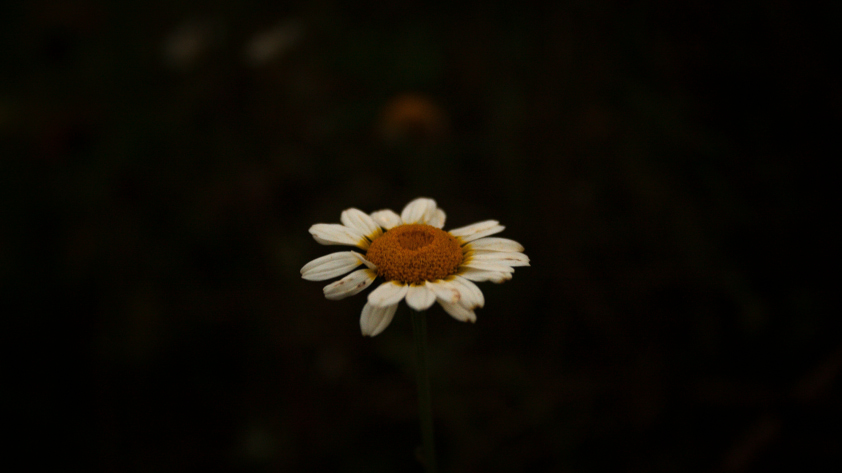
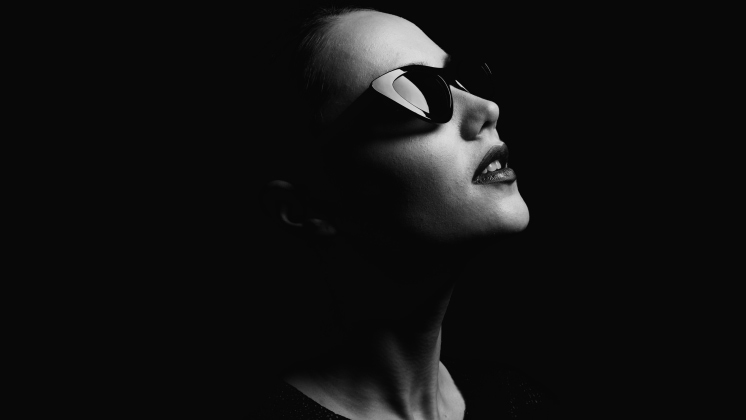
Low-key lighting is all about contrast, and when it’s done well, the results are spectacular. Instead of evenly illuminating a scene, low-key lighting intentionally limits fill light, allowing deep shadows to dominate the frame. The result is a sharp contrast between shadows, often in deep black, and light, which illuminates a subject or object—or part of it—just right.
Before we go on, let’s just clear one thing up. Low-key lighting and underexposure are not the same thing. Underexposure means that a scene or image doesn’t have enough light, and the result is a murky shadow across various parts. Underexposure isn’t usually intentional; it occurs when insufficient light reaches the camera sensor.
Low-key lighting, however, is very much intentional. The highlights are properly controlled, and the shadows, while very dark, are intended to provide contrast with the light. It’s a great technique for building atmosphere, and by reducing visual clutter, it isolates subjects, emphasizes texture, and builds tension.
Common Scenarios and Genres
Low-key lighting isn’t for every situation. A five-year-old’s birthday party would probably look strange with moody, low-key lighting, but each to their own. Here’s a list of some of the most common scenarios and genres you might find it in.
- Thrillers and psychological dramas
- Horror films and suspense sequences
- Film noir aesthetics
- Moody portrait photography
- Product reveals with dramatic shadow falloff
- Nighttime travel storytelling
- Urban street scenes after dark
- Cinematic YouTube intros
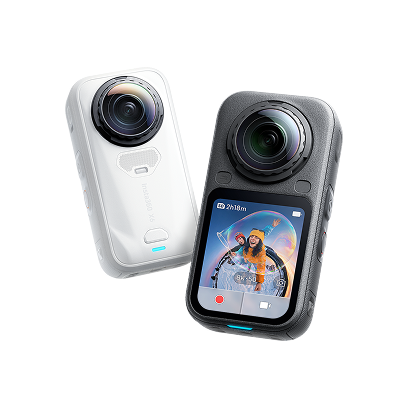
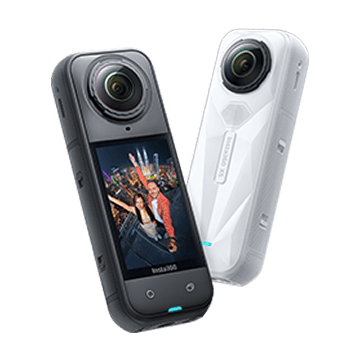
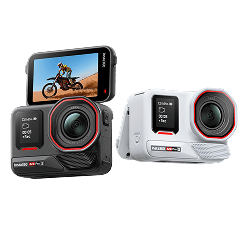
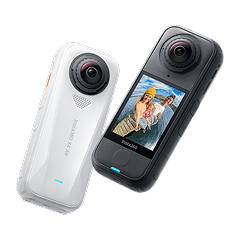
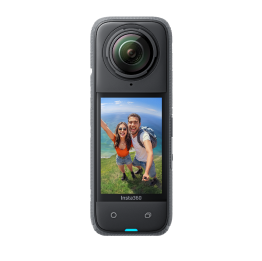
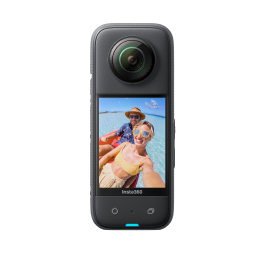
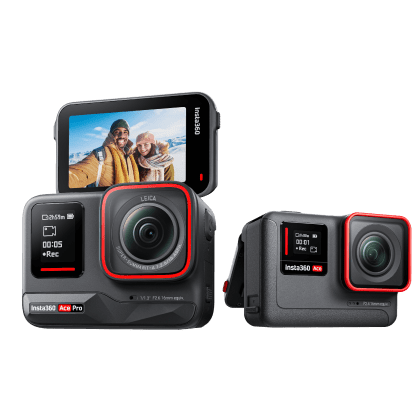
But this style isn’t reserved for Hollywood sets. It’s just as powerful for creators capturing night markets, abandoned buildings, mountain campsites, or quiet city corners after midnight. With cameras like Insta360 X5 or Insta360 Ace Pro 2, creators can lean into that contrast without sacrificing clarity.
Technical Foundations of Low-Key Lighting
Sounds exciting, but getting low-key lighting right takes a bit of practice and some foundational knowledge.
Camera Sensitivity & Dynamic Range
Shadows are only powerful if they hold detail. If not, they just become black holes. Dynamic range is the camera’s ability to retain information in both bright and dark areas of an image. With mediocre cameras with a small dynamic range, you’ll often find that shadows clip into flat black or highlights blow out into white. However, with a high-quality camera with a wide dynamic range, you’ll see images where both extremes retain detail.
Cameras like Insta360 Ace Pro 2 are built to handle high-contrast environments, allowing creators to preserve subtle gradations in shadow while keeping highlights crisp. It comes with 13.5 stops of dynamic range. This allows it to capture detailed, vibrant, and well-exposed footage even in challenging high-contrast, bright, or nighttime photography and filming.
Three-Point Lighting and Ratios
Classic three-point lighting provides a foundation—even if you don’t use all three lights.
It includes:
- Key light – The primary source shaping your subject.
- Fill light – Softens shadows created by the key.
- Back light – Separates the subject from the background.
When doing low-key lighting, the key light does most of the heavy lifting, while the fill light, which usually makes sure everything is nice and even, is toned way down or removed entirely.
You can figure out what works best for you by using the key-to-fill ratio, with the higher the ratio, the more contrast you introduce.
- 1:1 ratio – Flat, evenly lit.
- 2:1 ratio – Subtle modeling.
- 4:1 or higher – Pronounced, dramatic shadows.
Pushing higher than 4:1 will create some really dramatic effects, but will mean virtual darkness for your shadows.
The good news is that you don’t need a fancy studio setup. A campfire can act as a great key light, while a streetlamp can be a perfect back light. When you start looking around the world with lighting in mind, you’ll be surprised by what you see.
Light Quality: Hard vs Soft
We also need to think about hard and soft lighting, as they provide very different aesthetic looks.
Hard light creates sharp-edged shadows and defined transitions. Think flashlight beams, bare bulbs, headlights cutting through rain. Hard light emphasizes wrinkles, grit, and surface detail.
Soft light diffuses those transitions. Shadows fade gradually, skin looks smoother, and the mood feels controlled rather than harsh. Think LED lights that are bounced off another surface.
Low-key lighting usually leans towards hard light because it makes the distinction between shadow and light more defined, but soft lighting can work well, too.
Creators working with compact setups—like pairing a single LED panel can experiment with both qualities simply by adjusting distance or adding diffusion. Light closer to the subject becomes softer. Light farther away becomes harder. Small shifts. Big difference.
Low-Key Lighting in Storytelling and Mood Creation
Think about the most atmospheric scenes from movies—most of them will include either low-lighting or other specialized lighting techniques to create mood and drama. But it’s not just one mood. Done in different ways, it might provide mystery, isolation, intimacy, power, danger, or focus.
In a travel vlog, don’t just walk through a dim alley—use the environment intentionally to really set the mood. Position your subject under a single streetlamp and let the background fall into shadow. Expose for the face, not the surroundings, and if neon signs are nearby, angle them slightly behind the subject to create separation and a subtle rim light.
On an adventure shoot, a headlamp can become your key light. Turn it slightly off-center instead of aiming it straight ahead. This creates modeling across the face and avoids flat illumination. If you’re filming interviews or commentary, don’t center your subject in a brightly lit room. Let the background go dark and pull your subject at least three to six feet away from walls. The more distance, the faster the background falls into shadow.
For creators working in dynamic environments, cameras like Insta360 X4 allow immersive 360 storytelling even when scenes shift from glow to shadow. The contrast adds dimensionality—streetlights flare, backgrounds fade, and the subject stands apart. This is also a good option in low-light photography situations where you don’t have many other options but to go low-light.
How to Create Low-Key Lighting With Minimal Gear
All the techniques we’ve been looking at don’t require heavy gear or thousand-dollar cameras. With the right knowledge and gear, anybody can create high-quality, low-key lighting.
One-Light Setup
Start with a single key light placed roughly 45 degrees to the side of your subject. Turn off other light sources and let one side of the face naturally fall into shadow. Move the light higher for a stronger shadow under the eyes and lower for more dramatic modeling across the cheekbones.
Use Practical Lighting
The best light sources are often the natural ones that appear in a scene, wherever it is. Think about lamps on a table, neon signs in alleyways, campfires, streetlights, car headlights, and even phone screens. If you can get these right, you don’t even need to think about external lighting.
Negative Fill
Negative fill means blocking unwanted bounce light that softens your shadows. Use black fabric, dark walls, or even your backpack to absorb reflected light. This deepens the contrast and strengthens the low-key look.
Control Background Spill
You don’t want your subject to blend into your background. If you pull them further apart, you’ll notice that the background seems to darken. Aim your light narrowly to avoid illuminating walls or surrounding objects.
Frequently Asked Questions
What Does Low-Key Lighting Look Like?
Low-key lighting is all about strong contrast, deep shadows, and selective highlights. You’ll often see one side of a subject illuminated while the other fades into darkness. Backgrounds tend to fall off into black or near-black tones, and the overall image feels dramatic rather than evenly lit.
Why Do Directors Use Low-Key Lighting?
Directors use low-key lighting because light manipulation is one of the best and easiest ways to create mood, emphasize character psychology, or signal that something isn’t quite right. It also demands attention, so if something particularly needs highlighting, this is one of the best ways to do it.
Is Low-Key Lighting Good for Beginners?
Yes, but keep it simple in the early stages. You don’t need multiple lights or expensive modifiers. A single directional source placed thoughtfully can create striking results. In fact, starting with one light often makes it easier to understand how shadows behave.
Ready to Elevate Your Lighting with Insta360
Light is everything. It’s the magic that brings a scene to life, that sets the tone, that tells the viewer that something is afoot. Low-key lighting is one of the most tried-and-tested methods for manipulating lighting to create mood and atmosphere. Directors used it in the earliest motion pictures, and today, your Insta360 Ace Pro 2 can do exactly the same. With outstanding modern sensors, large dynamic ranges, and high-definition resolution, that scene that you have clearly defined in your mind easily translates into film or photography.
Keen to keep up to date on Insta360 stories? Keep an eye on our blog and sign up for our mailing list. Got a story to share? Email yours to communitystories@insta360.com and win up to US$50.




%20(1).svg)


%20(1).svg)

.svg)