






















Some videos are forgettable, while others leave a lasting impression. In visual storytelling, 'videography' and 'cinematography' are often used interchangeably, creating confusion for creators at all levels. While both capture moving images, their distinct nuances, intentions, and artistic approaches significantly impact the final visual narrative.
This guide clarifies the fundamental differences between videography and cinematography. Are you looking to elevate your projects beyond simple recording to true artistic expression? Do you wonder if your next project requires a videographer's efficient capture or a cinematographer's meticulous vision? This article clarifies these roles, empowering you to make informed choices that enhance your storytelling.
We'll explore what defines each craft, examining their historical contexts, technical methodologies, and creative philosophies. By the end, you'll understand the precise distinctions and gain the clarity to apply the right expertise to your projects, whether for a dynamic event highlight or a poignant narrative film. You'll learn how to approach visual production, ensuring your next creation doesn't just record moments, but captures them with purpose and impact. This article will answer: What defines each role, when you should apply them, and how you can leverage their unique strengths.
What is Videography? Defining the Role and Scope
At its core, videography captures real-time events and moments, focusing on documentation and practical application. It's like painting with motion, aiming to tell a story or convey information directly and efficiently. Unlike the meticulously pre-planned nature of cinematography, videography often requires extreme adaptability and quick decision-making, making it ideal for fast-paced environments where every second counts.
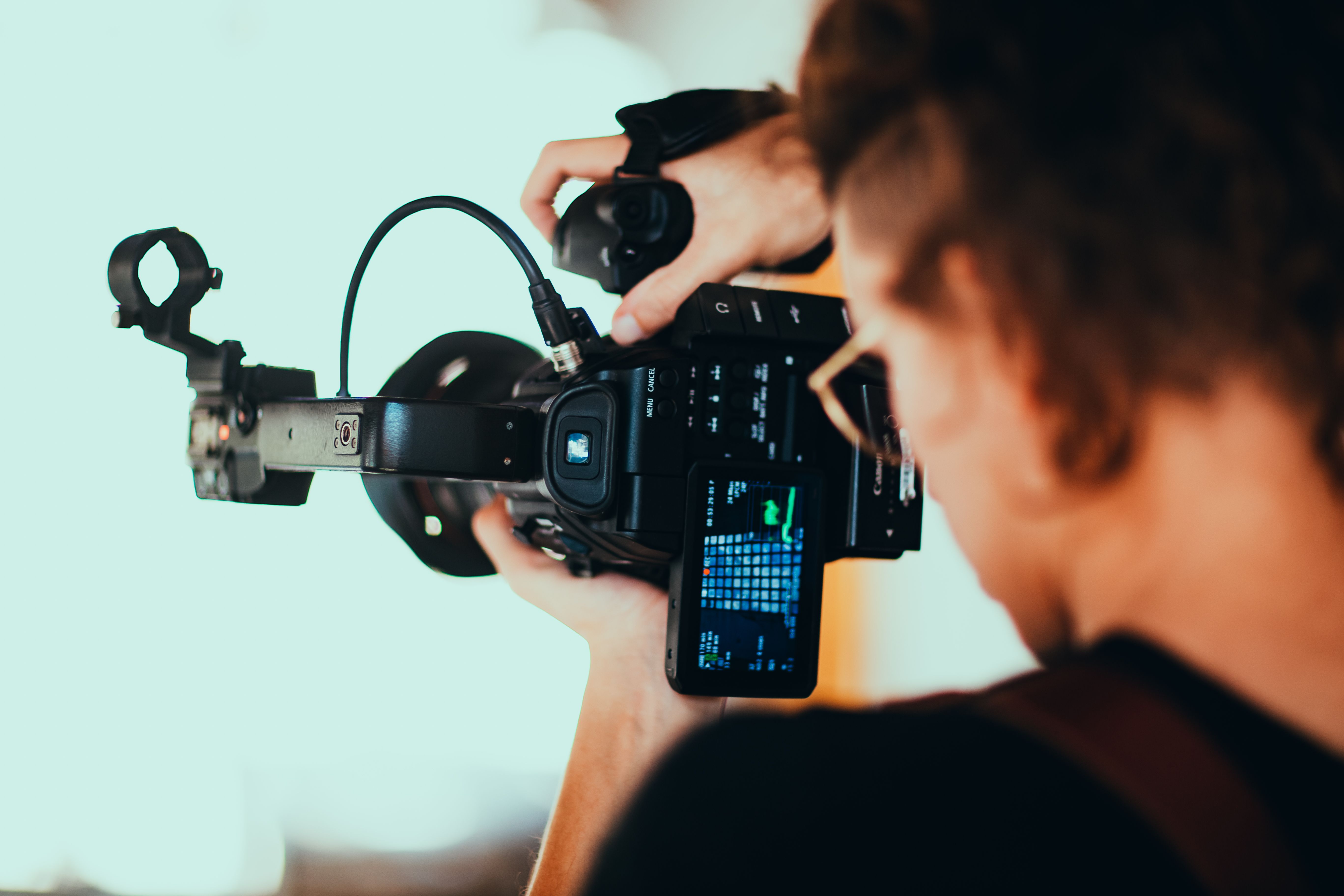
A videographer typically works as a versatile, often solo, creator or leads a small, agile team. Their responsibilities span a broad spectrum, including camera operation, audio management, basic lighting setup, and frequently the entire post-production workflow—from editing to color correction and sound mixing. This comprehensive, hands-on approach means a videographer needs a versatile skill set and robust, adaptable gear that can seamlessly transition between various scenarios to ensure no moment is missed.
Videography applications are incredibly diverse. You'll find videographers capturing weddings, corporate events, interviews, social media content, and documentaries. The consistent emphasis is on preserving the authenticity and immediacy of the moment, making it perfect for situations where spontaneity and comprehensive coverage are paramount. For creators exploring the distinctions between videography and cinematography, understanding when efficiency, adaptability, and broad skill sets are essential will help you bring your unique vision to life with precision and impact.
What is Cinematography? Understanding the Art and Craft
While videography focuses on documenting reality, cinematography elevates visual capture to fine art. It is the art and science of motion-picture photography, meticulously crafting every frame to evoke emotion and tell a story through deliberate visual language. Moving beyond mere recording, cinematography consciously designs a scene's visual elements—light, shadow, color, composition, and camera movement—to create profound aesthetic and narrative impact, supporting a project's overarching narrative and emotional arc.
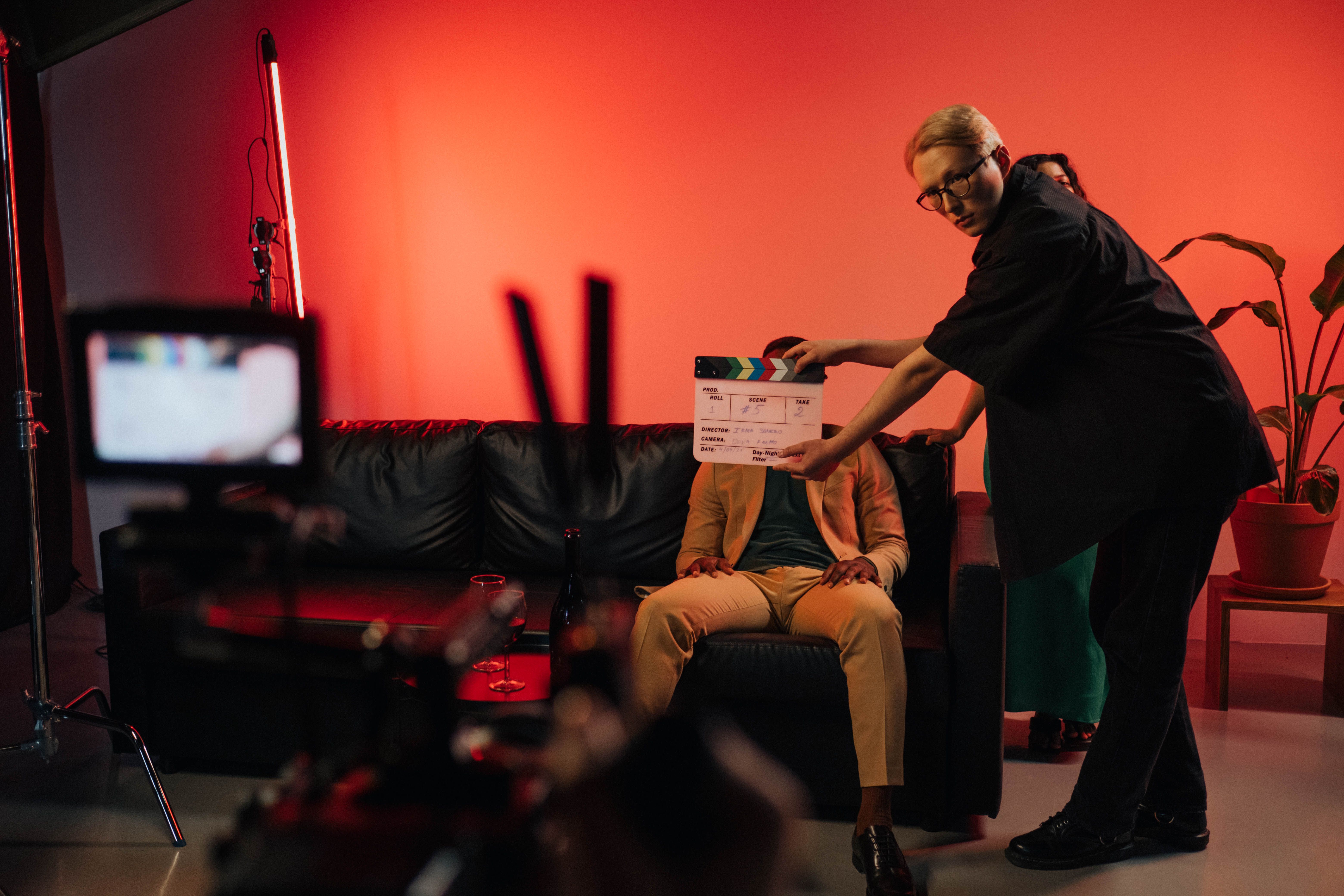
The central figure in this process is the Cinematographer, often known as the Director of Photography (DP). The DP collaborates closely with the film director, translating their vision into compelling visuals. Their responsibilities are highly specialized and artistic, encompassing camera and lens selection, complex lighting design, elaborate camera movement planning, and oversight of the entire camera and lighting crew. This role demands a keen understanding of visual storytelling, mastery of technical equipment, and an artistic sensibility to create iconic, memorable imagery that defines a film's look and feel.

Cinematography is essential in productions where visual narrative is paramount, including feature films, high-end commercials, music videos, and scripted television series. These projects typically involve extensive pre-production, such as storyboarding, shot-listing, and location scouting, to ensure every visual decision is intentional. The equipment used is often specialized and high-end, featuring cinema cameras, a range of prime and zoom lenses, complex lighting setups, dollies, cranes, and advanced stabilization systems. The focus extends beyond capturing images; it's about painting with light and motion, transforming ordinary scenes into extraordinary visual experiences that deeply resonate with the audience. Understanding this distinction is key when considering videography and cinematography for your next project.
The Core Differences Between Videography and Cinematography
While both disciplines capture moving images, the core distinctions between videography and cinematography lie in their intent, methodology, and overall scale. Understanding these fundamental differences helps individuals make informed decisions for their visual projects. It's not about which is "better," but which is right for your specific narrative and resources.
Artistic Intent vs. Documentation
Videography primarily focuses on capturing events as they unfold, emphasizing comprehensive coverage and real-time authenticity. Its intent is largely documentary—to record moments faithfully and practically. Cinematography, conversely, is driven by a strong artistic intent. Every frame is meticulously designed and crafted to evoke specific emotions, advance a narrative, and create a curated visual experience. It’s less about what happened and more about how it's perceived and felt.
Scale and Budget
Production scale and budgets typically differ significantly. Videography projects are often smaller, ranging from individual creators covering events to small teams producing corporate content. Budgets tend to be more modest, necessitating a streamlined approach and versatile equipment. Cinematography, however, is associated with larger-scale productions like feature films or high-end commercials. Here, substantial budgets allow for extensive planning, specialized crews, and cutting-edge gear. This financial distinction directly impacts the depth of creative control and technical sophistication achievable.
Crew Size and Specialization
A videographer often works alone or with a minimal team, juggling multiple roles from camera operation to audio capture and initial editing. This versatility is a hallmark of videography. In contrast, cinematography involves a highly specialized and often extensive crew. The Cinematographer (DP) leads a dedicated camera department, working alongside gaffers, grips, and focus pullers—each an expert in their specific domain. This division of labor allows for intricate control over every visual element.
Equipment Choices
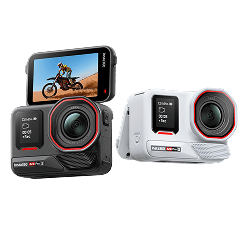
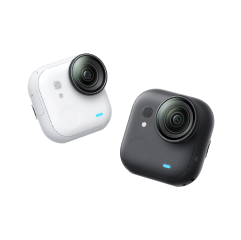
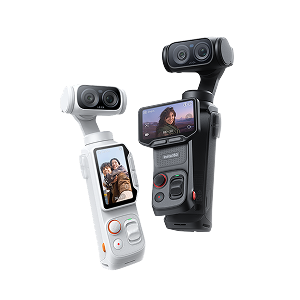
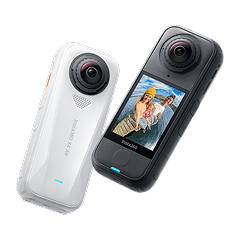
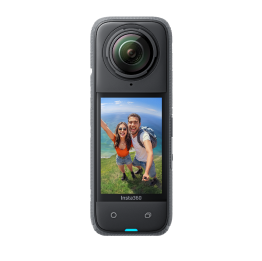
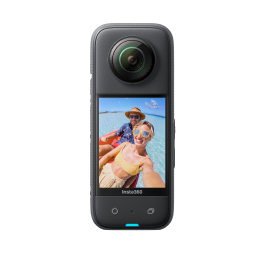
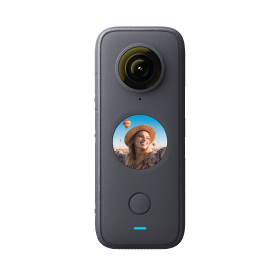
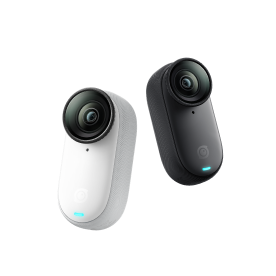
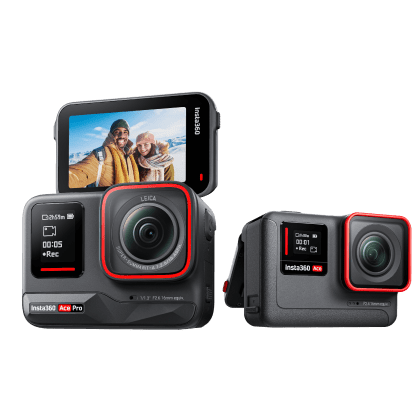
Equipment choices are another significant differentiator in videography and cinematography. Videographers often favor versatile, portable, and reliable cameras such as DSLRs, mirrorless cameras, or action cameras that perform well in various conditions, along with essential accessories like external mics and basic lighting kits. The emphasis is on functionality and efficiency. Cinematography, on the other hand, employs high-end cinema cameras, a vast arsenal of specialized prime lenses, elaborate lighting rigs, complex stabilization systems, and advanced motion control equipment—all chosen for their specific aesthetic qualities and precision.
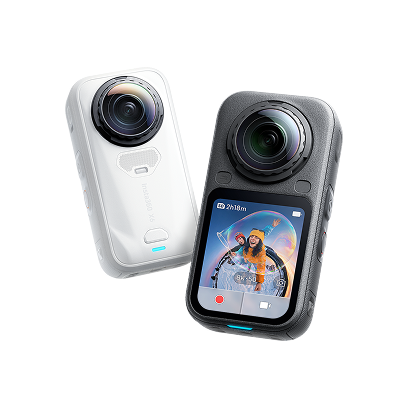
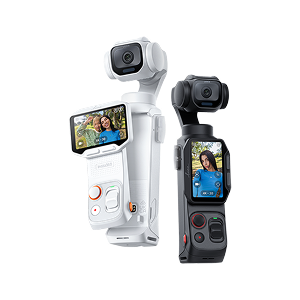
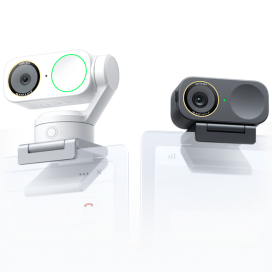
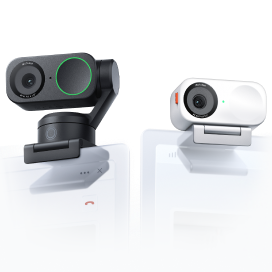
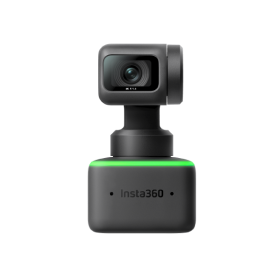
For creators who want professional-looking footage without carrying bulky cinema gear, compact AI-powered cameras such as Insta360 Luna Ultra provide advanced stabilization, intelligent framing, and cinematic image quality in a lightweight form factor.
Post-Production Workflow
While both disciplines require post-production, the workflow varies. For videography, the editing process often involves assembling footage logically and efficiently, enhancing colors, and mixing sound to create a coherent deliverable. The aesthetic "look" is important but often secondary to conveying information. Cinematography's post-production is an extension of its artistic vision. This involves sophisticated color grading, complex visual effects, and meticulous sound design, all aimed at finessing the visual narrative and achieving the director’s precise vision.
Creative Control
A videographer often has broad creative control over the entire project, from shooting decisions to the final edit, due to the smaller team and rapid turnaround times. For a cinematographer, creative control primarily focuses on the visual aspects and is executed in close collaboration with the director. The DP's influence is profound, but it operates within the framework of a larger creative vision, where their role is to achieve a specific aesthetic direction.
When to Choose Which: Practical Applications of Videography and Cinematography
Choosing between videography and cinematography isn't about picking a superior option; it's about matching your visual goals with the right creative strategy. Each discipline offers unique strengths, making the choice crucial for impactful storytelling.
When to Embrace Videography
Opt for videography when you aim to capture unscripted moments, document an event, or create content quickly. For projects requiring flexibility, efficiency, and a broad scope, videography is the ideal choice. Consider it for:
- Live Events: Weddings, concerts, or sports where capturing every key moment is essential.
- Corporate Communications: Training, announcements, or testimonials that require clear information and authentic interviews.
- Vlogs & Social Media: Daily content, quick reviews, or travel diaries that benefit from immediacy and a personal feel.
- Documentary-Style Content: Projects where real-time reactions and comprehensive coverage of unscripted situations are crucial.
When to Opt for Cinematography
Choose cinematography when a project demands artistic control, a distinct visual aesthetic, and a meticulous approach. When your vision requires carefully constructed scenes, evocative lighting, and deliberate camera movements to achieve emotional resonance, cinematography is indispensable. Consider it for:
- Feature Films & Short Films: Narrative projects where every frame serves emotional and thematic depth.
- High-End Commercials: Advertisements requiring a polished, captivating style to build brand identity.
- Music Videos: Productions where visual aesthetics and creative imagery enhance the musical experience.
- Scripted Series: TV shows or web series that rely on consistent visual quality and a sophisticated cinematic look.
Ultimately, the choice between videography and cinematography allows you to align creative ambition with effective production, ensuring your story resonates as intended.
Bridging the Gap: Overlaps and Evolving Trends in Visual Storytelling
While the distinctions between videography and cinematography are still relevant, their boundaries are increasingly blurring. This shift is driven by rapid technological advancements and the dynamic landscape of digital content creation. Modern cameras, once exclusive to high-end film sets, are now more accessible, packing powerful cinematic features into smaller, more portable designs. As a result, videographers can now achieve a 'cinematic look' that was once reserved for large film crews.
Conversely, cinematographers are adopting the agile, efficient workflows traditionally associated with videography, especially for projects with tighter schedules or evolving creative demands. The rise of versatile action cameras and compact mirrorless systems with advanced stabilization allows creators to draw from both disciplines. This convergence enables a single creator or small team to capture authentic, spontaneous moments alongside meticulously composed, visually stunning sequences within the same project. It's an exciting era where skill and vision transcend traditional boundaries, leading to richer, more diverse visual narratives.
Conclusion: Mastering Your Vision with Videography or Cinematography
The choice between videography and cinematography isn't about superiority, but about aligning with your project's unique vision. Videography excels at documenting real-time events, offering agility and versatility for dynamic live content, corporate needs, and social media. Cinematography, conversely, is the art of meticulously crafted visual storytelling, ideal for projects demanding deep artistic control, specialized equipment, and evocative imagery found in feature films or high-end commercials.
The evolving landscape of visual storytelling increasingly blends techniques from both disciplines. Modern cameras and accessible technology empower creators to achieve cinematic quality in versatile videography contexts, or to bring documentary spontaneity to more stylized productions. Armed with these distinctions and their overlaps, you can make deliberate choices to elevate your creative endeavors. Use this knowledge to not just capture moments, but to craft compelling visual narratives that truly resonate.
FAQ: Common Questions About Videography and Cinematography
What Tools Are Essential for Cinematic Videography?
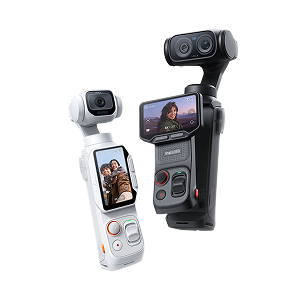
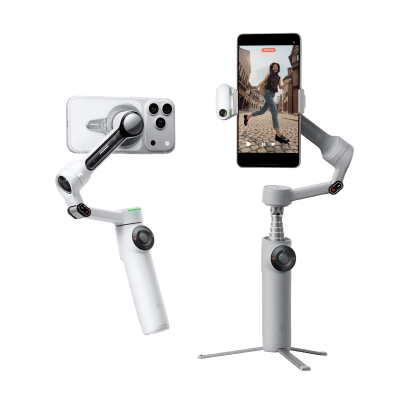
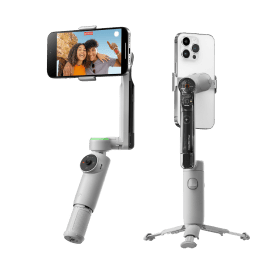
Essential tools include cameras with manual controls, versatile lenses (such as primes for shallow depth of field), external lighting to set the mood, professional audio equipment, and stabilization devices like Flow 2 Pro. Strong post-production skills, particularly for color grading, are also crucial.
Can a Videographer Be a Cinematographer?
Yes, increasingly. With modern equipment and a strong artistic vision, skilled videographers can apply cinematic principles to their projects. This enables them to achieve a polished, storytelling aesthetic that elevates their work beyond simple documentation.
What Training Is Needed?
Cinematography typically involves formal film education, focusing on artistic theory and technical mastery. Videography is often more experience-driven, learned through hands-on practice, workshops, and self-study, with an emphasis on practical application.
What Are Common Career Paths?
Videographers frequently work freelance, covering events, corporate videos, or social media content. Cinematographers usually advance through film and TV camera departments, aiming for Director of Photography roles on narrative productions.






%20(1).svg)


%20(1).svg)

.svg)