
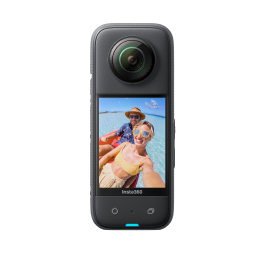
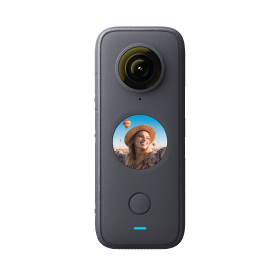
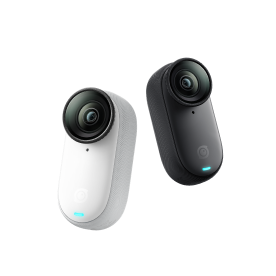
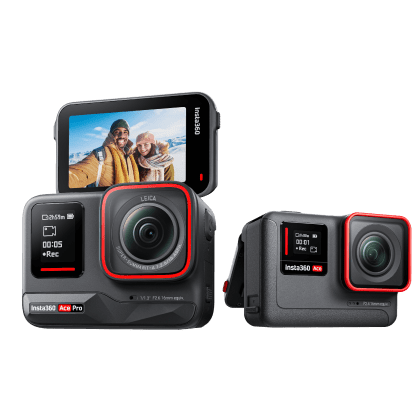














Sometimes, it doesn't matter the angle or the light; that selfie just feels a little off. Too fake, too shiny, too angular. You go back and forth, take more selfies, but nothing comes out quite right. Occasionally, great selfies are taken by luck, but more often than not, they come about by carefully considering your setting, lighting, and angles. It takes a little longer, but the best things in life normally do.
Why Lighting Matters for Better Selfies
Lighting isn't just key for selfies - it's crucial across photography in general. That beautiful image of the Great Wildebeest Migration in National Geographic is front-cover-worthy thanks to the perfect lighting. That perfect portrait image with the light falling across the face isn't by chance - it's carefully staged. Good lighting adds depth, mood, and even movement to the picture. And while it's probably a push to spend that long compositing your selfies, you certainly can borrow some of the tricks of the trade.
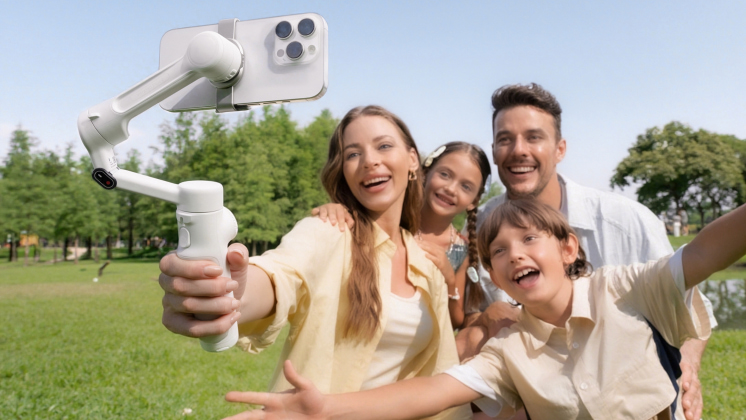
The good news is that most of it isn't rocket science, and this isn't a steep learning curve. There are a few important aspects to remember, such as where the light is in comparison to the selfie angle, and suddenly, your photos go from instant rejects to instant favorites that you'll be digging out in years to come. Whether you're using a selfie stick, a hands-free camera, or the good old-fashioned extend-the-arm-and-shoot approach, there are plenty of options.
Using Natural Light to Create Soft, Even Skin Tones
- Face Window Light: Natural light is ideal when you can get it. Try standing near an open window and letting the light illuminate your face.
- Open Shade: Bright, direct sunlight can blow out an image, so if you're outside, seek open shade, like a canopy or umbrella.
- Golden Hour: The perfect setting. The golden hour, just before sunset, is ideal for selfies because the light is soft and golden, making skin glow.
- Overcast Skies: Don't worry about heavy cloud cover; it's a giant natural diffuser that softens light and minimizes blemishes and harsh lines.
Common Lighting Mistakes That Flatten or Age Your Face
A flattened or aged face is usually not what you're looking for, so try to avoid these mistakes at all costs.
- Overhead Indoor Lighting: When light comes straight down, it often accentuates shadows, making it one of the worst lighting choices.
- Backlighting Without Fill: Shooting with a bright light behind you can work as long as there is fill in front, meaning an additional light that balances the scene. Otherwise, you risk your face being too dark or underexposed.
- Mixed Light Colors: Sounds fun, but in reality, warm indoor bulbs mixed with cool daylight can create strange skin tones and color casts.
- Harsh Midday Sun: Natural light is great, but direct sunlight isn't ideal.
The easiest way to fix most of these issues? Bring your own light.
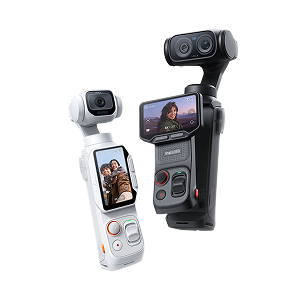
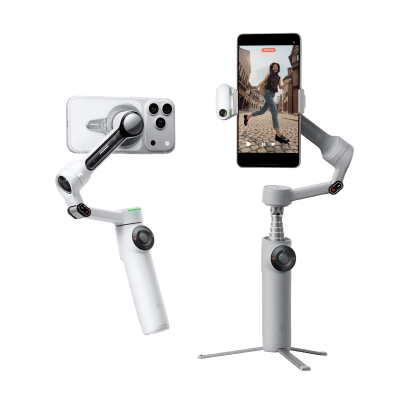
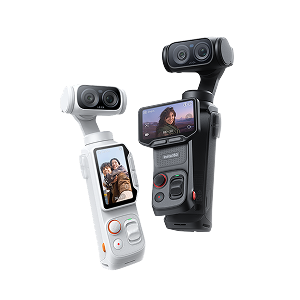
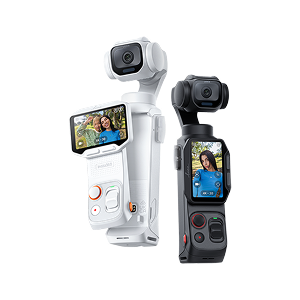
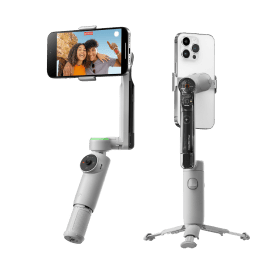
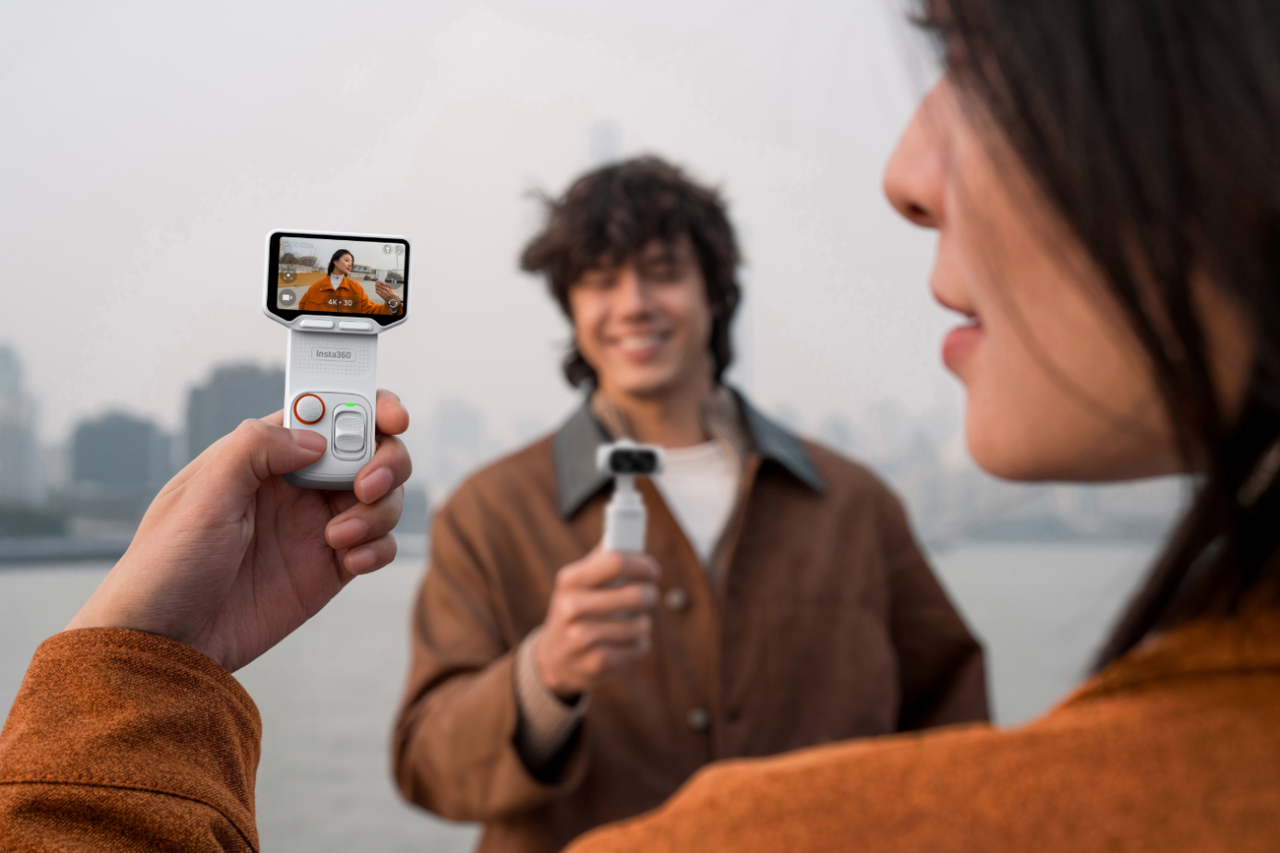
A phone gimbal like Insta360 Flow 2 Pro comes with a built-in spotlight that adds soft, flattering illumination exactly where you need it. Whether you're filming at sunset, under indoor ceiling lights, or in a dim café, you can subtly brighten your face without overexposing the background.
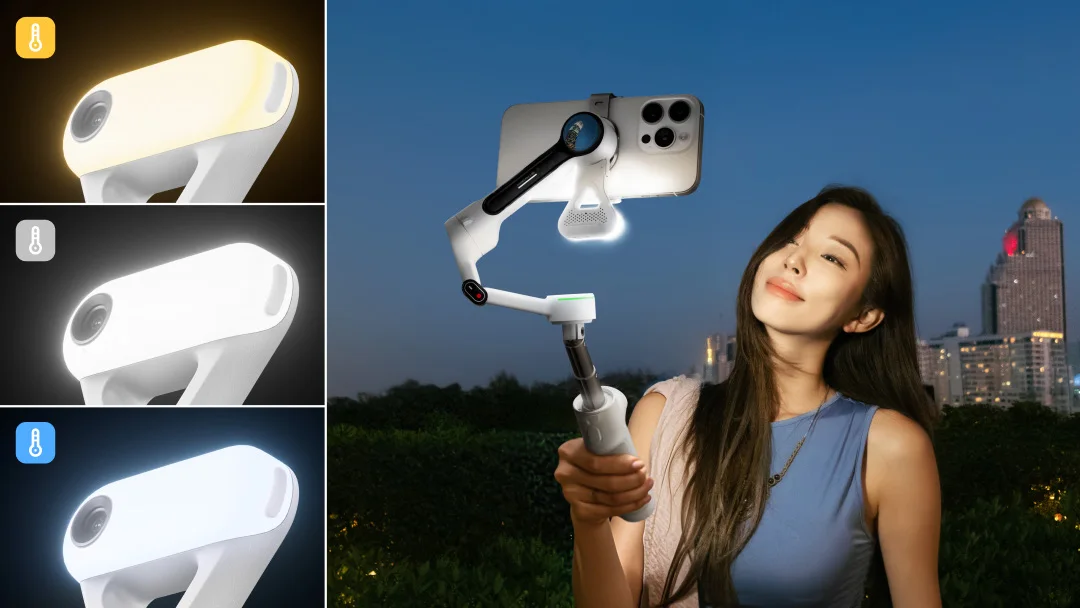
It’s not about making things look staged — it’s about adding just enough light to smooth shadows and keep your features defined. The adjustable brightness and color temperature let you match the vibe of your surroundings, so your skin looks natural, not washed out or overly warm.
Instead of chasing the “perfect light,” you create it — wherever you are.
How to Find Your Most Flattering Selfie Angle
First, stop thinking of a camera like a mirror. Instead of portraying you exactly as you are, it often warps or exaggerates to compose a shot that works. The result can look unnatural if you don't make a few minor adjustments.
Camera Height and Tilt That Enhance Facial Structure
Start with that all-important camera height - not too high, not too low. Holding the camera slightly above eye level tends to create a more balanced look, subtly defining the jawline while keeping the eyes open and engaged. Too low and you're all chin and neck, and too high adds extra distortion and begins to look off.
Tilt is slightly different for images and video. For images, a slight downward tilt often works well. For video, try to keep things as straight as possible, especially if you're moving around.
Small Movements That Instantly Improve Confidence on Camera
The difference between a great selfie and one that's instantly going in the recycle bin is often measured in inches.
- Turn your shoulders slightly instead of facing the camera straight on.
- Drop your chin just a little, then extend it forward to avoid compression.
- Shift your weight onto one leg to relax your posture.
- Let your arms drift away from your torso naturally - you don't want to look like a mannequin in a shop window.
Framing and Backgrounds That Keep Attention on You
It's natural to focus on what's directly in front of the camera - you - but what's behind you makes a huge difference in the quality of a selfie. A busy, distracting setting detracts from the beauty of the image.
Start by not overdoing it. People often seek out complex settings or vast landscapes because they think they'll look great in front of them, but that's not always the case. Clean walls, open skies, or softly textured environments keep visual noise to a minimum. If you're shooting indoors, step back a few steps from your background to add depth.
Lines and balance can turn a good selfie into a great one. Look for leading lines that make the image more appealing while drawing the viewer's attention to the most important part - you. These can be road markings, pipes in a building, or even railings outside in a park. Balance is another key point. Don't overcrowd one side of the image and neglect the other, and if you can, a bit of symmetry goes a long way.
Framing also gives you flexibility. Giving yourself a little more room in the image lets you crop further while editing. Space can't be added if you're zoomed all the way in.
Smart Tools That Make Lighting and Angles Easier
Holding a camera just right, worrying about angles, tilts, and lighting, while also trying to enjoy the moment itself, can be tricky. That's where smart tools step in - not to replace technique, but to remove friction so good lighting and angles happen naturally.
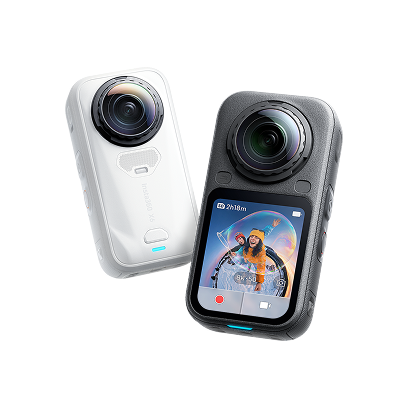
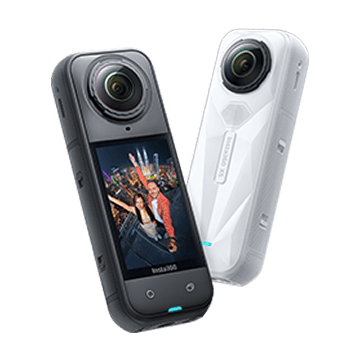
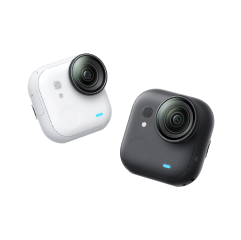
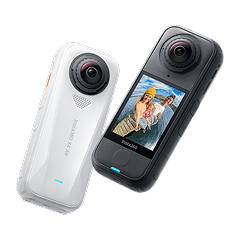
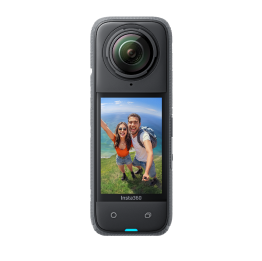
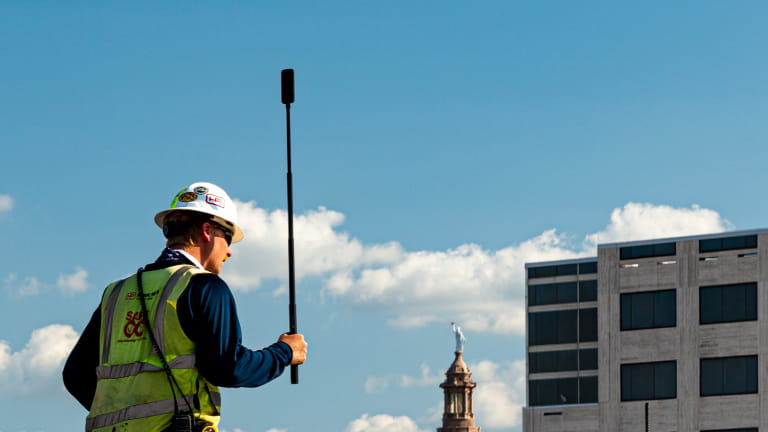
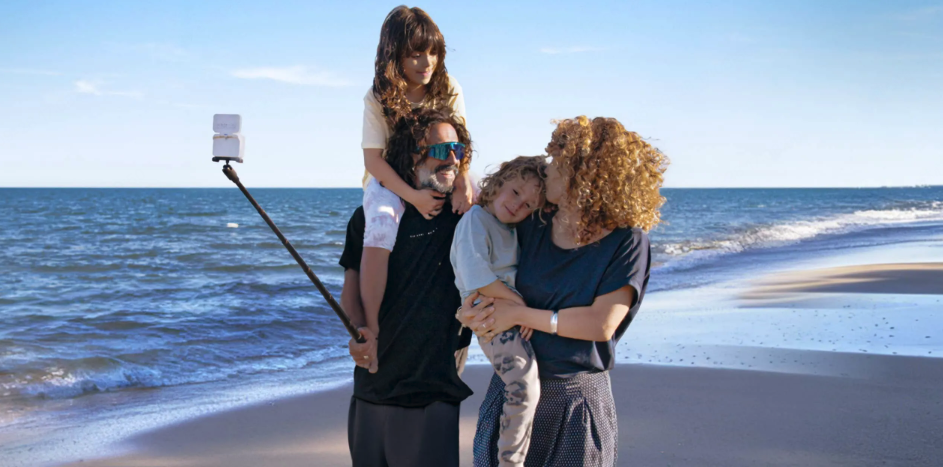
An invisible selfie stick already opens up a completely new world of shooting. But a 360 camera takes it even further.
With a 360 camera, you don’t have to stress about finding the perfect angle in real time. It captures everything around you, which means you can focus on being in the moment — walking, laughing, turning, reacting — and decide on your framing later.
Did you tilt the camera slightly too low? No problem. Want a higher, more flattering angle after the fact? You can adjust it in post. Instead of freezing into a pose and checking your screen every few seconds, you stay expressive and confident — knowing you can refine the selfie afterward.
It’s less pressure in the moment, and more creative control later.
Stabilization, Tracking, and Framing Support for Hands-Free Shooting
Most people think they have a steady hand, but humans are constantly shaking. Stabilization is the feature you never knew you needed until you tried it. It smooths out micro-movements, leaving you with even lighting and facial features that stay consistent from shot to shot.
Tracking and frame support are equally groundbreaking innovations that have completely changed selfies. When the camera keeps you in frame at all times, you're free to move and experiment without constantly returning to the camera to make adjustments.
Frequently Asked Questions
Is Natural Light Always Better Than Artificial Light for Selfies?
Often yes, but not always. Natural light usually works well because it's broader and softer, but artificial lighting used correctly can work just as well.
What Camera Angle Makes Selfies Look More Natural?
A camera placed at eye level or just above often looks the most natural, as it avoids distortion and keeps facial features in proportion. Higher or lower angles can look stylized, but not always natural.
How Do I Keep Myself Centered While Moving in a Selfie Video?
The key to staying centered is either extreme patience and persistence, or smart tracking that automatically keeps you in frame at all times.
Can a Phone Gimbal Help With Selfie Lighting and Angles?
A phone gimbal helps with stabilization, which keeps lighting and angles smoother and more realistic. It isn't a magic tool, but it does remove many common issues.
Ready to Create Better Selfies?
In 2026, there's really no excuse for poor selfies. The knowledge is here, and the tools are readily available. It might take a little practice to dial in lighting and angles, and framing can go as deep as you want, but the basics are simple.
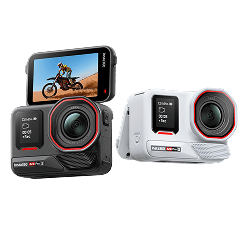
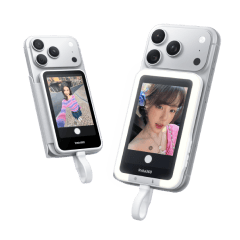
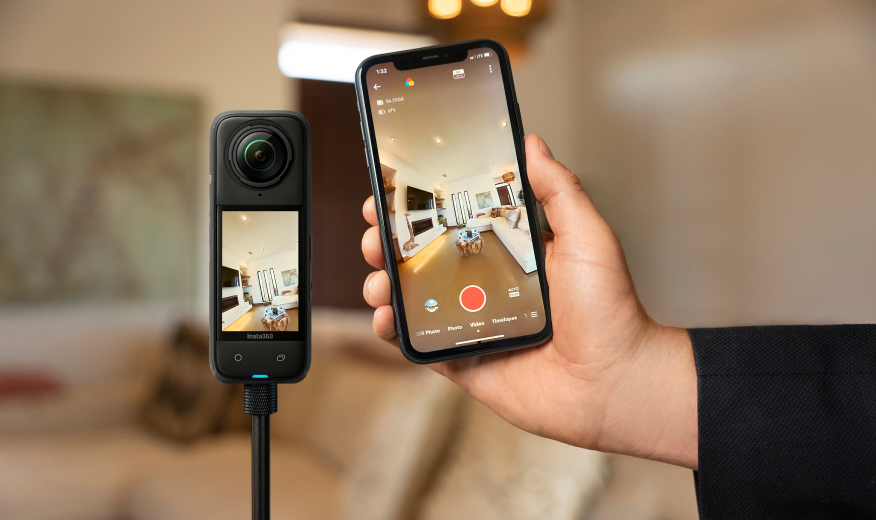
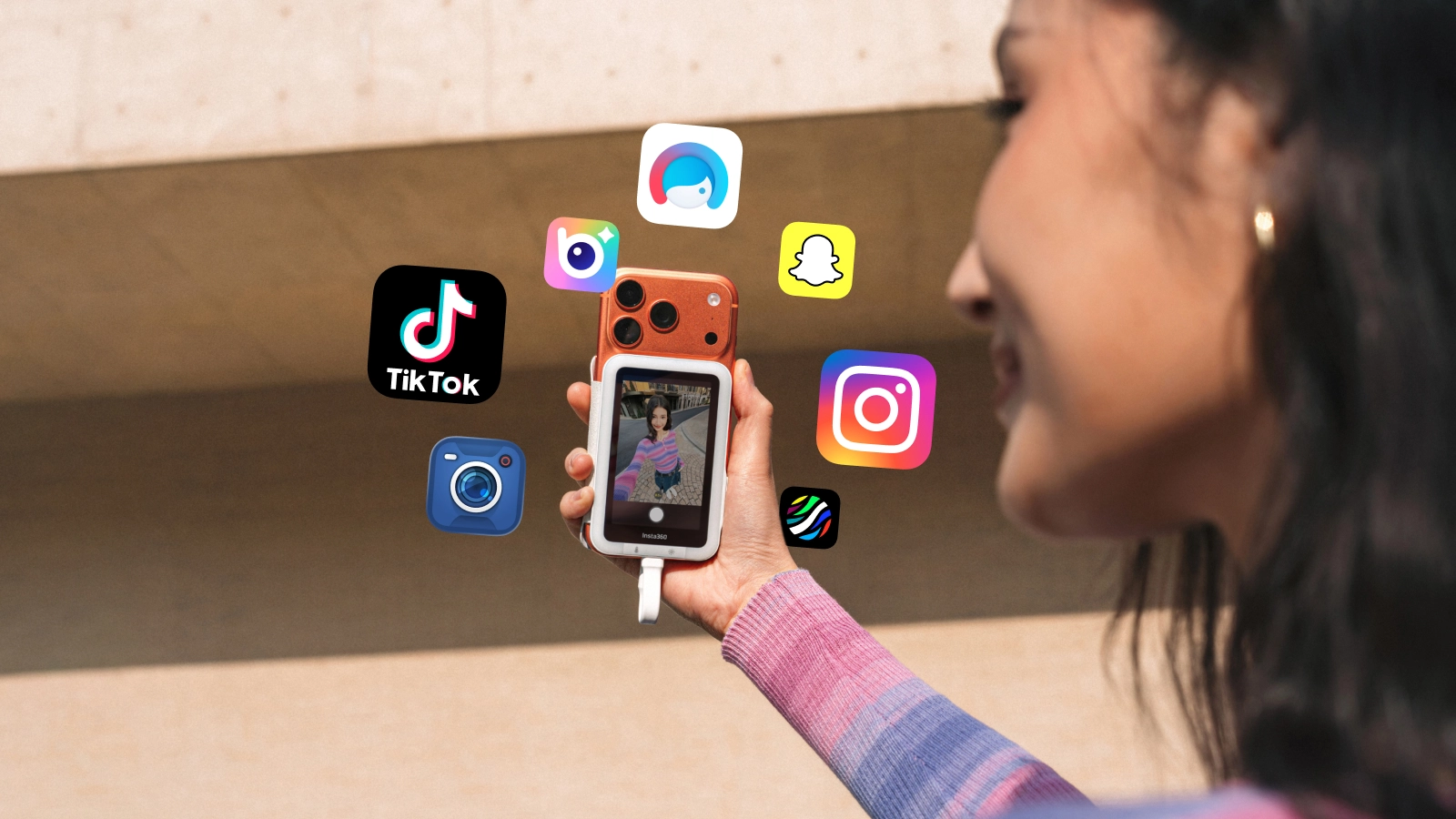
With Insta360 products, such as Insta360 Snap Selfie Monitor Screen, you have the tools to put this knowledge into action. Real-time previews, touchscreen controls, and built-in lighting make it easier than ever to capture selfies that look confident, natural, and polished.
The Insta360 Vision Awards supported by Leica are now open. Join creators worldwide for a chance to win from an US$80,000+ prize pool, including Leica cameras and Insta360 gear.
Got a story to share? Email yours to communitystories@insta360.com and win up to US$50.




%20(1).svg)


%20(1).svg)

.svg)