











































When the skies open up, many photographers instinctively pack away their gear, anticipating soggy electronics and missed shots. But what if a downpour could be an invitation to create truly unique, breathtaking imagery? Challenging conditions often lead to the most captivating results. Instead of retreating indoors, equip yourself to embrace the elements and transform them into powerful creative opportunities.
This guide isn't about merely tolerating the weather; it's about actively leveraging it. We'll unlock the dramatic potential of a rain photoshoot, empowering you to capture stunning images that stand out. Forget flat, ordinary shots—imagine vibrant reflections, ethereal mist, and an atmosphere that adds unparalleled depth and emotion to your visual stories. Whether you envision moody cityscapes, intimate rainy day portraits, or dynamic action shots caught in a storm, rain offers a canvas unlike any other.
Ready to turn inclement weather into your next photographic triumph? This article will provide the knowledge and inspiration you need. We'll address your biggest concerns, answering critical questions like: How can you effectively protect your camera gear from the wet? What are the optimal camera settings for rain photography to ensure sharp, well-exposed shots? And what creative rain photography ideas and poses can you explore to elevate your compositions and tell compelling stories?
Preparing for Your Dramatic Rain Photoshoot: Gear and Safety Essentials
Embracing the rain for your next photoshoot means being prepared, not just creatively, but practically. Protecting your valuable camera gear is crucial for a successful and stress-free rain photoshoot. A dedicated rain cover is your primary defense; these are typically inexpensive and designed to shield your camera body and lens from moisture while allowing access to controls. For added precaution, consider waterproof camera bags or dry bags to transport your equipment between shots. Even a simple umbrella, held by an assistant, can offer crucial protection in a pinch. Don't forget lens hoods; they help keep raindrops off the front element of your lens, minimizing distracting streaks and flares.
Beyond your equipment, consider appropriate attire for yourself and your models. Lightweight, quick-drying layers are ideal for both comfort and mobility. Waterproof jackets and pants for yourself are a smart investment, as are waterproof boots with good grip for navigating potentially slippery surfaces. For models, discuss the aesthetic beforehand. Will they be embracing the wet look, or will you use props like clear umbrellas or stylish raincoats to add to the scene? Providing towels and a change of clothes for models is a thoughtful touch that will be greatly appreciated.
Safety should always be a top priority. Wet conditions inevitably lead to slippery surfaces—pavements, wet leaves, rocks, and even certain indoor floors can become hazardous. Always scout your location beforehand, noting potential slip-and-fall risks. Wear appropriate footwear, and advise your models to do the same. Be acutely aware of electrical hazards: never shoot near exposed wiring, power outlets, or in areas where standing water could interact with electrical sources. Lightning is another serious threat; if there's any sign of a storm or thunder, prioritize safety and postpone your outdoor rain photoshoot. A dramatic shot is never worth a dangerous risk.
Mastering Camera Settings for Captivating Wet-Scene Photography
With your gear protected and safety covered, it's time to refine your camera settings for a captivating rain photoshoot. The unique light and atmosphere of rainy conditions require specific adjustments to capture the desired mood and detail.
Shutter Speed: Freeze or Flow?
Your shutter speed dictates how raindrops appear in your photos. A fast shutter speed, such as 1/500th of a second or quicker, will freeze individual drops, creating sharp, crystalline effects—ideal for dynamic shots emphasizing falling water. For a sense of motion and drama, a slower shutter speed (e.g., 1/30th to 1/8th of a second, often with a tripod) will blur raindrops into soft streaks. Experiment to match your creative vision.
Aperture: Depth and Light
A wider aperture (lower f-number, like f/2.8 or f/4) helps gather more light on overcast days and creates a shallow depth of field. This allows your subject to stand out against a blurred background, often enhanced by the soft bokeh from wet surfaces or distant lights. For scenes requiring everything in focus, a narrower aperture (higher f-number, like f/8 or f/11) is more suitable.
ISO: Managing Low Light
Rainy conditions mean less available light, so increasing your ISO is often necessary. Start with a moderate ISO (e.g., 400-800) and increase it incrementally, carefully monitoring for digital noise. Modern cameras generally manage higher ISOs effectively, so don't hesitate to adjust if it helps achieve a sharp shot. Shooting in rainy or overcast conditions often means working with limited light. Cameras designed for low-light performance, such as Insta360 Ace Pro 2, can help capture cleaner images with less noise, making it easier to preserve detail and atmosphere when the weather isn't cooperating.
Focusing: Sharpness in the Storm
Autofocus can struggle with raindrops. For precise sharpness, especially in rainy day portrait photography, consider manual focus. If using autofocus, aim for areas of strong contrast or reflections in puddles for clearer lock-on points. Continuous autofocus can also assist with moving subjects.
Creative Rain Photoshoot Ideas: Unleashing Drama and Emotion
With your gear ready and camera settings optimized, it's time to explore the artistic possibilities of a rain photoshoot. Rain can transform ordinary scenes into extraordinary visual narratives, adding unique drama and emotion to your images. Don't just capture the rain; make it an active participant in your story.
Embrace Reflective Worlds
Puddles are a photographer's best friend on a rainy day. They act as natural mirrors, doubling the visual interest of your scene. Get low to the ground to capture stunning reflections of city lights, trees, or your subject. Experiment with leading lines created by wet pavement or ripples in the water. These reflective surfaces are fantastic for creative rain photos, adding an abstract, almost surreal quality to your dramatic wet-scene images. Look for vibrant colors that pop against the muted tones of a rainy landscape.
Backlighting for Magical Raindrops
To make the rain visible and enchanting, utilize backlighting. Position your subject or scene between your camera and a light source—such as streetlights, car headlights, or a subtle flash. This technique illuminates individual raindrops, making them sparkle like tiny crystals against a darker background. It adds incredible depth and a magical quality, transforming a dull image into something truly captivating. This is particularly effective for rainy day portrait photography, creating a halo effect around your subject.
Props and Evocative Locations
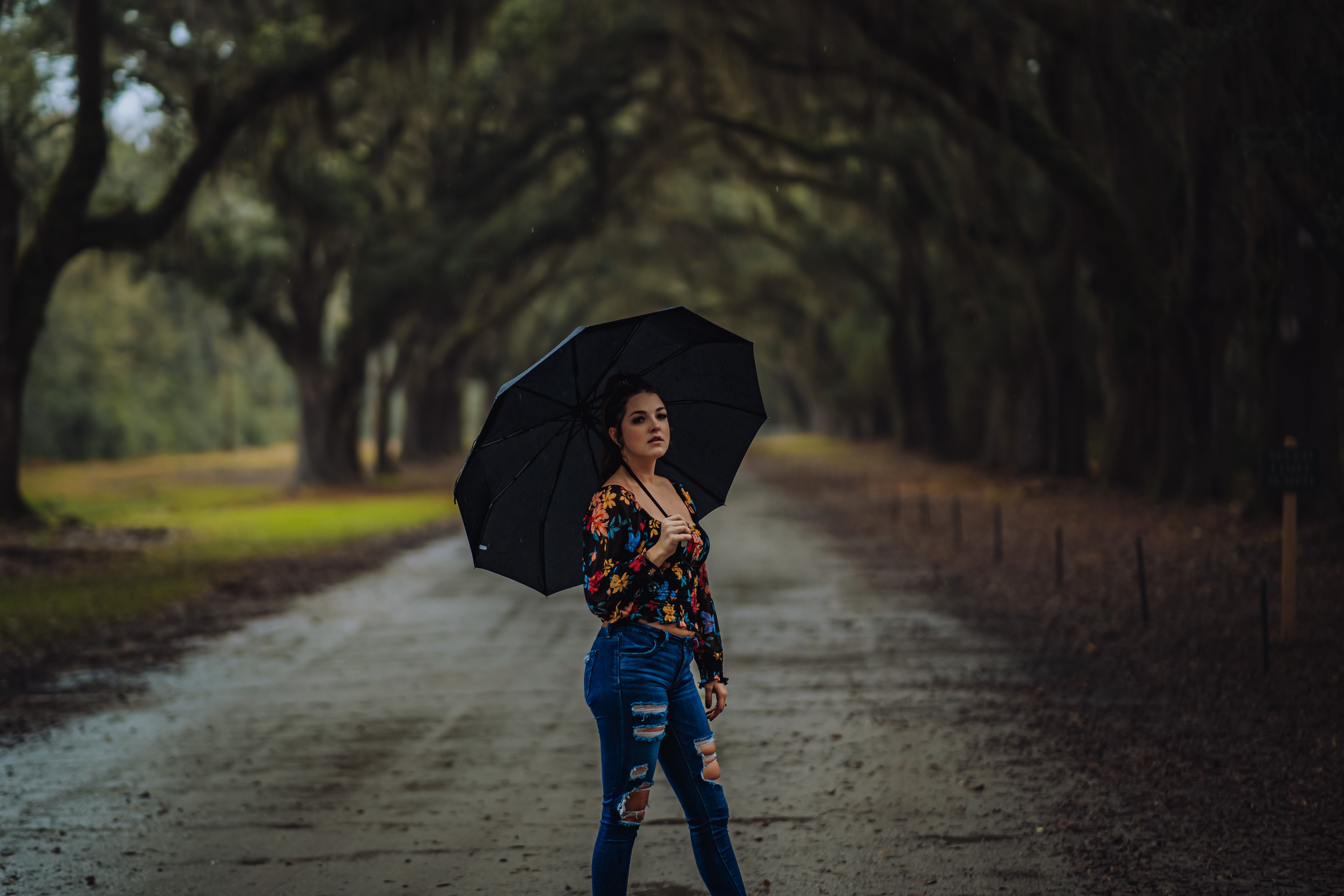
Simple props can dramatically enhance your rain photoshoot. Umbrellas are classic for a reason: a clear umbrella can allow light through while protecting your subject, or a brightly colored one can add a vibrant pop to an otherwise monochrome scene. Raincoats, hats, or even steaming cups of coffee can evoke warmth and comfort amidst the storm.
Consider your locations carefully. Urban streets at night, with their neon signs and wet asphalt, offer a dynamic, cinematic backdrop. A moody forest, with dew-laden leaves and mist, provides an ethereal setting. Old buildings or alleyways can create a sense of timeless drama. These diverse settings provide endless rain photography ideas, encouraging you to think boldly and transform the ordinary into the extraordinary.
Enhancing Your Rain Photoshoot: Posing, Composition, and Post-Processing
After meticulously planning your setup and mastering your camera, it's time to elevate your rain photoshoot through thoughtful posing, compelling composition, and strategic post-processing. These elements transform good images into dramatic, evocative scenes.
Dynamic Posing for Rainy Scenes
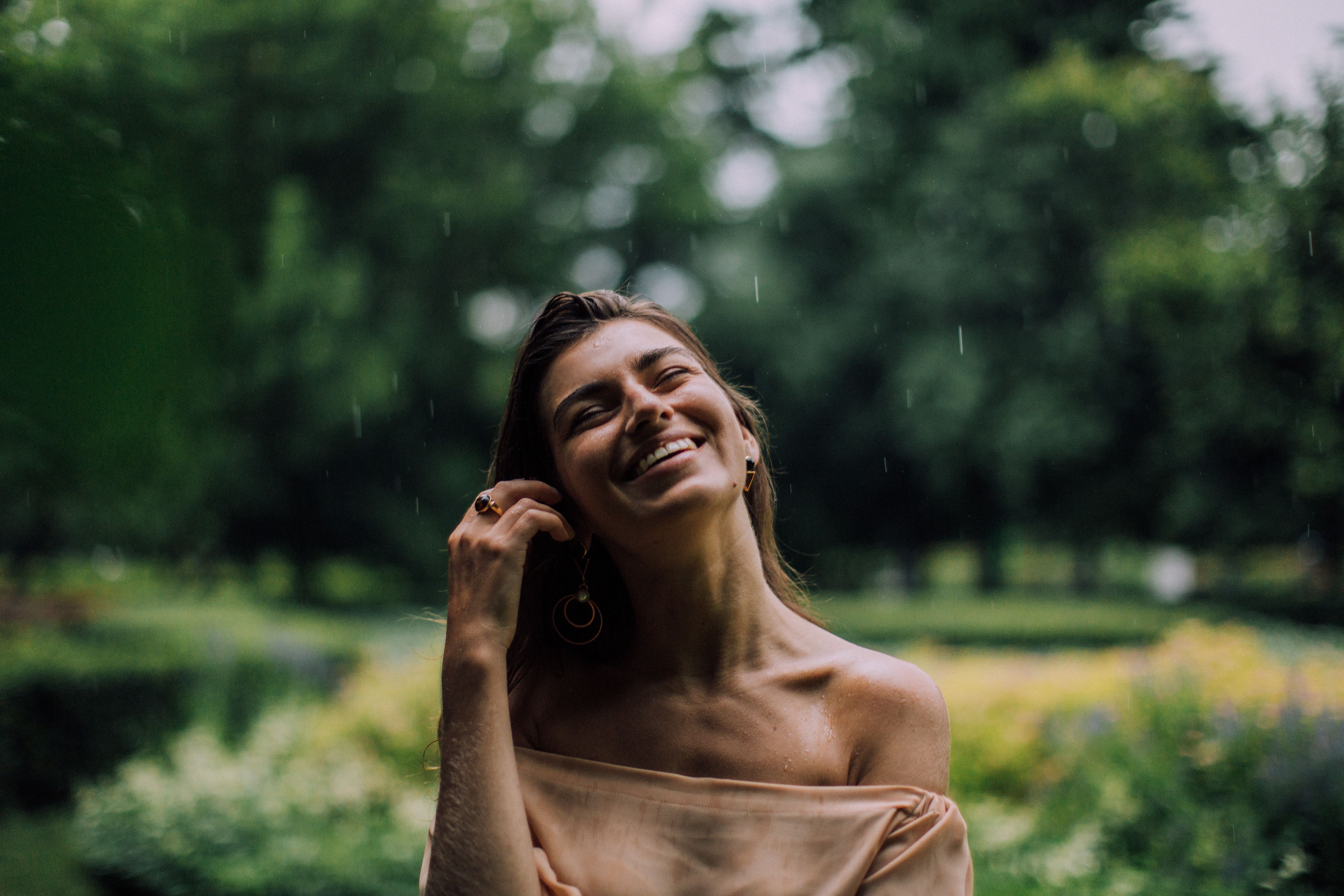
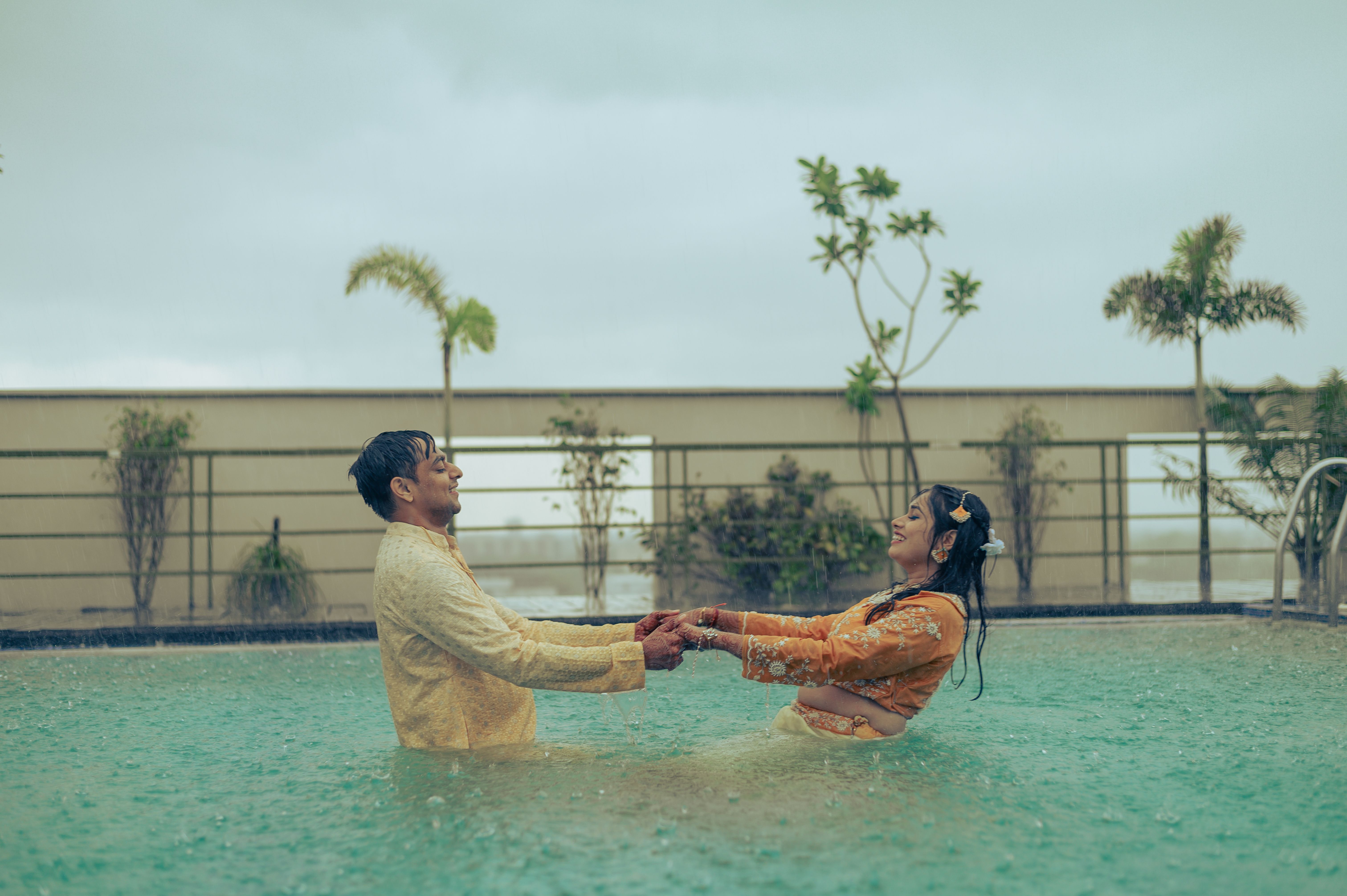
Rain adds a unique emotional layer to portraits. Guide your subjects into poses that embrace or react to the weather. Encourage movement: a graceful walk under an umbrella, a hand reaching out for raindrops, or a reflective gaze into a puddle. Candid moments often capture genuine reactions. For rainy day portraits, consider close-ups that highlight wet hair or glistening skin, conveying vulnerability or resilience. Use props like umbrellas, scarves, or hats to add visual interest and comfort. Ensure poses feel natural and tell a story within the stormy backdrop.
Compositional Techniques for Impact
The rainy environment offers rich opportunities for compelling compositions. Utilize leading lines from wet streets, fences, or architecture to draw the viewer's eye. Reflections in puddles are powerful tools. Frame your subject within a reflection or use them to create abstract patterns. While the rule of thirds is fundamental, don't hesitate to break it for dramatic effect. Place your subject off-center to emphasize the wet environment's vastness. Look for natural frames like doorways to add depth. Focus on negative space, where muted tones or blurred backgrounds emphasize your subject.
Post-Processing to Amplify the Mood
Post-processing is where you can truly enhance the mood and drama of your rain photos. Start with global adjustments: boost contrast to make raindrops pop, deepen shadows, and consider slight desaturation to emphasize cool, melancholic tones. Selective color grading can introduce a cinematic feel—think cool blues and greens balanced with warmth from ambient lights. Use dodging and burning to highlight your subject and add intensity. You can also subtly enhance the rain itself using brushes or overlays, or add a slight vignette to draw focus. Remember, the goal is to amplify the atmosphere, not create an artificial look.
Conclusion: Your Next Steps with Rain Photoshoot Adventures
Rain doesn't have to keep you indoors. A rain photoshoot provides unique opportunities to create dramatic, emotionally rich, and truly distinctive images. With guidance on protecting your gear, mastering camera settings, and using creative techniques like reflections, backlighting, and dynamic poses, you now have the inspiration to turn a rainy day into a stunning visual story.
Be bold and embrace the elements. The next time the clouds gather, grab your camera, recall these tips, and step out to capture the magic. Experiment with new perspectives, play with the mood, and discover the incredible beauty that unfolds when you dare to shoot in the rain. Your next unforgettable adventure and most captivating images await.
FAQ: Common Questions About Your Rain Photoshoot
Q: What's the best lens to use for a rain photoshoot?
A: A fast prime lens (e.g., 50mm f/1.8 or f/1.4) is excellent for rainy day portraits, as it gathers light well in dim conditions and creates beautiful bokeh. Wider-angle lenses are also effective for capturing more of the environment, ideal for dramatic cityscapes or landscapes in wet conditions. Always ensure your chosen lens is properly protected with a rain cover.
Q: How can I protect non-waterproof camera gear in heavy rain?
A: Professional rain covers are ideal, but you can improvise with large plastic bags secured with rubber bands around the lens hood and camera body. A sturdy umbrella, held by an assistant, also provides effective coverage. Always carry towels to wipe down gear immediately after exposure to moisture.
Q: Are there specific tips for working with models in the rain?
A: Absolutely. Prioritize their comfort and safety. Discuss the concept thoroughly beforehand so they understand what to expect. Provide warm towels, dry clothes, and hot drinks for breaks. Keep shooting sessions short to prevent discomfort, and capture their genuine reactions to the rain for authentic, emotional shots.
Q: Can I use flash during a rain photoshoot?
A: Yes, an off-camera flash can be highly effective for backlighting raindrops and adding drama. Ensure your flash unit is protected from moisture, either with a rain cover or by positioning it strategically under shelter. Avoid using on-camera flash directly, as it can flatten the image.
Q: How do I keep my lens clear of raindrops?
A: A lens hood can physically block some rain. Carry a microfiber cloth to gently wipe the lens surface between shots, but avoid wiping too frequently, which can smear water or dust. A clear UV filter offers an extra layer of protection, as it's easier to clean than your main lens element.







%20(1).svg)


%20(1).svg)

.svg)