
















So You Want to Be a Sports Videographer?
Sports videography is more than capturing game-winning goals or adrenaline-filled descents. It’s a job. A craft. A career that blends timing, technique, and a deep understanding of motion. Whether you're on the sidelines or strapped into a climbing harness, your camera needs to catch the story as it happens. No excuses.
Different Types of Sports Videography
Team Sports and Game-Day Coverage
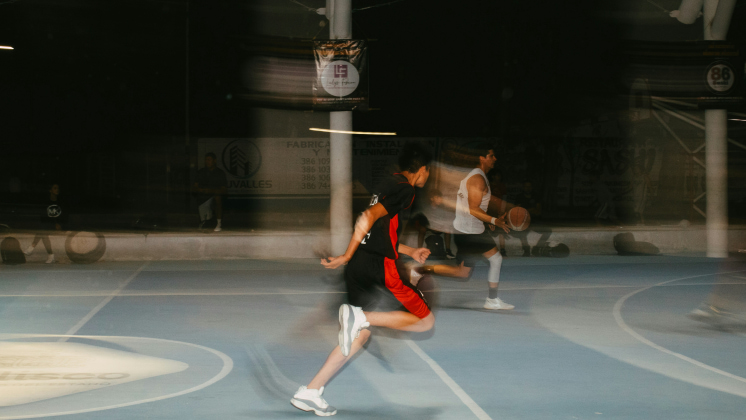
From football to futsal, this means court-side angles, long lens coverage, and anticipating the next pass. You need smooth panning and sharp instincts. These gigs often require a hybrid approach: wide shots to show formation, tight zooms for player reactions, and reactive positioning. Speed, angles, and timing are everything. If you're looking to level up your sports content, here’s a great guide on the best cameras to record soccer games.
Outdoor and Endurance-Based Sports
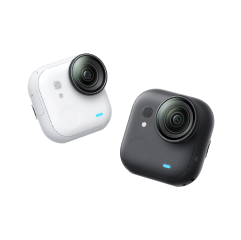
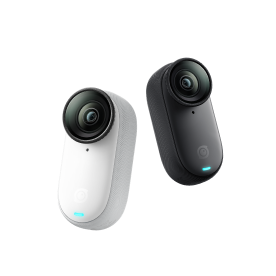
Fishing, climbing, trail running—these are long-form and often solitary. You’re usually far from power sources or stable weather. That means lightweight gear, extended battery performance, and waterproof protection are a must. Shooters need to be part documentarian, part survivalist, capturing both motion and mood over time. Check out the video to see how to use the Insta360 GO series to capture immersive POV running moments.
Extreme and Action Sports
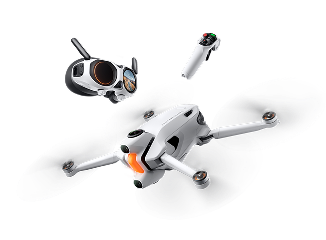
Mountain biking, snowboarding, motocross or diving. You’re not just filming the action. You’re in it. These moments move fast and break patterns. Expect dirt, snow, sweat, and high frame rate footage. Helmet cams, chest mounts, and drone angles bring the audience into the experience, not just beside it.
Creator-Focused Content
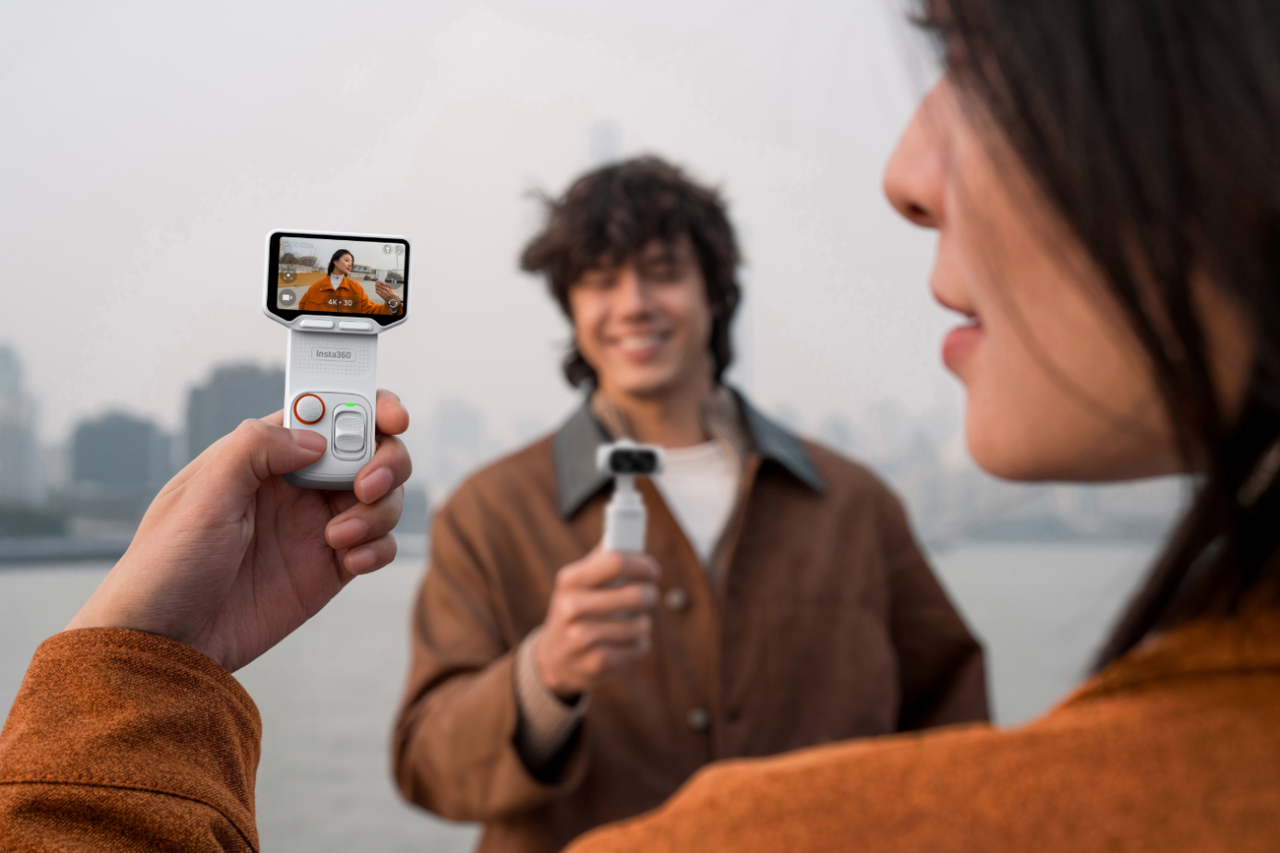
Instagram reels, YouTube shorts, livestreams. It’s fast, vertical, and raw. The expectation? Post-worthy footage that’s also polished. Your setup needs to be light, responsive, and editable on the go. Auto framing, voice control, and AI edits can speed up your process, especially if you're working solo.
What Does a Sports Videographer Actually Do?
You prep. You shoot. You edit. And repeat.
A sports videographer wears many hats before, during, and after an event. Pre-game, you're scouting the location, checking lighting conditions, charging batteries, formatting cards, and rigging your setup. You have to anticipate how the action will unfold and where you need to be to get the shot.
During the event, you're constantly adjusting focus, tracking movement, switching angles, and reacting in real time. There's little room for error. Your goal is to stay invisible while still capturing every major moment. You’re looking for context too—bench reactions, crowd energy, subtle interactions that tell a richer story.
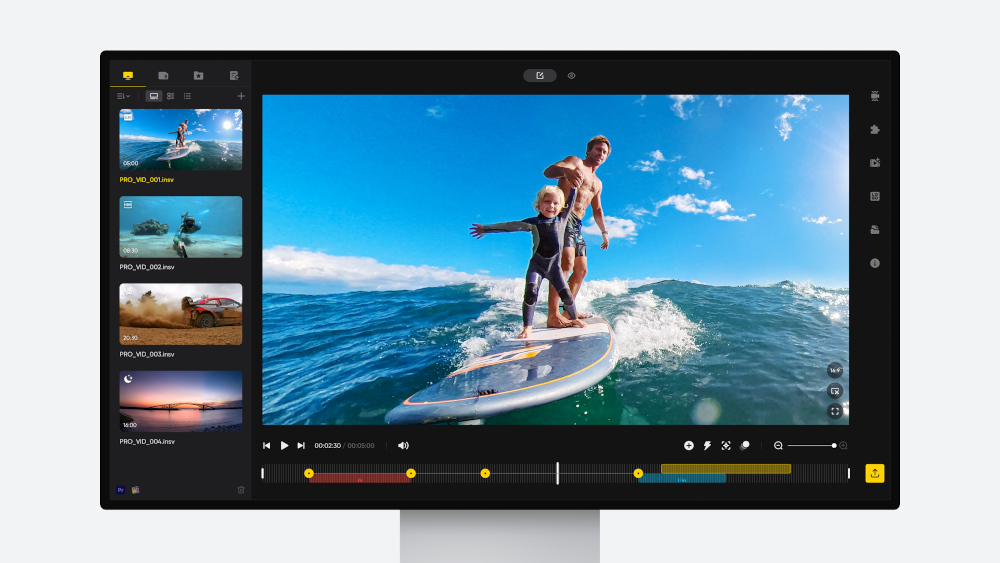
Post-game, it's back to the timeline. You sift through hours of footage, trim down to key highlights, apply color grading, tweak audio, add overlays or logos, and export in formats tailored for broadcast, social, or coaching.
The job covers:
- Choosing angles that tell a story
- Capturing detail without missing the big picture
- Syncing footage with music, voiceovers, or stats
- Logging, labeling, and organizing clips
- Backing up every single file twice
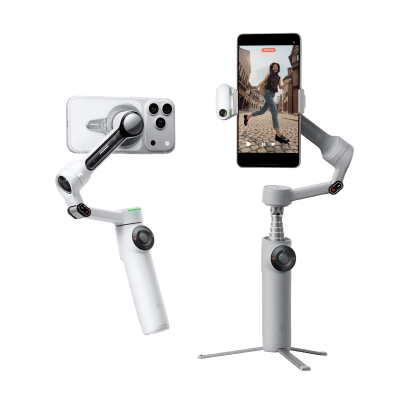
Your tools are stabilizers, mics, mounts, and sometimes, pure grit. The best sports videographers are prepared, adaptive, and obsessively consistent.
The Myths (And Truths) About Sports Videography
Myth: You get to travel and watch games from the best seat.
Truth: You’re kneeling in the mud at 6 a.m. hoping your gear doesn’t freeze. The best seat is usually wherever the lighting is worst and the crowd is loudest.
Myth: It’s all about excitement.
Truth: There’s a lot of waiting, adjusting, and re-shooting b-roll. The real work is in the edit suite, where pacing matters more than peak action.
Myth: High-end gear guarantees great footage.
Truth: A $5,000 camera won’t save bad framing or missed timing. Mastering settings and movement matters more than specs alone.
Myth: Sports videography is solo work.
Truth: Even lone shooters rely on help—spotters, editors, producers. Collaboration, not isolation, is the norm.
Myth: If you love sports, you’ll love filming them.
Truth: Watching and shooting are completely different. When you’re filming, you’re focused on settings, not scores.
This is not highlight-reel work. It’s day-in, day-out consistency. And yes, it’s worth it.
How to Start in Sports Videography
Start Small
Film local matches, weekend tournaments, or pickup games. Reach out to clubs, gyms, and youth leagues. Even if it’s unpaid, you’ll build confidence in real-world conditions—shifting weather, unpredictable players, and on-the-fly decisions.
Build a Simple Kit
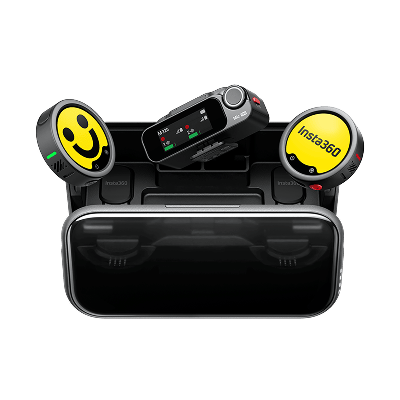
You don’t need to go all-in at the start. One quality action camera, a sturdy tripod, and a mic that blocks wind noise can cover 80% of your early needs. Keep it light. Learn what you’re missing by actually filming.
Learn the Craft
Master the basics. Frame rate, shutter speed, exposure—each choice shapes the final look. Try different sports. Each one moves differently and teaches you something new. Watch your own footage back with a critical eye. What’s missing? What worked?
Practice Editing
Shoot-to-edit thinking is key. Don’t overshoot—be intentional. Build a highlight reel. Add music, transitions, and pacing. Use free or trial software if needed. The edit room is where your footage becomes a story.
Study Other Videographers
Follow pros on YouTube or Instagram. Watch how they shoot, how they cut, how they pace. Try recreating clips for practice. Borrow their techniques until you find your own rhythm.
Stay Consistent
Progress takes reps. Make filming part of your weekly routine. Post your clips, ask for feedback, and refine. Sports videography rewards patience and iteration, not overnight perfection.
Where to Find Sports Videography Jobs
You can find work in sports videography if you start in the right places:
- Local teams, gyms, or amateur leagues — Great for first gigs and access to recurring work.
- Colleges and universities — Many need highlight reels and livestream content for recruitment or social.
- Youth sports organizations — Parents want memories, and clubs want promotion. Bring a polished product.
- Sports marketing agencies — These firms handle campaigns for brands and athletes. Pitch a showreel with energy.
- Event production companies — Races, tournaments, and games need reliable coverage. Show up ready.
- Freelance platforms like Upwork and ProductionHUB — Post your reels, set your rates, and respond fast.
- Social media — Instagram, TikTok, and YouTube Shorts are unofficial job boards. Post your work, tag teams and athletes, and stay active.
Stand out by tailoring your demo reel to the job you’re chasing. One well-matched sample beats ten generic ones.
How Much Do Sports Videographers Make?
Most Sports Videographers make between $30,000 and $73,000 a year on average in the U.S (according to Zip Recruiter) . Freelancers may start lower, but top-tier specialists can earn over $90,000, especially in high-performance or branded content roles.
Best Camera for Sports Videography? Start Here.
Why Camera Choice Matters
You can't afford to miss a moment. You need stabilization. Fast frame rates. Rugged builds. And simplicity in switching from vertical to wide.
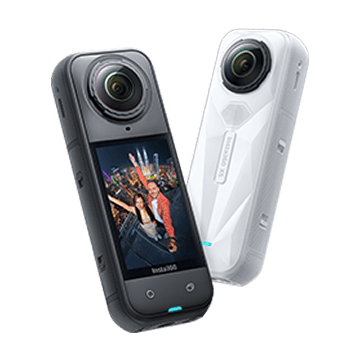
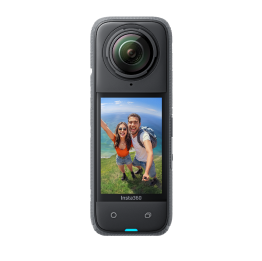
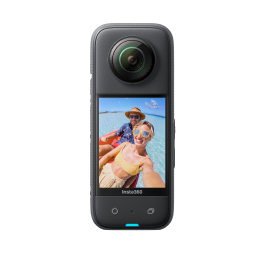
Insta360 X5: Capture Everything, Edit Later
Insta360 X5 is the flagship 360 camera for dynamic sports content.
- 8K 360 video with reframing
- PureVideo mode for night or low-light shots
- Replaceable, scratch-resistant lenses
- 185-minute battery life
- Waterproof to 49ft (15m)
It’s built to survive cold, heat, impact, and all the movement you throw at it.
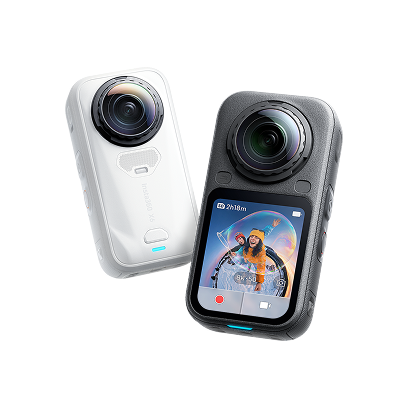
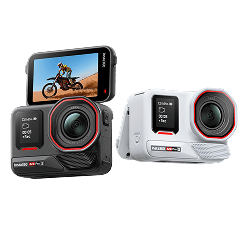
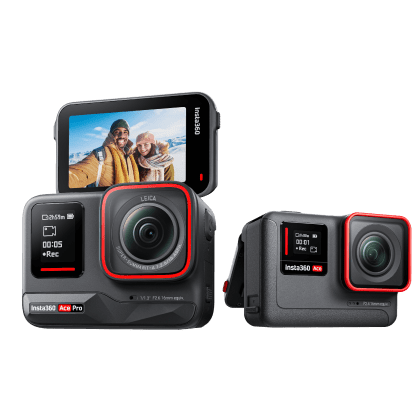
Insta360 Ace Pro 2: Detail. Depth. Dependability.
When you want cinematic quality with a wide lens, Insta360 Ace Pro 2 delivers.
- 8K wide-angle video with Leica SUMMARIT lens
- Dual AI Chips for real-time image enhancement
- 4K60 Active HDR and PureVideo low-light mode
- Flip touchscreen, Wind Guard, and waterproof to 39ft (12m)
It’s smart, sharp, and ideal for handheld or mounted shooting.
Which One Should You Choose?
| Use Case | Recommended Camera |
| Reframing action in post | Insta360 X5 |
| Solo shooting with live preview | Insta360 Ace Pro 2 |
| Harsh weather and multi-angle coverage | Insta360 X5 |
| Fast setup, fixed angle recording | Insta360 Ace Pro 2 |
FAQ
What is sports videography?
Sports videography is recording athletic performances, competitions, or outdoor adventures using cameras built for speed, motion, and clarity.
What camera is best for sports videography?
Insta360 X5 and Insta360 Ace Pro 2 are top picks. They’re rugged, sharp, and smart.
How much do sports videographers make?
Sports Videographer salaries range between $30,000 and $73,000 per year, depending on niche, skill, and client type.
Is sports videography a good career?
It can be. It’s competitive, but demand is growing. Show up consistently and your footage will find a home.
Keen to keep up to date on Insta360 stories? Keep an eye on our blog and sign up for our mailing list. Got a story to share? Email yours to communitystories@insta360.com and win up to US$50.




%20(1).svg)


%20(1).svg)

.svg)