














.jpg)


What are Aperture, Shutter Speed, and ISO?
At the heart of every photo is a balance of light. The exposure triangle is a simple way to remember the three settings that control this balance. Adjusting one of these settings will always impact others, and learning to manage them is the key to great photos.
- Aperture is the adjustable opening within a camera lens that controls the amount of light reaching the sensor, measured in f-stops. A wide aperture (low f-number like f/2.8) lets in more light and creates a shallow depth of field, blurring the background. A narrow aperture (high f-number like f/16) lets in less light but keeps more in focus, ideal for landscapes.
- Shutter Speed is how long the sensor is exposed to light, measured in seconds (e.g., 1/1000, 1/60, 2). Fast speeds freeze motion (great for sports or wildlife). Slow speeds create intentional blur (silky waterfalls, light trails).
- ISO indicates a camera sensor's sensitivity to light. Low ISO (100–200) gives clean images with minimal noise, best in bright light. Higher ISO helps in dim conditions but adds grain.
How They Work Together
These three settings are linked. If you change one of them, you typically adjust at least one of the others to keep the overall brightness (exposure) correct. It's about making intentional trade-offs to prioritize what matters most in your shot: depth of field, motion, or image cleanliness.
Here are a few real-world examples:
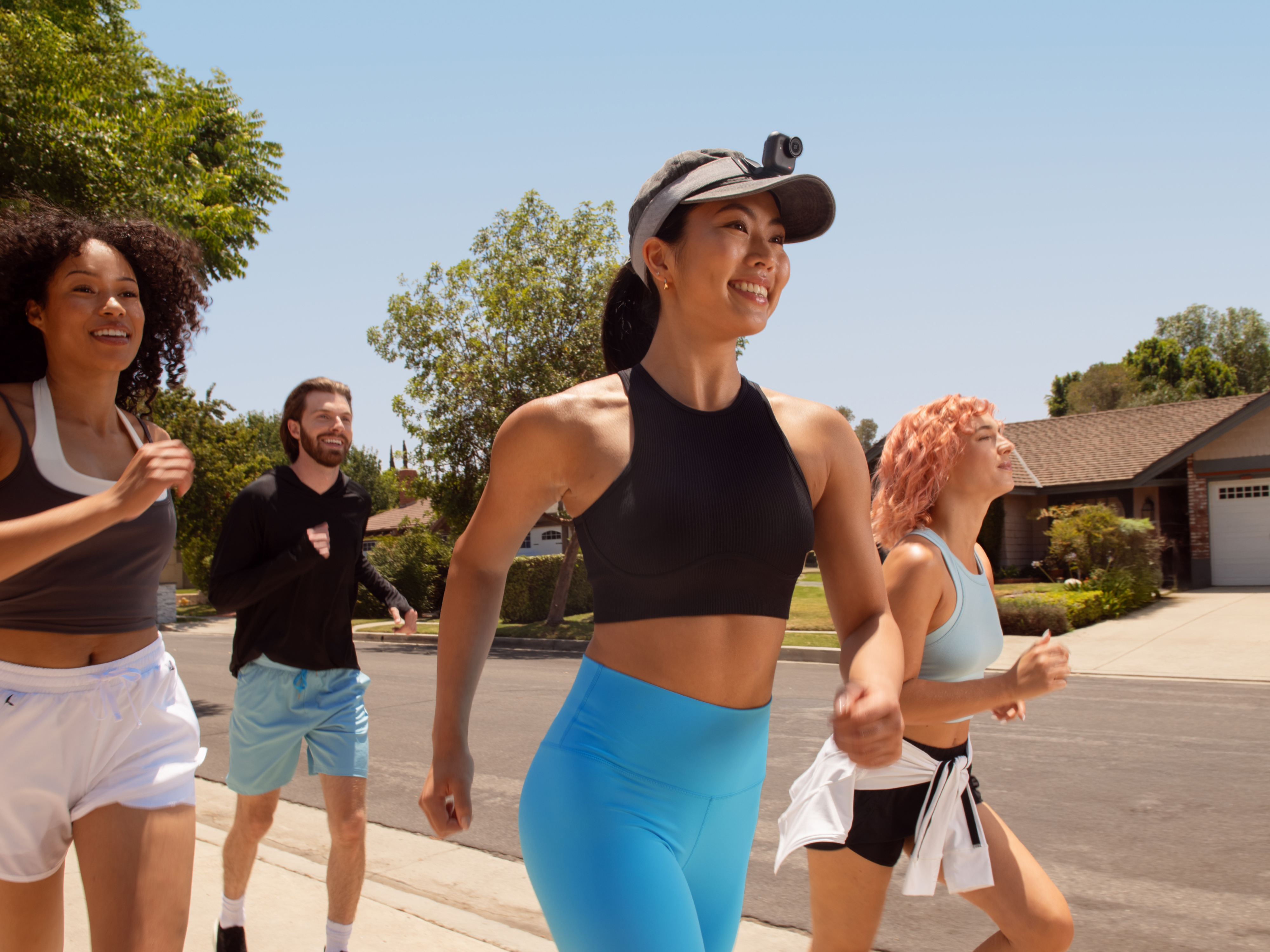
- On a sunny day, you want to capture a runner mid-stride. Set a fast shutter speed like 1/1000. That cuts light entering the camera, so compensate with a wide aperture (f/2.8 or f/4) and keep ISO low (100) for maximum clarity.
- For a smooth, ethereal waterfall, use a slow shutter speed like 1 or 2 seconds to blur the water. That lets in a lot of light, risking overexposure. Counter it with a narrow aperture (f/11 or f/16) and low ISO (100). A tripod helps keep the camera steady.
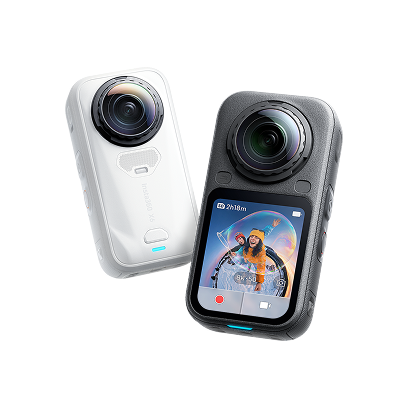
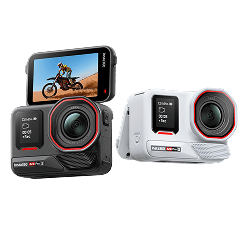
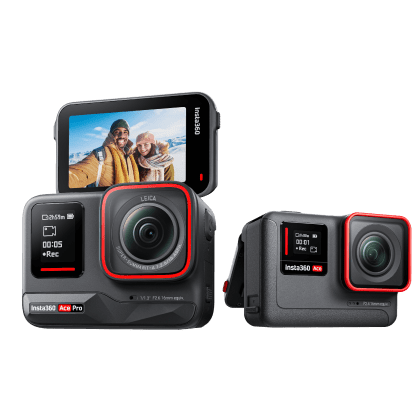
- In low light, open the aperture as wide as your lens allows to gather more light and avoid blur from camera shake. If it's still too dark, raise the ISO gradually. Action cameras like the Insta360 Ace Pro 2, with its large 1/1.3" sensor and PureVideo mode, handle these situations very well compared to competitors.
Putting It Into Practice
The beauty of the exposure triangle is that once you understand the relationship between its components, you gain real creative power. You decide whether depth of field, motion, or noise level matters most for the shot. To get comfortable, switch your camera to manual mode and experiment. Pick a scene and shoot the same subject with different combinations: vary the aperture to see how background blur changes, play with shutter speed to freeze or blur motion, and adjust ISO to see how noise appears.
Conclusion
Mastering the exposure triangle can unlock your camera's potential, turning casual snaps into thoughtful images. Start small, shoot often, and watch your photos improve as you go. Switch to manual mode, experiment, and don't sweat the mistakes—they're how you learn.
FAQ
What is a 'stop' in photography?
A stop is a unit of measurement that represents a doubling or halving of the amount of light reaching the camera sensor. Changing from one aperture to the next is one stop brighter (twice the light). The same applies to shutter speed (1/250 to 1/125) and ISO (200 to 400). Stops allow you to make precise adjustments across the exposure triangle.
When should I use a high ISO?
Use a high ISO in low-light situations where a wider aperture or slower shutter would cause unwanted blur, such as indoor sports, concerts, or night photography. While it adds noise, modern cameras handle higher values (1600–6400+) very well.
How can I practice using the exposure triangle?
Switch to Manual (M) mode. Pick a subject in consistent light and shoot multiple versions of the same scene. Keep two settings fixed while changing the third to see the effects: vary the shutter speed for motion, the aperture for depth of field, and the ISO for noise. Review the results on a larger screen. The more you shoot, the more intuitive it will become.
Keen to keep up to date on Insta360 stories? Keep an eye on our blog and sign up for our mailing list. Got a story to share? Email yours to communitystories@insta360.com and win up to US$50.




%20(1).svg)


%20(1).svg)

.svg)