
















Have you ever seen a photograph of a speeding cyclist or a flowing waterfall and wondered how the photographer captured such a dynamic sense of motion instead of just a frozen moment? It's a common challenge: translating the energy and thrill of movement into a still image without losing its essence. Often, action photos can feel static, lacking the life and speed you experienced in person.
Imagine transforming your action shots from flat snapshots into vibrant, storytelling images that truly capture the blur of motion. This guide will help you master blur action photography, a creative technique that adds drama, speed, and artistic flair. You'll learn to move beyond static images and infuse your work with a powerful sense of dynamism, whether you're shooting sports, wildlife, or everyday scenes.
Ready to add a new dimension to your photography? This article will answer key questions: What exactly is motion blur and why does it matter? What essential camera settings and gear do you need to get started? And what are the most popular techniques for achieving stunning motion blur effects?
Understanding Motion Blur: Adding Dynamic Movement to Your Action Photography
Motion blur is a powerful photographic effect that captures movement in a still image. Rather than freezing a subject, it intentionally records its path, creating streaks or smudges that convey speed and energy. This technique is essential for blur action photography, enabling photographers to tell a more dynamic story than a perfectly sharp image alone.
Subject Blur vs. Background Blur
Motion blur manifests in two primary ways: subject blur and background blur.
- Subject Blur: This occurs when your subject moves during a longer exposure, resulting in a blurred subject against a relatively sharper background. It's ideal for emphasizing the speed of a single moving element, such as a runner or a car.
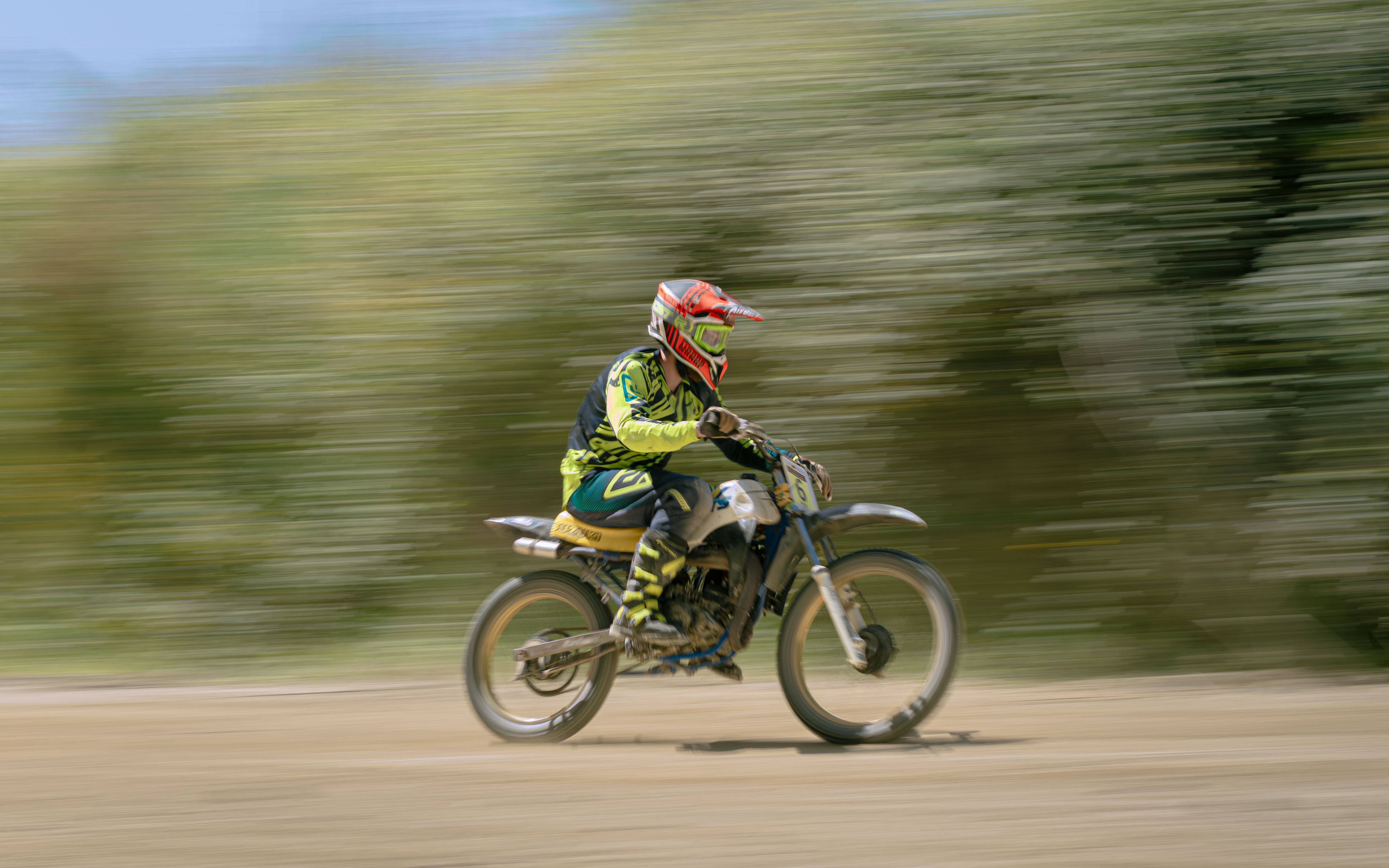
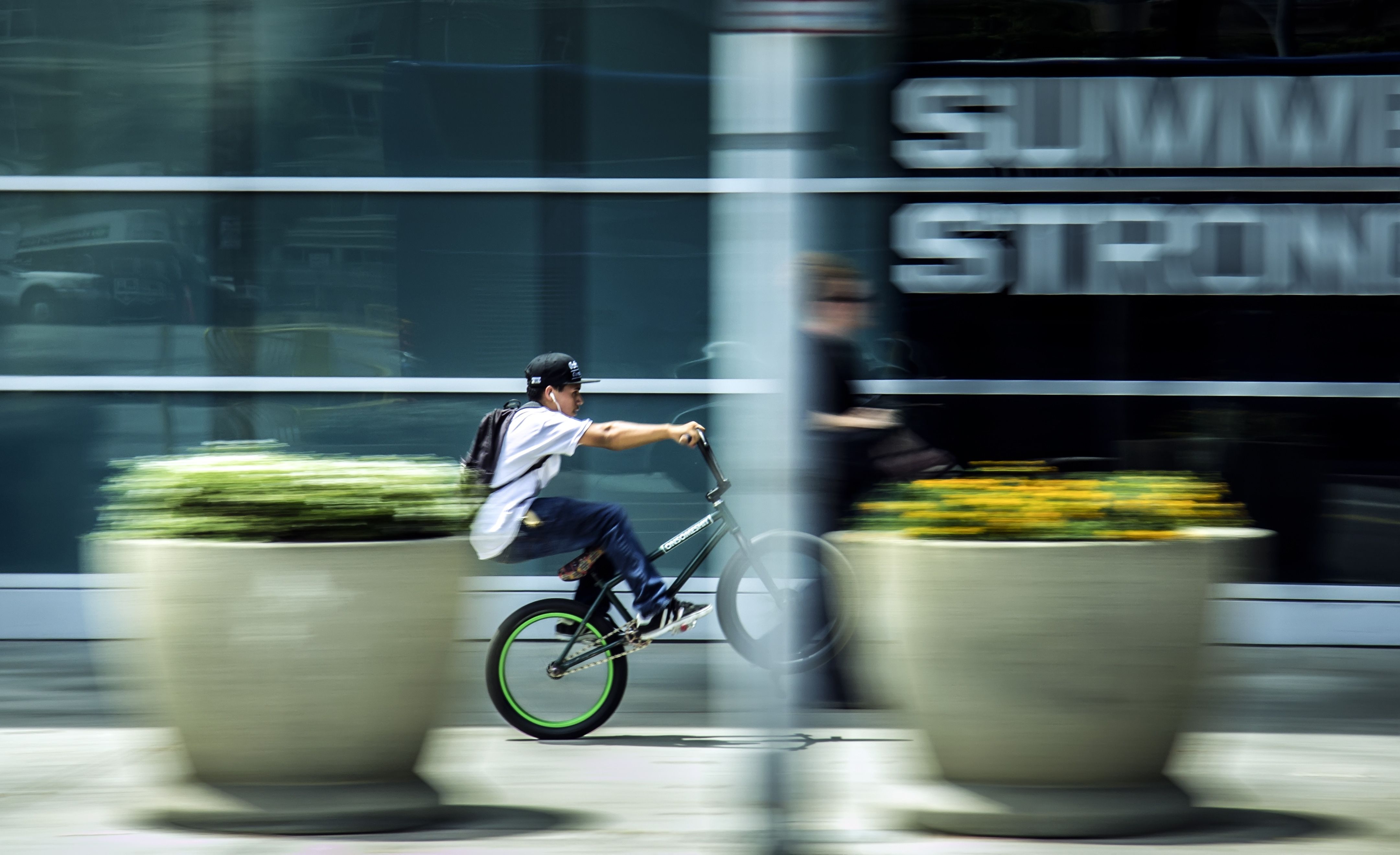
- Background Blur (Panning): Achieved by moving your camera to track a moving subject, this technique renders the background as a streak of blur while keeping the subject relatively sharp. This creates a strong sense of speed and focuses attention on the action, isolating the subject from its surroundings.
Artistic Purpose and Effectiveness
Incorporating motion blur into action photography serves several artistic purposes. It transforms a static moment into a narrative of motion, guiding the viewer's eye along the subject's path. It can evoke emotion, conveying excitement, intensity, or the serene flow of natural elements like water. This creative technique adds depth and dimension, making images more engaging and memorable.
Motion blur is most effective when you want to:
- Convey Speed: A blurred car or cyclist immediately communicates rapid movement, unlike a sharp image that might look parked.
- Add Dynamism: It injects energy into scenes that might otherwise appear lifeless.
- Create Artistic Impact: It’s a tool for artistic expression, allowing photographers to interpret movement rather than just document it.
- Guide the Eye: The blur can direct attention to the sharp elements, highlighting the most important part of the action.
Understanding these distinctions and purposes is the first step in mastering blur action photography and using slow shutter speed effects to enhance your visual storytelling.
Essential Camera Settings for Capturing Intentional Blur Action Photography
To master blur action photography, precise control over your camera settings is key. Shutter speed, aperture, and ISO are the critical elements for creating artistic motion blur effects.
Shutter Speed: The Primary Factor
Shutter speed is the most important setting for motion blur. It controls how long your camera's sensor is exposed to light. A slower shutter speed allows moving subjects to streak, creating blur.
- Fast Action (e.g., cars, sports): Start with 1/30 to 1/125th of a second. The ideal speed depends on subject velocity and desired blur. Faster subjects may require a slightly quicker shutter speed to maintain some recognition.
- Moderate Movement (e.g., walking, gentle waves): Try 1/15th to 1/60th of a second for a softer blur.
- Waterfalls or Clouds (Long Exposure): For ethereal water or streaky clouds, use 1/2 second up to several seconds, or even minutes, often with an ND filter in bright light.
Remember, slower shutter speeds increase blur. However, too slow can result in an unrecognizable image.
Aperture: Depth and Light Control
Aperture (f-stops) manages depth of field and light intake. For blur action photography, it works with shutter speed.
- Shallow Depth of Field (Large Aperture, e.g., f/2.8-f/5.6): Blurs the background, isolating your moving subject. This is effective for panning shots.
- Deeper Depth of Field (Small Aperture, e.g., f/8-f/16): Keeps more of the scene in focus, useful for landscapes with moving elements. A smaller aperture reduces light, potentially requiring a slower shutter speed or higher ISO, especially for long exposure action shots.
ISO: Sensitivity and Noise
ISO controls camera sensitivity to light. For motion blur, keep it as low as possible (e.g., ISO 100-400), especially for long exposure action shots. High ISO introduces digital noise, which can degrade image quality. Only increase ISO if absolutely necessary for exposure in very low-light conditions, after adjusting shutter speed and aperture.
Balancing these settings gives you full control over your motion blur camera settings to create captivating, dynamic images.
Mastering Motion Blur Techniques: Panning, Zoom, and Intentional Camera Movement
With optimized camera settings, it's time to explore dynamic techniques for blur action photography. These methods allow you to control motion blur, transforming ordinary scenes into captivating visual stories.
Panning Photography Technique: Sharp Subject, Blurred Background
Panning is a classic creative motion blur technique. It keeps your moving subject relatively sharp while blurring the background into streaky lines, effectively conveying intense speed.
How to Execute:
- Shutter Speed: Start with 1/30 to 1/125th of a second.
- Track Smoothly: Follow your subject's movement, keeping it consistently framed.
- Press and Follow Through: Press the shutter, then continue to pan smoothly post-exposure.
- Burst Mode: Use continuous shooting for better results.
Tips: Practice with predictable subjects like cars. Rotate from your waist for the smoothest motion.
Zoom Blur: Burst of Energy
Zoom blur creates a radial effect, making action appear to burst from or be drawn into the image center. This technique adds dynamic energy to your blur action photography.
How to Execute:
- Slow Shutter Speed: Choose 1/15th to 1/60th of a second.
- Focus: Focus on your subject.
- Zoom During Exposure: Press the shutter and simultaneously zoom your lens in or out smoothly.
- Tripod Recommended: A tripod helps keep the central subject stable.
Tips: Experiment with zoom speed for the desired blur intensity. This works well for static subjects that need internal energy.
Intentional Camera Movement (ICM): Abstracting Reality
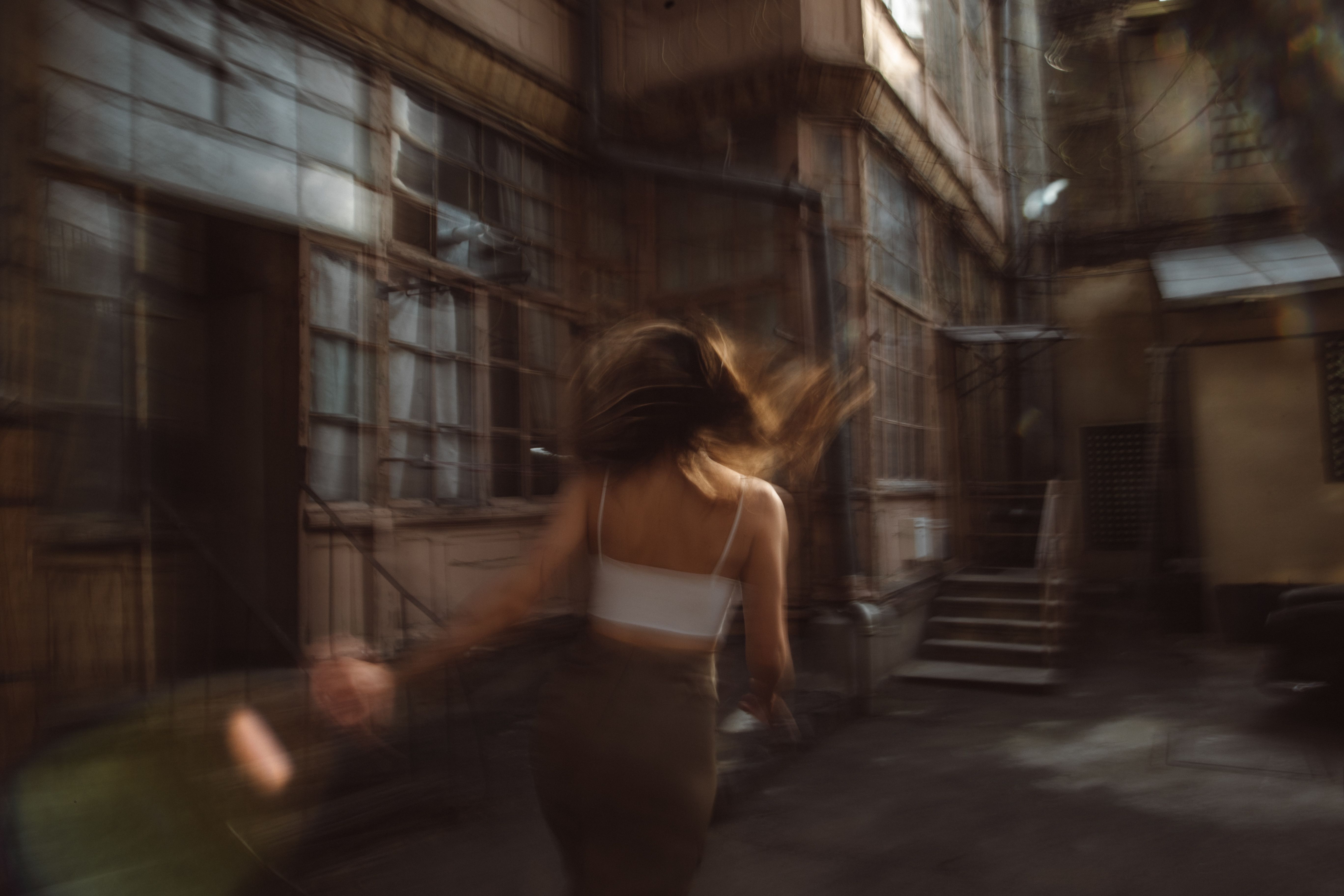
ICM elevates creative motion blur to an artistic level. The entire image blurs from deliberate camera movement during a long exposure action shot, resulting in abstract, painterly effects that convey mood rather than literal detail.
How to Execute:
- Very Slow Shutter Speed: Use 1/2 second up to several seconds or more.
- Choose Movement: Decide on horizontal, vertical, diagonal, or circular camera motion.
- Move During Exposure: As the shutter opens, move your camera in the chosen direction.
- Experiment: Explore different movements and speeds to create abstract art.
Tips: ICM excels with strong colors, contrasting light, or interesting textures (e.g., forests, night cityscapes). The goal is evocative expression, not sharpness.
Mastering these techniques will add incredible depth and storytelling to your movement photography repertoire, unlocking new creative possibilities in your blur action photography.
Gear and Practical Tips for Beginner Blur Action Photographers
Blur action photography is an accessible technique for capturing dynamic motion. With a few key pieces of gear and practical tips, you can significantly enhance your results.
Essential Gear for Motion Blur
- Tripod: A sturdy tripod is crucial for any long exposure shot. It eliminates camera shake, ensuring static elements remain sharp while movement blurs. This is essential for capturing flowing water, light trails, and any shot where static elements must stay sharp while the subject blurs.
- Neutral Density (ND) Filters: ND filters act like sunglasses for your lens, reducing the amount of light that enters. This allows for slower shutter speeds, even in bright conditions, preventing overexposure when creating a slow shutter speed effect during daylight hours. Variable ND filters offer added versatility.
- Lens Choice: While many lenses can work, a versatile zoom lens (e.g., 24-70mm or 70-200mm) is a good starting point for general blur action photography. Wide-angle lenses are suitable for expansive scenes, while telephoto lenses help isolate subjects for panning shots.
Practical Tips for Dynamic Motion Blur
- Practice Regularly: Mastering motion blur, especially techniques like panning, requires consistent practice. Experiment with various shutter speeds and methods to develop your intuition for capturing movement effectively.
- Experiment with Shutter Speeds: There's no single "correct" shutter speed. Even slight adjustments, such as from 1/30th to 1/60th of a second, can drastically alter the blur effect. Bracket your speeds (e.g., 1/15, 1/30, 1/60) to find the optimal effect for your subject and desired aesthetic.
- Ideal Shooting Conditions: Overcast days or "golden hour" light offer softer illumination, providing more flexibility with slower shutter speeds without requiring heavy ND filtration. Nighttime is also ideal for capturing long exposure shots, such as car light trails.
- Focus Strategically: For panning, either pre-focus or use continuous autofocus to track your subject. With techniques like Intentional Camera Movement (ICM) or zoom blur, a precise focal point isn't always necessary, but understanding its impact can still influence the final artistic outcome.
Conclusion: Unleashing Creativity with Motion Blur Photography
Motion blur photography is a powerful narrative tool, not merely an aesthetic trick. We've explored how understanding its artistic purpose, mastering essential camera settings (shutter speed, aperture, and ISO), and employing creative techniques like panning, zoom blur, and Intentional Camera Movement can transform static images into dynamic stories.
Capturing compelling movement requires continuous experimentation. Don't hesitate to push the boundaries with your motion blur camera settings and explore new perspectives. Grab your camera, practice techniques like panning photography, or experiment with long exposure action shots. Each attempt will refine your eye and technique.
Ultimately, mastering creative motion blur empowers you to infuse your photography with a unique sense of energy and flow, effectively conveying the thrill of the moment. Now, go capture the world in motion!
FAQ: Common Questions About Blur Action Photography
Why are my motion blur photos too blurry, or not blurry enough?
The primary factor is your camera's shutter speed. If your photos are too blurry, try a slightly faster shutter speed (e.g., 1/60s instead of 1/30s). If they aren't blurry enough, slow it down. Additionally, ensure your camera movement aligns with the subject's speed for panning shots, or that you remain still when blurring a moving subject.
What subjects are ideal for blur action photography?
Any moving subject works well! Fast-moving subjects such as cars, cyclists, runners, or wildlife are excellent for panning. Waterfalls, clouds, or city lights at night are perfect for long exposure shots when using a tripod. Even people walking can create interesting slow shutter speed effects.
Do I need special software to enhance motion blur?
While you can refine details in post-processing, the most effective motion blur is captured directly in-camera. Editing software can enhance colors, contrast, and sharpness in the non-blurred areas, but it's challenging to convincingly add motion blur that wasn't present in the original capture. Focus on achieving the desired effect while photographing.
Can I achieve motion blur with a smartphone?
Yes, many contemporary smartphones offer "Pro" or "Manual" modes that allow for shutter speed adjustments. You can also find third-party apps designed for long exposure or specific motion blur effects. Using a small tripod can help stabilize your phone for these types of shots.




%20(1).svg)


%20(1).svg)

.svg)