
























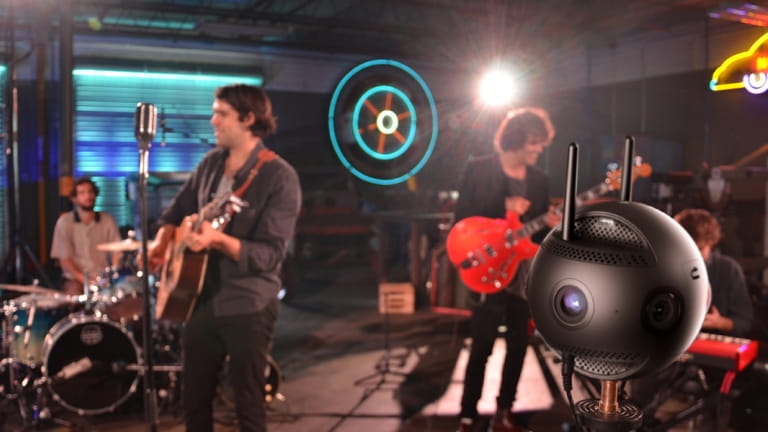











Resolution. A word so big it's typically reserved for our New Year ambitions, but in this case, means something entirely different—yet just as important. A video frame packed with detail pulls you in fast, and you can spot subtle textures, crisp edges, and tiny patterns that would blur at lower resolutions.
That jump in clarity comes from pixel count, and 4K brings a dense grid that transforms the way footage feels. Higher resolution gives creators space to crop, steady movement, or reframe without losing sharpness. Scenes look richer because each segment of the image carries finer structure.
What 4K Resolution Means (And Why It Looks So Sharp)
There are plenty of complicated words or phrases, so let's boil it down to basics. The 'K' in 4K stands for Kilo, as in a thousand, and it refers to the number of pixels. A 4K frame measures 3840×2160 pixels, filling the image with roughly 8.3 million tiny points of detail.
That dense layout enhances edges, textures, and small patterns that can be lost in lower-resolution formats. Place the same scene beside standard HD, and the difference is immediately apparent because fine details remain crisp, even when viewed up close.
Pixel Density and Sharpness: Why 4K Feels More Detailed
Back to that word pixels. Packing more pixels into the same space gives every surface a tighter, cleaner look. Fine lines stay intact, gradients smooth out, and small textures hold their shape even when the viewer sits close to the screen.
Twenty or thirty years ago, you would sit a foot away from the TV on Saturday morning with your cereal, and you could actually see the individual dots.
Nowadays, large, modern televisions appear practically perfect because the image remains sharp and clear as it stretches. Motion also reads better since edges remain defined during fast action, making the scene easier to follow.
Types of 4K Content and Where You’ll See It
There's still plenty of sub-4K video footage out there at the moment, but it's becoming increasingly rare as cameras continue to improve. Streaming platforms deliver films, shows, and sports in crisp detail, providing viewers with a clear sense of motion and texture on modern screens. Game footage also benefits because fast movement holds its shape instead of softening during action-heavy moments.
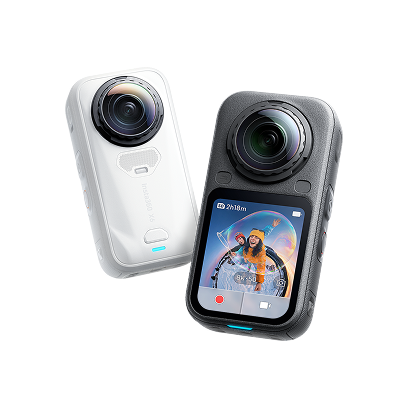
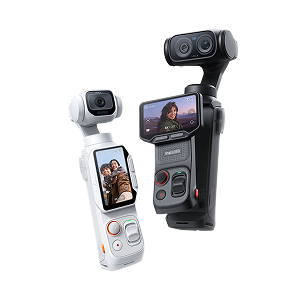
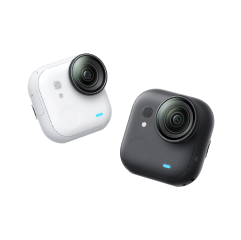
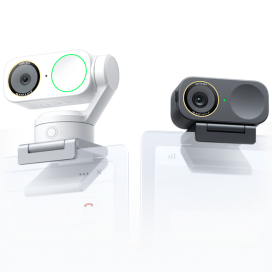
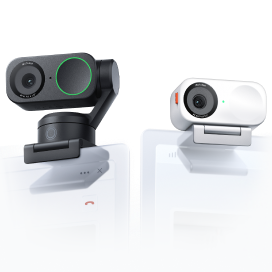
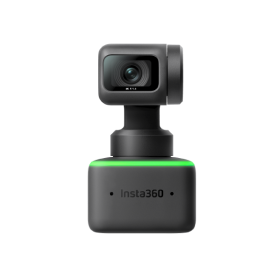
Modern cameras, such as Insta360 GO 3S and Insta360 GO Ultra, record in 4K across travel clips, vlogs, and dynamic outdoor shots, giving creators clean material for edits or tight crops. Social platforms also support higher-resolution uploads, so your footage retains its impact when viewed on larger displays. Even webcams are getting in on the act, providing live streams that look extraordinary.

Upscaling: When Your Content Isn’t Originally 4K
For content that wasn't originally filmed in 4K, a convenient workaround is available. Upscaling is the process of enhancing footage below 4K by a processor that fills in missing detail and estimates edges and patterns to create a sharper version of the original frame.
You still gain a cleaner look on high-resolution screens, especially when watching older videos or streaming content that was never shot in 4K. It's not perfect, but it will be significantly better than what you started with.
HDR and Color Quality: The Other Half of a Great 4K Image
Another phrase to add to your ever-expanding technological vocabulary: High Definition Range (HDR). This is a fantastic piece of kit that expands the range between bright highlights and deep shadows, giving scenes a sense of depth you can feel.
It can, quite literally, feel alive and almost make you feel like you could step into the scene. Bright areas retain their shape, while darker zones reveal texture that would otherwise fade into a flat patch.
Color depth adds another lift. Gradients smooth out, skin tones blend into natural transitions, and saturated elements retain their impact without clipping. It should show you a bright, crisp world full of a wonderful kaleidoscope of colors. When you combine high-quality color, HDR, and 4K, you're in for a visual treat.
Choosing a 4K Camera (What Actually Matters)
A strong 4K camera provides clean detail, steady motion, and sufficient flexibility to shape the frame as you want. Start with frame rates because smooth movement keeps fast scenes readable. High rates help you track action without losing edge clarity. Dynamic range matters next.
Cameras that hold detail in bright skies and dim corners give you room to adjust exposure later. Lens quality also plays a role, as sharp glass preserves textures before the sensor even begins its work.
Life is often chaotic, messy—and definitely bumpy, which is why having stabilization is an absolute must. You can move, tilt, or reposition without introducing distracting shake. Honestly, you'll wonder how you ever operated without it.
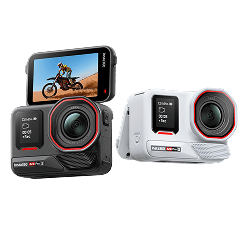
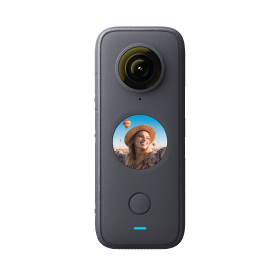
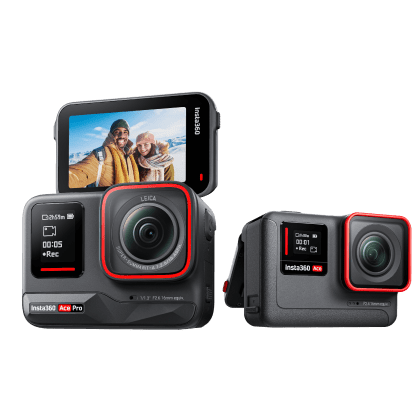
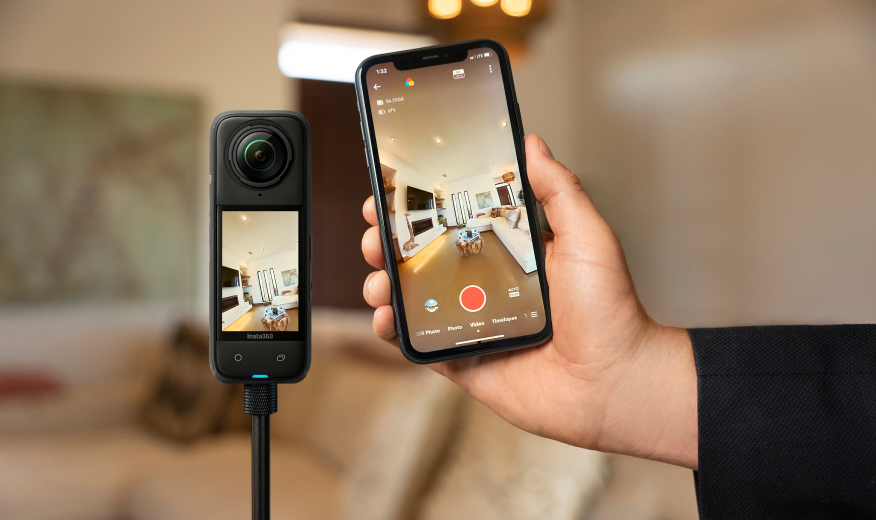
Insta360 X5 handles shifting perspectives like a pro, while Insta360 X4 brings clear detail to quick action. Insta360 Ace Pro 2 stays reliable when lighting changes fast, and is generally considered what you want if you're going for cinematic quality. And the best thing about these three? They don't stop at 4K. Each pushes their pixel count even higher to 8K. You might not always need it, but boy, does it look good.
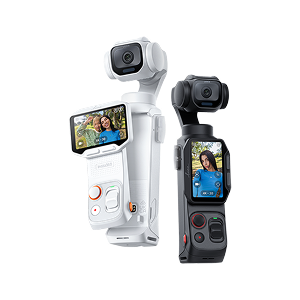
For compact setups, Insta360 GO 3S and Insta360 GO Ultra open angles you can reach in seconds. Both are astonishingly small and can be used in countless ways, allowing your creative imagination to soar.
Frequently Asked Questions
Does 4K Really Make a Difference?
Yes! A dense pixel layout strengthens clarity across textures, edges, and motion. Viewers see sharper detail on large screens because the image holds its structure instead of softening.
Can the Human Eye Really See 4K?
People notice added detail when the pixel grid tightens, especially at closer viewing distances. Higher resolutions reduce the visible pixel structure, making images appear smoother and more precise.
Is 4K or 12MP Better?
It depends on what you’re creating. A 12MP photo offers solid still-image clarity, while 4K defines video resolution. Each serves a different purpose, and creators often use both.
Why 4K Matters for Creators Today
So is all this talk of pixels, and Ks, and HDR really warranted? Does it really make that much difference? The next time you marvel at how crisp and colorful a scene looks while you're streaming your favourite show, remember, what you're watching is almost certainly in 4K or above. As a test, film something on your iPhone and then put it on the television. You'll see a remarkable difference. So we'll let you decide whether 4K matters.
Video technology is moving at speeds unparalleled in any other period in modern history. It felt like only yesterday (early 2010s) that we were all talking about 2K, and now we're bounding forward with 4K and beyond. Is it noticeable? Absolutely. Is it completely reinventing video? You bet. Welcome to the future, where Insta360 cameras are leading the charge.
The Insta360 Vision Awards supported by Leica are now open. Join creators worldwide for a chance to win from an US$80,000+ prize pool, including Leica cameras and Insta360 gear. Got a story to share? Email yours to communitystories@insta360.com and win up to US$50.






%20(1).svg)


%20(1).svg)

.svg)